

Moroccan Hammam Benefits for Skin: What Results to Expect
ByTASANO

A Moroccan hammam is more than a cleansing ritual. Often referred to globally as a Moroccan bath, the Moroccan hammam offers powerful benefits for the skin.
When done properly, it combines heat, black soap, exfoliation, and nourishing care to leave the skin feeling smoother, softer, and visibly more refined. The key reason it feels so transformative is simple: exfoliation removes dead skin cells from the outer layer of the skin, while post-cleansing moisturizing helps protect hydration and the skin barrier. Dermatologists recommend gentle exfoliation, avoiding broken or sunburned skin, and moisturizing immediately afterward.
That is why the results of a Moroccan hammam are not just about feeling clean. They are about skin texture, radiance, comfort, and the quality of the routine itself.
These Moroccan hammam benefits for skin are what make the ritual so effective when done properly.
For the full step-by-step ritual behind these results, read The Complete Moroccan Hammam Ritual at Home.
In this guide, you’ll discover the main Moroccan hammam benefits for skin, what results to realistically expect, and how each step contributes to that signature hammam glow.
Table of Contents
What Makes a Moroccan Hammam Different?
A Moroccan hammam is not the same as an ordinary shower.
Its skin benefits come from the sequence:
- warmth or steam
- Moroccan black soap
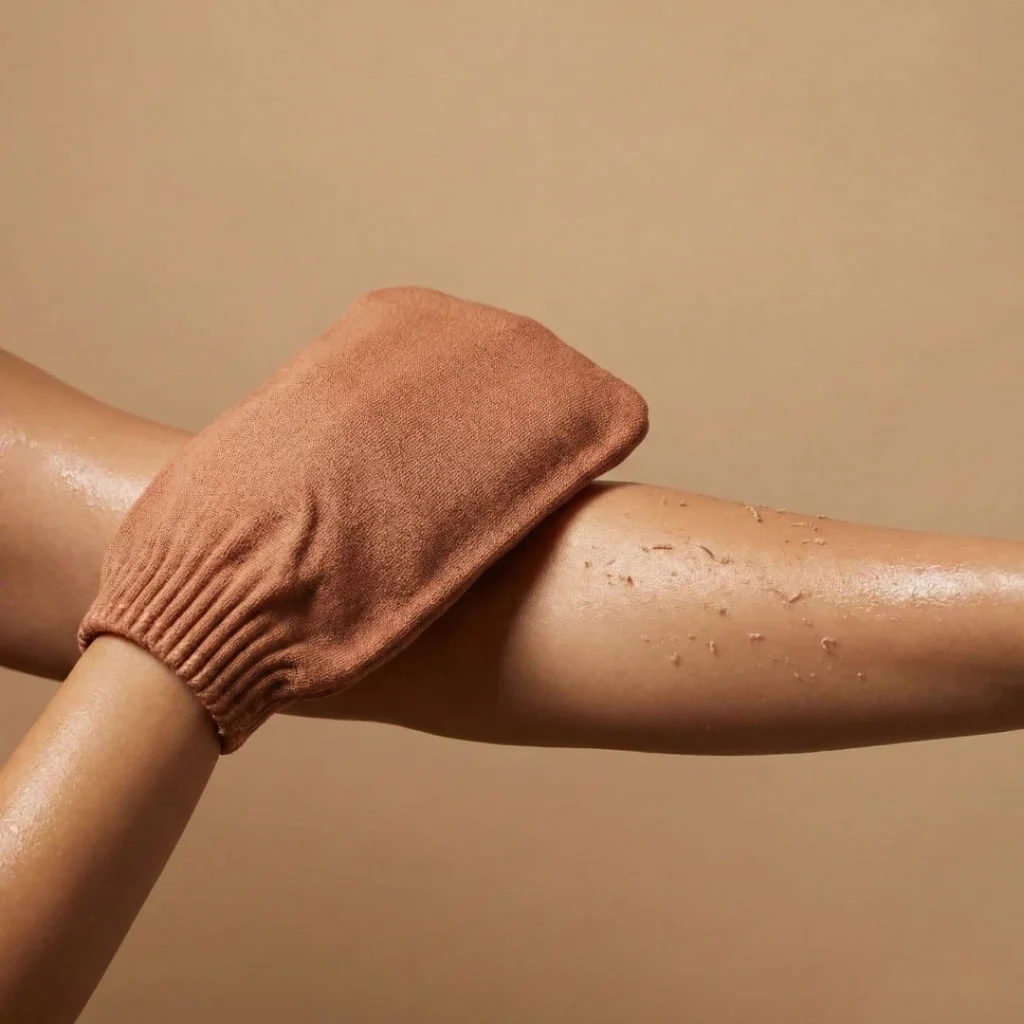
- kessa glove exfoliation
- optional clay cleansing
- post-ritual hydration
This order matters. Steam and warmth help soften the skin, exfoliation removes surface buildup, and immediate moisturizing helps reduce dryness after cleansing. Medical guidance notes that heat can increase circulation, while dermatology guidance stresses that exfoliation should be gentle and followed by moisturizer.
This structure is what allows Moroccan hammam benefits for skin to go beyond simple cleansing.
9 Moroccan Hammam Benefits for Skin
Many people look into Moroccan bath benefits or search for Moroccan bath benefits for skin because they want visible results, not just a relaxing experience. The truth is, the benefits of hammam for skin go far beyond cleansing. From smoother texture to a more refined, radiant appearance, each step of the ritual plays a role in transforming how the skin looks and feels. So if you’ve ever wondered what are the benefits of Moroccan hammam, the following Moroccan hammam benefits for skin explain why this ritual remains so popular.
1. It Removes Dead Skin Buildup
One of the most noticeable benefits of a Moroccan hammam is how effectively it removes dead skin from the surface. That is the foundation of the smoother, cleaner feel people notice right away. Exfoliation removes dead skin cells from the outer layer of skin, which is exactly why dermatologists say it can improve the skin’s appearance when done safely.
This is one of the most immediate Moroccan hammam benefits for skin you can both see and feel.
2. It Leaves Skin Smoother and Softer
Once dead skin and buildup are removed, the skin feels immediately softer to the touch. This is one of the fastest visible and sensory results of the ritual. The effect is even stronger when moisturizer or argan oil is applied after exfoliation, because dermatology and medical guidance both emphasize moisturizing right after bathing or exfoliating to support softness and hydration.
3. It Helps Improve Skin Texture
Rough-feeling skin often comes from buildup, dryness, and an uneven surface layer. By combining softening, exfoliation, and moisturization, a hammam can help the skin feel more refined and even. Dermatology guidance supports exfoliation as a way to improve the appearance of the skin when matched appropriately to skin type and done gently.
4. It Enhances Natural Radiance
A Moroccan hammam does not bleach the skin. What it can do is remove dull surface buildup and leave the skin looking brighter, fresher, and more luminous. Increased circulation from steam may also contribute to that healthy post-hammam appearance. Cleveland Clinic notes that steaming can increase circulation, which can help skin look plumper and more nourished.
Among all Moroccan hammam benefits for skin, this natural glow is often the most noticeable.
5. It Prepares Skin to Absorb Moisture Better
Freshly cleansed and exfoliated skin often feels more receptive to leave-on care. This is why oils and moisturizers feel especially effective after a hammam. Medical guidance recommends applying moisturizer soon after bathing or showering, while the skin is still slightly moist, to help trap moisture and reduce dryness.
6. It Can Help Reduce the Feeling of Congested, Rough Skin
For people with body areas that feel rough, dull, or buildup-prone, the ritual can create a much cleaner and smoother feel. That does not mean aggressive scrubbing is better. Dermatologists explicitly recommend gentle pressure and caution that over-exfoliation can lead to redness, irritation, or even acne breakouts.
7. It Supports a More Complete Body Care Routine
A Moroccan hammam is effective partly because it is structured. Instead of random cleansing, it combines preparation, exfoliation, and nourishment in the right order. That makes the result feel more complete than simply using a body scrub in the shower. This aligns with broader skin-care guidance that consistency and proper post-cleansing care matter for healthier-looking skin.
8. It Can Be Especially Satisfying for Dry, Dull Skin
Dry skin is often linked to rough texture and a lack of radiance. A well-done hammam followed by immediate hydration can help improve comfort and softness. Cleveland Clinic specifically advises lukewarm rather than very hot water and emphasizes moisturizing after every shower or bath because washing can strip the skin’s protective oils.
9. It Creates the Signature “Hammam Glow”
The glow people talk about is usually the result of three things:
- smoother skin texture
- reduced dull surface buildup
- proper post-ritual hydration
That is why a Moroccan hammam can leave the skin looking more polished and feeling more comfortable right away. The glow is not magic. It is the visible result of exfoliation plus moisture support.
For the skincare ingredients behind Moroccan beauty, explore Moroccan Beauty Products: The Complete Guide to Glowing, Clear, and Youthful Skin.
What Results Should You Realistically Expect?
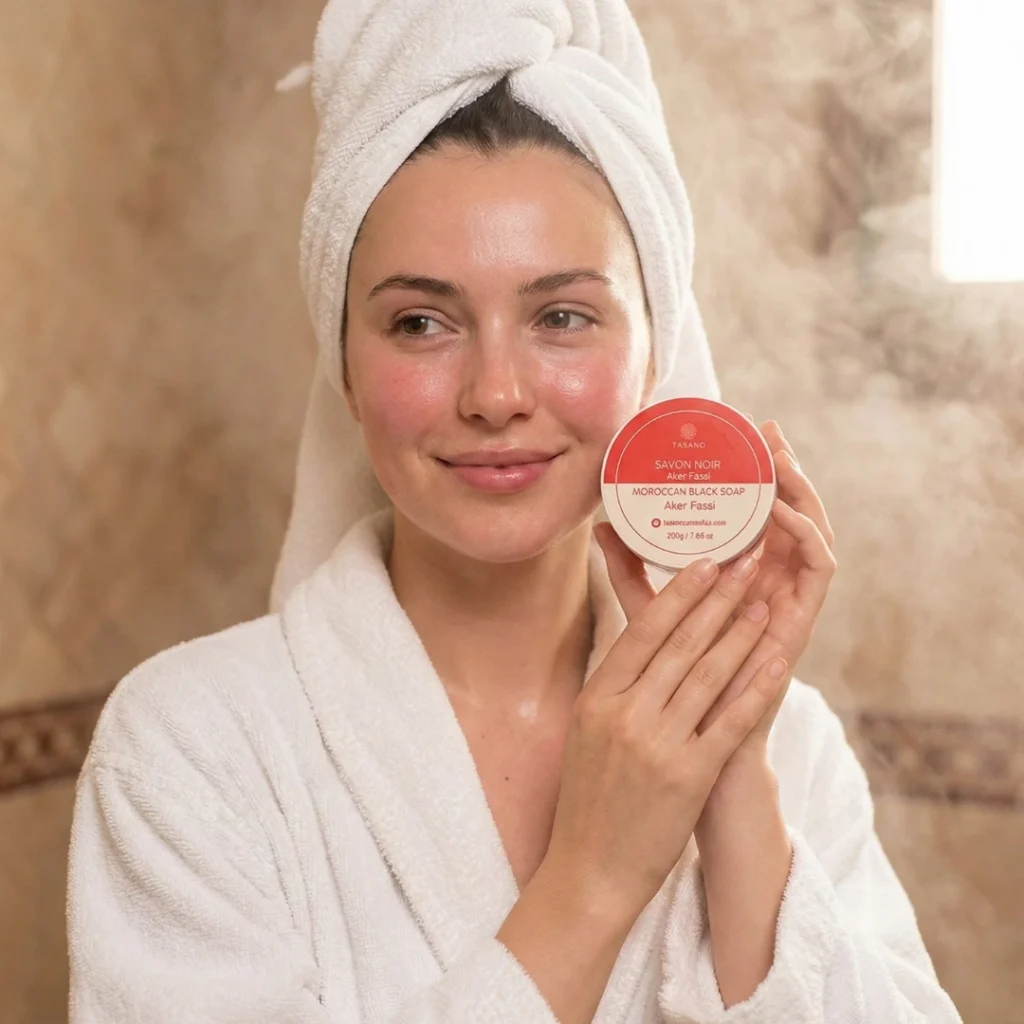
A properly done Moroccan hammam can leave the skin:
- smoother
- softer
- more radiant
- more comfortable after moisturizing
What you should not expect:
- instant treatment of medical skin conditions
- skin bleaching
- permanent results from one session
This is where a lot of weak content lies to people. Real skincare results are cumulative. One session can improve feel and appearance, but repeated, well-spaced rituals and consistent moisturizing are what help maintain the result over time. Dermatology guidance also makes clear that exfoliation is not right for everyone and must be adapted to skin type and sensitivity.
Understanding these Moroccan hammam benefits for skin helps set realistic expectations.
Who Will Notice the Biggest Difference?
The most noticeable improvements are often seen by people with:
- dull skin
- rough texture
- flaky surface buildup
- skin that feels dry after ordinary washing
These are often the cases where Moroccan hammam benefits for skin feel the most noticeable and immediate.
That said, people with sensitive or eczema-prone skin need to be more careful. NHS guidance describes eczema as skin that can be dry, cracked, itchy, and easily irritated, and both NHS and dermatology sources recommend gentle care and immediate moisturization after bathing.
When a Moroccan Hammam Can Be Too Much
A hammam should leave the skin renewed, not raw.
Be cautious if:
- your skin is very sensitive
- you have open cuts or irritation
- your skin is sunburned
- you already have a compromised barrier
Even with clear Moroccan hammam benefits for skin, adapting the ritual to your skin’s condition is essential.
Dermatologists specifically advise against exfoliating broken or sunburned skin, and very hot water can worsen dryness by stripping the skin barrier.
Expert Guidance: Exfoliate Gently and Moisturize Immediately
Physical exfoliation can improve skin texture and help remove dead skin buildup when done correctly, but dermatologists recommend a gentle approach and caution against over-exfoliating, especially on irritated or sensitive skin. The American Academy of Dermatology advises using light pressure, avoiding exfoliation on broken or sunburned skin, and moisturizing immediately afterward to protect the skin barrier. Medical guidance on bathing also supports patting the skin dry and applying moisturizer right away while the skin is still slightly moist.
Traditional Materials Used in a Moroccan Hammam
A Moroccan hammam is defined not only by its steps, but also by the traditional materials used throughout the ritual.
These include:
- Moroccan black soap (Beldi soap)
Used to soften the skin and prepare it for exfoliation - Kessa glove
A textured exfoliating glove designed to remove dead skin effectively - Ghassoul (rhassoul) clay
A mineral-rich clay used to cleanse and purify both skin and hair - Argan oil
Applied at the end of the ritual to nourish and restore softness - Warm water or steam
Essential for opening pores and preparing the skin
Each of these elements contributes directly to Moroccan hammam benefits for skin when used in the correct sequence.
Recommended products
-
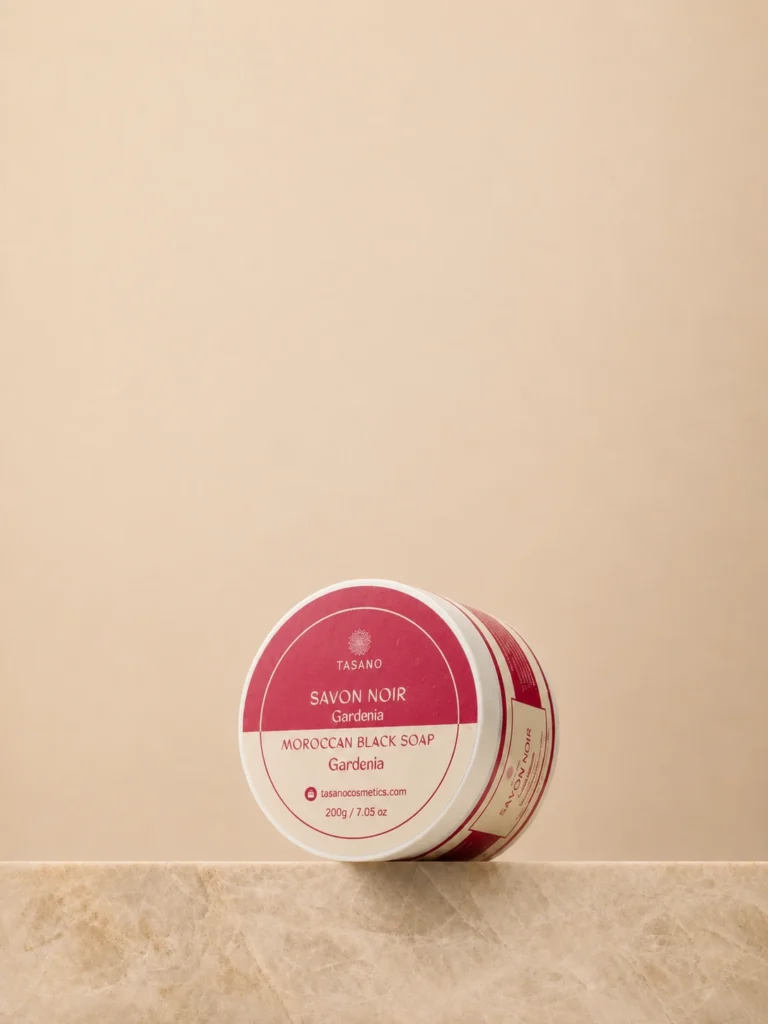
Moroccan Black Soap with Gardenia – Softening
$ 8.00 -
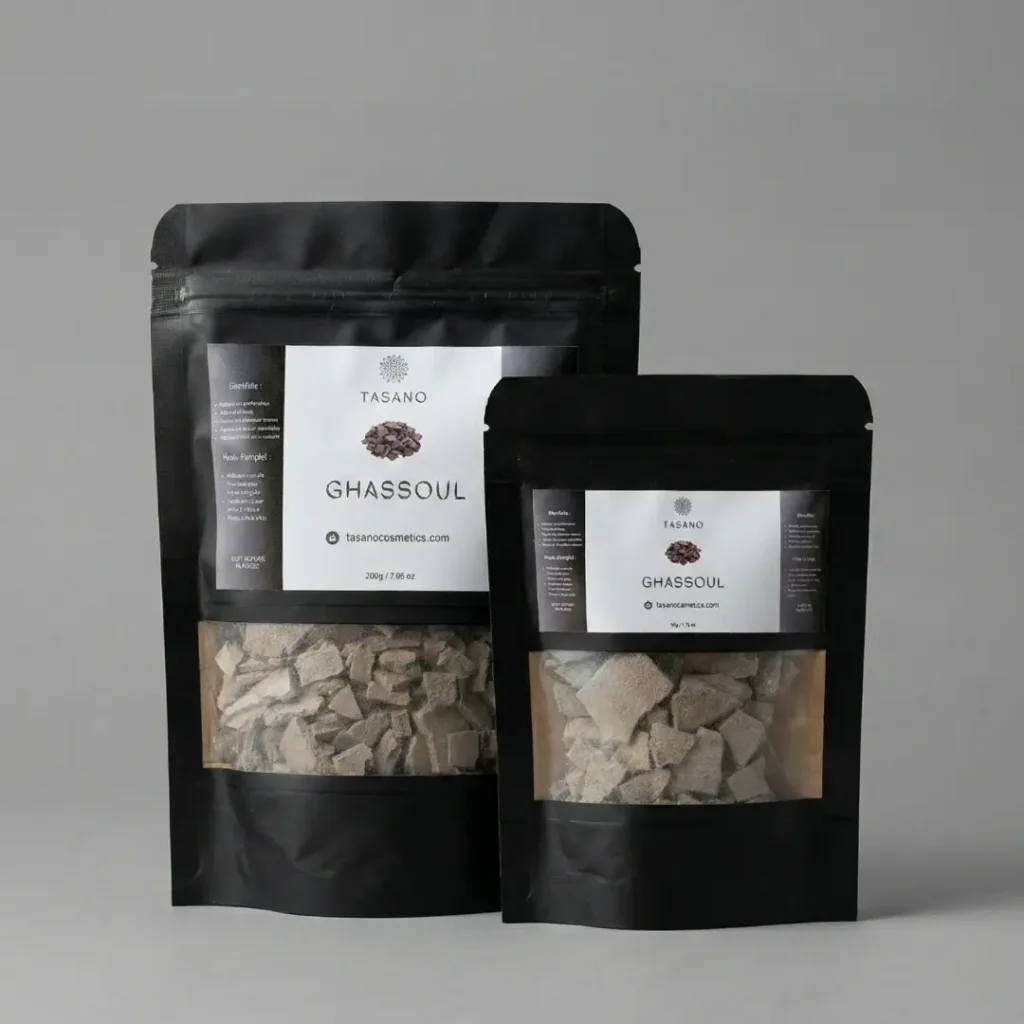
Moroccan Rhassoul (Ghassoul) – Deep Purifying
Price range: $ 5.00 through $ 13.00 -
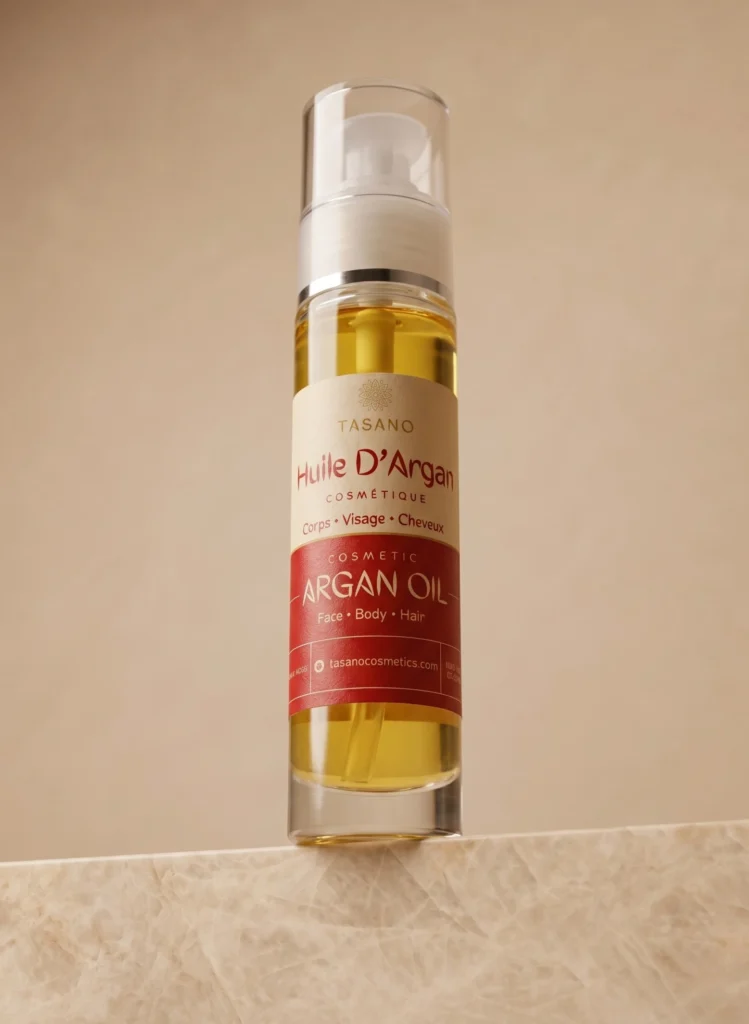
100% Pure Moroccan Argan Oil
Price range: $ 17.00 through $ 26.00 -
100% Pure Moroccan Rose Water – Toner & Face Mist
$ 6.00
How the Steps of the Ritual Contribute to the Results
The benefits of a Moroccan hammam come from the full sequence, not one isolated product.
The ritual begins with Moroccan black soap, which helps soften the skin and prepare it for exfoliation. To understand how this step supports smoother, more receptive skin, explore Moroccan Black Soap Benefits & How to Use It.
Next comes exfoliation with a kessa glove, which helps lift away dead skin and refine texture. For the best technique, follow How to Use a Kessa Glove Properly.
Some routines also include ghassoul clay as a further cleansing step for skin and hair. To see how it fits into the ritual, read Ghassoul Clay for Hair and Skin: Benefits & How to Use It.
Finally, post-ritual nourishment helps restore comfort and softness. To complete the routine properly, discover Argan Oil After Shower: Benefits for Skin and Hair.
How Often Should You Do a Moroccan Hammam for Skin Benefits?
For most people, once a week is a strong starting point. Maintaining these Moroccan hammam benefits for skin depends largely on finding the right frequency for your routine.
Some may prefer every two weeks, especially if their skin is sensitive. More is not automatically better. Over-exfoliation can damage the skin barrier and lead to irritation. Dermatologists recommend adapting exfoliation frequency to skin type and using a gentle approach.
To understand how often to repeat the ritual safely, read How Often Should You Do a Moroccan Hammam Based on Your Skin Type?
Why This Ritual Still Feels So Relevant Today
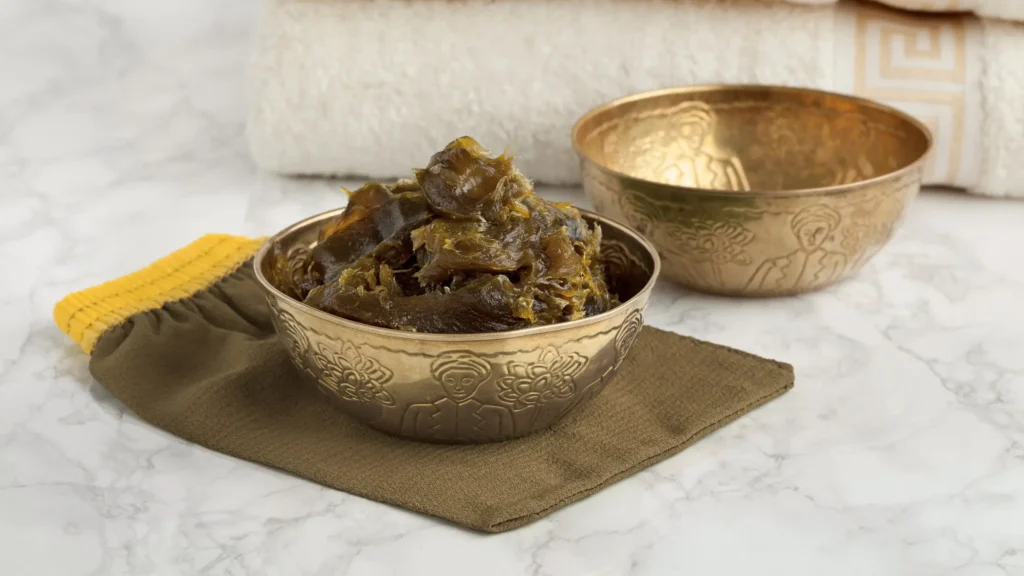
One reason Moroccan hammam benefits continue to attract so much interest is that the ritual answers a modern skincare frustration: many people want skin that feels deeply cleansed and visibly smoother without relying on harsh, overcomplicated routines. This is precisely why Moroccan hammam benefits for skin continue to resonate with modern skincare needs.
The hammam offers something simpler but more intentional:
- preparation
- exfoliation
- purification
- nourishment
That rhythm is part of what makes the experience memorable. The skin does not just feel washed. It feels renewed.
These Moroccan hammam benefits for skin are best maintained with a consistent and balanced routine.
FAQ: Moroccan Hammam Benefits for Skin
Is Moroccan hammam good for skin?
Yes, for many people it can improve skin smoothness, softness, and surface radiance by combining exfoliation with post-ritual hydration. But it should be done gently and not on broken or sunburned skin.
Does Moroccan hammam brighten skin?
It can make the skin look brighter by removing dull surface buildup and improving texture, but it does not bleach the skin.
What does a Moroccan hammam do for your skin?
It can make the skin look brighter by removing dull surface buildup and improving texture, but it does not bleach the skin.
Does Moroccan hammam help with dry skin?
It can help dry, rough-feeling skin when followed by immediate moisturizing, but very hot water and over-exfoliation can worsen dryness.
How long do Moroccan hammam results last?
The softer, smoother feel is often immediate, but how long it lasts depends on skin type, how aggressively the ritual was done, and whether you moisturize consistently afterward. Dermatology guidance emphasizes ongoing skin care and moisture support, not one-off fixes.
Is Moroccan hammam good for sensitive skin?
Sometimes, but it needs more caution. Sensitive skin may react badly to strong friction or heat, so a gentler version or less frequent routine is often better.
What happens in a Moroccan hammam?
A Moroccan hammam follows a structured sequence designed to cleanse, exfoliate, and nourish the skin. It typically begins with heat or steam to soften the skin, followed by Moroccan black soap, exfoliation with a kessa glove, and sometimes a clay treatment. The ritual ends with hydration, often using argan oil, to restore softness and comfort. This structured approach is what allows Moroccan hammam benefits for skin to be both immediate and long-lasting.
Do you wear clothes in a Moroccan hammam?
This depends on the setting.
In traditional public hammams, people often wear underwear or a wrap for comfort. In private settings or at home, the ritual can be done according to personal preference.
Is Moroccan bath good for hyperpigmentation?
A Moroccan hammam can help improve the appearance of hyperpigmentation over time by removing dead skin cells and supporting skin renewal. However, it does not directly treat pigmentation. Over time, consistent routines that include Moroccan hammam benefits for skin can contribute to a more even-looking complexion.
Is a hammam painful?
No, a properly performed hammam should not be painful.
You may feel a strong exfoliation sensation during the kessa glove step, but it should remain comfortable. If it feels harsh or irritating, the pressure is likely too strong.
What are the health benefits of a hammam?
Beyond skin benefits, a hammam can:
● promote relaxation
● support circulation through heat
● help relieve muscle tension
● encourage a sense of overall well-being
Many of these effects are closely connected to Moroccan hammam benefits for skin, especially when the ritual is performed regularly.
How to prepare for a hammam?
Preparation is simple but important:
● hydrate your body beforehand
● avoid applying heavy products before starting
● ensure you have all essentials ready (black soap, kessa glove, towel, moisturizer or oil)
● allow enough time to complete the ritual without rushing
A calm, prepared environment enhances the experience.
What are the steps involved in a traditional hammam experience?
A traditional hammam follows a precise sequence:
1. Heat or steam to soften the skin
2. Application of Moroccan black soap
3. Exfoliation using a kessa glove
4. Optional ghassoul clay cleansing
5. Thorough rinsing
6. Final hydration with oil or moisturizer
Each step builds on the previous one to deliver optimal results.
Final Thoughts: What a Moroccan Hammam Can Really Do for Your Skin
A Moroccan hammam can absolutely improve how the skin looks and feels.
When done properly, the benefits are clear:
- smoother texture
- softer skin
- less surface buildup
- a fresher, more radiant appearance
What makes the difference is not force. It is method.
The warmth softens the skin. The black soap prepares it. The kessa glove refines it. The final hydration restores balance. That is why the ritual feels so effective when each step is done with care.
When approached correctly, Moroccan hammam benefits for skin become both visible and long-lasting. Moroccan hammam benefits for skin Moroccan hammam benefits for skin
For anyone seeking skin that feels renewed rather than merely washed, the Moroccan hammam remains one of the most satisfying beauty rituals to return to.
Enjoyed this guide? Keep TASANO easier to find when you search for Moroccan beauty advice.
