

Moroccan Hammam Steps Explained: Traditional vs At Home
ByTASANO
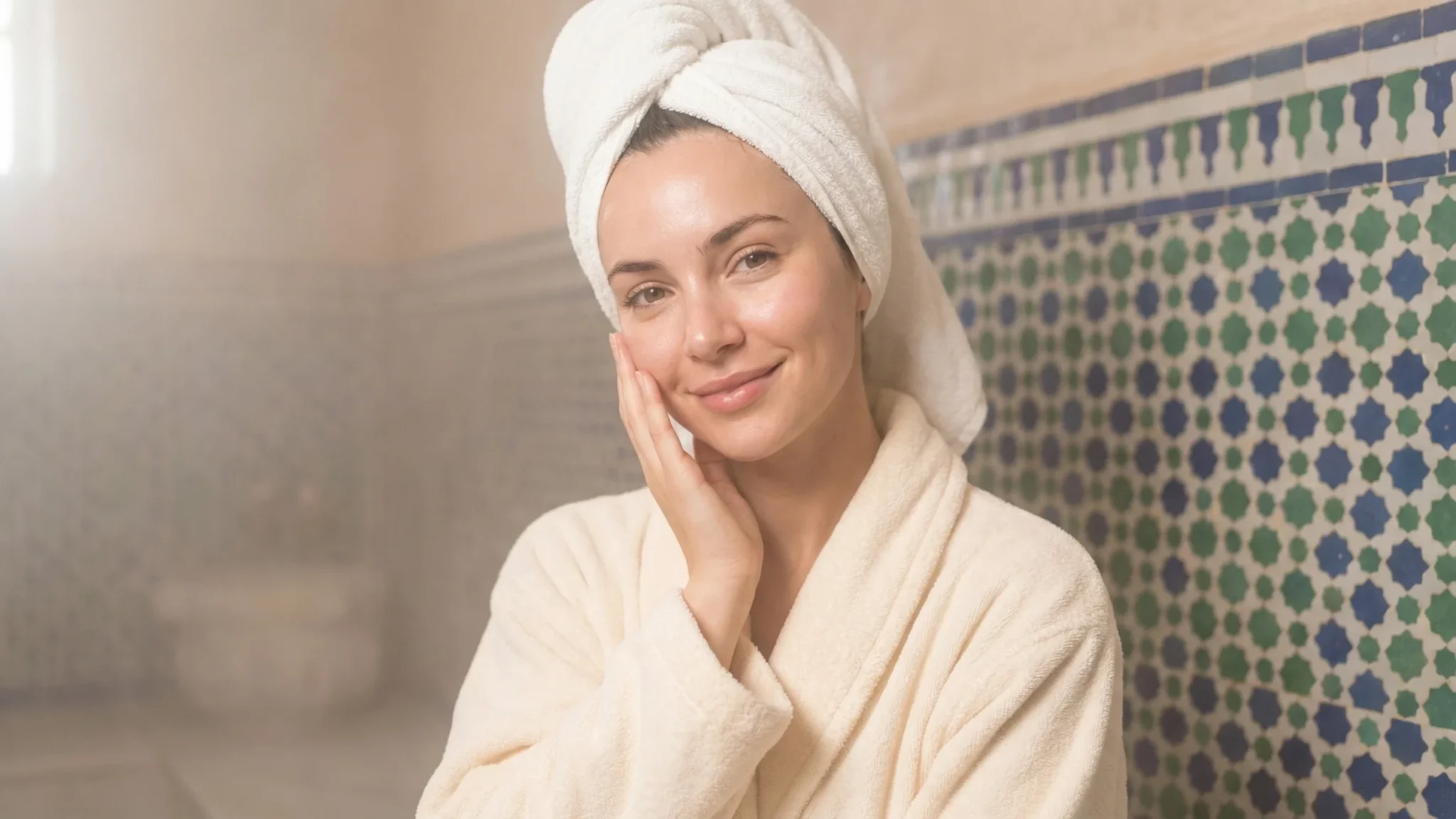
A Moroccan hammam follows a sequence, not a random collection of products.
That is what makes it effective.
In the traditional ritual, heat or steam comes first, followed by black soap, exfoliation with a kessa glove, and then cleansing and nourishing steps. Descriptions of Moroccan hammam practice consistently highlight this order, while dermatology guidance supports gentle exfoliation and moisturizing immediately afterward to protect the skin barrier.
Understanding Moroccan hammam steps is what turns this ritual from a simple wash into a complete skin care process.
A well-structured Moroccan hammam routine follows a precise order that prepares, exfoliates, and nourishes the skin for the best results. If you understand the order, you understand the ritual.
For the full ritual in one complete guide, read The Complete Moroccan Hammam Ritual at Home.
In this guide, you’ll learn the Moroccan hammam steps in their traditional form, how they compare with the at-home version, and how to recreate the experience in a way that feels both authentic and practical.
Table of Contents
What Is a Moroccan Hammam?
A Moroccan hammam is a traditional bathing ritual built around warmth, cleansing, exfoliation, and post-ritual nourishment. Historically, hammams are part of a broader bathhouse tradition across the Islamic world, and in Morocco they evolved into an important cultural and cleansing practice rather than a simple wash.
What makes the Moroccan hammam distinctive is not just the products used, but the order in which they are used. The process is designed to soften the skin first, exfoliate second, and nourish afterward.
These Moroccan hammam steps are what define the ritual and give it its structured, effective nature.
Why the Order of the Moroccan Hammam Steps Matters
Moroccan hammam steps must be followed in the correct order to deliver the intended results.
Steam or warmth helps soften the skin. Black soap prepares it for exfoliation. The kessa glove then removes loosened dead skin. After that, cleansing or purifying steps such as ghassoul clay may be added, followed by hydration to restore comfort and softness. This order aligns with both traditional descriptions of the hammam and modern dermatology advice that exfoliation should be done gently and followed by moisturizer.
Without the right order, the ritual loses much of its effect.
The Traditional Moroccan Hammam Steps
The traditional Moroccan hammam steps are designed to work in a specific order, ensuring the skin is properly prepared before exfoliation and nourished afterward.
Step 1: Heat and Steam
In a traditional hammam, the ritual begins with heat. The body is exposed to a warm, steamy environment so the skin softens and the pores feel more open. Traditional accounts of hammam practice describe a hot steam room or heated bathing environment as the first stage of the ritual.
This step prepares the skin for everything that follows.
Step 2: Moroccan Black Soap
Once the skin is warm, Moroccan black soap is applied. This olive-based soap is used not as a foaming cleanser, but as a softening step that helps loosen dead skin and buildup before exfoliation. Traditional hammam descriptions consistently include black soap before the scrubbing phase.
The ritual begins with Moroccan black soap, which softens the skin and prepares it for exfoliation. Discover Moroccan Black Soap Benefits & How to Use It for a complete guide to this essential step.
Step 3: Waiting Time
After black soap is applied, it is typically left on the skin briefly so it can do its job properly. This pause is part of what makes the next step more effective, because the skin has time to soften fully before exfoliation begins. This timing is reflected in traditional hammam practice descriptions and is consistent with the broader logic of staged cleansing before physical exfoliation.
Step 4: Exfoliation with a Kessa Glove
This is one of the most recognizable parts of the ritual. The kessa glove is used to remove dead skin and refine texture after the skin has been softened by heat and black soap. Dermatologists note that mechanical exfoliation can remove dead skin cells, but it should be done gently and not on irritated, broken, or sunburned skin.
For the exfoliation stage, proper technique makes all the difference. Follow How to Use a Kessa Glove Properly to achieve the best results while keeping the skin comfortable.
Step 5: Rinsing
At this stage, the Moroccan hammam steps begin to show their most visible effect on the skin.
After exfoliation, the skin is rinsed thoroughly. Traditional descriptions of the hammam often include a final wash or refreshing rinse after the exfoliation stage. This helps remove any loosened buildup and leaves the skin feeling clean and renewed.
Step 6: Optional Ghassoul Clay
In some routines, ghassoul clay is used after exfoliation as an additional cleansing and purifying step for the skin and hair. While not every hammam includes it in exactly the same way, it fits naturally after exfoliation and before final nourishment, especially in Moroccan beauty rituals centered on purification and balance. This is an inference based on the traditional sequence of cleansing, exfoliating, then refining care.
For a deeper purification step after exfoliation, explore Rhassoul Clay for Hair and Skin: Benefits & How to Use It to see how this traditional Moroccan clay fits into the ritual.
Step 7: Nourishment and Hydration
The ritual ends with comfort and softness. Modern skin-care guidance recommends moisturizing immediately after washing or exfoliating because it helps restore the oils lost during cleansing and supports the skin barrier. This is why oils and moisturizers feel especially effective at the end of the hammam.
To complete the ritual with lasting softness, discover how argan oil after shower for skin and hair helps nourish and restore both skin and hair after cleansing.
Moroccan Hammam Steps at Home
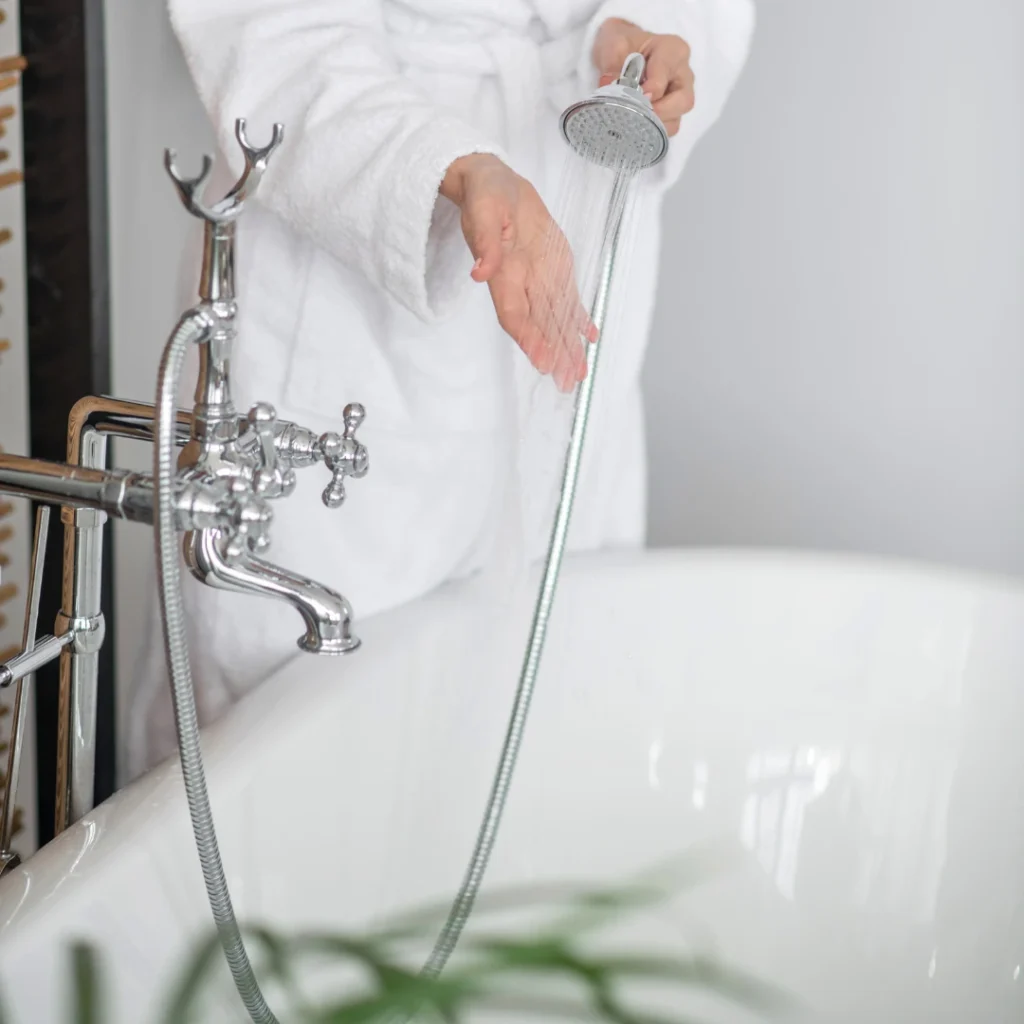
If you’re wondering how to do a Moroccan hammam at home, the key is to follow the same sequence used in traditional settings, adapted to your own space.
The at-home version follows the same logic, even if the environment is simpler.
A practical at-home sequence looks like this:
- warm shower or steam
- Moroccan black soap
- short waiting time
- kessa glove exfoliation
- rinse thoroughly
- optional ghassoul clay
- final hydration with oil or moisturizer
This version keeps the essential structure of the traditional ritual while adapting it to a home bathroom. The steam room may be replaced by a warm shower, but the core principle remains the same: soften first, exfoliate second, nourish last.
Traditional vs At Home: What’s the Difference?
The traditional Moroccan hammam offers a more immersive environment, especially because of the dedicated steam space and communal or spa setting. At home, the experience is more private and simplified, but the ritual can still be effective if the order is respected. Traditional accounts emphasize the hot steam room and ritualized cleansing sequence, while modern home care guidance supports gentle exfoliation and prompt moisturization afterward.
The main difference is not the principle. It is the setting.
Traditional hammam:
- deeper steam environment
- stronger cultural immersion
- often more ritualized pacing
At-home hammam:
- more practical
- easier to repeat consistently
- fully adaptable to personal comfort
Often referred to as Moroccan bath steps, this ritual follows the same core structure whether experienced in a traditional hammam or adapted at home. Both can deliver excellent results when done correctly.
What Happens in a Moroccan Hammam?
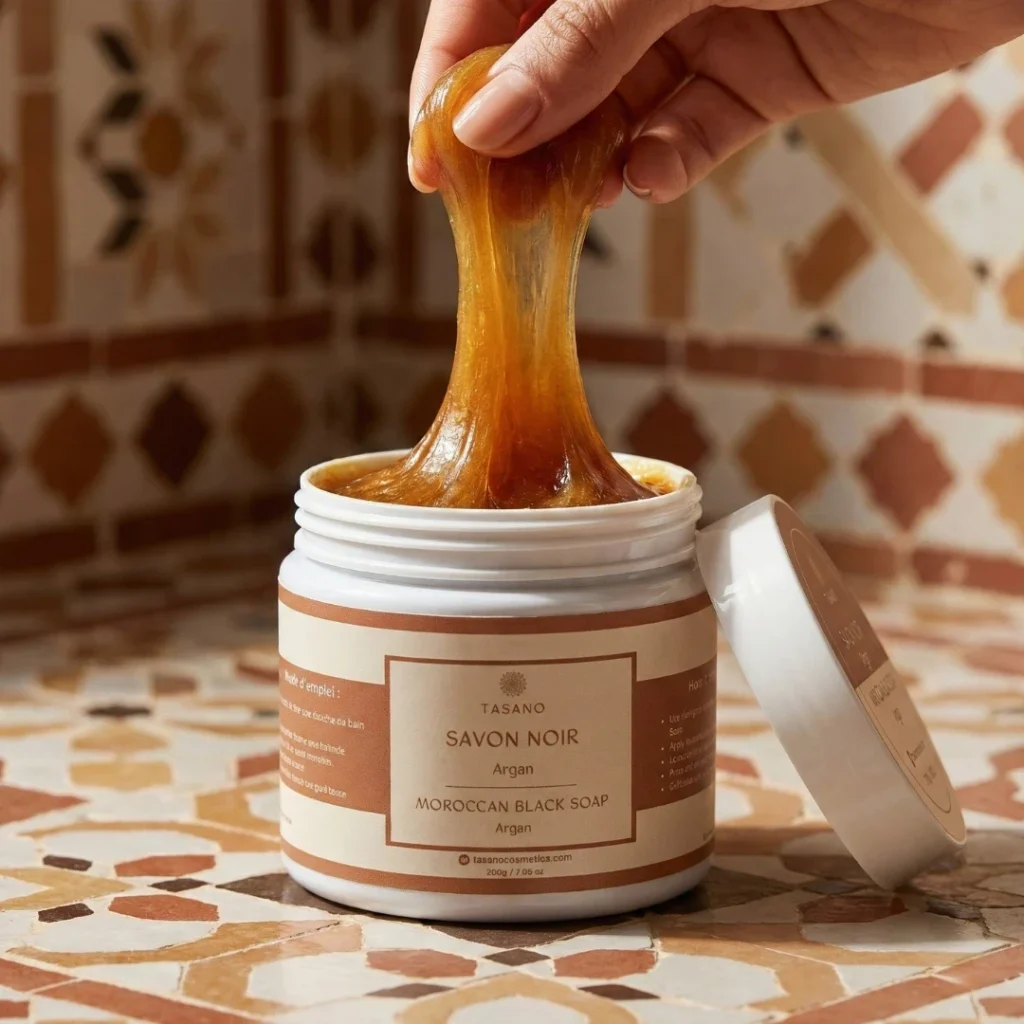
Many people wonder what happens in a Moroccan hammam, but the process is simply a structured sequence of heat, cleansing, exfoliation, and hydratio
A Moroccan hammam begins by warming the body so the skin softens. Black soap is then applied, followed by exfoliation with a kessa glove, rinsing, and finally hydration. Some versions also include clay or additional body care steps. This process is widely described as a combination of heat, cleansing, exfoliation, and finishing care, rather than a single washing step.
That structure is what gives the ritual its distinctive result.
How to Prepare for a Moroccan Hammam
Preparation matters because the ritual works best when it is not rushed.
Before starting:
- make sure the bathroom is warm
- have your black soap, kessa glove, towel, and moisturizer or oil ready
- avoid using the kessa glove on irritated, broken, or sunburned skin
- keep enough time for the full sequence
Dermatology guidance specifically advises against exfoliating compromised skin and recommends moisturizing immediately after cleansing or exfoliation.
Traditional Materials Used in a Moroccan Hammam
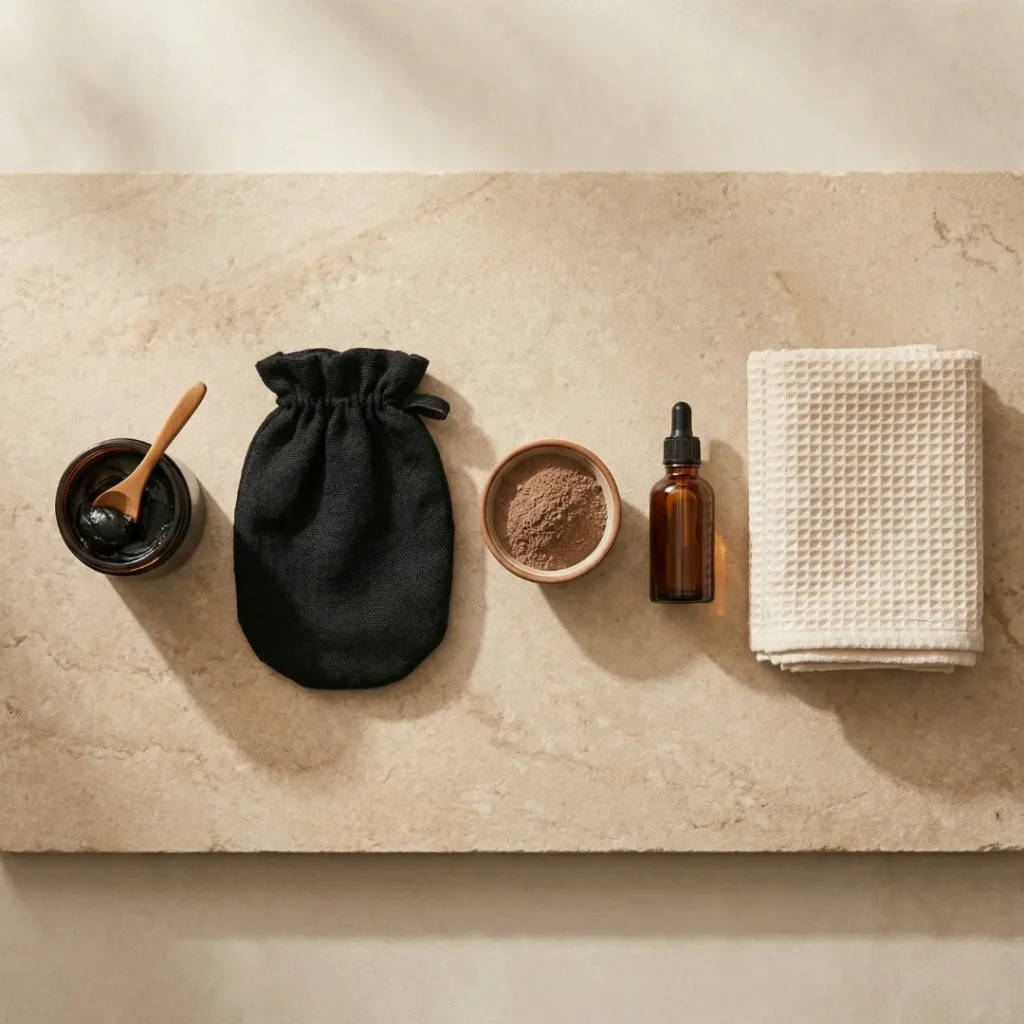
The ritual is built around a few key materials:
- Moroccan black soap for softening the skin before exfoliation
- Kessa glove for mechanical exfoliation
- Ghassoul clay for optional purification of skin and hair
- Argan oil or moisturizer for final nourishment
- Warm water or steam to prepare the skin
Each material has a specific role in the sequence. Together, they create a ritual centered on preparation, exfoliation, purification, and nourishment. This structure is consistent with traditional hammam descriptions and modern skin-care recommendations around exfoliation and moisturizing.
Recommended products
-
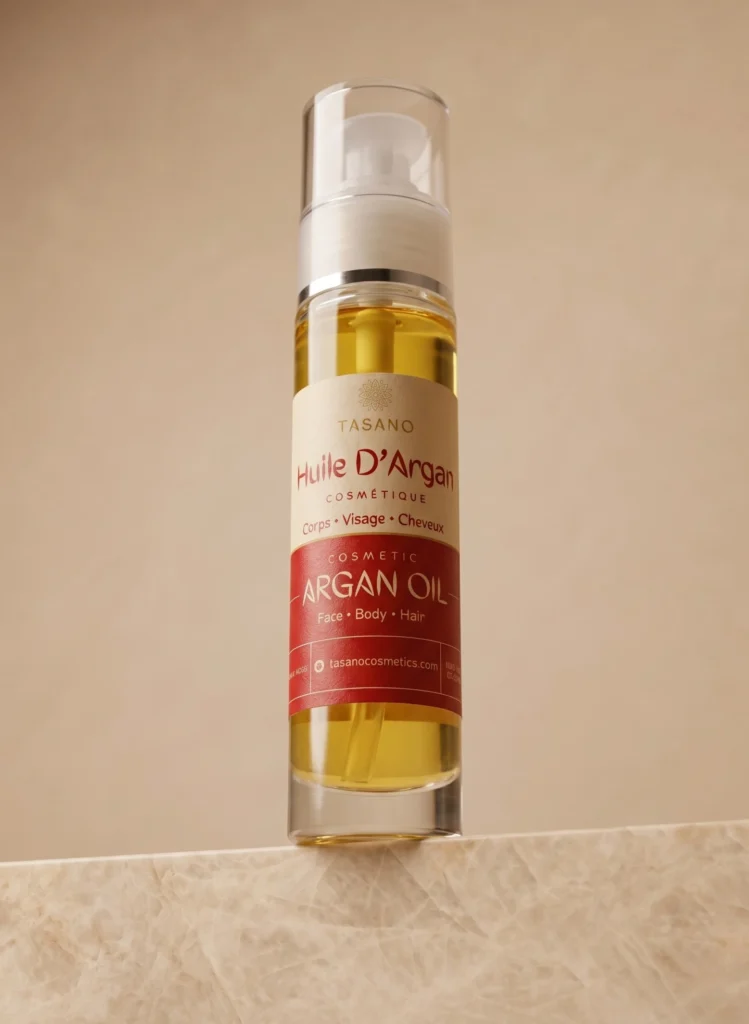
100% Pure Moroccan Argan Oil
Price range: $ 17.00 through $ 26.00 -
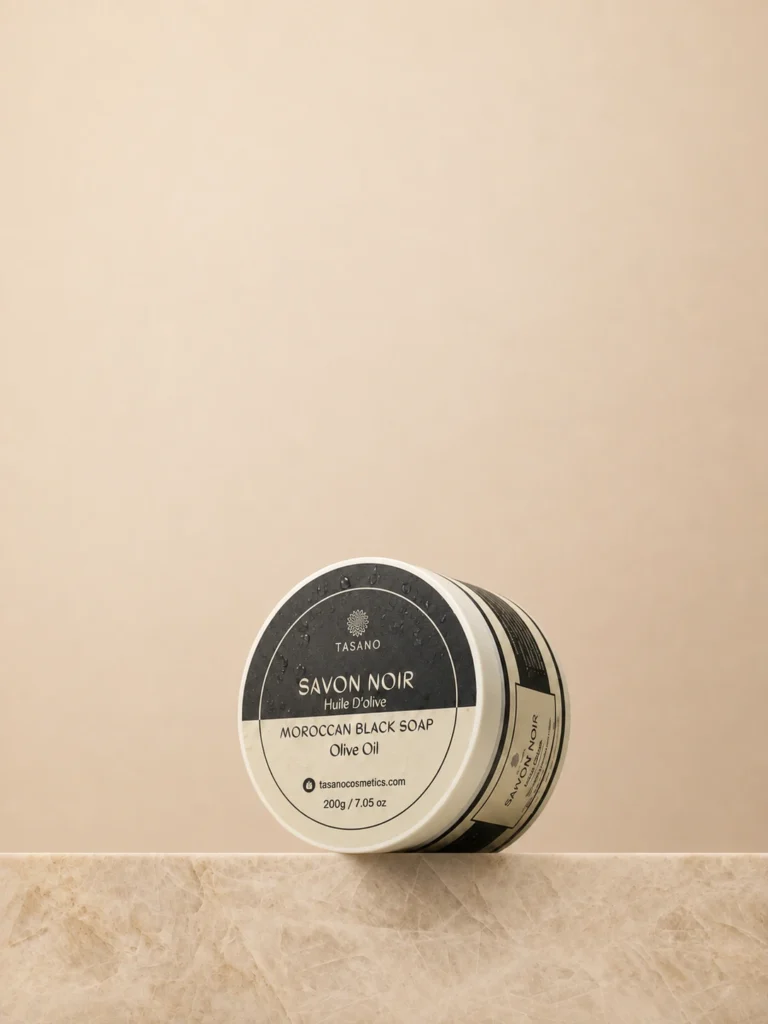
Moroccan Black Soap – Original Deep Exfoliating (Traditional Beldi Soap)
$ 6.00 -
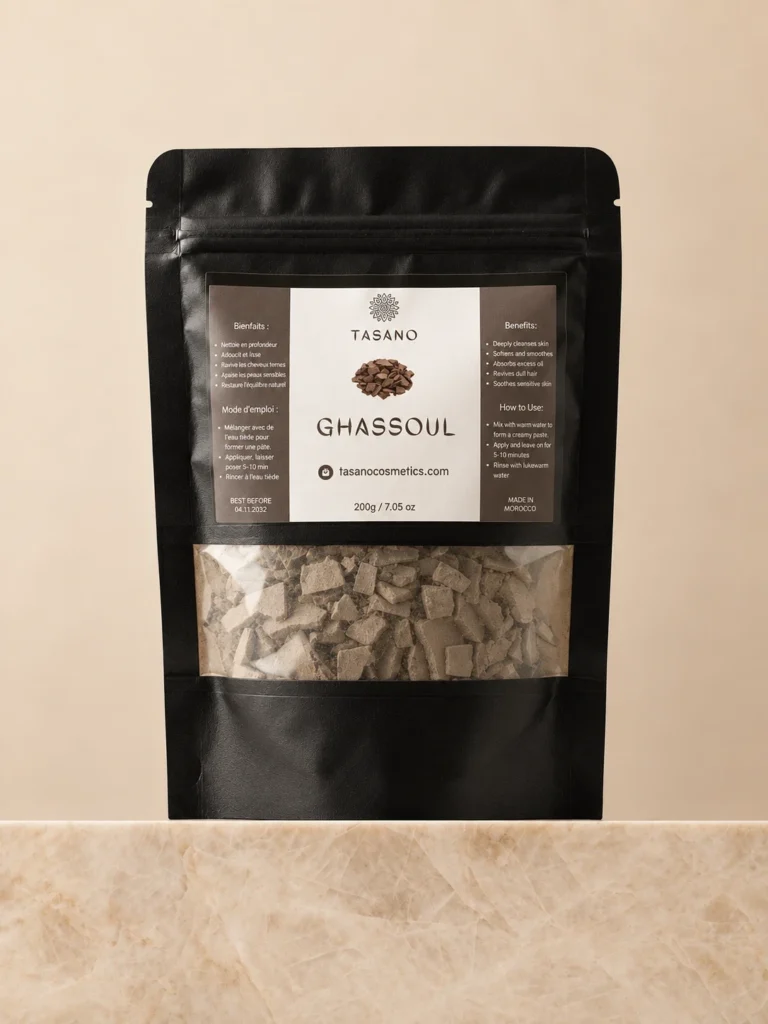
Moroccan Rhassoul (Ghassoul) – Purifying Hair & Skin Clay
Price range: $ 5.00 through $ 13.00 -
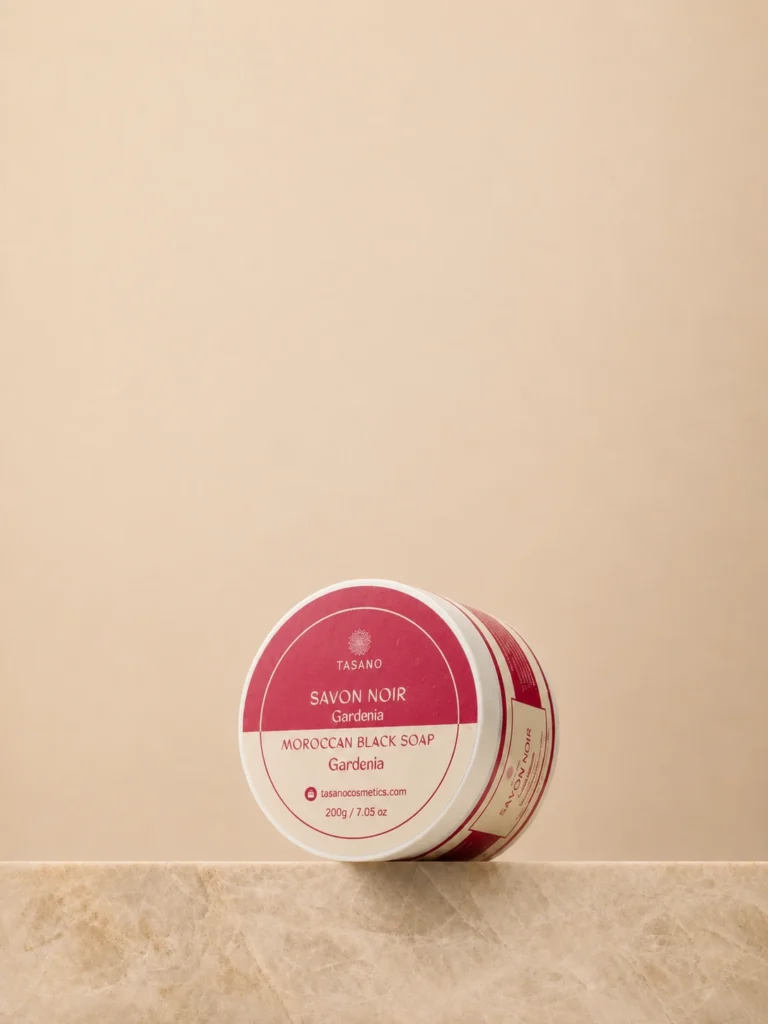
Moroccan Black Soap with Gardenia – Softening
$ 8.00
Expert Guidance: Exfoliation Should Feel Effective, Not Aggressive
Physical exfoliation can improve skin texture and help remove dead skin buildup, but it should be done gently. The American Academy of Dermatology advises using light pressure, choosing the method that suits your skin type, avoiding broken or sunburned skin, and moisturizing immediately afterward. Cleveland Clinic similarly recommends moisturizing after a bath or shower because cleansing can remove protective oils from the skin.
This is especially important when adapting the traditional hammam at home. The goal is refinement and softness, not irritation.
How These Steps Connect to the Full Ritual
Each step of the ritual supports the next.
Black soap prepares the skin. The kessa glove refines it. Ghassoul clay can deepen purification. Argan oil restores softness. Understanding the steps is what makes the full routine feel intentional rather than improvised.
Each stage of the ritual has a specific role. Moroccan black soap softens and prepares the skin for exfoliation, which is why it is best understood through Moroccan Black Soap Benefits & How to Use It. The exfoliation itself should then be done with the correct technique, as shown i How to Use a Kessa Glove Properly.
For those who want to add a clay purification step, our guide to Ghassoul Clay for Hair and Skin: Benefits & How to Use It explains exactly how it fits into the sequence. To finish the ritual properly, discover the benefits of argan oil after shower for skin and hair. And for the complete sequence from start to finish, follow The Complete Moroccan Hammam Ritual at Home.
FAQ: Moroccan Hammam Steps Explained
What are the steps involved in a traditional hammam experience?
A traditional Moroccan hammam generally includes heat or steam, Moroccan black soap, a short waiting period, exfoliation with a kessa glove, rinsing, and final nourishment. Some routines also include ghassoul clay as an additional step.
What happens in a Moroccan hammam?
The skin is first warmed, then softened with black soap, exfoliated with a kessa glove, rinsed, and finally nourished with oil or moisturizer.
Is a Moroccan hammam painful?
It should not be painful. The exfoliation step can feel intense, but dermatology guidance recommends gentle pressure, not harsh scrubbing. If the skin feels raw or irritated, the technique is too strong.
Do you wear clothes in a Moroccan hammam?
This depends on the setting. Public hammams, private spa hammams, and at-home rituals differ in practice, and comfort levels vary. In general, modesty customs depend on the location and context. Traditional travel accounts describe local variation rather than one universal rule.
How do you prepare for a hammam at home?
To follow an authentic Moroccan hammam routine, prepare by warming the bathroom, gathering the products in advance, allowing enough time for the sequence, and making sure your skin is not irritated, broken, or sunburned before exfoliating.
Is the at-home version still effective?
Yes. While the setting is simpler than a traditional hammam, the sequence still works well when the order is respected: warmth, black soap, exfoliation, rinsing, and hydration.
Final Thoughts: Understanding the Steps Changes the Entire Experience
A Moroccan hammam feels transformative because it follows a logic.
The skin is prepared before it is exfoliated. It is purified before it is nourished. Every step has a purpose, and every stage supports the next.
That is true in the traditional hammam, and it remains true at home. When consistently followed, Moroccan hammam steps create a routine that supports smoother, more refined skin over time.
Once you understand the sequence, the ritual becomes easier to follow and far more effective. Instead of treating it like a collection of products, you begin to experience it as a complete routine—one that leaves the skin softer, smoother, and more renewed.
Enjoyed this guide? Keep TASANO easier to find when you search for Moroccan beauty advice.
