


Rosemary Oil for Hair Growth: Does It Work & How to Use It
ByTASANO
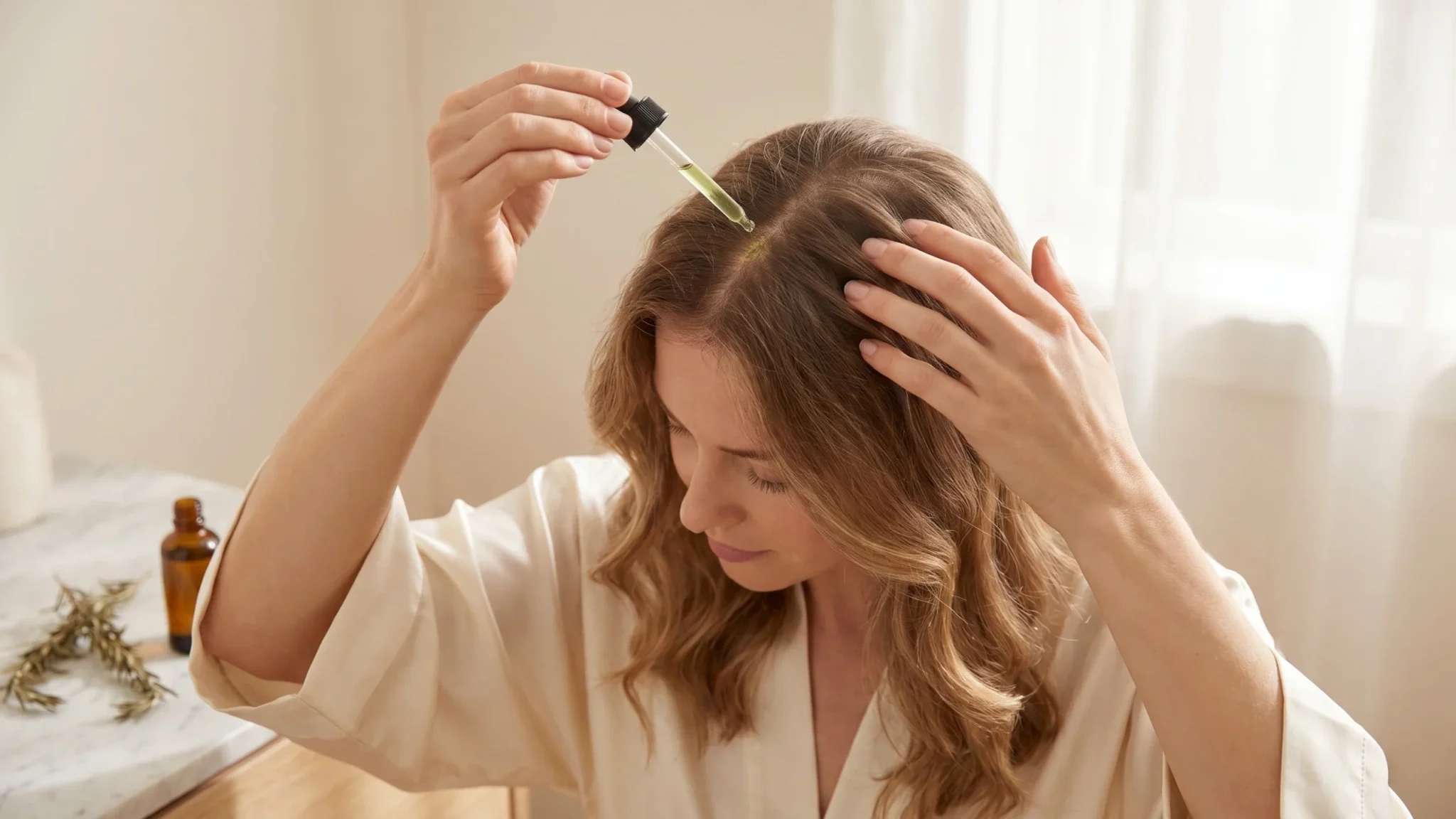
If your hair looks thinner, weaker, or slower to grow than it used to, rosemary oil is one of the most searched natural solutions for a reason. Used correctly, rosemary oil for hair growth can support a healthier scalp routine and help improve the look of fuller, stronger hair over time.
Rosemary oil has become one of the most talked-about hair growth oils in the world because it sits at the intersection of tradition and modern interest. It is widely used in scalp massage routines, thinning-hair routines, and growth-focused rituals designed to support stronger-looking, fuller-looking hair without turning the routine into something complicated.
If you want to know whether rosemary oil actually works, how to use it correctly, and what kind of results you can realistically expect, this guide covers the essentials.
For the complete Moroccan hair care system, read Moroccan Hair Care: The Complete Guide to Stronger, Healthier, Shinier Hair.
Table of Contents
What Is Rosemary Oil for Hair Growth?
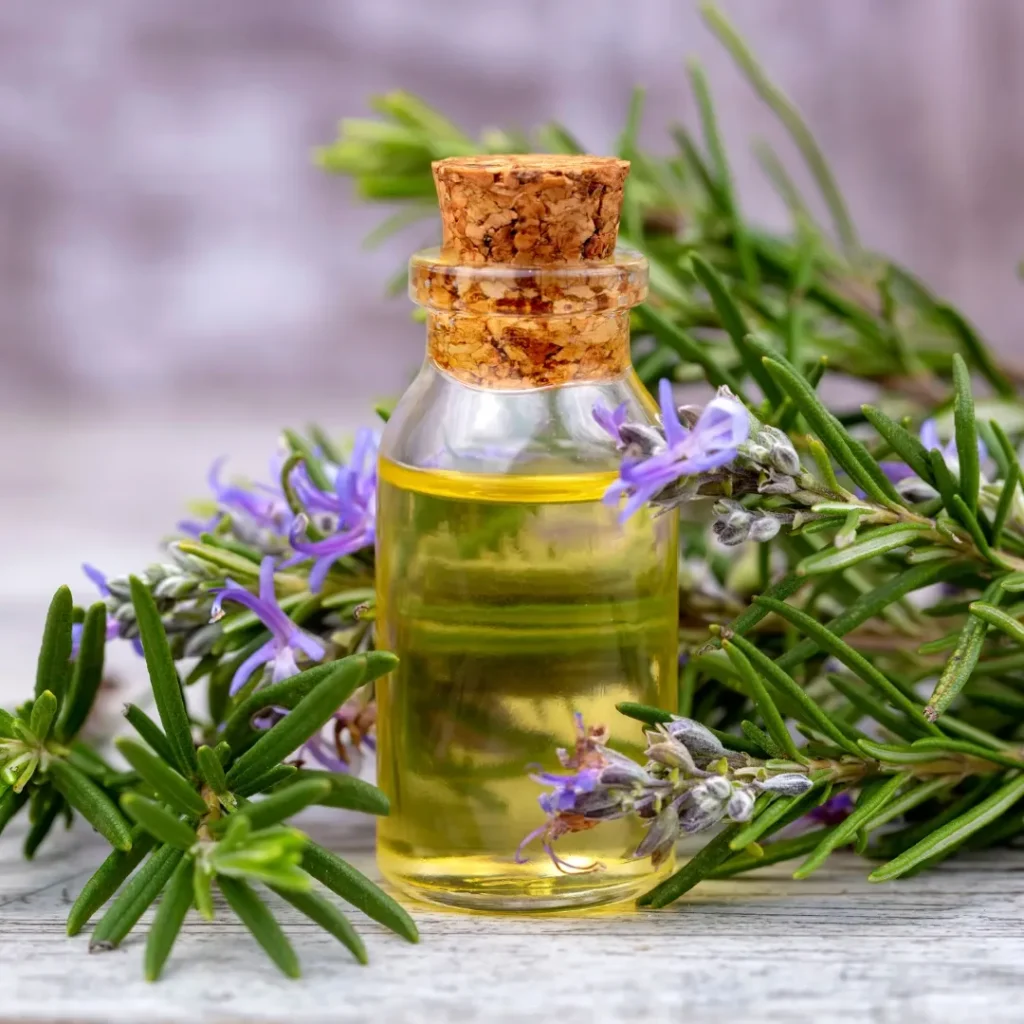
Rosemary oil is an essential oil extracted from the rosemary plant and used in scalp-focused hair routines designed to support fuller-looking, stronger-looking hair over time. Unlike cosmetic oils that are mainly used on the lengths for softness and shine, rosemary oil is most often applied to the scalp because that is where hair growth begins. Cleveland Clinic specifically notes that for hair growth, the focus is the scalp rather than simply coating the hair shaft.
That distinction matters. Rosemary oil is not usually treated as a finishing oil or styling oil. It is used as part of a routine aimed at supporting the scalp environment, especially for people concerned about thinning-looking hair, reduced density, or hair that no longer feels as full as it once did.
This is also why rosemary oil sits in a different category from argan oil. Argan oil is excellent for dryness, frizz, softness, and shine on the lengths and ends. Rosemary oil for hair growth is chosen when the priority is the scalp, density, and a more growth-focused routine.
For the argan oil growth question, read Does Argan Oil Help Hair Growth? Benefits, Limits and How to Use It.
Does Rosemary Oil for Hair Growth Work?
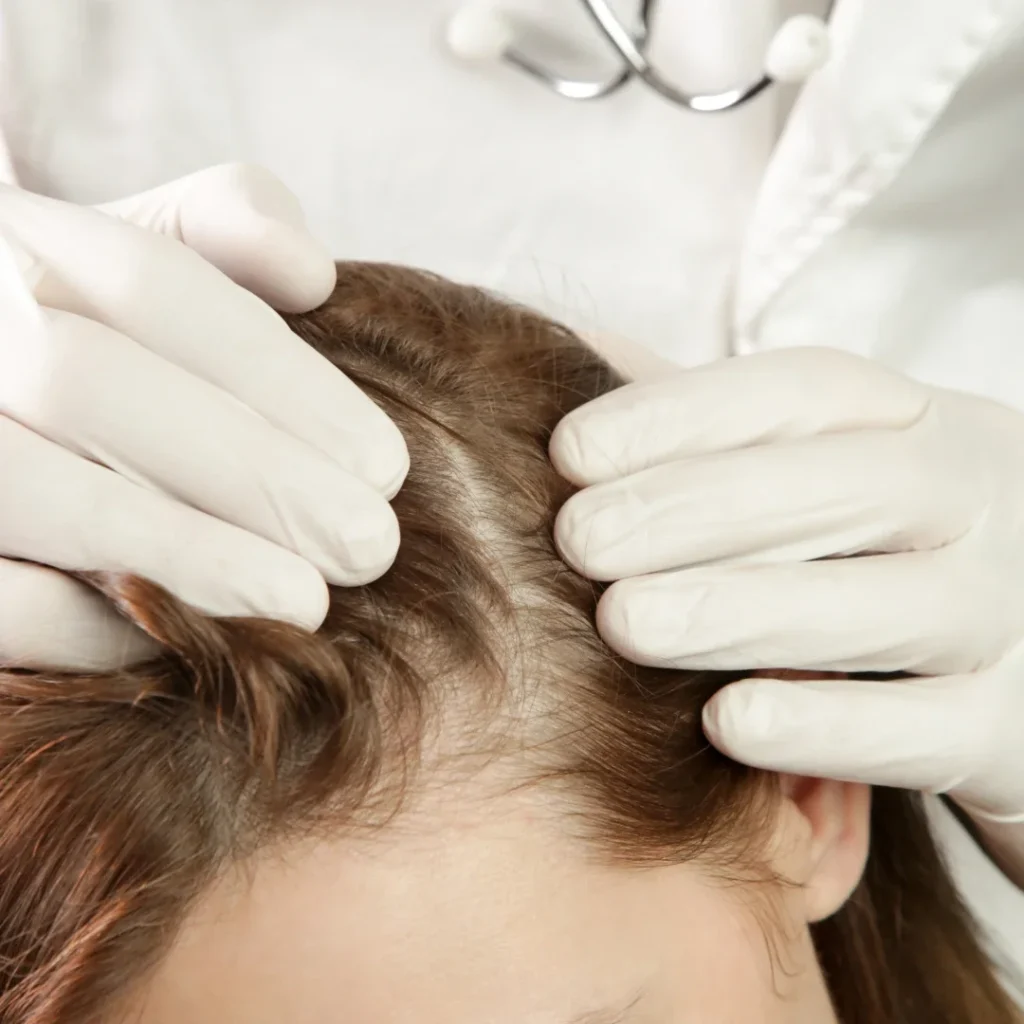
Rosemary oil for hair growth gets more serious attention than most natural oils because there is actual clinical discussion behind it. The most cited study is a 2015 randomized trial in people with androgenetic alopecia that compared rosemary oil with minoxidil 2% over six months and found similar improvement between the two groups, with less scalp itching reported in the rosemary group. More recent reviews continue to cite that study when discussing natural options for hair growth support.
That does not mean rosemary oil is a miracle cure. It means it is one of the few natural ingredients that belongs in a real hair-growth conversation instead of in the usual pile of vague internet folklore. Cleveland Clinic also notes that rosemary oil may help stimulate hair growth when used on the scalp and applied consistently.
The smarter way to frame it is this: rosemary oil for hair growth may be a useful supportive tool, especially for scalp-focused routines and thinning-related concerns, but it is not guaranteed to fix every kind of hair loss. If shedding is sudden, aggressive, or clearly worsening, the American Academy of Dermatology says earlier evaluation improves the chance of identifying the cause and treating it successfully.
7 Powerful Rosemary Oil for Hair Growth Benefits
1. It Targets the Scalp, Where Hair Growth Actually Starts
The main reason people use rosemary oil for hair growth is that it is applied to the scalp, not just the hair shaft. That matters because growth is a scalp issue first. Cleveland Clinic specifically notes that coating the hair itself is not the point; the goal is scalp application.
This makes rosemary oil different from shine oils like argan oil. Argan oil improves the feel and look of the lengths. Rosemary oil is used higher up, where people are trying to support density, roots, and the overall growth environment.
2. It Has Better Hair-Growth Credibility Than Most Natural Oils
Most natural oils get praised for everything and proven for nothing. Rosemary oil for hair growth stands out because it has an actual clinical comparison behind it: the 2015 trial that found rosemary oil performed similarly to 2% minoxidil over six months in androgenetic alopecia. Later reviews continue to reference that study when discussing natural options for hair loss.
That does not make it magical. It makes it far more credible than random DIY oils with no serious evidence behind them.
3. It Makes More Sense for Thinning Hair Than Generic “Hair Strength” Oils
People usually search rosemary oil for hair growth when they notice a real problem: a wider part, weaker edges, more visible scalp, less fullness, or slower regrowth. That is much stronger intent than someone casually looking for a softer finish.
Rosemary oil fits that concern better because it is tied specifically to scalp routines, density support, and hair-growth discussion. It is not just another oil that makes hair feel nicer for a few hours. It is one of the few natural ingredients people reach for when they want to act on thinning-looking hair before it gets worse.
4. It Works Best as a Repeatable Routine, Not a One-Time Treatment
A lot of hair products fail because people use them randomly and expect drama. Rosemary oil for hair growth is different. It only makes sense when it becomes part of a consistent scalp ritual.
That is actually one of its strengths. It gives structure to the routine: part the hair, apply a small amount to the scalp, massage it in, repeat over time. Cleveland Clinic’s guidance reflects that practical pattern by recommending only a few drops, scalp application, and consistent use.
That is how real growth-supportive routines work: repetition, not hype.
5. It Pairs Naturally With Scalp Massage
One reason rosemary oil for hair growth became so popular is that it fits perfectly into scalp massage routines. Massage helps distribute the oil across the scalp and turns application into a deliberate treatment rather than a rushed step.
That matters because a product that encourages hands-on, repeated scalp care is more likely to be used properly. And proper use matters here: rosemary oil is not a styling oil, it is a scalp step. Cleveland Clinic also recommends massaging it into the scalp rather than just dropping it on the hair.
6. It May Help Improve the Appearance of Hair Density Over Time
This is where honesty matters. Rosemary oil for hair growth is not about waking up with dramatic regrowth in ten days. The more realistic benefit is gradual visible improvement over time: hair that looks less sparse, a part that appears less exposed, roots that seem stronger, and overall hair that feels fuller than before.
That is exactly why the six-month timeline matters. The most-cited rosemary trial did not claim instant change. It measured outcomes over months. So the real value of rosemary oil is not speed. It is that it may reward patience with density-related improvement if the routine is followed consistently.
That is a far more useful promise than the usual fake overnight-growth nonsense.
7. It Gives Natural-Hair-Growth Seekers a More Serious Option
Many people want a natural entry point before moving to a more clinical-looking routine. That is exactly where rosemary oil for hair growth wins.
It feels more credible than internet folklore because it is tied to a specific purpose, a specific application method, and a specific role in the scalp-care conversation. Cleveland Clinic frames it as a potentially helpful scalp treatment when used properly, not as some magical trend product.
So for readers who want something more serious than a random “hair growth oil” but still natural-feeling, rosemary oil is one of the strongest candidates. Not because it fixes everything, but because it actually belongs in the conversation.
How to Use Rosemary Oil for Hair Growth
Rosemary oil works best when used correctly and consistently. The scalp is the target, not the lengths. This is not the kind of oil you pour all over the hair because more feels luxurious. Used badly, it can irritate the scalp and make the routine harder to maintain.
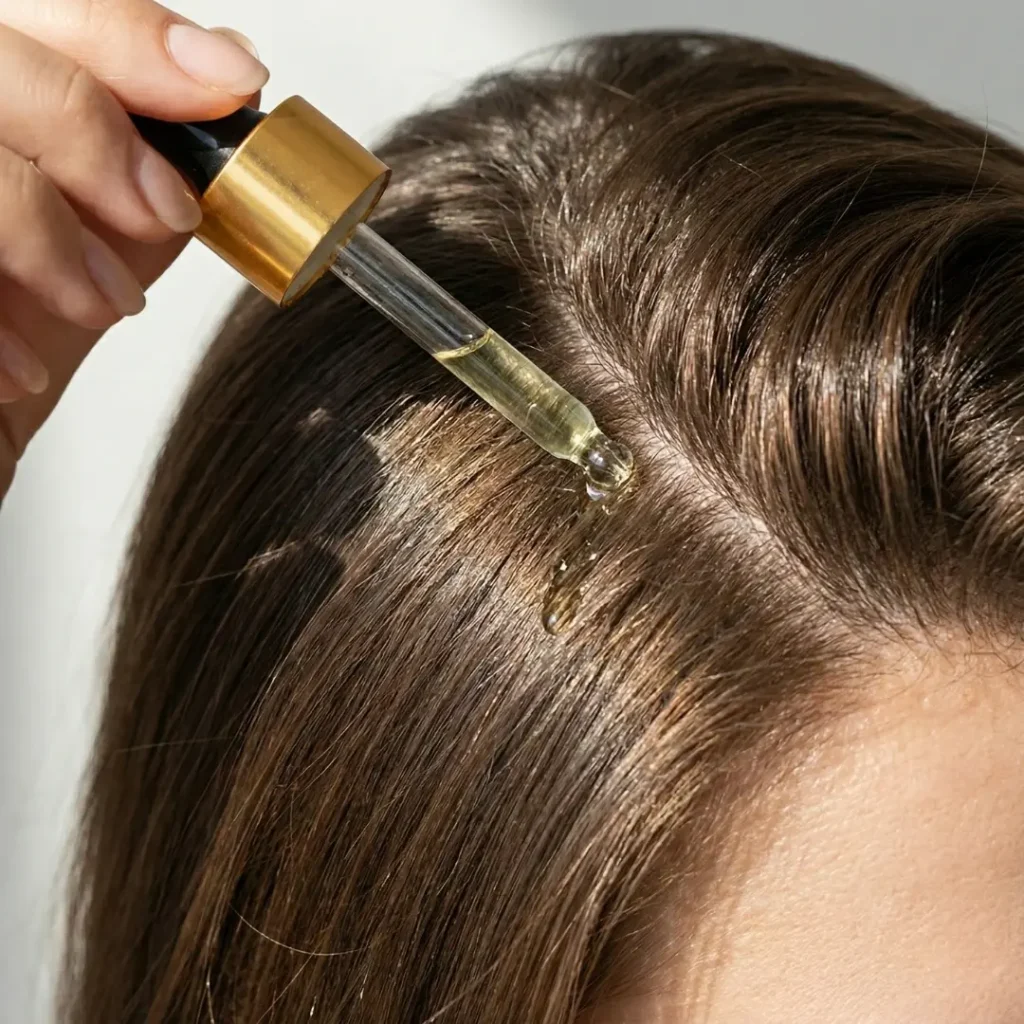
The most effective approach is to treat rosemary oil for hair growth as a focused scalp step. Part the hair, apply the oil where it is actually needed, and massage it in gently rather than scratching the scalp. If you are using pure rosemary essential oil, Cleveland Clinic recommends diluting it with a carrier oil rather than applying it straight, since essential oils can irritate the skin.
Many people also prefer ready-made scalp serums or blends that already combine rosemary oil with a carrier base. That can make the routine simpler and more sustainable.
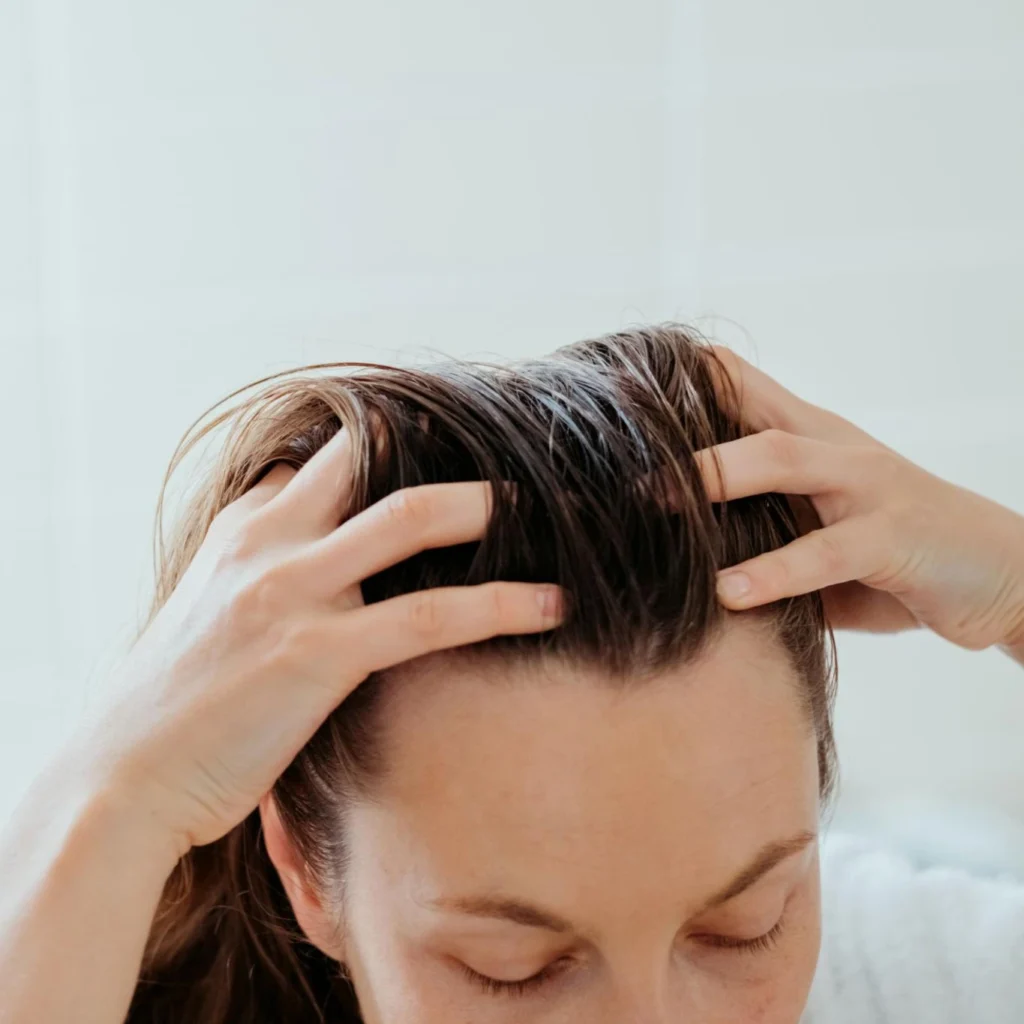
- Rosemary oil scalp treatment
Part the hair into sections. Apply a small amount of diluted rosemary oil directly to the scalp, then massage gently for several minutes. Leave it on for a few hours or overnight if tolerated, then wash as needed. Cleveland Clinic notes that some people use a couple of drops daily and leave it on the scalp for at least a few hours.
- Rosemary oil with a carrier oil
If you are using pure rosemary essential oil, dilute it before use. This reduces irritation risk and makes the oil easier to distribute. Carrier oils often used for this include jojoba, coconut, or similar neutral bases.
- Rosemary oil in shampoo or scalp serum
Some people prefer rosemary oil in a scalp serum, tonic, or shamp
To build a full weekly plan, read Moroccan Hair Care Routine: Daily & Weekly Routine for Stronger, Shinier Hair.
How Often Should You Use Rosemary Oil for Hair Growth?
A few times per week is a practical starting point for many people. Some use it more often, but the better rule is consistency without irritation. Cleveland Clinic describes small, regular use rather than heavy application. If your scalp becomes itchy, red, or uncomfortable, reduce frequency or stop and reassess the product format.
For a more complete scalp routine, read Argan Oil for Scalp: Dry Scalp, Dandruff & Scalp Care Benefits.
How Long Does Rosemary Oil Take to Work for Hair Growth?
This is not a fast-result ingredient. The most cited rosemary oil study measured outcomes at six months, not in a week or two. That means rosemary oil for hair growth belongs in the category of patience-driven care, not instant gratification.
Some people may notice early changes in how their scalp feels or how structured their routine becomes. But when the goal is visible density or fuller-looking hair, the realistic timeline is much longer.
Rosemary Oil for Hair Growth: What Results Can You Expect?
The right expectation is gradual improvement, not magic.
When rosemary oil for hair growth is used consistently as part of a proper scalp routine, the most realistic payoff is that hair may begin to look stronger, healthier, and fuller over time. For some people, the hairline may appear less stressed. For others, the parting may look less exposed or the overall hair mass may start to feel denser.
What rosemary oil does not promise is instant regrowth, guaranteed reversal of advanced thinning, or dramatic results without patience. That is fantasy thinking. The better way to understand rosemary oil is as a long-term support tool that may help create better conditions for a growth-focused routine.
Who Should Try Rosemary Oil for Hair Growth?
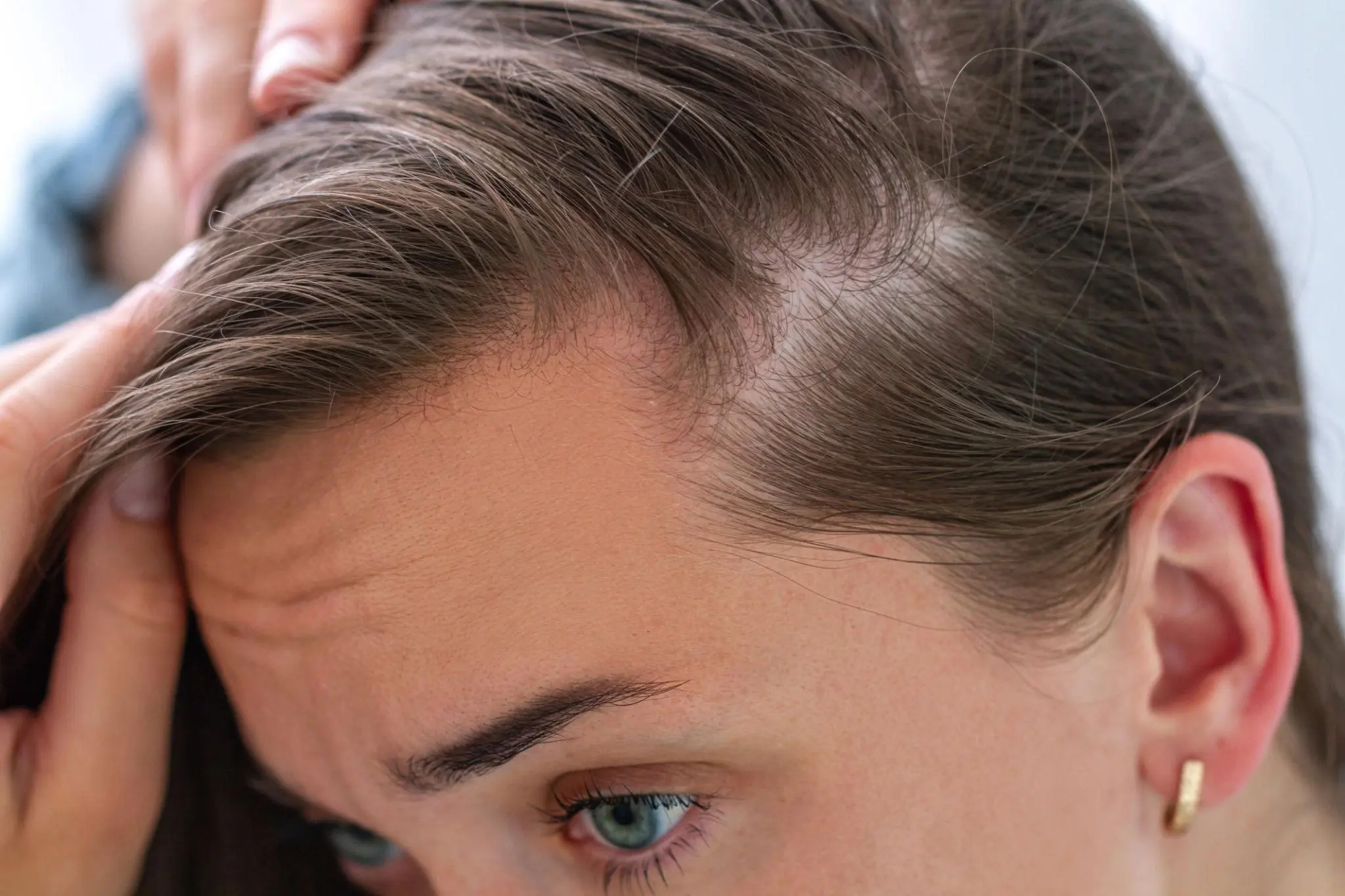
osemary oil may be a strong fit for people who want:
- People noticing early signs of thinning hair (wider part, less volume, weaker hairline)
- Those who feel their hair looks less dense or less full than before
- Anyone looking to build a scalp-focused routine instead of only treating the lengths
- People who prefer a natural, ingredient-led approach before moving to medical treatments
- Users willing to follow a consistent, long-term routine rather than expecting quick results
- Those who want to add a targeted growth step without overcomplicating their routine
- People already using oils like argan oil on the lengths and wanting to separate scalp care from hair fiber care
- Anyone looking for a simple, repeatable ritual centered on scalp massage and consistency
It may be less suitable for people with very sensitive scalps unless used carefully and diluted properly.
If you want another growth-supportive oil to compare, explore Castor Oil for Hair: Benefits, Growth & How to Use It Properly.
Common Rosemary Oil Mistakes to Avoid
- Using too much
This is one of the fastest ways to ruin the routine. Too much rosemary oil can overload the scalp, make the hair greasy, and turn a useful treatment into something irritating. Cleveland Clinic recommends only a few drops rather than heavy use.
- Applying it without dilution
If you are using pure rosemary essential oil, putting it straight on the scalp without dilution is reckless. Essential oils are concentrated, and irritation is not a sign it is working. It is a sign you used it badly. Cleveland Clinic specifically advises mixing rosemary oil with a carrier oil or fragrance-free hair products.
- Expecting overnight regrowth
People start strong, use rosemary oil for a week, stare at their hairline, see no miracle, then quit. That is not a product failure. That is impatience. Rosemary oil for hair growth makes more sense when judged over months, not days.
- Ignoring underlying causes of hair loss
Not every hair problem is solved with an oil. Hormones, stress, nutrient issues, genetics, and medical conditions can all affect shedding and growth. The American Academy of Dermatology says seeing a dermatologist sooner can improve outcomes because identifying the cause early matters.
Rosemary Oil vs Argan Oil for Hair
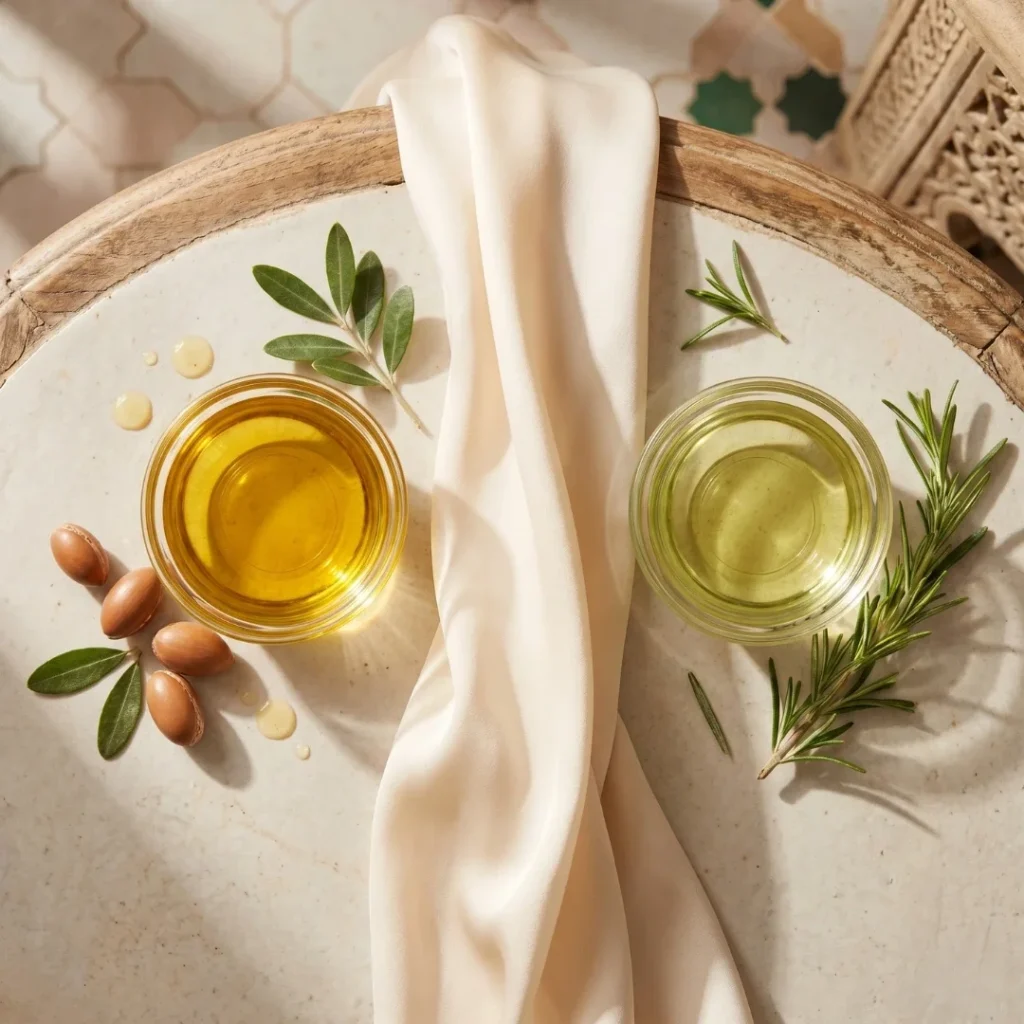
Rosemary oil and argan oil are both useful, but they do different jobs. Treating them like substitutes is a mistake.
Rosemary oil is for the scalp. It is chosen when the priority is density, growth support, and a more targeted root-focused routine. Argan oil is for the hair fiber. It is chosen when the priority is softness, shine, smoother texture, frizz control, and healthier-looking lengths and ends.
That difference is exactly why they work so well together. Rosemary oil supports the scalp-focused side of the routine. Argan oil improves the visible beauty of the rest of the hair.
If your lengths and ends need softness, shine, and frizz control, read our full guide to Argan Oil for Dry Hair: How to Use It for Frizz, Shine & Softness.
Rosemary Oil for Hair Growth Backed by Research and Scalp Science
Interest in rosemary oil for hair growth is not based on hype alone. The 2015 clinical trial most often cited in this space found rosemary oil and minoxidil 2% produced similar improvement over six months in androgenetic alopecia, while scalp itching was reported more often with minoxidil.
More recent reviews on PubMed Central continue to reference rosemary oil as one of the better-studied natural options for density-focused routines. Practical guidance from Cleveland Clinic also reinforces that rosemary oil works best when applied to the scalp, diluted when necessary, and used consistently rather than excessively.
And when hair loss is significant, progressive, or sudden, guidance from the American Academy of Dermatology evaluation improves the chance of finding the real cause and treating it effectively.
TASANO Rosemary Hair Oil for Density-Focused Routines
When choosing rosemary oil for hair growth, the quality of the formula matters just as much as the ingredient itself. A well-designed rosemary hair oil should feel purposeful, not like a random scented blend dressed up with trend language.
TASANO’s Rosemary Hair Oil – Density & Strengthening is designed for readers who want a scalp-focused ritual that feels serious, consistent, and easy to maintain. It fits naturally into routines built around scalp massage, density support, and stronger-looking hair over time.
For a more complete ritual, pair a rosemary scalp routine with a pure argan oil on the lengths and ends. That way, the scalp gets the growth-focused care, while the hair itself gets the softness, shine, and frizz control it still needs.
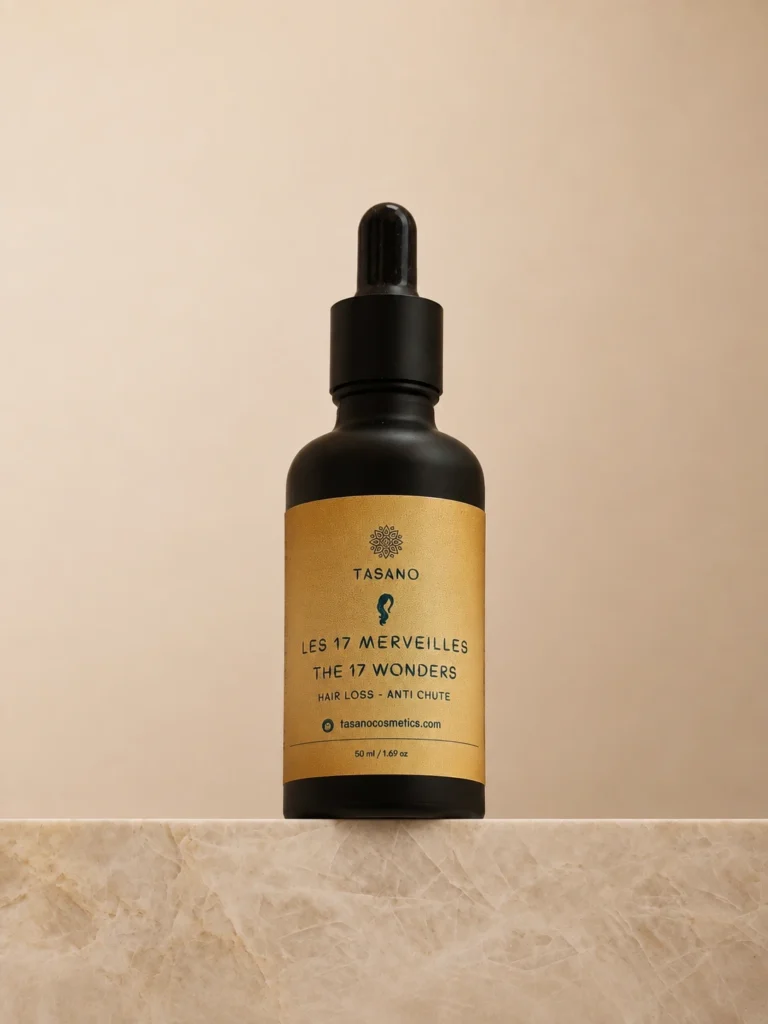
Rosemary Hair Oil – Density & Strengthening
Stronger hair. Less breakage. Healthier-looking density.
TASANO Rosemary Hair Oil nourishes the scalp and conditions weak, dry strands to help hair feel stronger, softer and more resilient.
- Helps reduce breakage and hair loss
- Nourishes scalp and dry hair
- Improves softness and shine
For all hair types.
FAQ
Does rosemary oil really help hair growth?
It may help support hair growth over time, especially as part of a consistent scalp routine. The most cited clinical comparison found rosemary oil performed similarly to minoxidil 2% over six months in androgenetic alopecia.
How do you use rosemary oil for hair growth?
Apply a small amount of diluted rosemary oil to the scalp, massage gently, and use it consistently. Cleveland Clinic recommends focusing on the scalp and mixing it with a carrier oil if needed.
Can I apply rosemary oil directly to my scalp?
If it is pure essential oil, dilution is the safer approach. Applying undiluted essential oil can irritate the scalp.
How often should I use rosemary oil on my scalp?
A few times per week is a practical starting point. The key is consistency without causing irritation.
How long does rosemary oil take to show results?
Rosemary oil is a slow-results ingredient. The most cited study looked at outcomes after six months.
Is rosemary oil better than minoxidil?
Not necessarily. One often-cited trial found similar performance to minoxidil 2% over six months, but that does not make rosemary oil a replacement for medical treatment in all cases.
What is the best oil to pair with rosemary oil?
Argan oil is an excellent pairing because rosemary oil supports the scalp, while argan oil helps the lengths and ends feel softer, smoother, and less frizzy.
Final Thoughts
Rosemary oil for hair growth deserves attention because it offers something most natural hair trends do not: credible long-term interest backed by a real scalp-focused use case and supportive clinical discussion.
Used consistently, safely, and with realistic expectations, it can be one of the most effective natural additions to a growth-supportive hair routine. And when paired with better scalp habits and less breakage along the lengths, it becomes even more valuable.
Recommended products
-
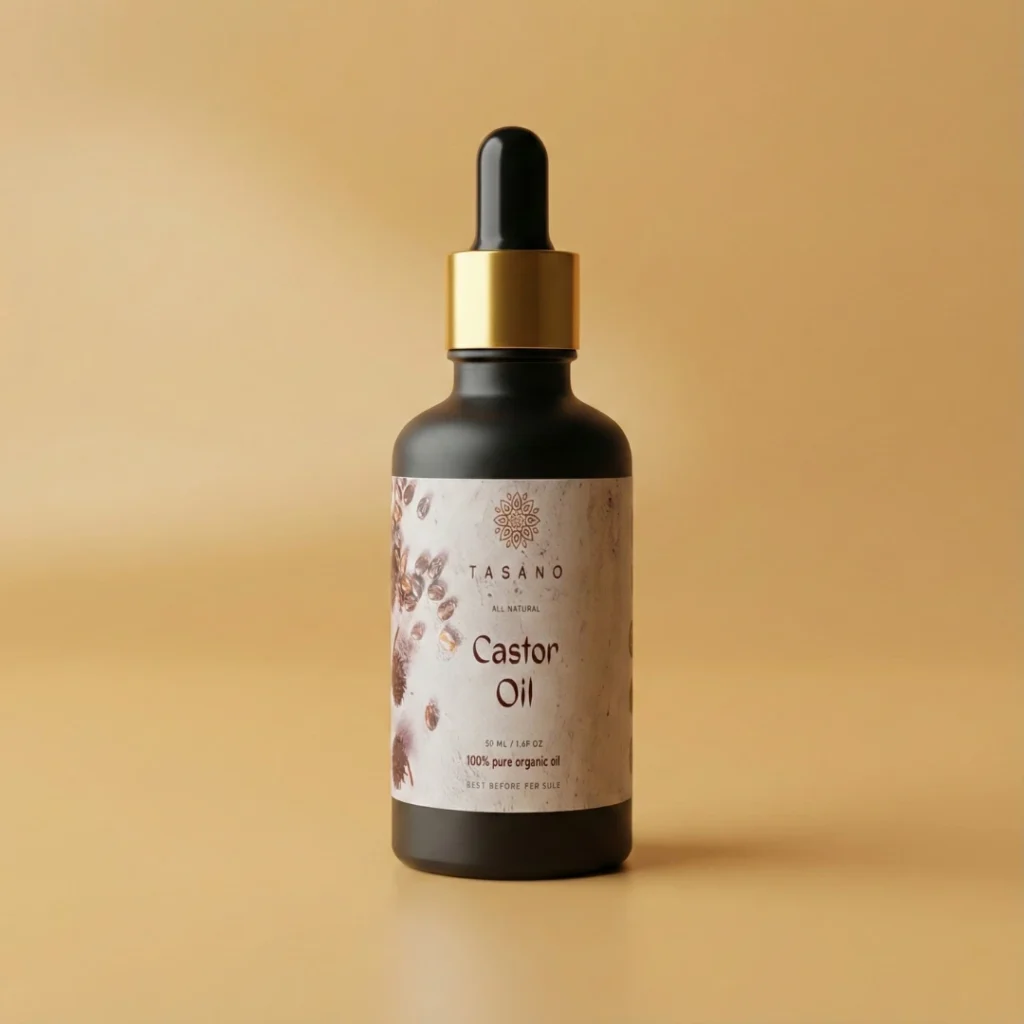
100% Pure Castor Oil – Hair & Lash Strengthening
$9.00 -
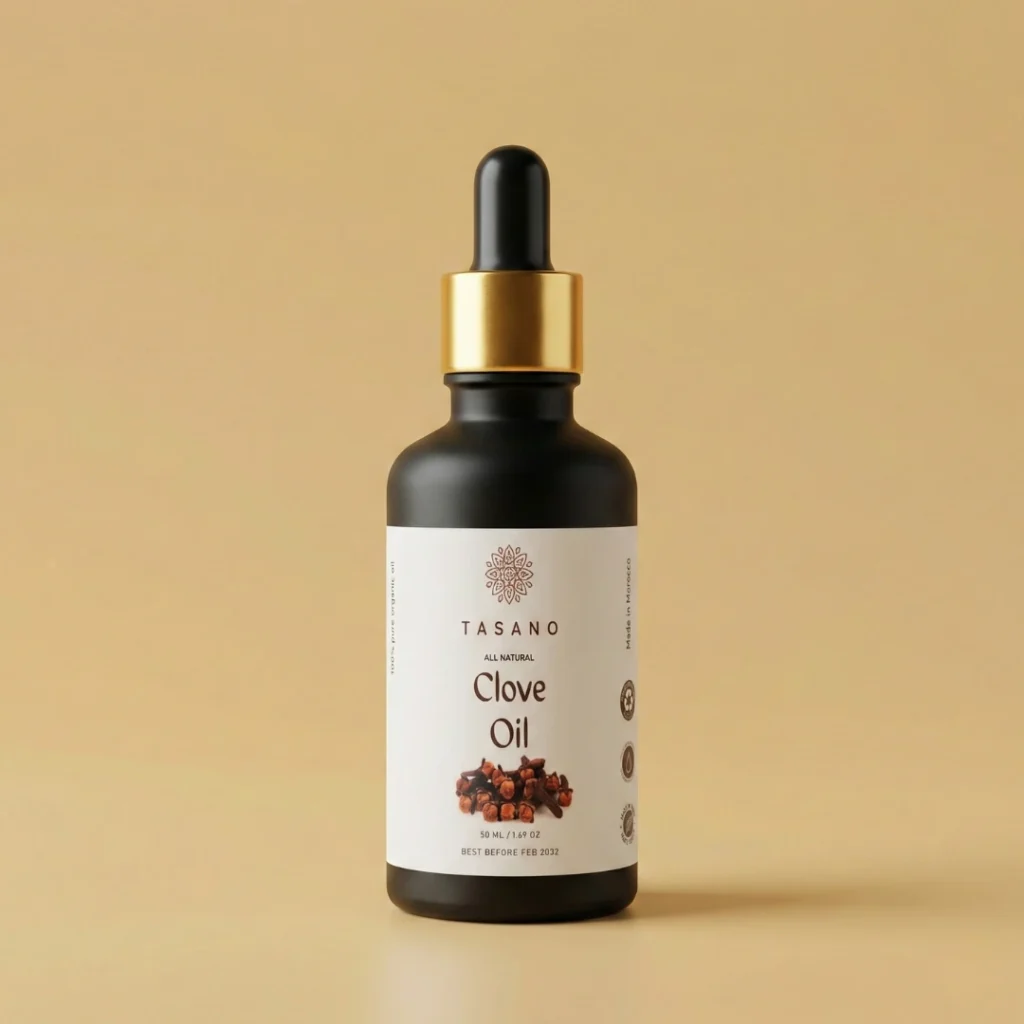
100% Pure Clove Oil – Hair & Scalp Care
$8.00 -
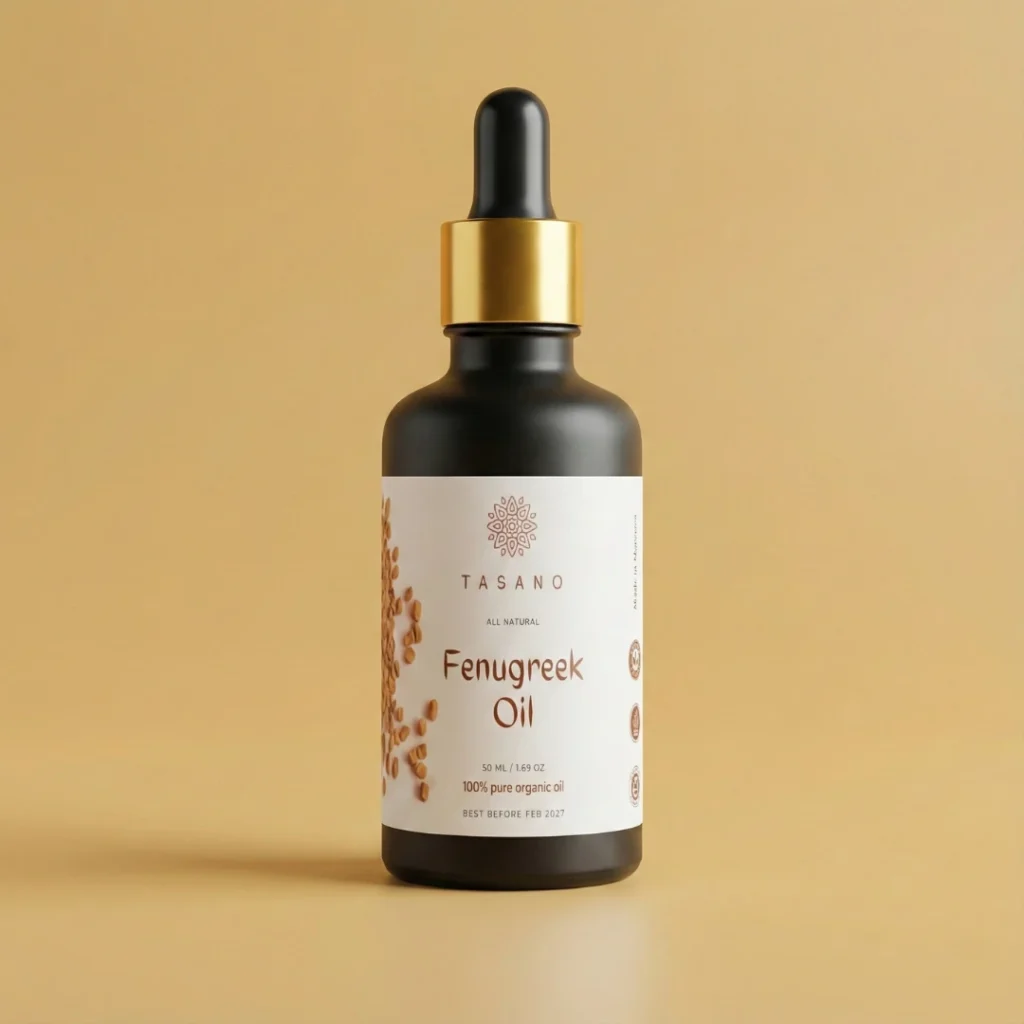
100% Pure Fenugreek Oil – Natural Fortifier for Hair & Body
$8.00 -
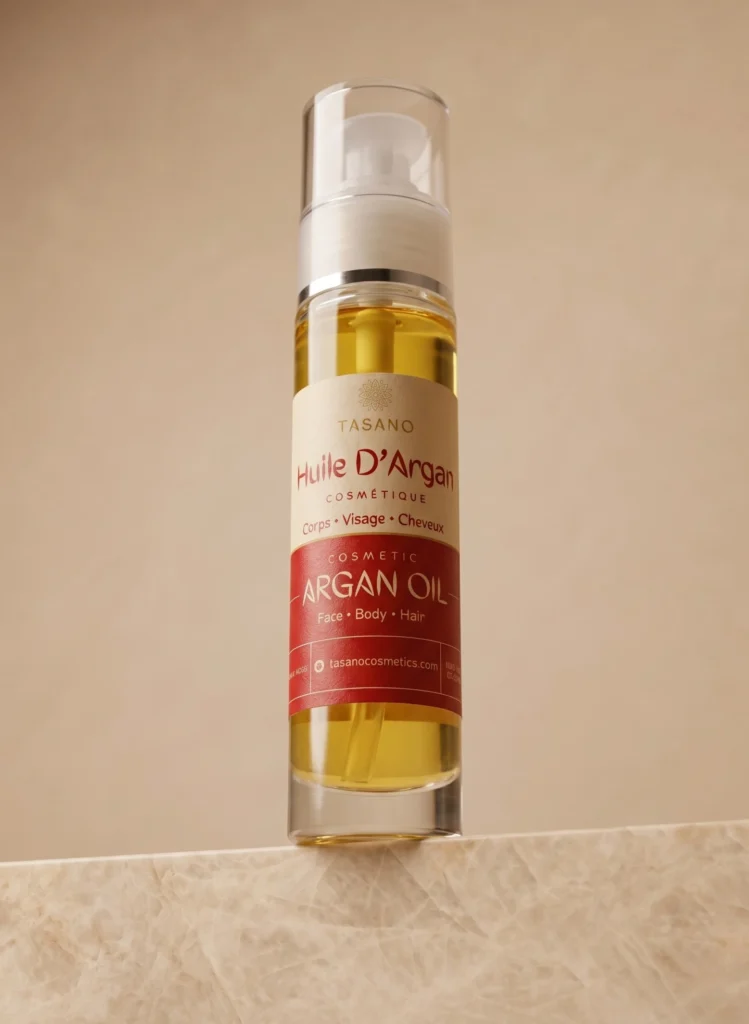
100% Pure Moroccan Argan Oil
Price range: $17.00 through $26.00
