


Moroccan Hair Care Routine: Daily & Weekly Routine for Stronger, Healthier, Frizz-Free Hair
ByTASANO
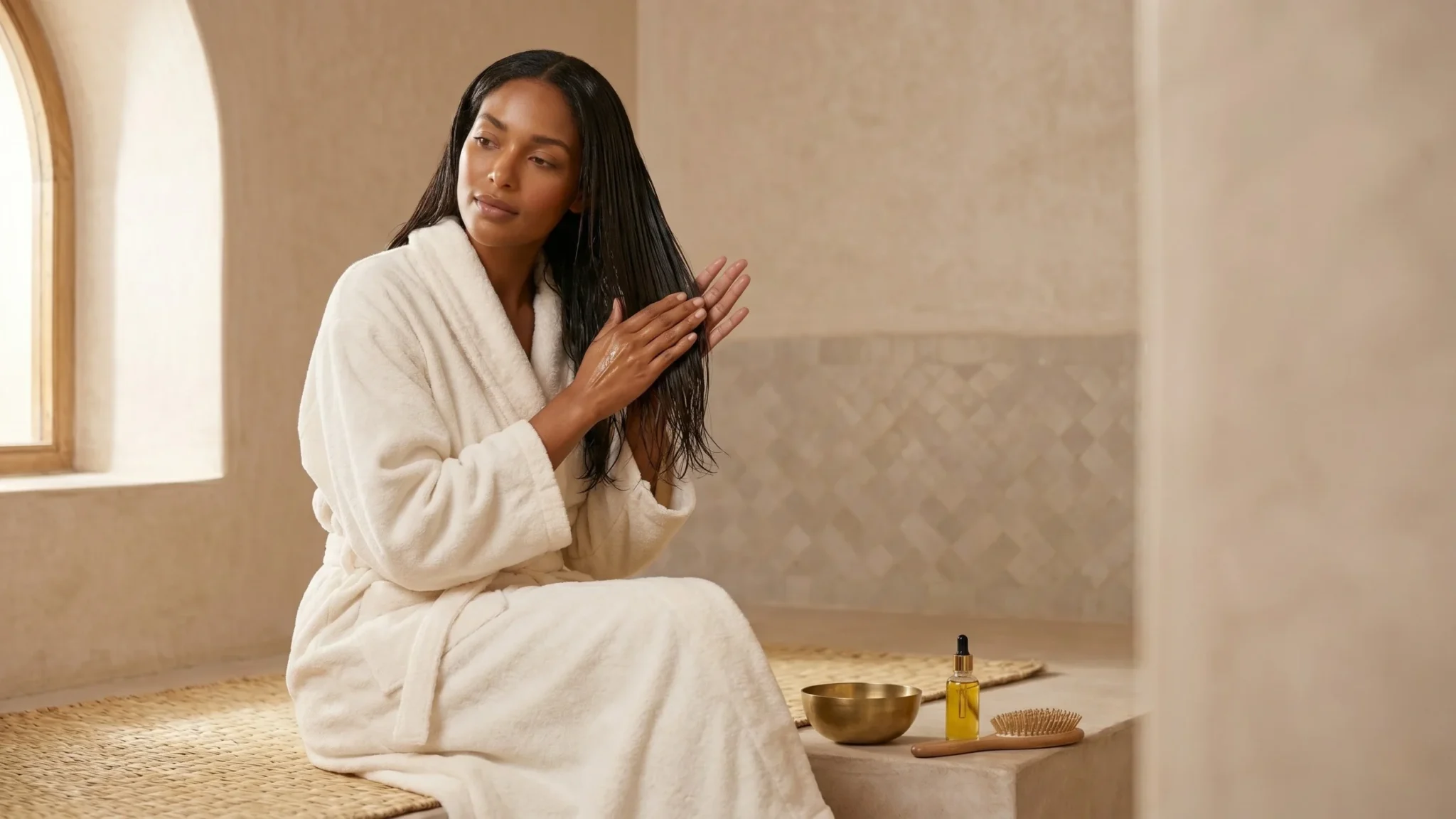
A good Moroccan hair care routine does not need to be complicated to work. With the right mix of scalp care, gentle washing, and Moroccan hair oils like argan oil, you can build a routine that leaves hair softer, shinier, stronger-looking, and easier to manage over time.
The reason Moroccan hair rituals remain so relevant is simple: they focus on what hair actually needs. Instead of throwing ten random products at dryness, frizz, dullness, or breakage, a well-built Moroccan hair care routine centers on consistency, nourishment, and a scalp-to-ends approach that improves how hair feels and looks week after week.
If your hair feels rough, thirsty, frizzy, dull, or harder to control than it should, this guide will show you exactly how to build a Moroccan hair care routine that works in real life.
For the full hair care foundation, read Moroccan Hair Care: The Complete Guide to Stronger, Healthier, Shinier Hair.
Table of Contents
What Is a Moroccan Hair Care Routine?
A Moroccan hair care routine is a structured way of caring for the scalp, lengths, and ends using habits inspired by Moroccan beauty traditions. It usually combines gentle cleansing, regular oiling, practical scalp care, and nourishing finishing steps rather than relying on heavy styling alone.
At the center of many Moroccan hair routines is argan oil. But the routine itself matters just as much as the ingredient. A strong Moroccan hair care routine is not just about putting oil on your hair once in a while. It is about knowing when to cleanse, when to nourish, how to treat the scalp, and how to protect the hair between wash days.
That is what makes this kind of routine effective. It is simple enough to keep up, but focused enough to make a visible difference over time.
Why a Moroccan Hair Care Routine Works
Many hair problems are connected. Dryness leads to rough texture. Rough texture makes hair harder to detangle. Friction and heat make that worse. Frizz, dullness, and breakage then follow.
A Moroccan hair care routine works because it treats those problems as part of one system rather than as separate emergencies. The routine supports the scalp, improves softness through the lengths, protects the ends, and gives hair a more polished finish overall.
This approach also aligns with practical dermatologist guidance that everyday hair care habits matter. The American Academy of Dermatology notes that the way you care for your hair can help prevent certain types of damage and leave hair looking healthier. Cleveland Clinic similarly notes that hair oiling can support moisture and softness when used properly and in moderation.
Who Benefits Most From a Moroccan Hair Care Routine?
A Moroccan hair care routine can work well for many hair types, but it is especially helpful for people dealing with:
- dry or rough-feeling hair
- frizz and puffiness
- dull hair that lacks shine
- breakage-prone lengths and ends
- curly or textured hair needing softness
- hair that feels overworked by heat or styling
- a scalp routine that currently lacks structure
If your current routine feels random, inconsistent, or overloaded with products that do not work well together, this kind of reset can make a real difference.
The 7-Step Moroccan Hair Care Routine
1. Start With a Scalp-First Mindset
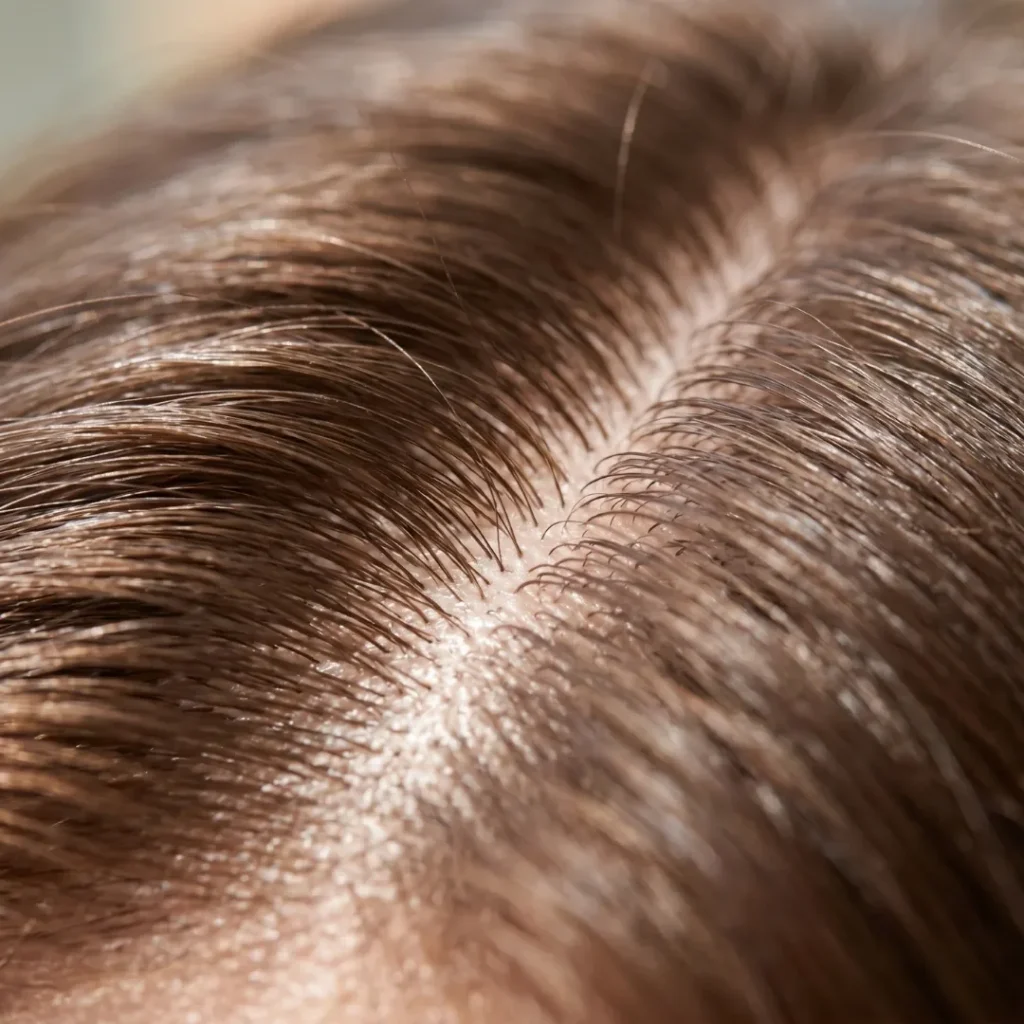
A strong Moroccan hair care routine begins at the scalp, not at the ends.
That does not mean every scalp needs oil every day. It means the scalp should not be ignored while all the attention goes to visible hair. If the scalp feels dry, uncomfortable, or neglected, the routine is incomplete from the start.
A scalp-first mindset means paying attention to buildup, dryness, flakes, irritation, and overall scalp comfort. It also means understanding that not every issue is solved the same way. The American Academy of Dermatology notes that dandruff and dry scalp are not always the same thing, which matters because the wrong treatment can make the problem worse.
For readers who want more focused scalp guidance, this is where a dedicated routine using rosemary oil for hair growth or argan oil for scalp care can naturally fit into the wider Moroccan hair care routine.
2. Use a Gentle Wash Routine That Matches Your Hair Type
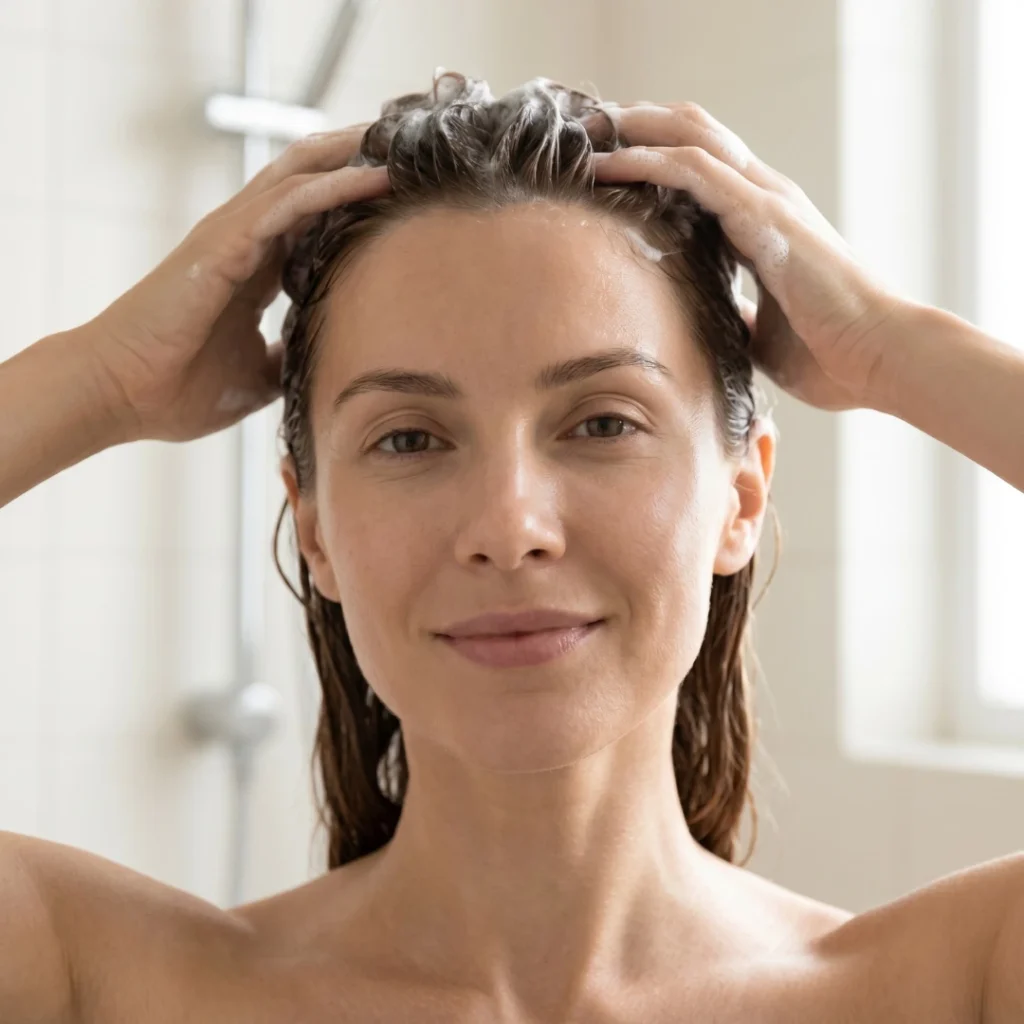
A Moroccan hair care routine should cleanse the scalp without punishing the rest of the hair.
One of the biggest mistakes people make is washing too aggressively with harsh formulas, then wondering why the lengths feel drier after every wash. Cleveland Clinic notes that moisturizing shampoos can matter because harsh shampoos can contribute to damage and breakage, especially when heat styling is already part of the routine.
The goal is not “wash less” or “wash more” as a universal rule. The goal is to wash according to your hair type, scalp condition, and buildup level.
- Fine or oilier hair may need more frequent washing
- Dry, coarse, curly, or coily hair may need less frequent washing
- If dandruff is part of the picture, scalp treatment should be tailored properly rather than guessed
A Moroccan hair care routine works best when wash day leaves the scalp clean and the hair comfortable, not stripped.
3. Use Argan Oil as the Core Nourishing Step
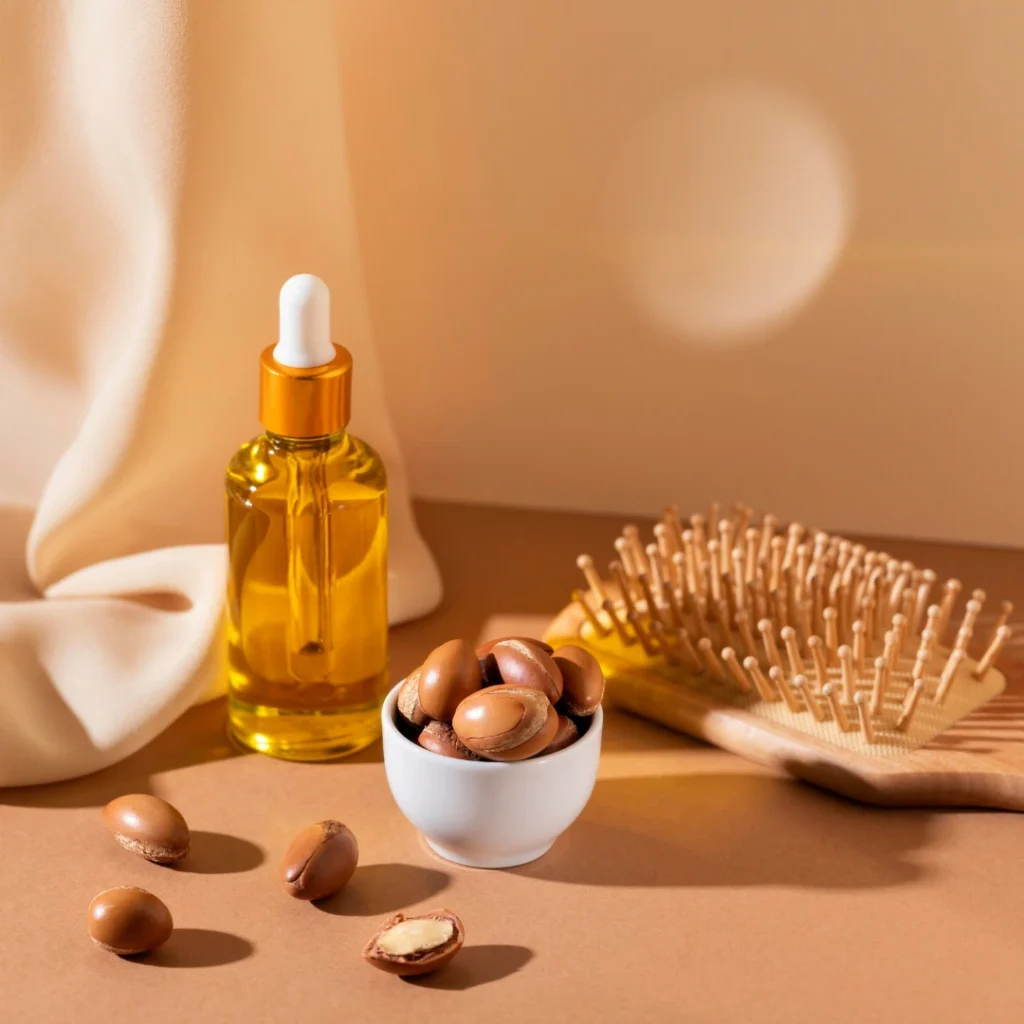
If there is one ingredient most closely associated with a Moroccan hair care routine, it is argan oil.
Pure Moroccan argan oil is one of the best all-around oils for softness, shine, smoother texture, and reducing the look of frizz. It works especially well on the mid-lengths and ends, where hair is older, drier, and more likely to feel rough.
This is where routine matters more than hype. You do not need to drown the hair in oil. A few drops applied correctly can be enough to improve feel and finish without making the hair heavy.
In a strong Moroccan hair care routine, argan oil can be used in three smart ways:
- as a light leave-in on damp hair
- as a finishing oil on dry hair
- as a pre-wash treatment for dry or stressed hair
For a deeper breakdown of this step, readers can naturally move into your full guide to Argan Oil for Hair: Benefits, How to Use It & Results to Expect.
4. Build a Daily Moroccan Hair Care Routine That Protects the Lengths
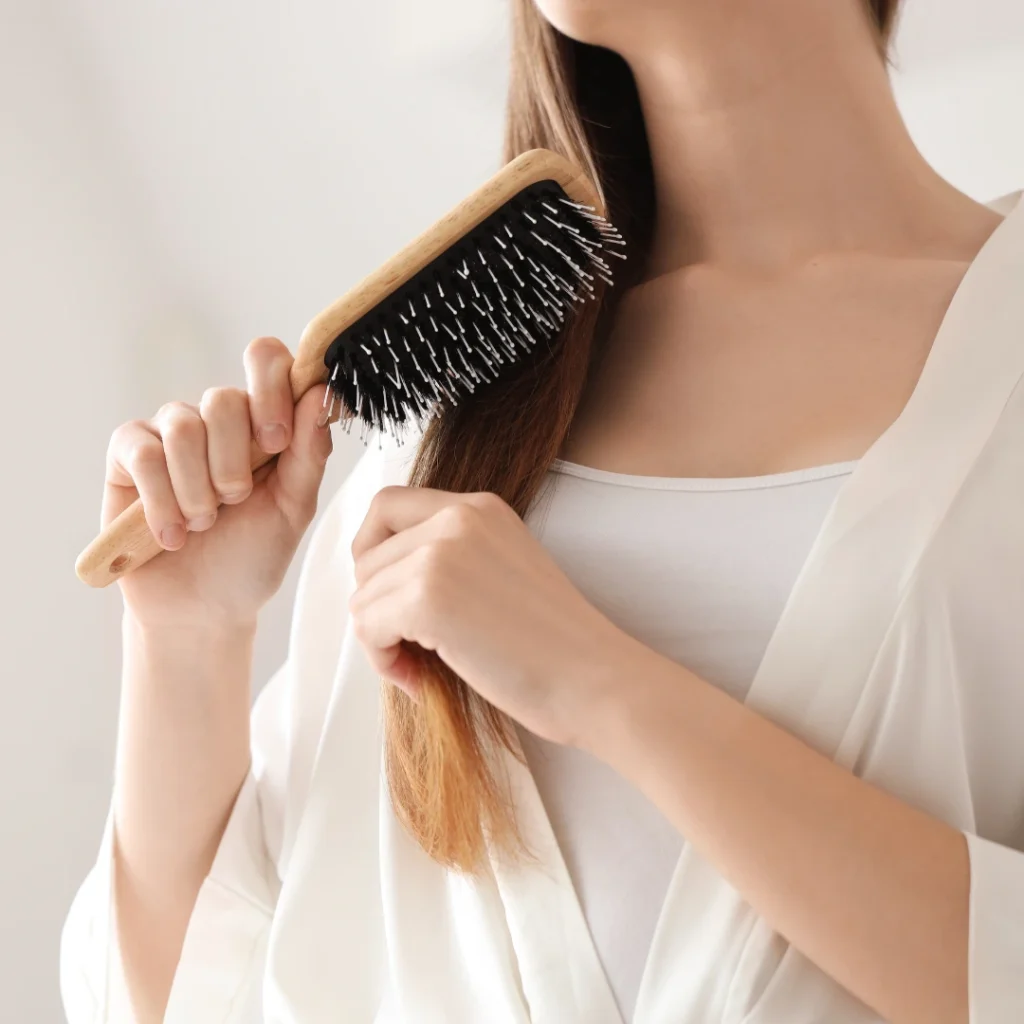
A daily Moroccan hair care routine should be light, practical, and sustainable. This is not the part where you overwhelm the hair with too many layers.
A simple daily rhythm often works best:
- smooth a small amount of argan oil over dry ends or frizzy areas
- avoid unnecessary heat when possible
- keep brushing or detangling gentle
- protect the hair from friction, especially if it tangles easily
- pay attention to how the scalp and lengths are responding
The daily routine is really about maintenance. It preserves softness, helps manage frizz, and stops the hair from sliding backward between wash days.
This kind of consistency matters because the visible beauty of hair is often lost through little daily habits, not one dramatic mistake.
5. Use a Weekly Oil Treatment for Dryness, Shine, and Softness

This is where a Moroccan hair care routine becomes noticeably more effective.
A weekly oil treatment gives dry, rough, or dull hair a more concentrated dose of nourishment. Cleveland Clinic notes that applying oils to the ends and washing them out after several hours can help with hydration and softness, and that a little goes a long way.
For many people, the best weekly ritual looks like this:
- apply argan oil to dry mid-lengths and ends before washing
- leave it on for at least 30 minutes
- use a longer treatment if the hair is very dry
- shampoo the scalp properly afterward
- condition through the lengths
- finish with a small amount of oil on damp hair if needed
This step is especially useful for readers dealing with dry hair, frizz, post-styling roughness, or ends that constantly feel thirsty.
6. Separate Scalp Oils From Softness Oils
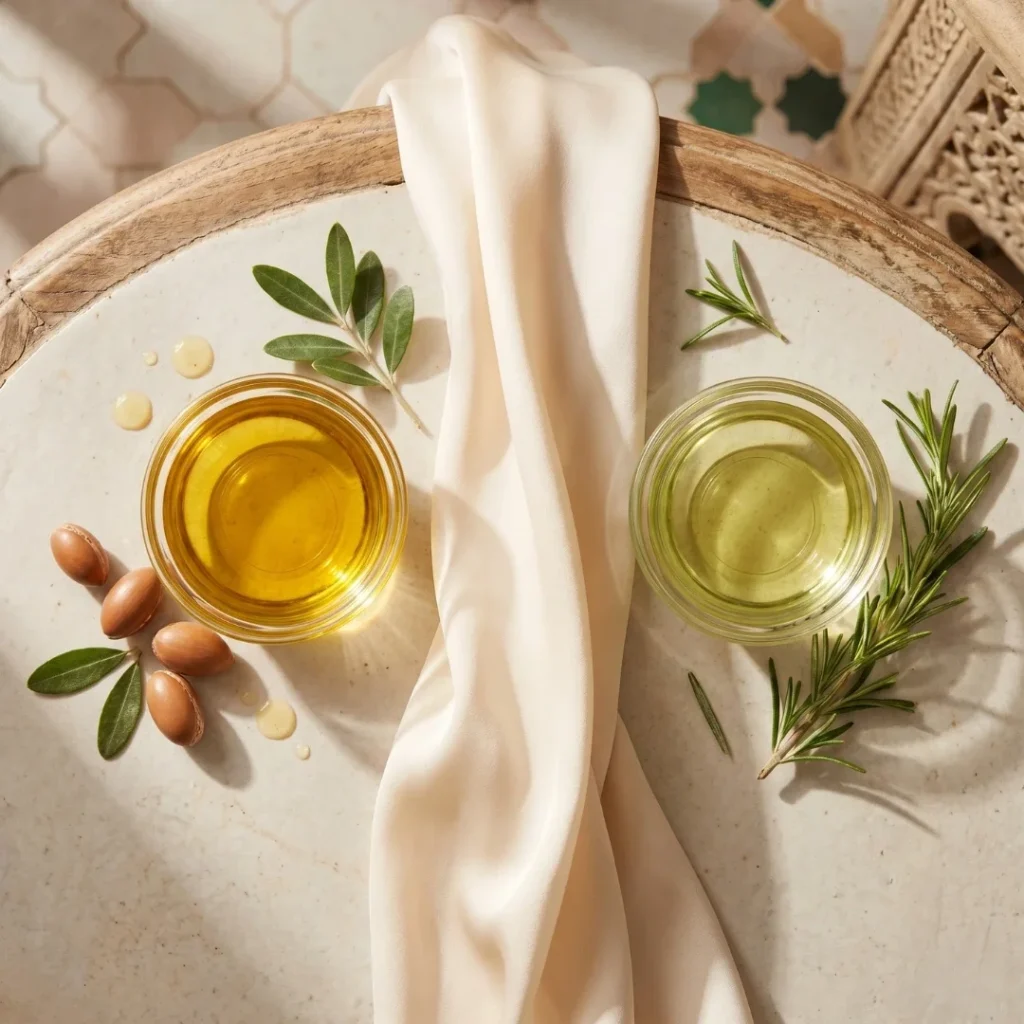
One of the smartest upgrades you can make to a Moroccan hair care routine is stopping the habit of expecting one oil to do every job.
Rosemary oil and argan oil are not competitors. They serve different purposes.
- Rosemary oil fits the scalp side of the routine, especially for density-focused care and scalp massage
- Argan oil fits the lengths and ends, especially for softness, shine, frizz control, and polish
That separation instantly makes the routine more intelligent. Instead of coating the whole head with one oil and hoping for the best, you start treating the scalp like the scalp and the hair fiber like the hair fiber.
This approach also makes the routine more effective. Each oil serves a specific purpose instead of being used randomly. When each step has a clear role, the routine becomes easier to follow and the results feel more consistent over time.
For scalp-focused growth support, read Rosemary Oil for Hair Growth: Does It Work & How to Use It.
7. Protect the Hair Between Wash Days
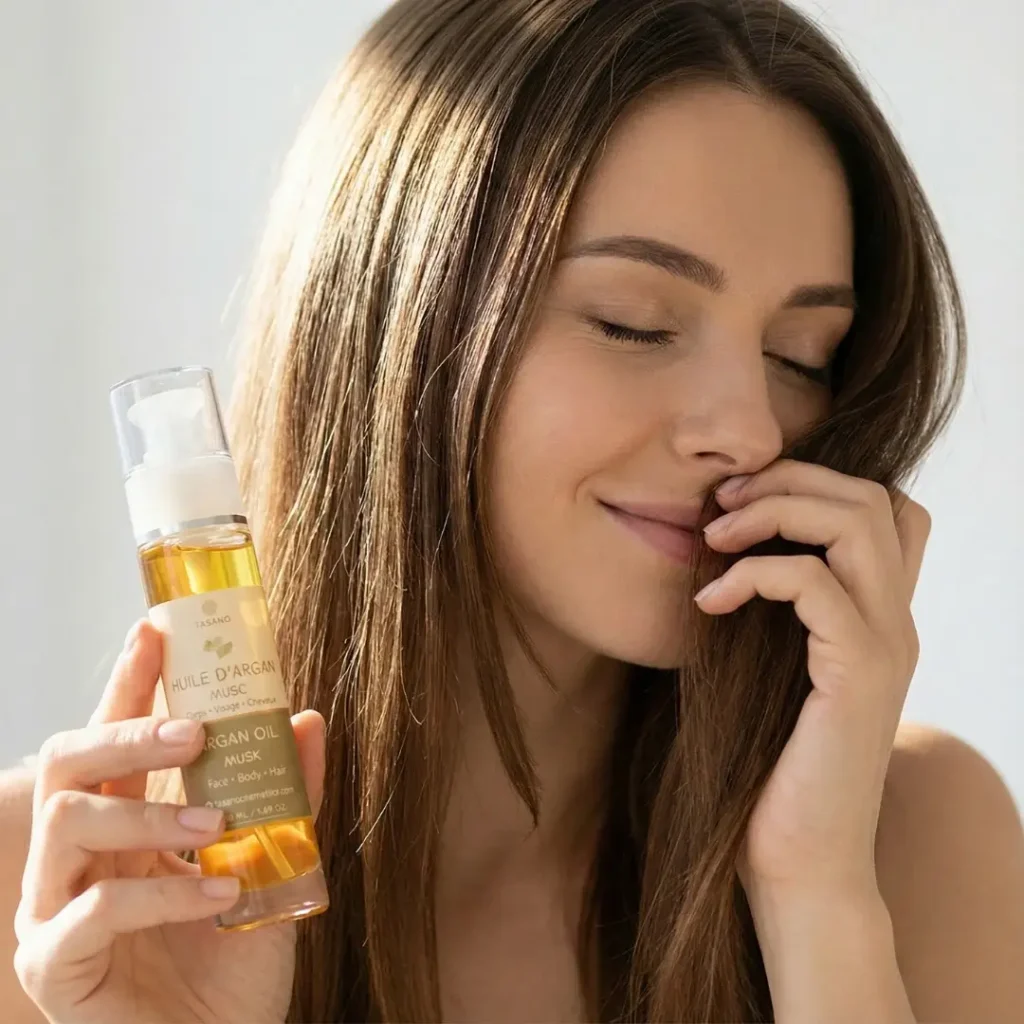
This is the step many people skip, and it is one reason routines fail.
A Moroccan hair care routine is not only about what happens on wash day. It is also about what happens in between. Hair loses softness and shine through friction, heat, dryness, rough handling, and neglected ends.
Protecting the hair between washes can include:
- sleeping in a way that reduces friction
- avoiding repeated unnecessary heat styling
- refreshing the ends with a few drops of oil instead of more product buildup
- detangling gently rather than aggressively
- keeping the hair from becoming dry and over-handled
This is where the routine compounds. Better hair often comes from preventing daily damage, not constantly trying to reverse it afterward.
Daily Moroccan Hair Care Routine
A daily Moroccan hair care routine should feel realistic enough to follow without turning into a chore.
Morning or daytime routine
- check the ends and dry areas first
- apply 1 to 3 drops of argan oil if the lengths look dull or frizzy
- smooth flyaways lightly rather than overloading the hair
- avoid adding more and more product throughout the day
Evening routine
- detangle gently if needed
- keep the hair protected from rough friction overnight
- massage the scalp only if that is already part of your growth-focused routine
- leave the lengths alone unless they feel especially dry
The goal is not constant intervention. The goal is quiet maintenance.
Weekly Moroccan Hair Care Routine
A weekly Moroccan hair care routine is where the deeper repair-minded work happens.
Step 1: Pre-wash oiling
Apply argan oil to dry lengths and ends before washing. If the scalp also needs targeted attention, use a separate scalp oil ritual rather than dumping everything everywhere.
Step 2: Gentle cleansing
Clean the scalp well. Do not scrub the lengths aggressively.
Step 3: Conditioning
Apply conditioner where the hair needs softness most, usually mid-lengths and ends.
Step 4: Post-wash nourishment
On damp hair, use a small amount of argan oil to lock in softness and improve shine.
Step 5: Leave it alone
The strongest routines know when to stop. Once the hair is clean, conditioned, and lightly nourished, over-handling usually makes things worse.
Moroccan Hair Care Routine for Different Hair Needs
- For dry hair
Use richer weekly oiling and keep daily oil application focused on the ends.
- For frizzy hair
Use small amounts of argan oil on damp or dry hair and reduce rough brushing and heat.
- For curly hair
Keep the routine more moisture-focused. Argan oil can help soften and reduce frizz without destroying the natural movement of curls.
- For thinning-looking hair
Keep the lengths routine light and build a more structured scalp ritual using rosemary oil where appropriate.
- For dull hair
Focus on smoothing the surface of the hair with light, consistent oil use rather than piling on heavy styling products.
Hair care fits naturally beside body rituals like The Complete Moroccan Hammam Ritual at Home.
Common Moroccan Hair Care Routine Mistakes to Avoid
- Using too much oil
Too much oil does not make the routine better. It makes the hair flat, greasy, and harder to cleanse properly.
- Washing without strategy
If your wash day keeps leaving the hair stripped, your routine is not balanced.
- Ignoring the scalp
Soft ends do not cancel out a neglected scalp.
- Expecting one oil to solve everything
Use the right oil for the right job.
- Changing routines too quickly
Hair responds better to disciplined consistency than to random switching.
For authentic ingredient choices, explore Moroccan Beauty Products: The Complete Guide to Glowing, Clear, and Youthful Skin.
Moroccan Hair Care Routine Backed by Better Hair Habits
A strong Moroccan hair care routine works best when it combines traditional oil rituals with better everyday habits. The American Academy of Dermatology notes that how you care for your hair can help prevent certain types of damage and keep hair looking healthy. Cleveland Clinic also highlights that hair oiling can support hydration and softness when used correctly, while stressing that a little goes a long way and that not every scalp responds the same way to oils. For readers dealing with flakes or scalp discomfort, the AAD dandruff guidance is also worth reading because dry scalp and dandruff are not always the same issue, which affects how a routine should be built.
Choosing Authentic Moroccan Hair Oils You Can Trust
Choosing the right Moroccan hair oils matters just as much as the routine itself. Not all oils labeled “Moroccan” are authentic, and using low-quality blends can limit the results you expect from your hair care ritual.
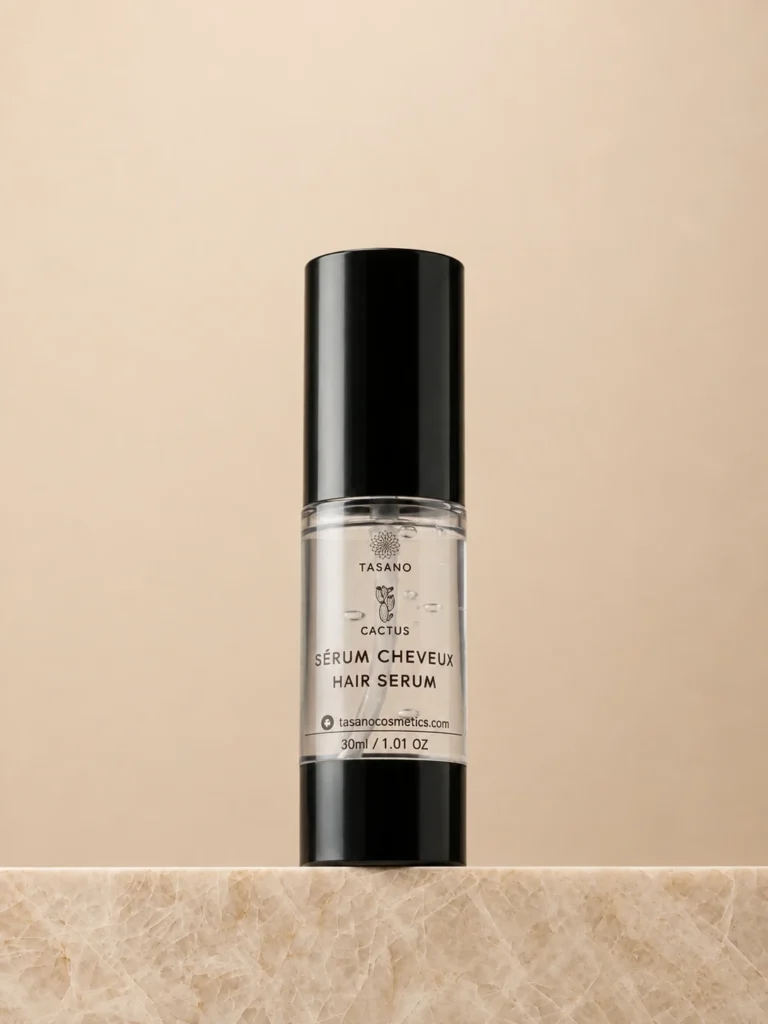
For those who want a reliable, high-quality option, TASANO’s 100% Pure Moroccan Argan Oil is crafted to deliver the softness, shine, and nourishment that define authentic Moroccan hair care. It fits naturally into the lengths-and-ends step of the routine, helping improve texture, smoothness, and overall finish without unnecessary complexity.
If your routine also includes scalp-focused care, TASANO’s Rosemary Hair Oil – Density & Strengthening offers a more targeted option designed to support consistent scalp rituals and a growth-focused approach.
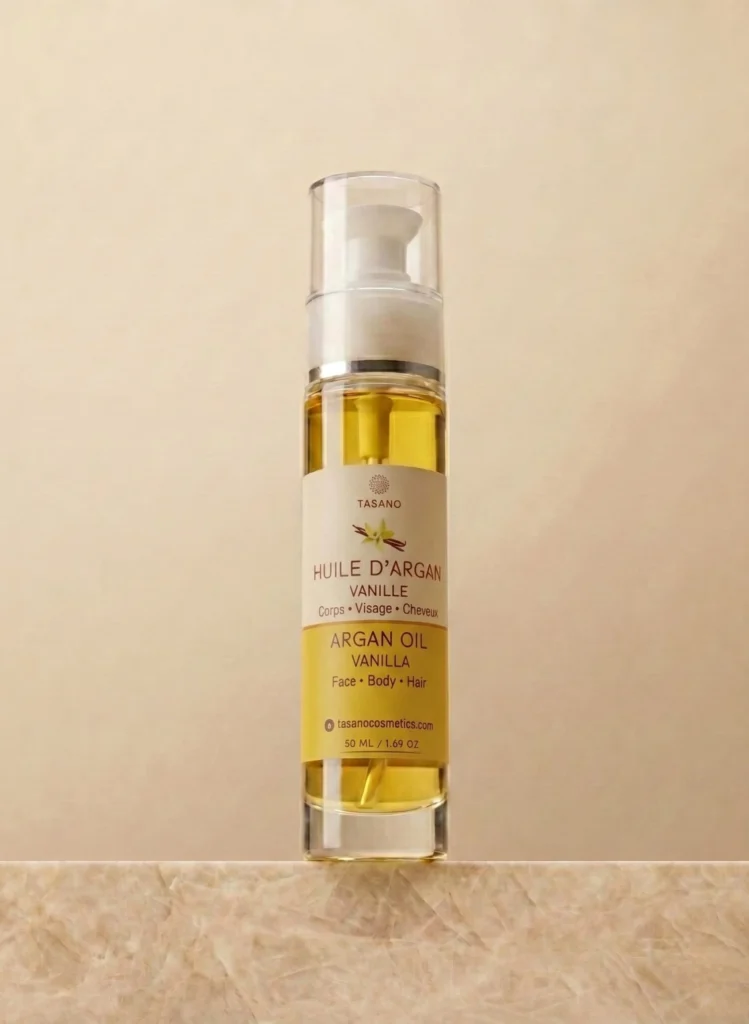
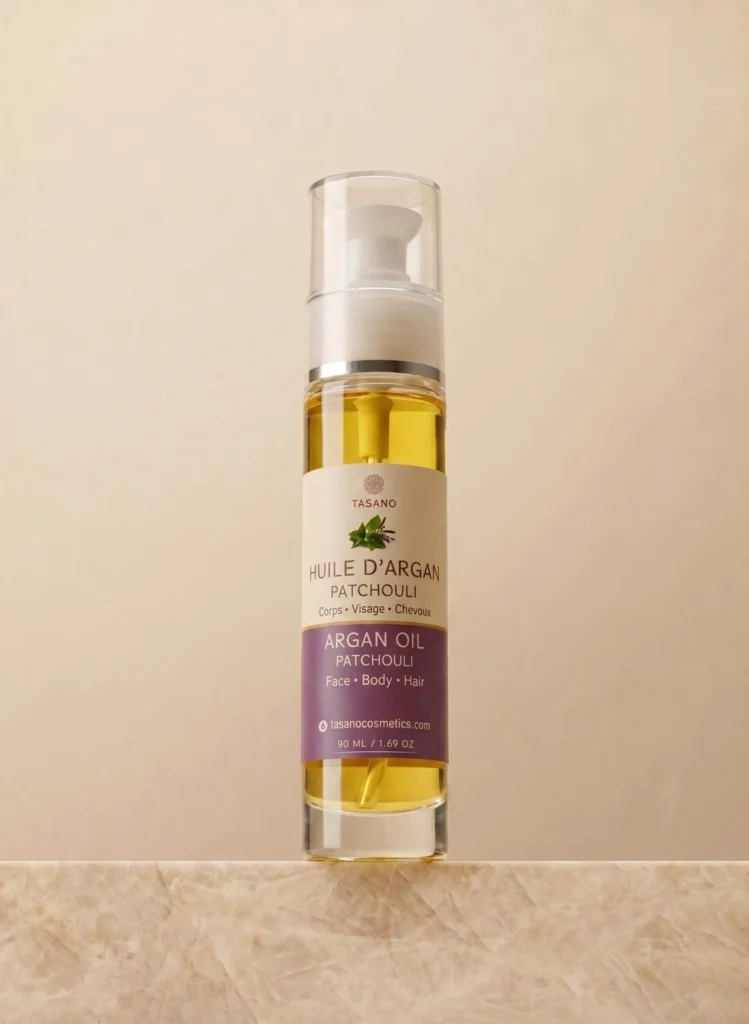
For a more refined daily experience, TASANO’s scented argan oils combine the benefits of pure argan oil with elegant fragrance notes such as musk, vanilla, or gardenia, adding a subtle, lasting hair aroma that enhances the overall ritual without overpowering it.
When the oils are authentic and each one has a clear role, the entire Moroccan hair care routine becomes easier to follow, and far more effective over time.
Recommended products
-
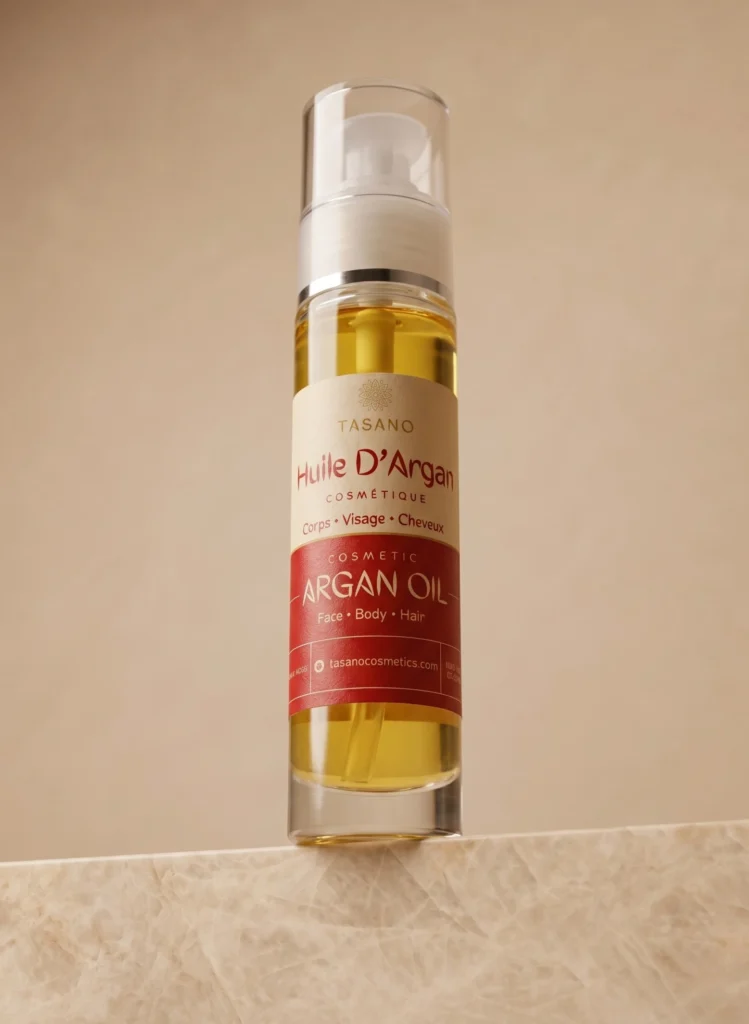
100% Pure Moroccan Argan Oil
Price range: $ 17.00 through $ 26.00 -
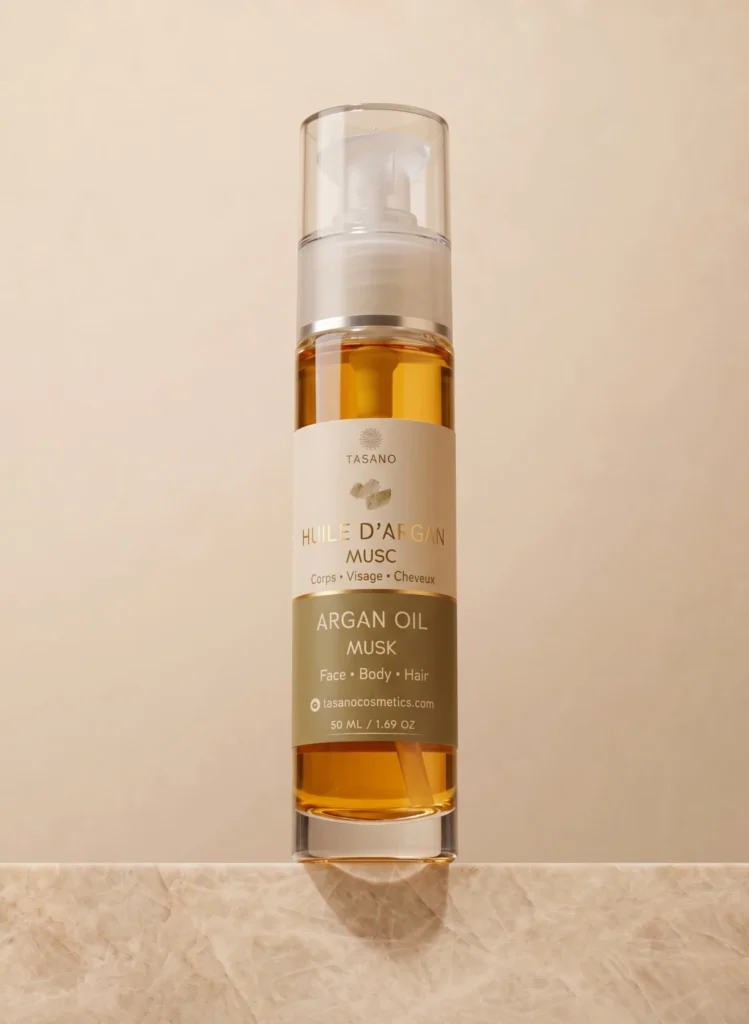
Musk Argan Oil for Hair & Body
$ 21.00 -
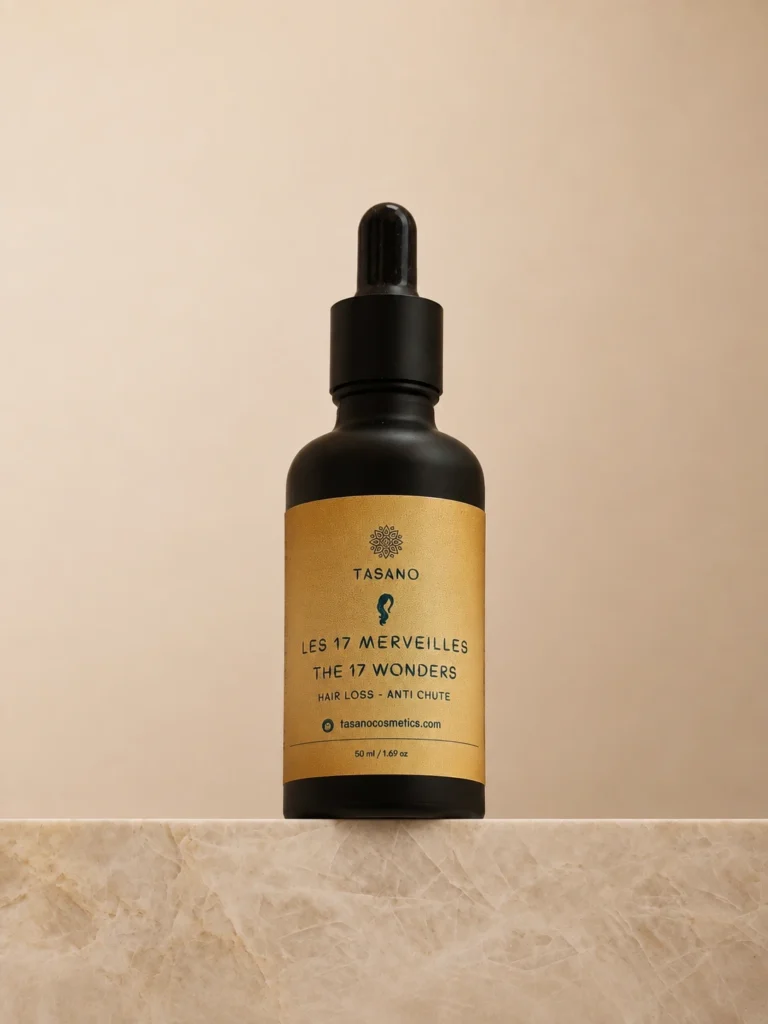
Rosemary Hair Oil – Density & Strengthening
$ 17.00 -
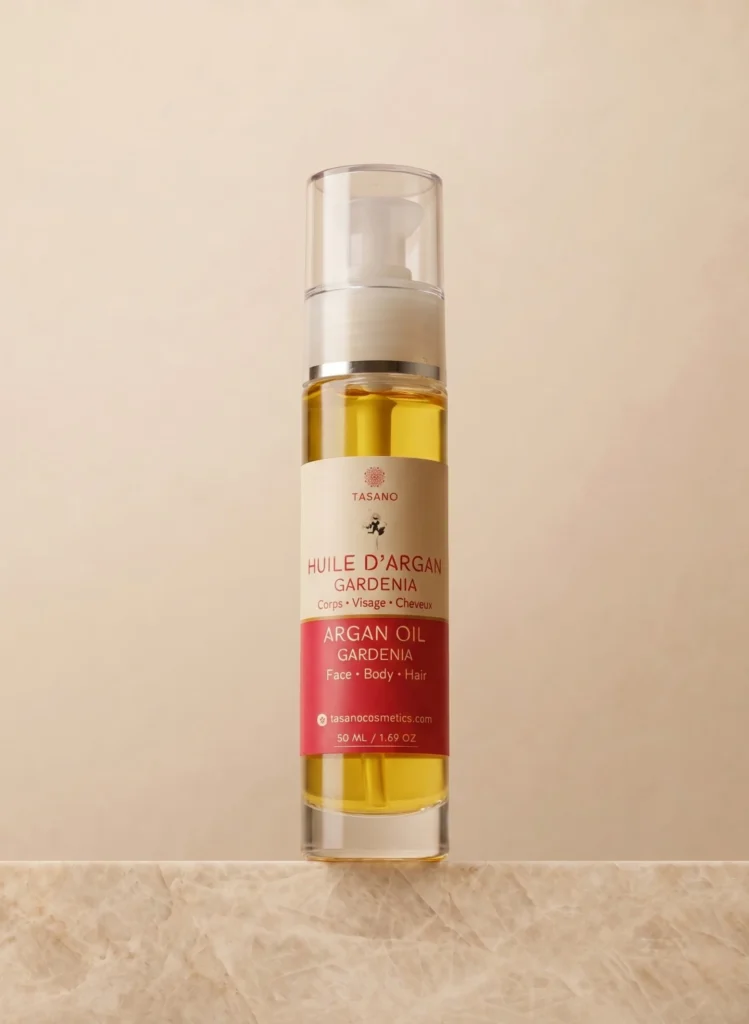
Gardenia Argan Oil for Hair & Body
$ 21.00
FAQ
What is the best Moroccan hair care routine?
The best Moroccan hair care routine combines gentle cleansing, scalp awareness, regular argan oil use on the lengths and ends, and a weekly nourishing oil treatment. The exact rhythm should match your hair type and concerns.
How often should I use argan oil in a Moroccan hair care routine?
Many people do well with a few drops daily or every other day on the lengths and ends, plus a deeper pre-wash treatment once or twice per week.
Is a Moroccan hair care routine good for dry hair?
Yes. This kind of routine is especially useful for dry hair because it focuses on softness, nourishment, frizz control, and protecting the ends between washes.
Can I use rosemary oil and argan oil in the same routine?
Yes. Rosemary oil is better suited to the scalp, while argan oil is better suited to the lengths and ends. Using both in the same Moroccan hair care routine often makes more sense than relying on one oil alone.
Is a Moroccan hair care routine good for curly hair?
Yes. Curly hair often benefits from the softness, frizz control, and moisture-supportive structure of a Moroccan hair routine, especially when oil use is kept light and intentional.
What is the biggest mistake in a Moroccan hair care routine?
One of the biggest mistakes is using too much oil and too little structure. A strong routine uses the right amount, at the right time, for the right purpose.
Final Thoughts
The best Moroccan hair care routine is not the longest one. It is the one you can follow consistently and intelligently.
When the scalp is treated with intention, the hair is cleansed gently, the lengths are nourished properly, and the ends are protected between washes, the results compound. Hair looks softer, shinier, stronger, and more put together because the routine finally makes sense.
That is what makes a Moroccan hair care routine so effective. It is not built on chaos. It is built on rhythm.
If you want the next article done at the same level, the smartest follow-up is Castor Oil for Hair: Benefits, Growth & How to Use It Properly.
Recommended products
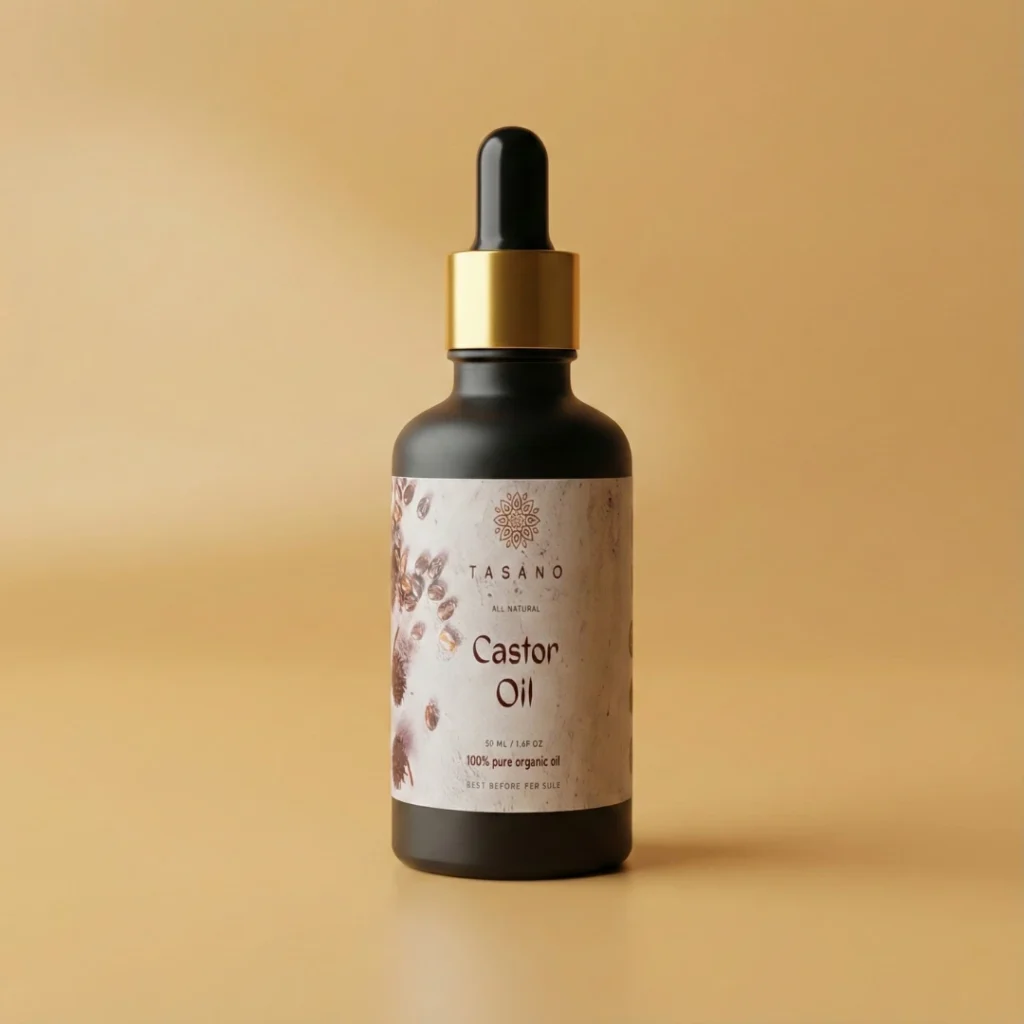
Enjoyed this guide? Keep TASANO easier to find when you search for Moroccan beauty advice.
