

The Complete Moroccan Hammam Ritual at Home
ByTASANO
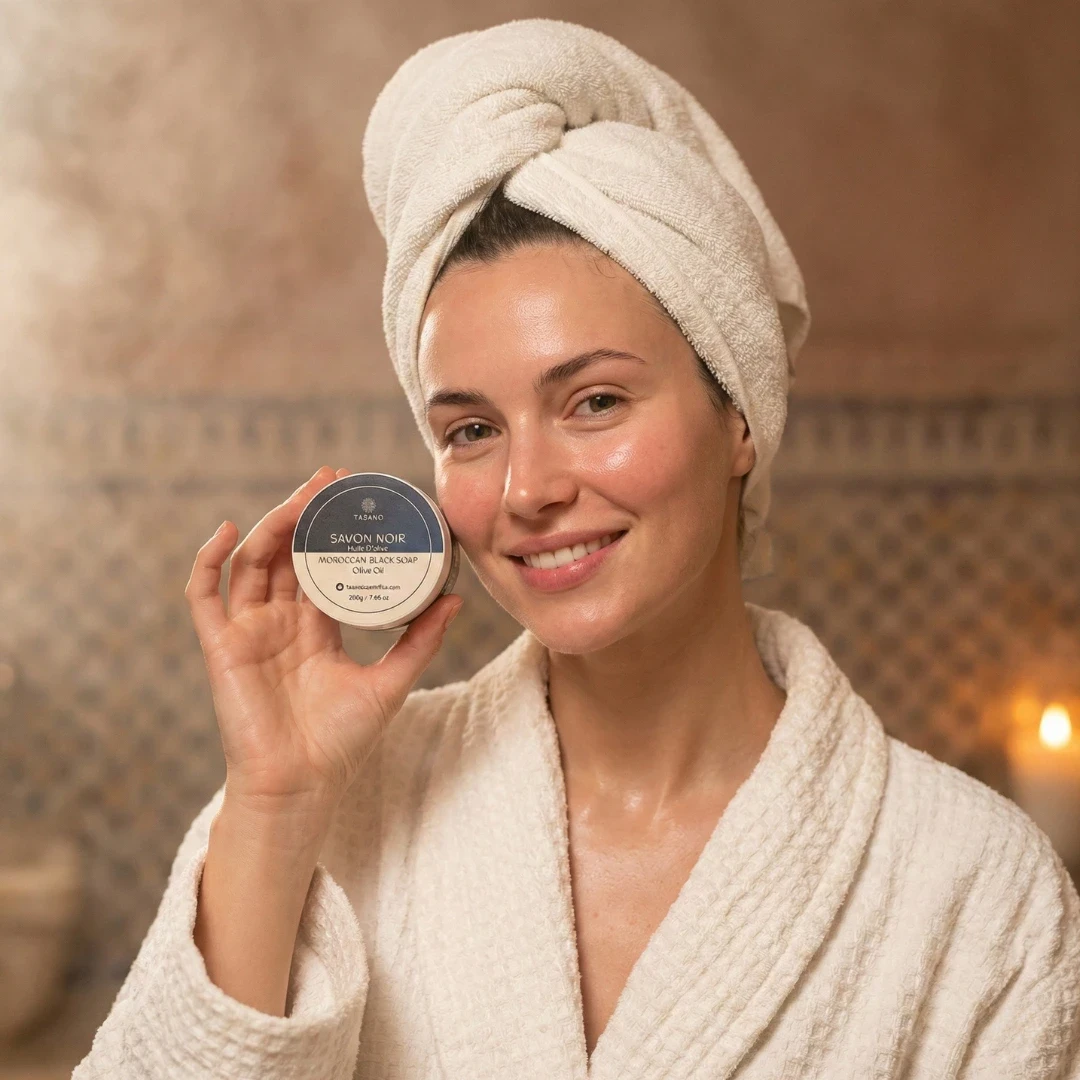
The Moroccan hammam is one of the most iconic beauty rituals in Morocco. For generations, it has been used to deeply cleanse the skin, remove dead skin cells, and leave the body soft, smooth, and renewed. The traditional experience is not just about washing the body. It is a full ritual built around steam, black soap, exfoliation, clay, and nourishing care. According to the Moroccan National Tourist Office, the traditional bath uses local products such as ghassoul, black soap, rose water, green clay, and the kessa glove.
Today, you do not need to visit a bathhouse to enjoy the benefits of this ritual. With the right products and a simple step-by-step process, you can recreate the experience at home and turn an ordinary shower into a true skin-renewing treatment.
Table of Contents
What Is a Moroccan Hammam?
The Moroccan bath ritual is a traditional cleansing and exfoliating ritual usually performed in a warm, steamy environment. It is designed to soften the skin first, then deeply exfoliate it using Moroccan hammam products that includes black soap and a kessa glove, before finishing with purifying clay and nourishing oils.
What makes this ritual different from a normal shower is the sequence. Each step prepares the body for the next. The steam softens the skin. The black soap loosens buildup. The kessa glove removes dead skin. Ghassoul clay helps purify. Oils and floral waters complete the ritual.
This layered process is why the hammam is still considered one of the most effective natural body care routines in Moroccan beauty culture.
The History of the Moroccan Hammam Tradition
The Moroccan hammam is far more than a beauty treatment. It is a deeply rooted part of Moroccan daily life, shaped by centuries of cleansing rituals, steam bathing, and body care traditions. Over time, the hammam became one of the most recognized expressions of Moroccan wellness culture, combining purification, exfoliation, relaxation, and social ritual in one experience. Official Moroccan tourism guidance still presents the traditional hammam as a core well-being ritual built around local products and deep exfoliation.
What gives the Moroccan hammam its lasting power is the structure of the ritual itself. It is not simply a hot bath or a spa treatment. It follows a purposeful sequence: heat to soften the skin, black soap to prepare it, kessa exfoliation to remove buildup, and mineral-rich clay and botanical care to complete the process. This layered approach is one of the reasons the ritual continues to feel effective even today.
In modern skincare language, people often talk about detox, exfoliation, and skin renewal as if they are new ideas. The Moroccan hammam has embodied those principles for generations. That is why it remains one of the most iconic Moroccan beauty rituals and one of the strongest foundations for a natural body-care routine at home.
The Benefits of a Moroccan Hammam Ritual
A properly done Moroccan hammam treatment can help:
- soften rough skin
- remove dead skin cells
- improve skin texture
- leave the body feeling cleaner and smoother
- prepare the skin for better absorption of oils and moisturizers
It is also a relaxing ritual. It combines cleansing, exfoliation, and self-care in one routine, which is why it remains such a central part of Moroccan wellness traditions.
To recreate the ritual properly, you need a few essentials:
- warm steam or a hot shower
- Moroccan hammam soap known as the Moroccan black soap
- an exfoliating moroccan kessa mitt for hammam
- ghassoul clay
- rose water or a botanical oil for finishing care
Optional additions:
- body scrub
- soft towel
- bowl for mixing clay
- nourishing body oil afterward
To understand the full impact of the ritual on your skin, explore these Moroccan hammam benefits for skin and what results to expect in detail.
How to Do a Traditional Moroccan Hammam at Home
To recreate the authentic experience at home, you will need a few traditional essentials.
- Moroccan Black Soap
- Kessa Exfoliating Glove
- Ghassoul Clay
- Nourishing Rose water or a Botanical Oil
Step 1: Steam and Prepare the Skin
The first step is heat. Start by taking a hot shower or sitting in a steamy bathroom for several minutes. The goal is to soften the skin and open the pores so the products that follow work more effectively.
Do not rush this step. If the skin is not warmed properly, exfoliation will not be as effective and the ritual will feel incomplete.
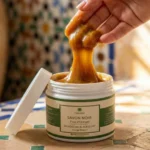
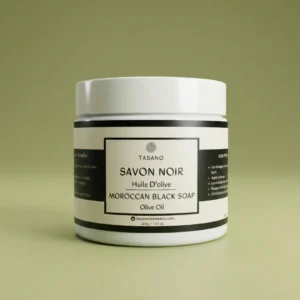
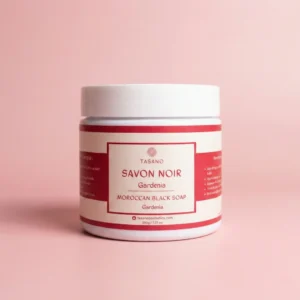
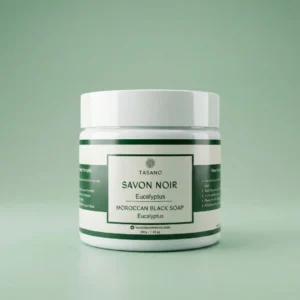
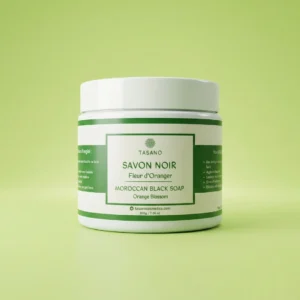
Step 2: Apply Moroccan Black Soap
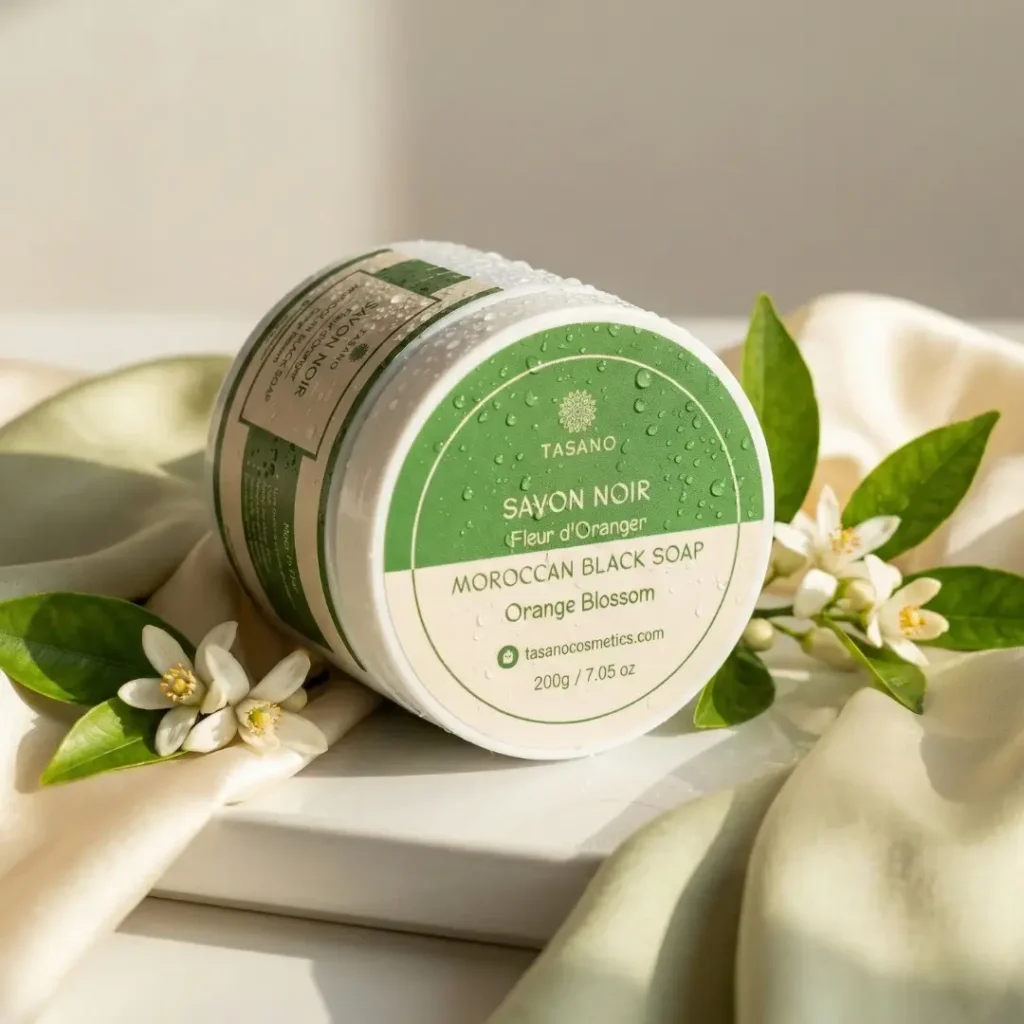
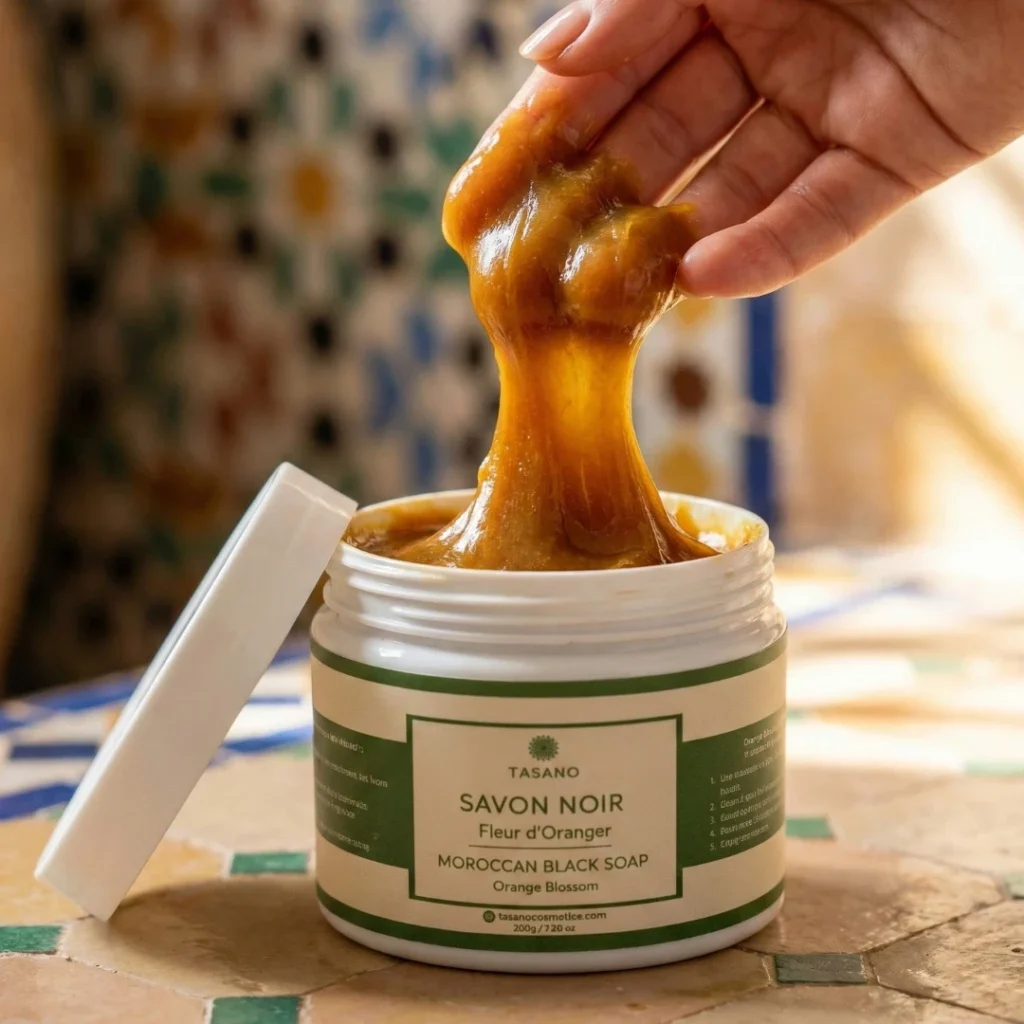
Once the skin is warm and damp, apply Moroccan black soap over the body. Focus on areas that usually build up rough skin, such as arms, legs, knees, elbows, and back.
Leave the soap on for a few minutes so it can soften dead skin before exfoliation. Moroccan black soap is one of the signature products of the moroccan bath hammam ritual and is traditionally used as the preparation step before the kessa glove.
👉 To prepare your skin properly, follow this guide on: Moroccan Black Soap Benefits & How to Use It for Radiant Skin
Recommended products
Step 3: Exfoliate with a Kessa Glove
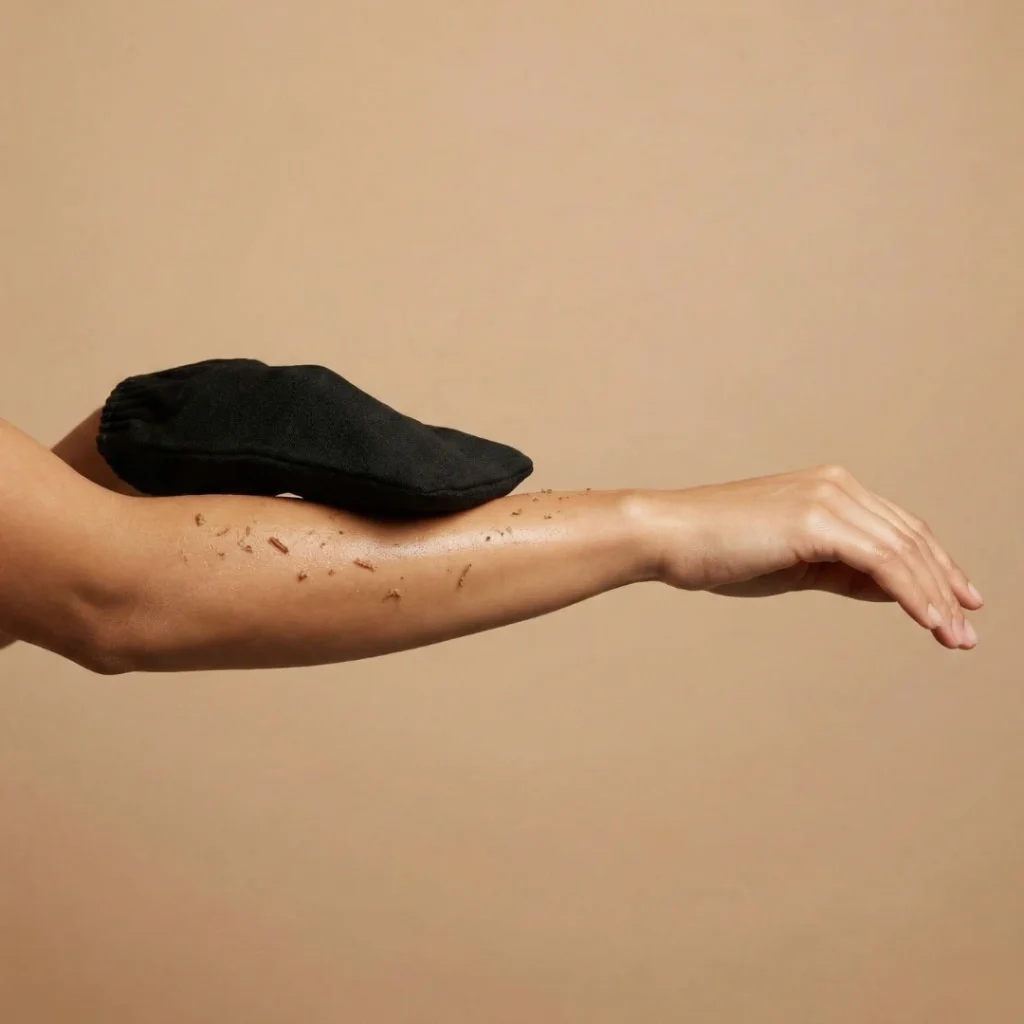
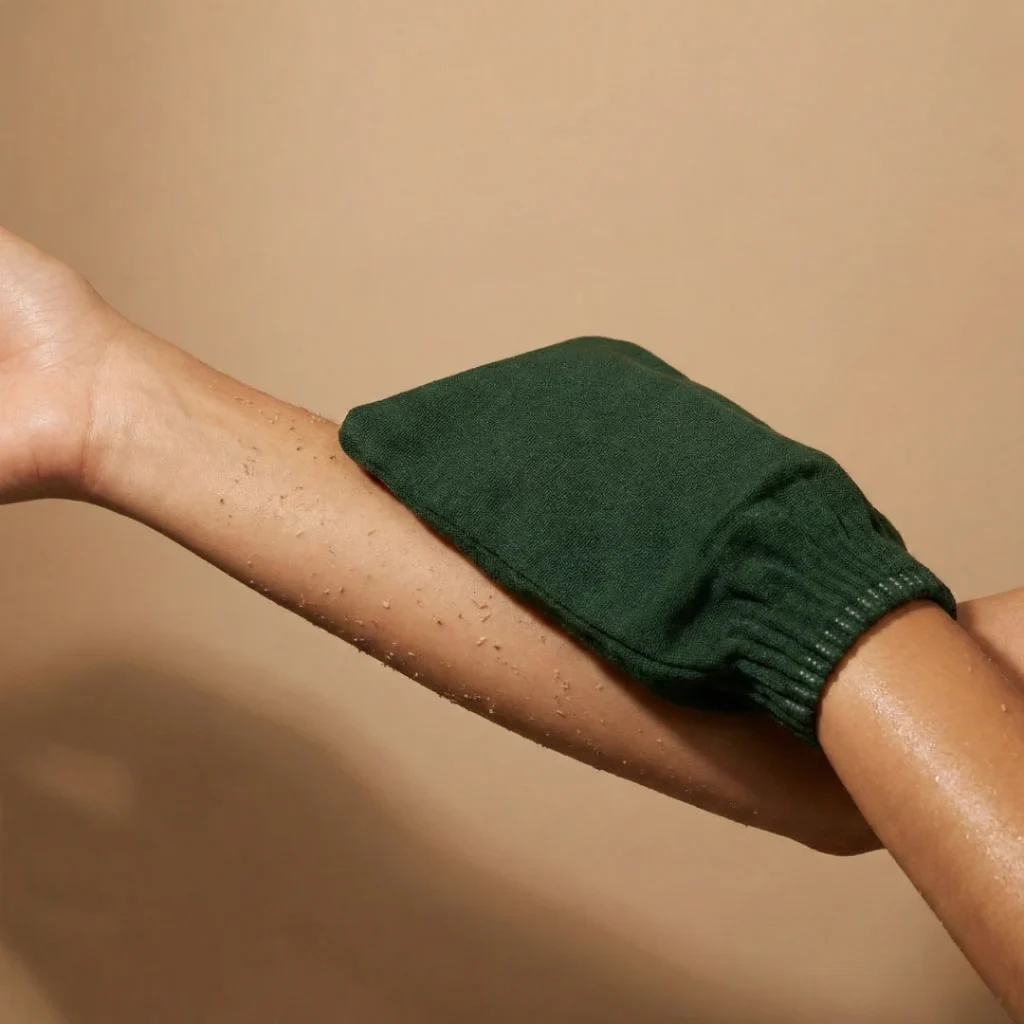
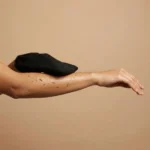
After rinsing off the black soap, use a moroccan hammam exfoliating glove on wet skin with firm but controlled strokes. This is the step that physically removes loosened dead skin and leaves the body dramatically smoother.
The kessa glove is not just an accessory. It is one of the central tools of the hammam ritual. Product pages and ritual-focused competitors consistently position it as the exfoliating stage that follows black soap.
Tips:
- avoid overly sensitive areas
- do not scrub broken or irritated skin
- use moderate pressure, not aggression
👉 For the exfoliation step, it’s essential to use the correct technique—this step-by-step guide on how to use a kessa glove properly will show you exactly how to get the best results.
Step 4: Use Ghassoul Clay
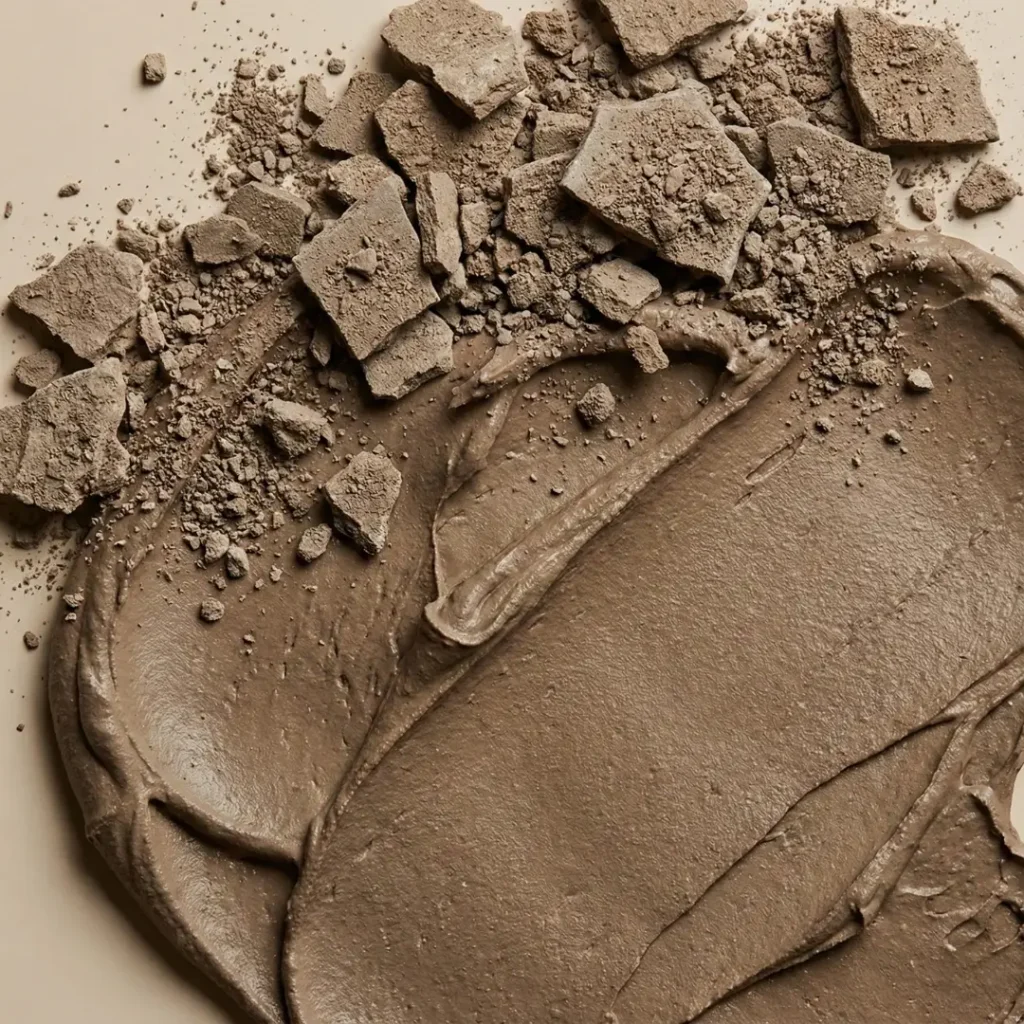
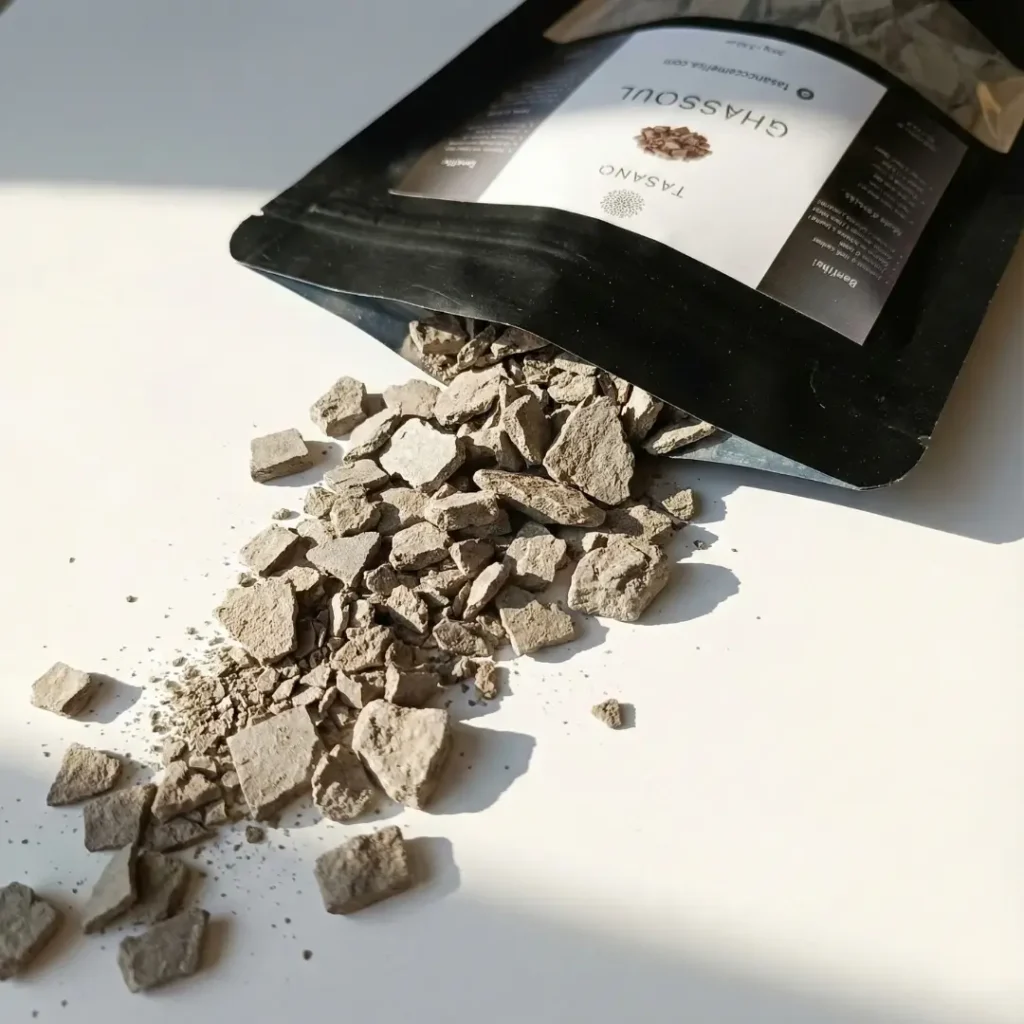
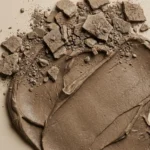
After exfoliation, apply ghassoul clay to the skin or hair depending on your routine. Ghassoul, also called rhassoul, is a mineral-rich Moroccan clay traditionally used in body and hair rituals.
In the context of the hammam, it helps purify the skin after exfoliation and can also be used as a cleansing mask for the scalp and hair. The Moroccan tourism authority explicitly includes ghassoul among traditional hammam products.
If you are using it on the body:
- mix the clay with warm water until smooth
- apply as a thin mask
- leave briefly, then rinse
If you are using it on hair:
- apply mainly to scalp and roots
- rinse thoroughly
- follow with a nourishing oil if needed
👉 To understand how to use it effectively for both hair and skin, explore our guide on ghassoul clay benefits and how to use it for best results.
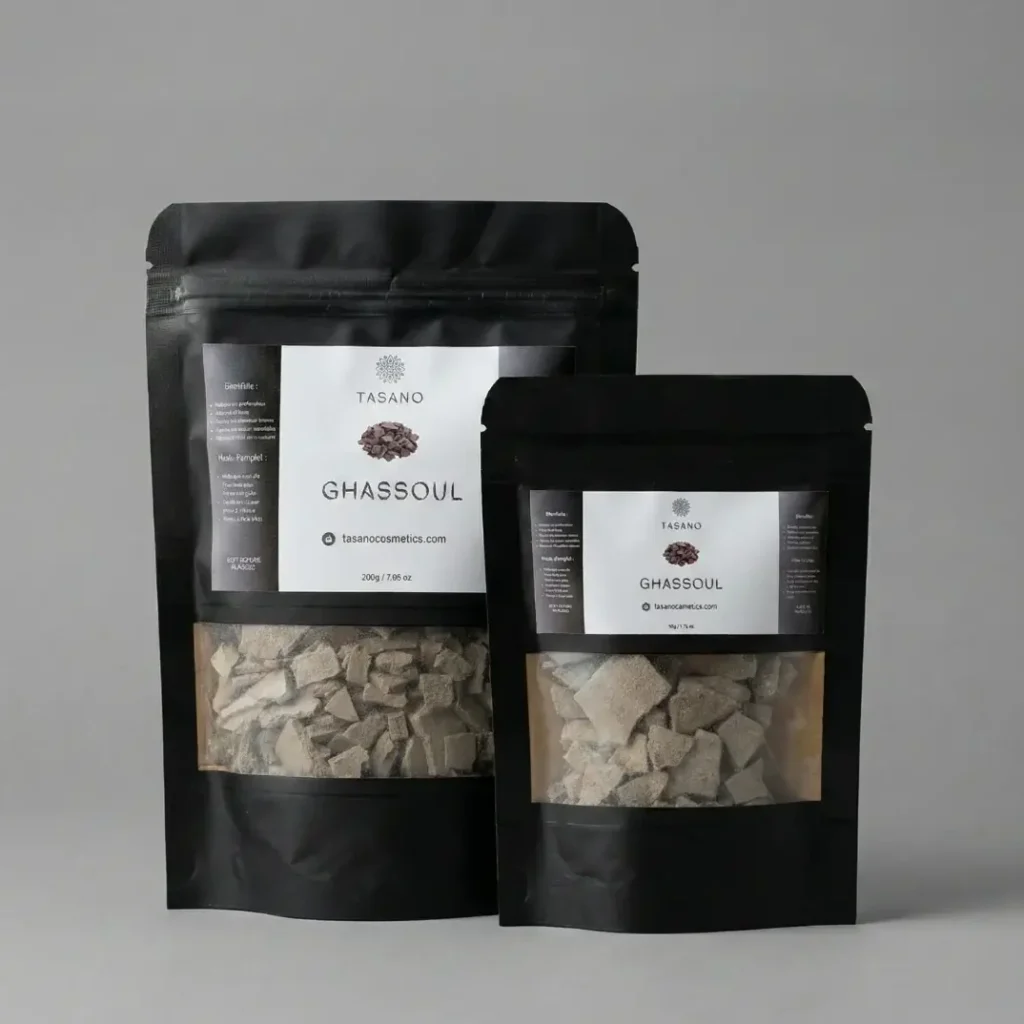
Moroccan Rhassoul (Ghassoul) – Deep Purifying
Moroccan Rhassoul (Ghassoul) Clay Powder – Deep Purifying
Step 5: Finish with Rose Water or Botanical Oils
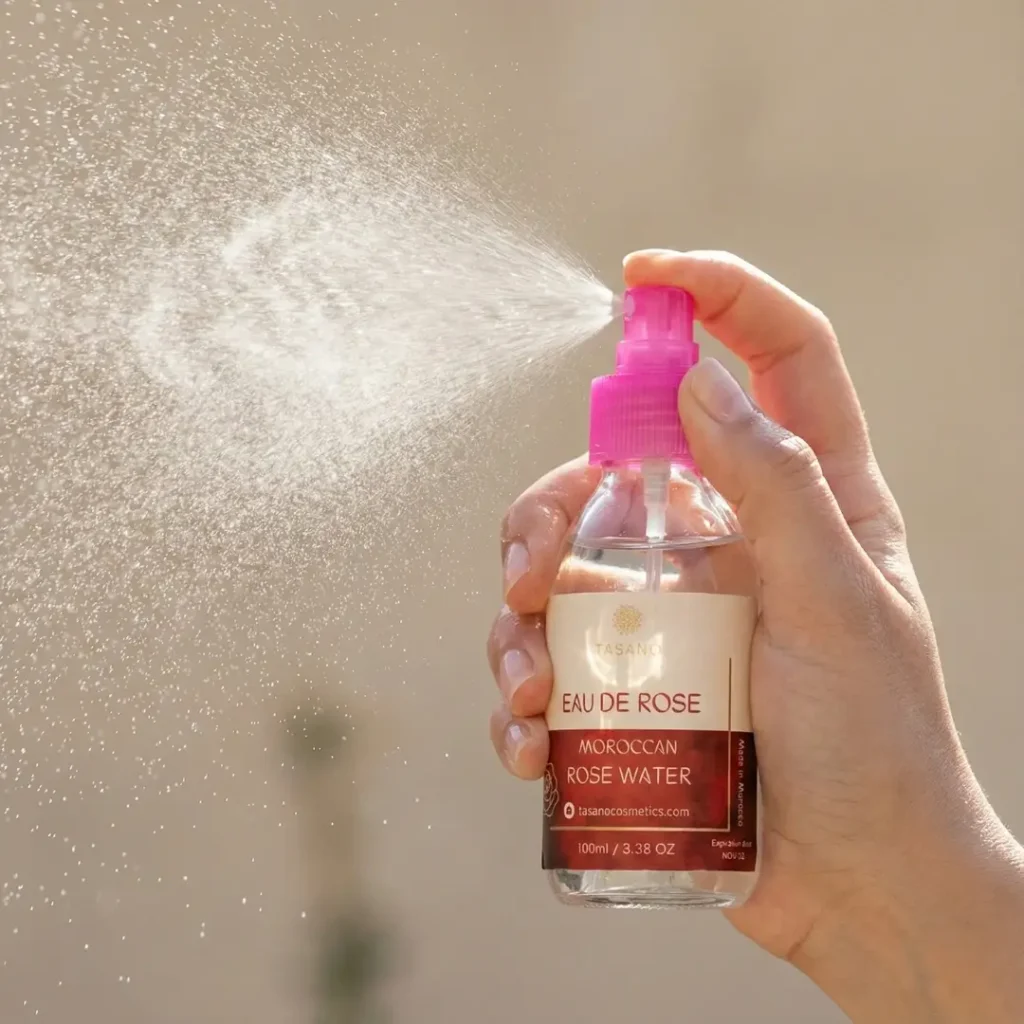
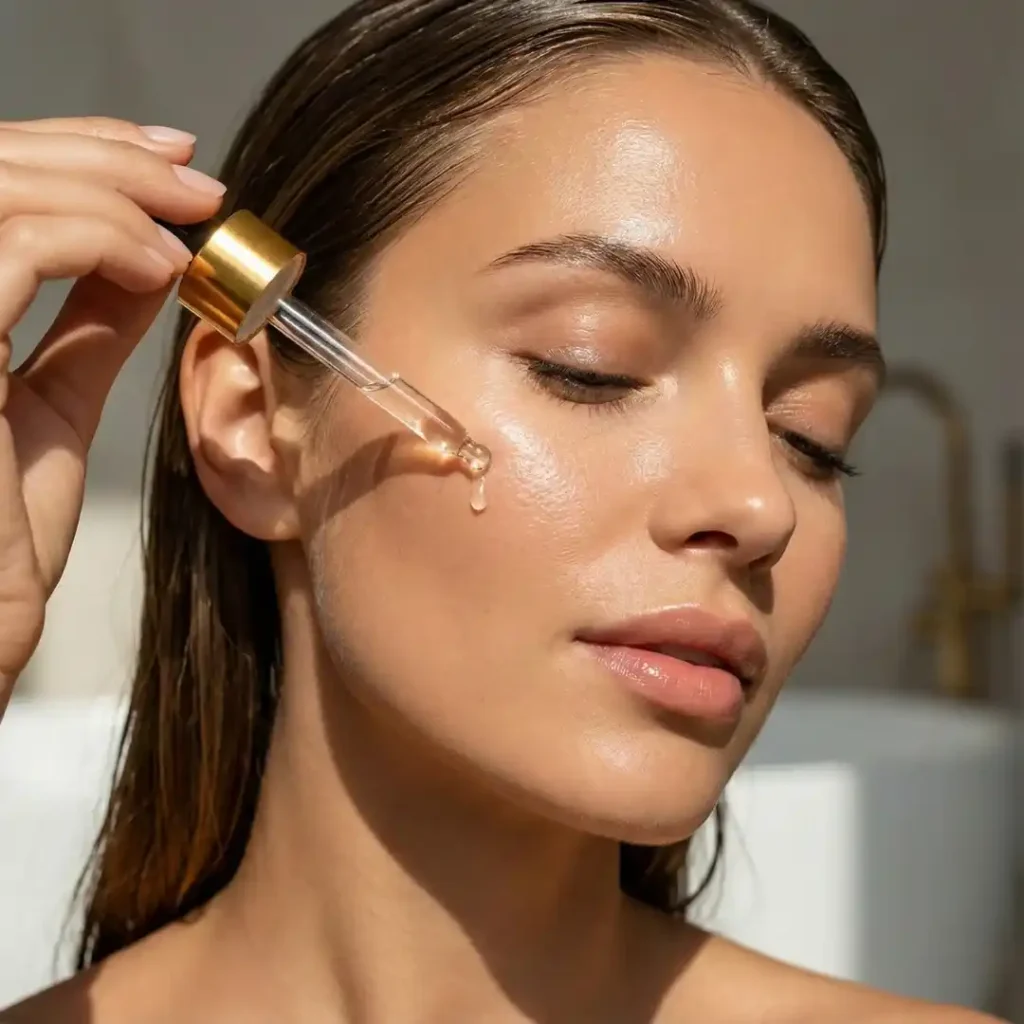
Once the skin is cleansed and exfoliated, finish the ritual with light hydration and soothing care. This is where rose water and botanical oils come in.
Rose water can refresh and tone the skin, while botanical oils help lock in softness and comfort. Because the skin has just been exfoliated, this final step often feels especially effective.
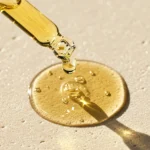
For body care after hammam, a nourishing oil is usually the strongest close because it helps seal in softness and gives the skin a healthy glow.
Argan oil is one of the most prized natural ingredients used in Moroccan beauty rituals. Rich in essential fatty acids and vitamin E, it helps nourish the skin after exfoliation and restore the skin’s natural barrier. Scientific studies have shown that argan oil can improve skin hydration and elasticity when applied regularly, supporting its long-standing use in Moroccan skincare traditions. (Source: pubmed.ncbi.nlm.nih.gov/17955480/)
👉 To complete the ritual with lasting softness and hydration, discover how to use Argan oil after shower for skin and hair for the best results.
Recommended products
-
100% Pure Moroccan Rose Water – Hydrating Facial Toner
$5.99 -
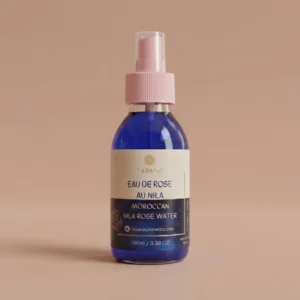
Moroccan Rose Water with Nila – Hyperpigmentation Facial Toner
$8.99 -
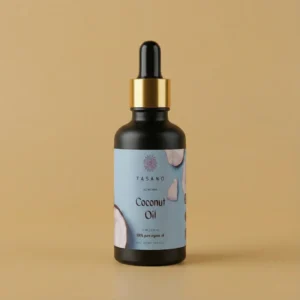
100% Pure Coconut Oil – Deep Nourishing
$6.99 -
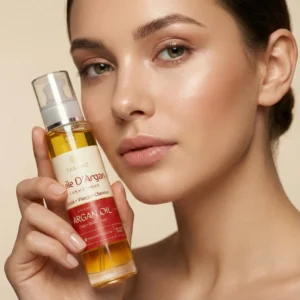
100% Pure Cold-Pressed Moroccan Argan Oil – Hair & Skin Treatment
Price range: $16.49 through $25.99
Common Mistakes When Doing a Moroccan Hammam at Home
A Moroccan hammam at home can be incredibly effective, but only if the ritual is done in the right order. Most disappointing results come from rushing the process or using the products incorrectly.
Skipping the Steam Stage
If the skin is not warmed properly first, the ritual loses much of its power. Steam is what softens the skin and prepares it for black soap and exfoliation. Without this stage, the kessa glove will not work nearly as well.
Applying Black Soap on Dry Skin
Moroccan black soap should be applied to warm, damp skin. Putting it on dry skin makes the ritual less comfortable and less effective.
Scrubbing Too Aggressively
The kessa glove is meant to exfoliate, not irritate. Too much pressure can leave the skin feeling raw rather than renewed. Firm, controlled strokes work better than harsh rubbing.
Leaving Clay on Too Long
Ghassoul clay can be a beautiful finishing step, but it should not be left on until the skin feels tight and uncomfortable. Its purpose is to purify and cleanse, not to over-dry the skin.
Using Strong Essential Oils Improperly
If readers use essential oils as part of their self-care routine, they should not apply them undiluted to the skin. Tisserand Institute’s safety guidance is explicit: undiluted essential oils can cause skin reactions, and they should not be applied neat to the skin or added undispersed to baths.
These mistakes are easy to avoid, and fixing them makes the difference between a basic shower routine and a true Moroccan hammam experience at home.
To understand the ritual in the correct order, explore our guide to Moroccan hammam steps explained: traditional vs at home.
Is a Moroccan Hammam Good for Every Skin Type?
A Moroccan hammam can work well for many people, but the routine should be adjusted depending on skin type and sensitivity.
- Dry Skin
Dry skin often benefits from the exfoliation and finishing oils used in the ritual. The key is to avoid overdoing the kessa glove and to follow the ritual with nourishing botanical oils to restore comfort and softness.
- Oily Skin
People with oilier skin often enjoy the cleansing effect of black soap and ghassoul clay. These steps can help leave the skin feeling cleaner and lighter, especially when the ritual is done consistently but not excessively.
- Sensitive Skin
Sensitive skin requires a gentler version of the ritual. That means shorter steam exposure, lighter exfoliation, and careful product choice afterward. If strong botanical ingredients or essential oils are involved, patch testing is a smart precaution. Tisserand Institute emphasizes dilution and skin safety because undiluted essential oils are a common cause of adverse reactions.
- Uneven Tone and Dull Skin
Because the hammam focuses on exfoliation and skin renewal, many people use it as part of a routine aimed at improving the look of dull, rough, or uneven-looking skin. It should be framed as a supportive skincare ritual, not as a medical treatment. Done properly, it can help the skin look fresher, smoother, and more radiant.
How Often Should You Do a Moroccan Hammam?
For most people, once a week is enough to enjoy the benefits of a Moroccan hammam ritual without over-exfoliating. If the skin is sensitive or easily irritated, every two weeks may be a better rhythm.
The right frequency depends on how strongly you exfoliate, how your skin responds, and what else you use in your body-care routine. A hammam is meant to be a structured reset, not a daily treatment. Done consistently, even once a week, it can become one of the most effective rituals in a natural body-care routine.
If you are just starting, it is better to begin gently and let your skin tell you what it tolerates well.
👉 To understand the ideal rhythm for this ritual, explore our guide on how often should you do a Moroccan hammam based on different skin types and sensitivity levels.
Moroccan Hammam vs Turkish Hammam vs Sauna
People often compare Moroccan hammam rituals with Turkish hammams and saunas, but they are not the same experience.
A Moroccan hammam is strongly tied to exfoliation and cleansing with products like black soap, kessa gloves, clay, and rose water. The product ritual is central.
A Turkish hammam is also steam-based, but it is often associated more closely with hot marble, foam washing, and massage traditions.
A sauna focuses mainly on dry heat and sweating rather than product-based exfoliation and cleansing.
So if someone is specifically looking for smoother skin, body exfoliation, and the use of natural Moroccan products, the Moroccan hammam offers a very different result from simply sitting in a sauna. That distinction matters both for search intent and for how you position the experience on the page.
Moroccan Hammam Ritual FAQ
What is a Moroccan hammam ritual?
The Moroccan hammam experience is a traditional cleansing and exfoliating process that uses steam, Moroccan black soap, a kessa glove, and ghassoul clay to deeply cleanse and renew the skin.
How do you do a Moroccan hammam at home?
You can recreate a Moroccan bath at home by taking a hot shower to steam the skin, applying Moroccan black soap, exfoliating with a kessa glove, using ghassoul clay, and finishing with nourishing oils or rose water.
What does Moroccan black soap do?
Moroccan black soap softens dead skin cells and prepares the skin for deep exfoliation during the hammam ritual.
What is a kessa glove used for?
A kessa glove is used during the hammam skincare ritual to exfoliate the skin and remove dead skin cells after applying black soap.
What is ghassoul clay used for?
Ghassoul clay is a mineral-rich Moroccan clay traditionally used to cleanse the skin and hair during the hammam ritual.
How often should you do a Moroccan hammam?
Most people perform a Moroccan bath ritual once a week or once every two weeks depending on skin sensitivity. The key is consistency, not overdoing it.
Is a Moroccan hammam good for your skin?
Yes. The hammam skincare ritual ritual helps remove dead skin cells, improve skin texture, and leave the skin smoother and softer.
What products are needed for a Moroccan hammam?
The main products included in a Moroccan hammam kit are Moroccan black soap, a kessa exfoliating glove, ghassoul clay, and nourishing oils or rose water.
Final Thoughts: Bring the Moroccan Hammam Home
The beauty of the Moroccan bath is that it combines deep cleansing, exfoliation, purification, and nourishment in one simple ritual. It is not complicated. It is just well structured. That is why it has lasted for generations.
If you want smoother skin, a stronger body-care routine, and a more authentic natural beauty ritual, the Moroccan bath ritual is one of the best traditions to bring into your routine.
The Moroccan Hammam: A Recognized Cultural Tradition
The Moroccan hammam is not just a skincare ritual — it is a centuries-old cultural practice deeply rooted in Moroccan daily life. Public hammams have historically served as places of cleansing, relaxation, and social connection across Moroccan cities and villages.
Today, the tradition is widely recognized as part of Morocco’s cultural heritage. Traditional hammam practices and natural ingredients such as Moroccan black soap, ghassoul clay, and argan oil are documented by cultural and scientific institutions studying Moroccan beauty traditions and natural cosmetics.
For readers interested in exploring the cultural background of the hammam and Moroccan natural ingredients, you can learn more from these references:
• UNESCO – Moroccan Hammam Traditions
https://ich.unesco.org
• National Geographic – Moroccan Hammams and Bath Culture
https://nationalgeographic.com
• Scientific research on argan oil and Moroccan cosmetic traditions
https://pubmed.ncbi.nlm.nih.gov
These resources highlight the historical and scientific context behind the Moroccan ingredients and rituals that have shaped natural beauty practices for generations.