


How Often Should You Do a Moroccan Hammam Based on Your Skin Type?
ByTASANO

A Moroccan hammam can leave your skin smoother, softer, and more refined.
But here’s the mistake most people make:
👉 Doing it more often won’t give you better results.
In fact, doing a hammam too frequently can lead to irritation, dryness, and a weakened skin barrier.
Understanding how often should you do a Moroccan hammam is essential to getting results without damaging your skin.
For the complete ritual before choosing your frequency, read The Complete Moroccan Hammam Ritual at Home.
The effectiveness of a hammam doesn’t come from frequency. It comes from how well the ritual is done and how often it matches your skin’s needs.
If you do it too rarely, you don’t maintain results.
If you do it too often, you risk damaging your skin.
So the real question is not just how often should you do a Moroccan hammam, it’s:
👉 How often should you do it?
Table of Contents
The Ideal Moroccan Hammam Frequency for Most People
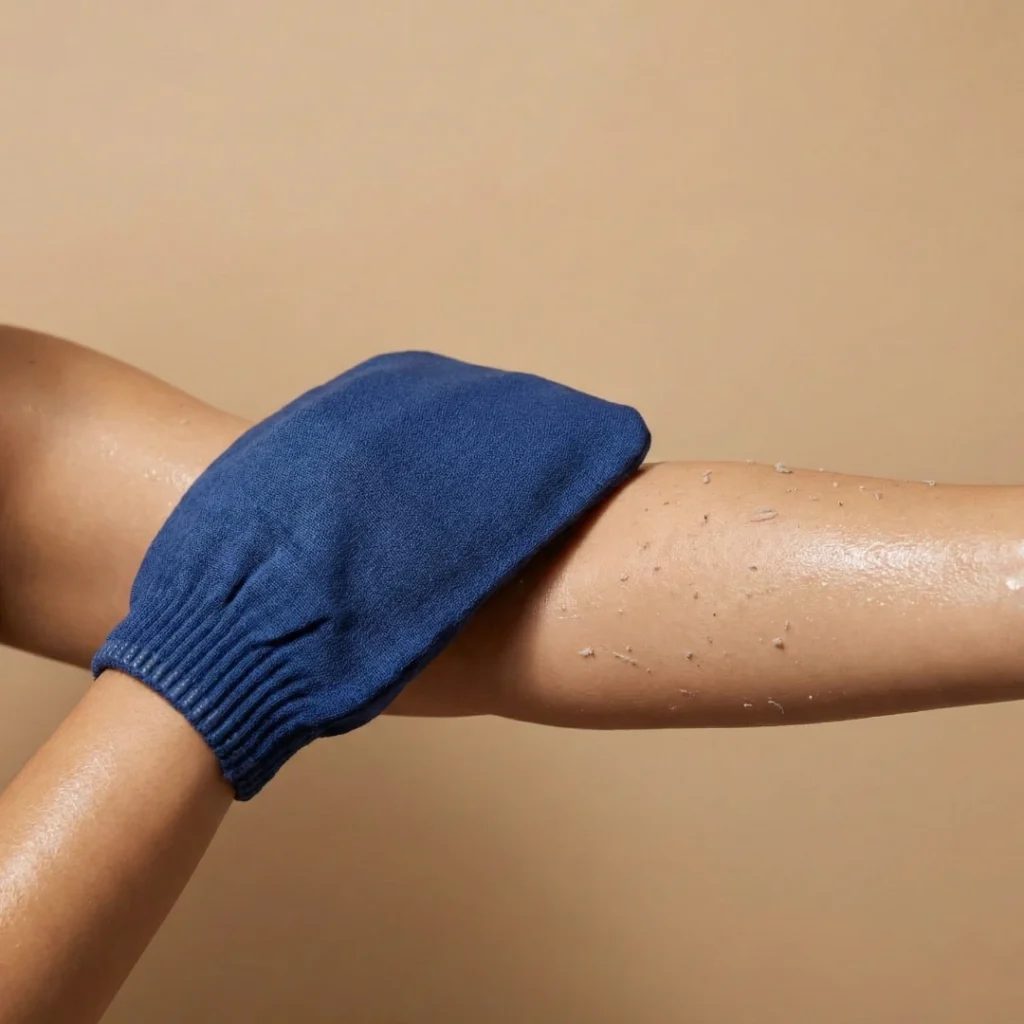
The right Moroccan hammam frequency depends on your skin type, routine, and how your skin responds to exfoliation.
For most skin types:
👉 Once per week is the ideal frequency.
This allows enough time for the skin to:
- maintain smooth texture without irritation
- naturally renew itself
- recover after exfoliation
Dermatology guidance supports gentle exfoliation on a limited frequency and warns that over-exfoliation can damage the skin barrier and cause irritation or breakouts.
👉 Weekly = maintenance + results
👉 Daily = damage
Weekly vs Daily Hammam: What Actually Works?
This is where confusion usually comes in.
👉 Weekly hammam
- supports skin renewal
- maintains smooth texture
- allows recovery time
- aligns with dermatology recommendations
👉 Daily hammam
- strips natural oils
- increases sensitivity
- weakens the skin barrier
- can lead to irritation and dryness
The difference is simple:
👉 Weekly builds results
👉 Daily breaks your skin down
This is why most people who overdo the ritual stop seeing benefits altogether.
The goal is not to exfoliate more.
👉 The goal is to exfoliate at the right rhythm.
How Often Should You Do a Moroccan Hammam Based on Skin Type?
Not all skin reacts the same way.
Normal to Combination Skin
👉 1 time per week
This keeps the skin smooth and balanced without overdoing it.
Dry Skin
👉 Every 10–14 days
Dry skin needs more recovery time. Too much exfoliation can increase dryness.
Oily Skin
👉 1 time per week (sometimes slightly more)
Oily skin can tolerate exfoliation better, but overdoing it can still trigger imbalance.
Sensitive Skin
👉 Every 2–3 weeks
Gentler, less frequent routines are safer to avoid irritation.
Acne-Prone Skin
👉 With caution
Avoid aggressive exfoliation. Focus on gentle pressure and spacing sessions.
Dry skin needs a gentler rhythm, which is explained further in Moroccan Hammam for Different Skin Types (Dry, Oily, Sensitive).
Can You Do a Moroccan Hammam Too Often?
Yes, and this is where many people go wrong.
Too much hammam can lead to:
- skin irritation
- redness
- dryness
- weakened skin barrier
Dermatologists consistently warn against excessive exfoliation and recommend avoiding it on irritated or compromised skin.
👉 If your skin feels tight, sensitive, or reactive after the ritual
→ you’re doing it too often or too aggressively
Signs You’re Doing It Too Frequently
Watch your skin.
If you notice:
- redness after exfoliation
- increased sensitivity
- dryness that doesn’t improve
- discomfort when applying products
👉 your frequency is too high
A proper hammam should leave your skin:
- smooth
- soft
- comfortable
Not irritated.
What Happens to Your Skin Between Hammams (And Why Timing Matters)
To understand how often you should do a Moroccan hammam, you need to understand what your skin is doing between sessions.
Your skin is constantly renewing itself. Dead skin cells gradually move to the surface, where they accumulate and can make the skin feel rough, dull, or uneven. This natural cycle is why exfoliation works, but also why timing matters.
If you perform a hammam too soon, before enough buildup has formed, you are not improving your results. You are simply removing what your skin still needs for protection. This is where over-exfoliation begins.
On the other hand, if you wait too long between sessions, dead skin can accumulate to the point where the skin feels rough and less responsive to hydration. This is when the ritual feels less effective.
👉 The goal is to match your hammam frequency to your skin’s natural renewal cycle.
Another important factor is how your skin behaves after the ritual. If your skin feels smooth, comfortable, and hydrated for several days, your timing is likely correct. If it quickly becomes dry or sensitive, your frequency, or your technique, may need adjustment.
👉 The right timing doesn’t just improve results.
👉 It prevents damage.
Understanding this cycle is what separates a routine that works from one that slowly weakens your skin over time.
How to Maintain Results Between Hammams
This is where most people fail.
They rely only on the ritual… and ignore daily care.
To maintain results:
- moisturize consistently
- avoid harsh products
- keep skin hydrated
- don’t over-cleanse
👉 The hammam gives results
👉 Your routine maintains them
For hair and scalp routines between hammam days, explore Moroccan Hair Care: The Complete Guide to Stronger, Healthier, Shinier Hair.
How to Adjust Your Hammam Frequency for Better Results Over Time
Your ideal frequency is not fixed.
It should evolve based on your skin, your environment, and your routine.
This is where most people fail, they choose one frequency and stick to it, even when their skin is clearly reacting differently over time.
Seasonal changes
Your skin does not behave the same way year-round.
- In colder months, skin tends to be drier and more sensitive
👉 Reduce frequency slightly (every 10–14 days) - In warmer or humid conditions, skin may tolerate exfoliation better
👉 Weekly routines can be maintained more comfortably
How Frequency Changes Between Traditional and At-Home Hammam
Traditional hammams are often more intense:
- stronger steam
- deeper exfoliation
- longer sessions
👉 So they are typically done less often
At-home hammam:
- more controlled
- easier to adjust
- easier to repeat
👉 Can be done slightly more regularly if done gently
How Each Step Affects Frequency
Frequency is not just about the ritual.
It depends on how each step is performed.
Black soap (preparation step)
Softens skin → can be used regularly
👉 To understand this step, explore Moroccan Black Soap Benefits & How to Use It
Kessa glove (exfoliation)
Main limiting factor → don’t overuse
👉 Follow proper technique in How to Use a Kessa Glove Properly
Rhassoul clay (optional)
Gentle cleansing → can be used more flexibly
👉 See how to use it in Rhassoul Clay for Hair and Skin: Benefits & How to Use It
Argan oil (hydration)
Can be used daily
👉 Discover how in Argan Oil After Shower: Benefits for Skin and Hair
👉 Since exfoliation is the core step, the real question becomes how often should you exfoliate your body without causing irritation. The frequency of your hammam depends mostly on:
how often you exfoliate
For the products that support each hammam routine, read Moroccan Beauty Products: The Complete Guide to Glowing, Clear, and Youthful Skin.
Recommended products
-
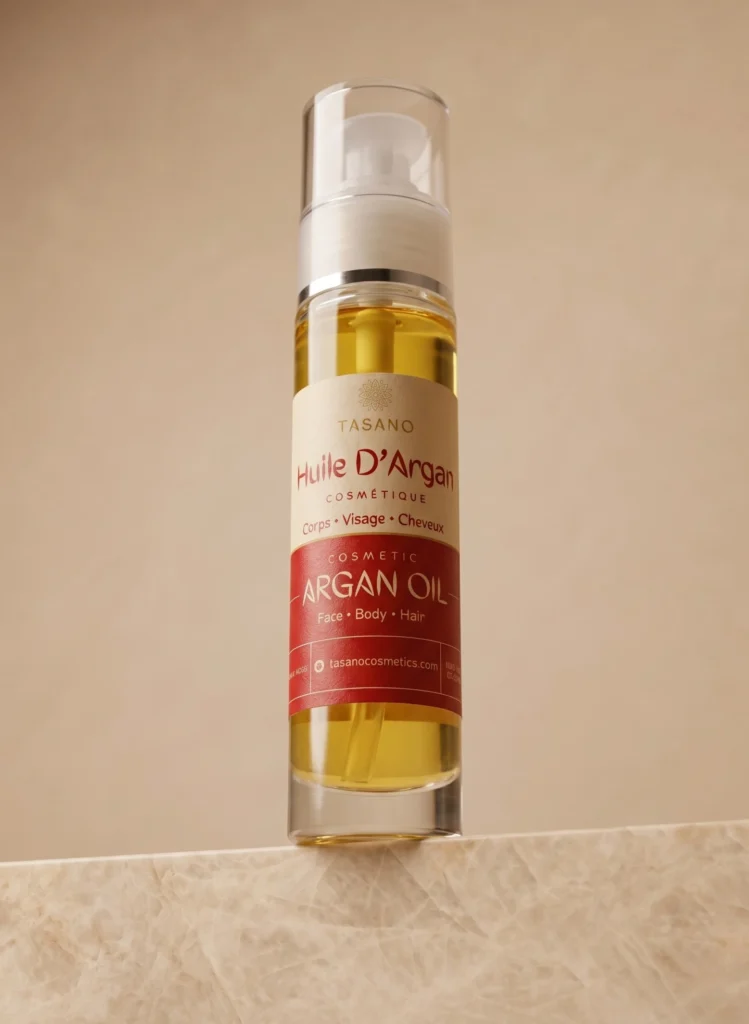
100% Pure Moroccan Argan Oil
Price range: $ 17.00 through $ 26.00 -
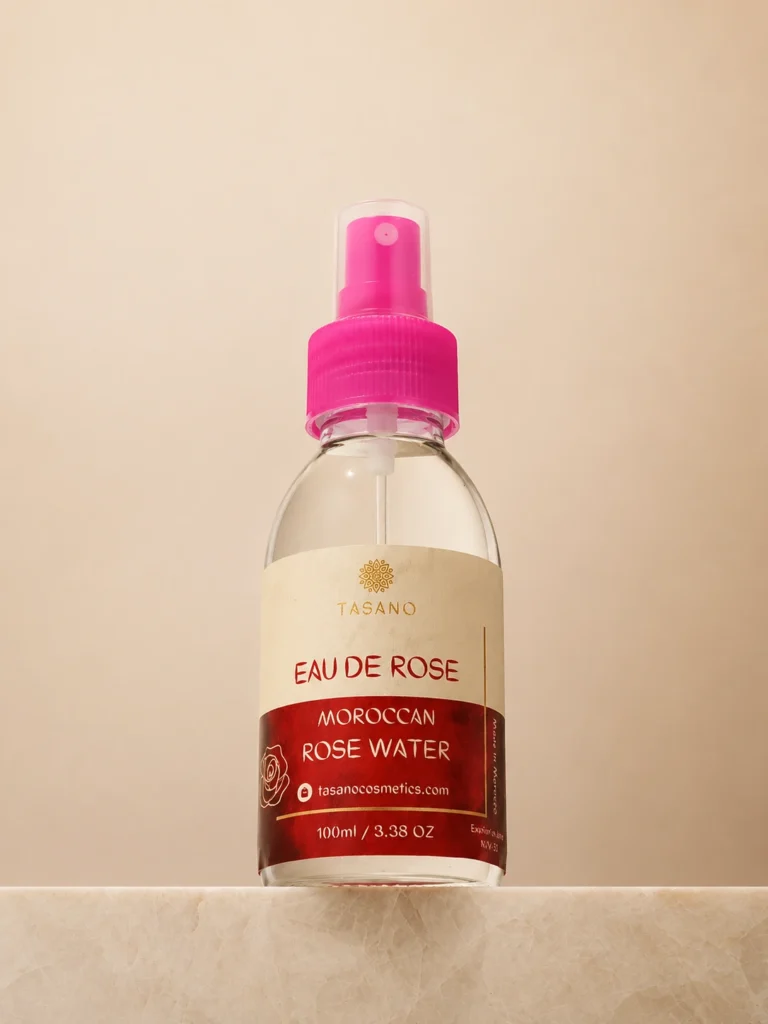
100% Pure Moroccan Rose Water – Toner & Face Mist
$ 6.00 -
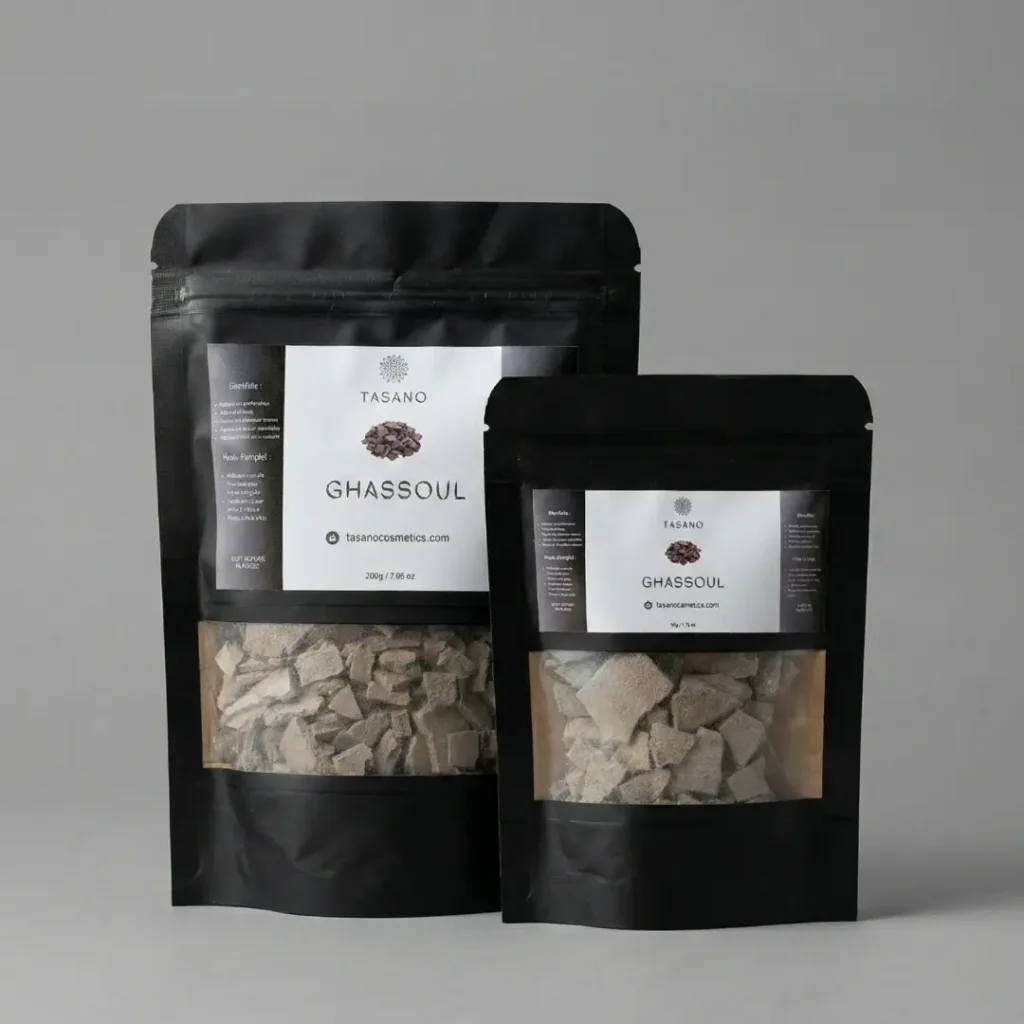
Moroccan Rhassoul (Ghassoul) – Purifying Hair & Skin Clay
Price range: $ 5.00 through $ 13.00 -
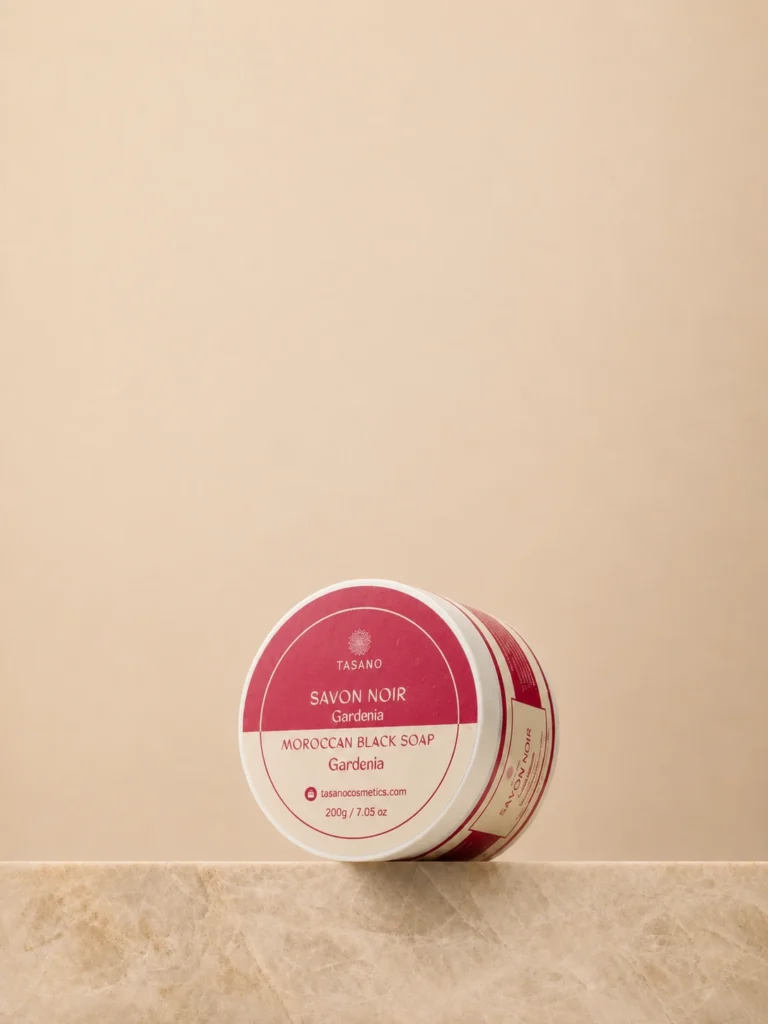
Moroccan Black Soap with Gardenia – Softening
$ 8.00 -
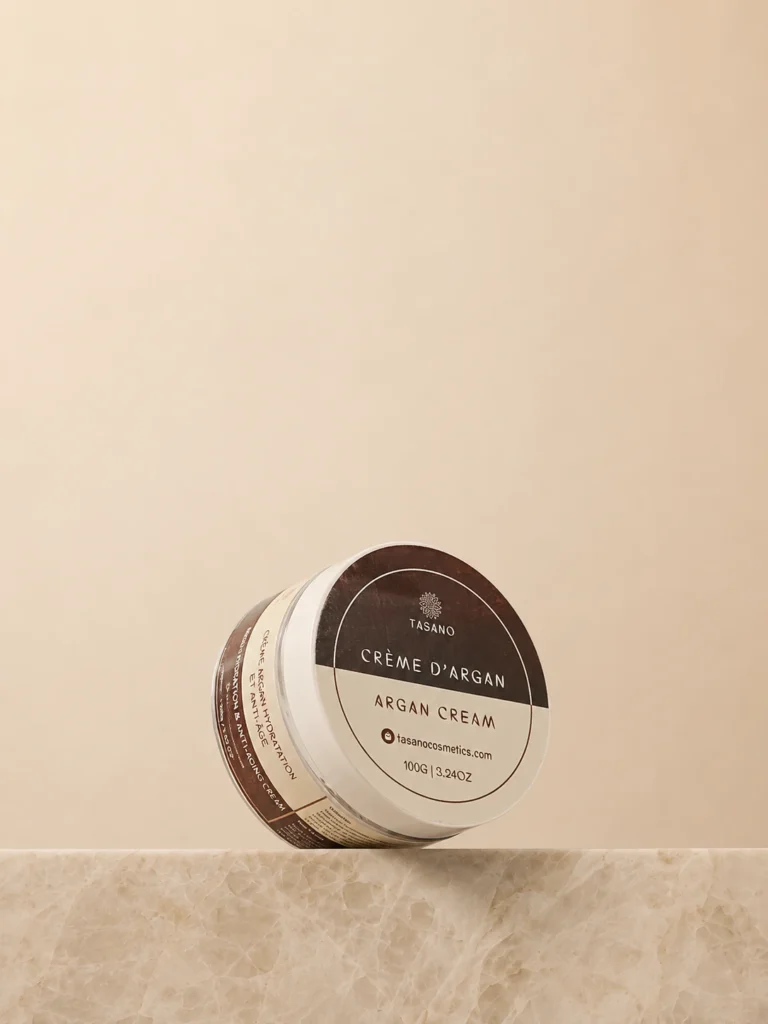
Argan Cream for Dry Skin
$ 14.00
Expert Guidance: Balance Is More Important Than Frequency
Dermatology guidance consistently shows that exfoliation should be approached with balance, not excess. The American Academy of Dermatology recommends choosing an exfoliation frequency that matches your skin type, using gentle pressure, and avoiding over-exfoliation, especially on sensitive or irritated skin. In the same way, medical guidance from Cleveland Clinic emphasizes the importance of restoring moisture after bathing or exfoliating to help protect the skin barrier and reduce dryness. This supports the idea that a Moroccan hammam works best when done at the right rhythm, followed by proper hydration rather than repeated too often.
But dermatology guidance emphasizes:
- gentle pressure
- avoiding damaged skin
- moisturizing immediately afterward
This aligns perfectly with the Moroccan hammam philosophy:
👉 cleanse
👉 exfoliate
👉 restore
Not:
👉 strip
👉 irritate
👉 overload
FAQ: Moroccan Hammam Frequency
How often to do a Moroccan hammam?
For most people, once a week is ideal. This maintains results without over-exfoliating the skin.
Can you do a Moroccan hammam every week?
Many people ask, can you do a Moroccan hammam every week, and for most skin types the answer is yes, for most skin types. Weekly frequency is generally safe when done gently
Is it bad to do a hammam too often?
Yes. Overdoing it can lead to irritation, dryness, and a weakened skin barrier.
How often should you exfoliate with a kessa glove?
Usually once per week or less, depending on skin sensitivity.
How often should you do a Moroccan hammam at home
At-home routines can be done weekly, but intensity should be adjusted to your skin.
How long should you wait between hammams?
Typically 7 to 14 days, depending on skin type and sensitivity.
Final Thoughts: It’s Not About More, It’s About Right
A Moroccan hammam is powerful when used correctly.
But its real strength comes from:
👉 balance
👉 consistency
👉 understanding your skin
Doing it more often won’t improve your results.
Doing it correctly, and at the right frequency, will.
Over time, that’s what leads to:
- smoother skin
- better texture
- lasting comfort
Not intensity.
Enjoyed this guide? Keep TASANO easier to find when you search for Moroccan beauty advice.
