

Moroccan Hammam for Different Skin Types (Dry, Oily, Sensitive)
ByTASANO
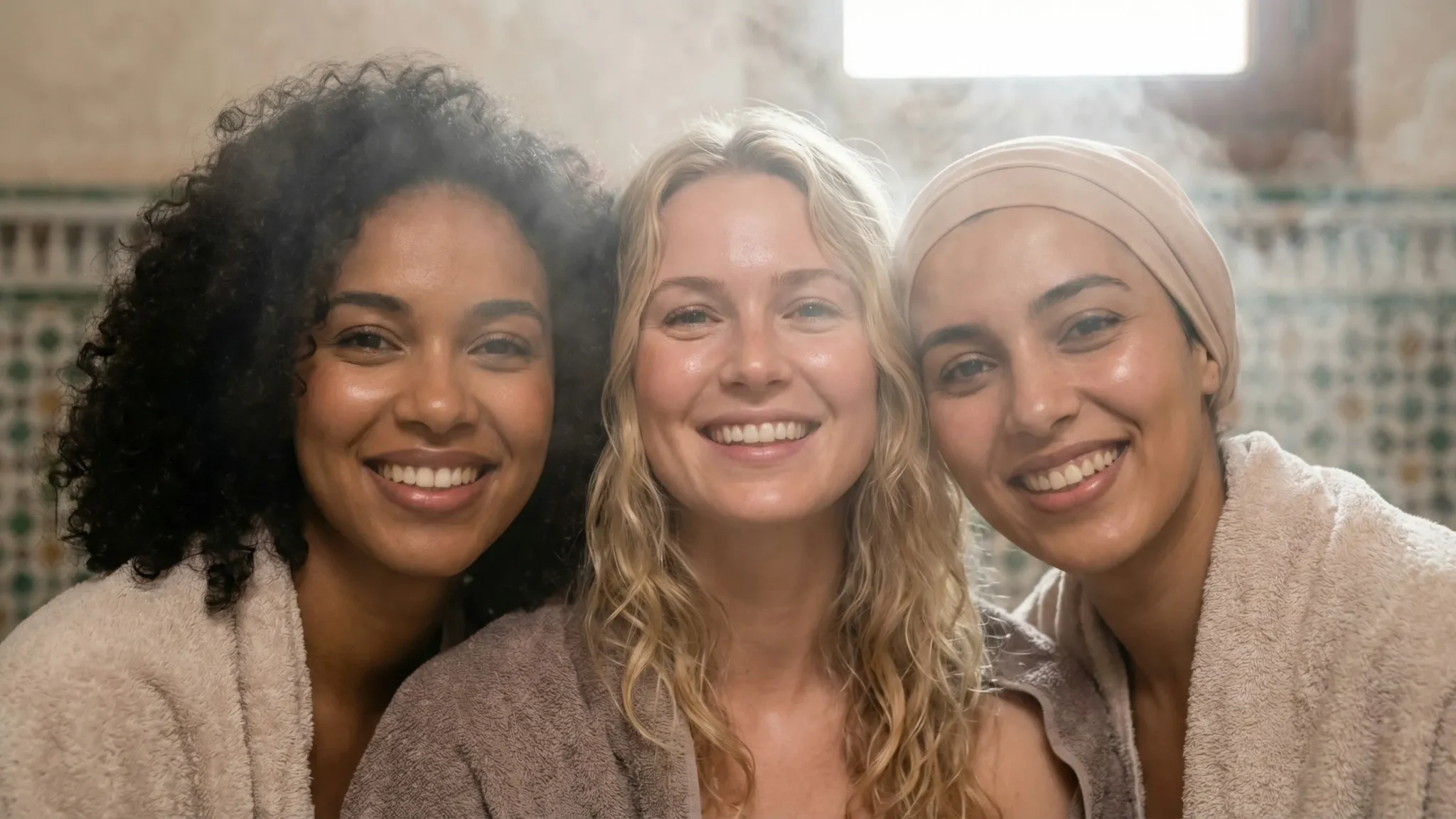
Moroccan hammam for different skin types is not a one-size-fits-all ritual.
A Moroccan hammam can leave the skin smoother, softer, and more refined, but that does not mean every skin type should follow the exact same routine.
That is where most people get it wrong.
A ritual that feels incredible on oily, resilient skin may be too intense for dry or sensitive skin. Dermatologists recommend matching exfoliation method and frequency to skin type, noting that people with dry, sensitive, or acne-prone skin may find mechanical exfoliation more irritating, while thicker or oilier skin may tolerate stronger exfoliation better.
Understanding Moroccan Hammam for Different Skin Types is what separates a routine that works from one that causes irritation. So the real question is not whether a Moroccan hammam works. It is how to adapt it properly.
In this guide, you’ll learn how a Moroccan hammam can be adjusted for different skin types, what each skin type benefits from most, and what to avoid if you want results without irritation.
For the complete ritual before adjusting it by skin type, read The Complete Moroccan Hammam Ritual at Home.
Table of Contents
Why Skin Type Matters in a Moroccan Hammam
A Moroccan hammam includes heat, black soap, exfoliation, rinsing, and hydration. Each of these steps affects the skin differently.
For some skin types, the ritual can feel balancing and clarifying. For others, it can become too much if the exfoliation is too strong or too frequent. The American Academy of Dermatology advises choosing an exfoliation method that suits your skin type, avoiding broken or sunburned skin, and moisturizing immediately afterward.
This is why Moroccan Hammam for Different Skin Types should always be adapted rather than followed blindly.
Moroccan Hammam for Dry Skin
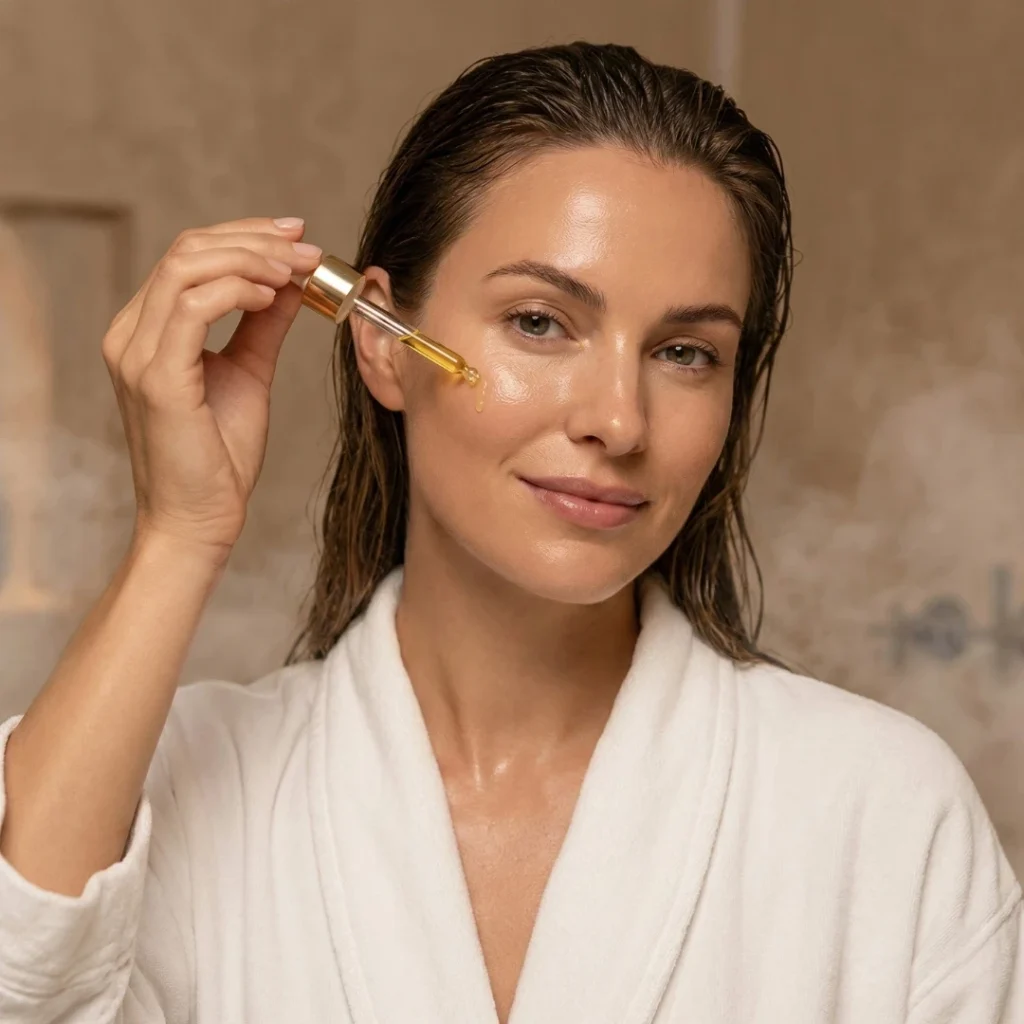
Moroccan Hammam for Different Skin Types begins with adjusting the ritual for dry skin to protect hydration and comfort. It needs a softer, more protective version of the ritual.
Dry skin is already more vulnerable to tightness, flaking, and discomfort, and over-exfoliation can make that worse. Dermatology and medical guidance both emphasize moisturizing immediately after bathing or exfoliating, especially for dry skin, and recommend fragrance-free moisturizers with barrier-supportive ingredients.
What Dry Skin Benefits From Most
A Moroccan hammam can still be excellent for dry skin when done gently. It can help:
- make moisturizers and oils feel more effective afterward
- remove dull surface buildup
- improve skin smoothness
How to Adapt the Ritual for Dry Skin
For dry skin, use:
- shorter steam exposure
- gentle pressure with the kessa glove
- less frequent exfoliation
- immediate post-ritual hydration
What to Avoid
Avoid:
- very hot water
- aggressive scrubbing
- repeating the ritual too often
- strongly fragranced products afterward
Moroccan Hammam for Oily Skin
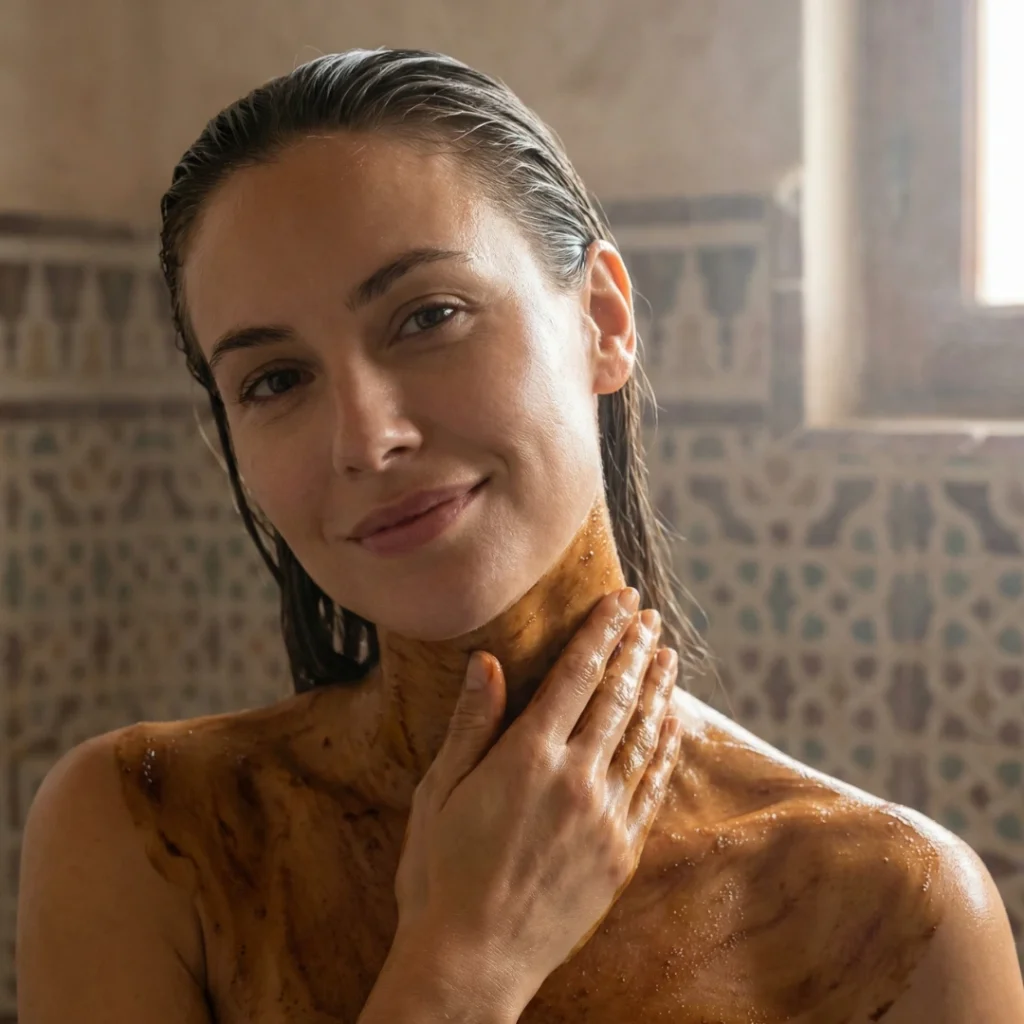
Moroccan Hammam for Different Skin Types also applies to oily skin, where balance matters more than intensity. Oily skin often tolerates the ritual better, but that does not mean more friction is better.
Cleveland Clinic notes that oily skin can worsen when it becomes irritated, and advises against scrubbing too hard because irritation can trigger more oil production.
What Oily Skin Benefits From Most
A Moroccan hammam can help oily skin by:
- leaving the skin cleaner and more balanced
- removing excess surface buildup
- improving the feel of congestion-prone areas
How to Adapt the Ritual for Oily Skin
Oily skin usually handles:
- a standard weekly rhythm
- a more complete exfoliation step
- optional clay cleansing more comfortably
What to Avoid
Avoid:
- assuming oily skin needs harsh treatment
- using very strong friction just because the skin feels thicker
- skipping moisturizer afterward
That last mistake matters. Even oily skin still needs balanced hydration.
Used properly, Moroccan Hammam for Different Skin Types can help oily skin feel cleaner without triggering excess oil.
Moroccan Hammam for Sensitive Skin
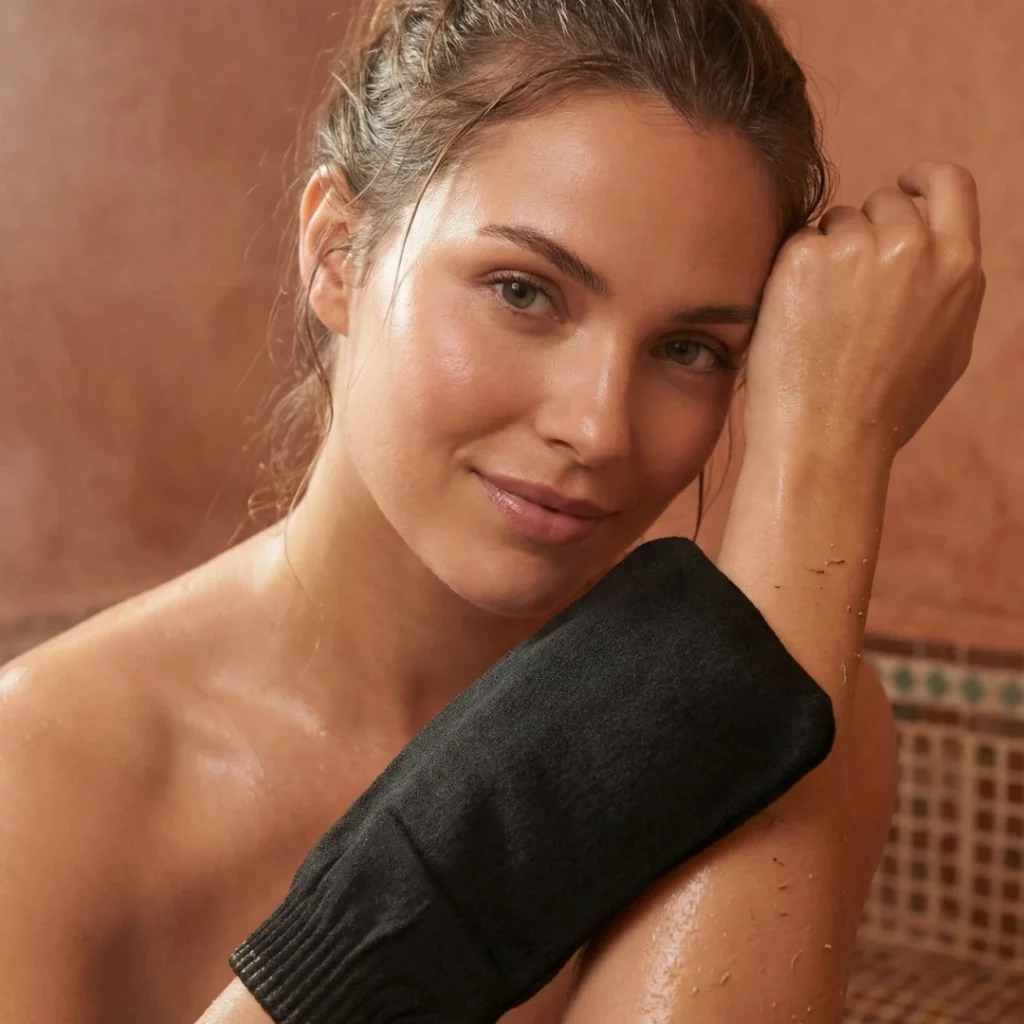
Moroccan Hammam for Different Skin Types is especially important for sensitive skin, where gentleness is key. Sensitive skin requires the most caution.
AAD guidance specifically notes that those with dry, sensitive, or acne-prone skin may prefer gentler exfoliation methods because mechanical exfoliation can be too irritating.
Can Sensitive Skin Still Benefit?
Yes, but only when the ritual is softened.
A gentler Moroccan hammam can still help sensitive skin feel smoother and more comfortable, but the exfoliation step must be reduced in intensity and frequency.
How to Adapt the Ritual for Sensitive Skin
For sensitive skin:
- keep steam exposure brief
- use lighter pressure
- shorten the exfoliation step
- leave more time between sessions
- moisturize immediately afterward
What to Avoid
Avoid:
- strong kessa pressure
- long hot showers or steam sessions
- layering the ritual with other exfoliating actives the same day
For a gentler exfoliation approach, follow How to Use a Kessa Glove Properly so the skin feels refined rather than irritated.
Moroccan Hammam for Combination Skin
Combination skin usually needs balance more than intensity.
Some areas may tolerate exfoliation very well, while others feel drier or more reactive. This means the same ritual does not need to be applied with the same pressure everywhere.
Best Approach for Combination Skin
- exfoliate more gently on drier zones
- focus more attention on rougher or oilier body areas
- keep hydration consistent afterward
- adjust frequency based on how the driest areas respond
This is often one of the easiest skin types to work with, provided the ritual remains balanced.
Moroccan Hammam for Acne-Prone Skin
This is the category where people often get reckless.
Exfoliation can help remove buildup, but acne-prone skin is also more easily irritated. AAD says acne-prone skin may find mechanical exfoliation too irritating, and Cleveland Clinic notes that rough scrubbing can aggravate oily or breakout-prone skin.
What Helps
- gentle heat
- softening with black soap
- careful, non-aggressive exfoliation on the body
- immediate hydration after the ritual
What to Avoid
Avoid scrubbing inflamed or broken-out areas aggressively. That is not treatment. That is irritation.
Which Step of the Ritual Changes Most by Skin Type?
The answer is simple:
👉 exfoliation
The key to Moroccan Hammam for Different Skin Types is adjusting exfoliation based on what your skin can tolerate. The biggest difference between skin types is not whether they can benefit from a hammam. It is how much exfoliation they can tolerate and how often.
Dry and sensitive skin usually need:
- less pressure
- less frequency
- more hydration
Oily or thicker skin may tolerate:
- a fuller exfoliation step
- weekly routines
- clay more comfortably
That is why the kessa glove is the step that should be adjusted first.
The Best Moroccan Hammam Routine for Skin Type
Moroccan Hammam for Different Skin Types becomes easier to follow when each routine is clearly adapted.
Dry Skin Routine
- brief steam or warm shower
- Moroccan black soap
- gentle exfoliation
- rinse
- rich moisturizer or argan oil
Oily Skin Routine
- steam or warm shower
- Moroccan black soap
- standard kessa exfoliation
- optional ghassoul clay
- light hydration
Sensitive Skin Routine
- short warm shower
- black soap in a lighter layer
- very gentle exfoliation or shorter exfoliation step
- rinse
- immediate soothing moisturizer
Combination Skin Routine
- warm shower
- black soap
- adjusted exfoliation by area
- rinse
- balanced hydration
At its core, Moroccan Hammam for Different Skin Types is about adapting the same ritual to different needs.
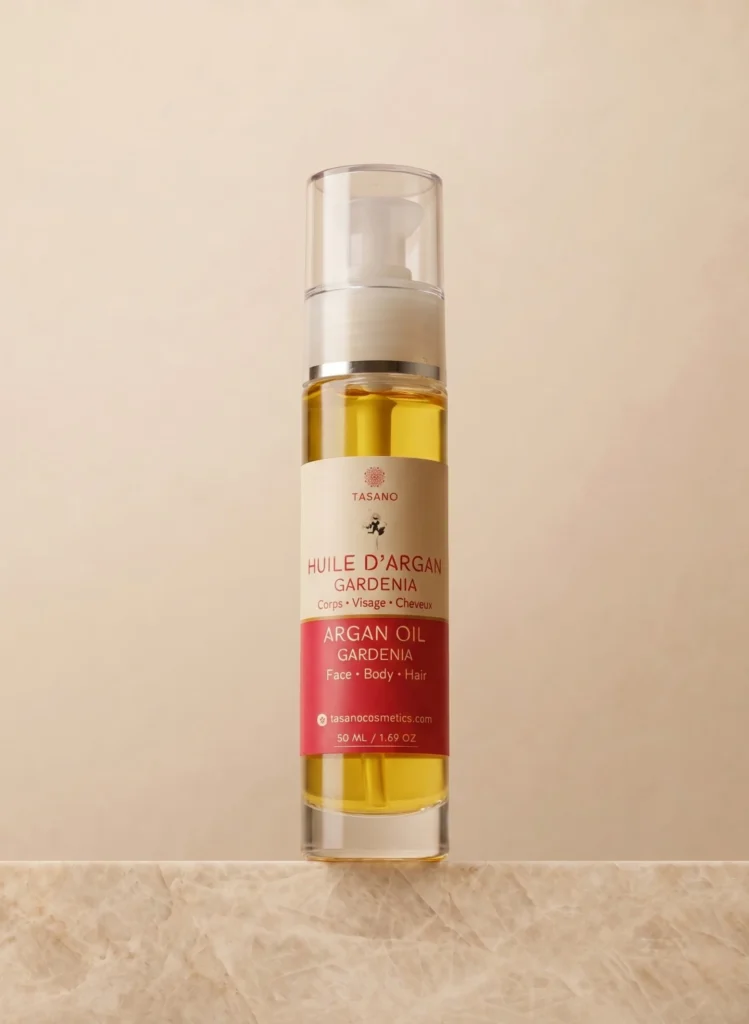
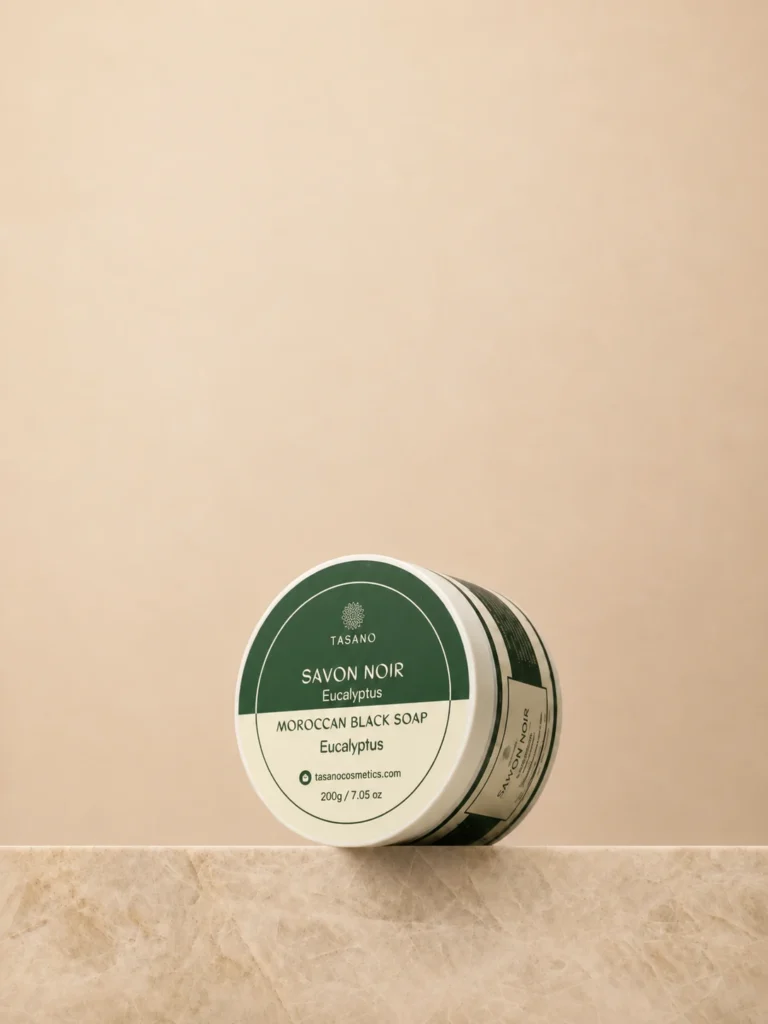
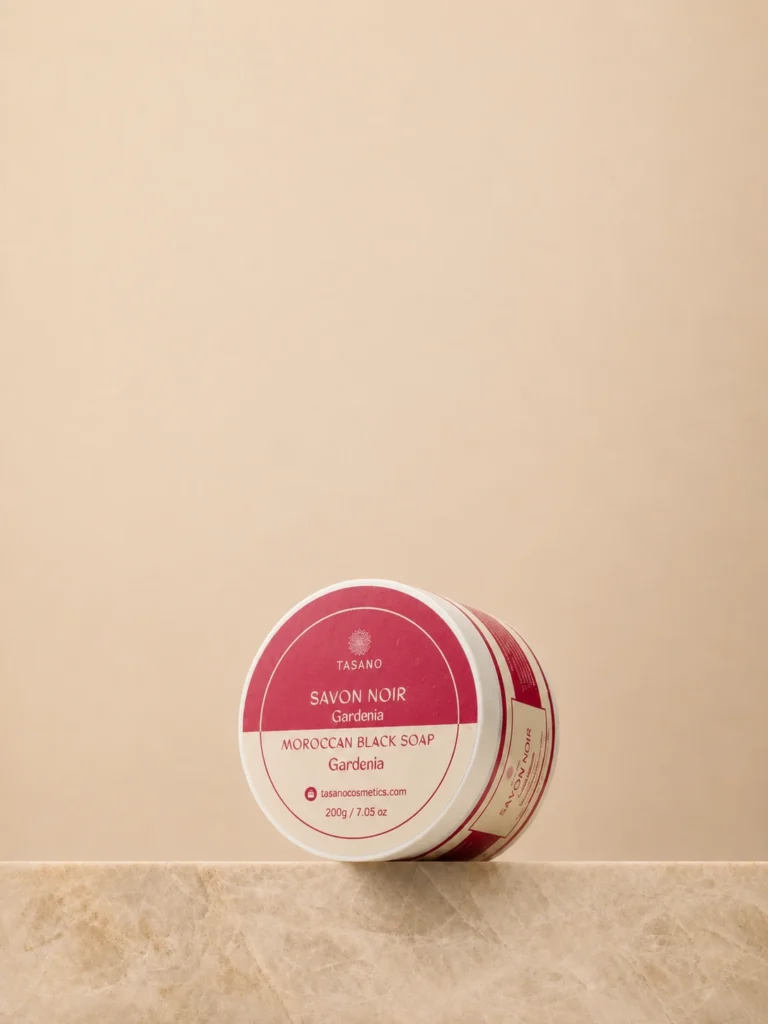
Recommended products
What Happens If You Use the Wrong Version for Your Skin Type?
This is where people start blaming the ritual when the real problem is the method.
If the routine is too strong for your skin type, you may notice:
- redness
- tightness
- stinging afterward
- dryness that gets worse instead of better
- discomfort when applying products later
AAD’s safe exfoliation guidance warns that over-exfoliation can irritate the skin and that method and frequency should be tailored to the individual.
A good hammam should leave the skin renewed, not stressed.
How to Know If Your Skin Type Is Responding Well
You are probably doing it right if your skin feels:
- smoother
- softer
- more comfortable after moisturizing
- less rough without feeling raw
You are probably doing too much if your skin feels:
- tight for too long
- reactive
- itchy
- unusually dry or irritated
That feedback matters more than blindly following a generic routine.
How This Connects to the Full Ritual
The Moroccan hammam works best when each step supports the next, and each one can be adapted by skin type.
To simplify Moroccan Hammam for Different Skin Types, it helps to break the routine down clearly:
The ritual begins with skin preparation, which is why it helps to start with Moroccan Black Soap Benefits & How to Use It to understand how black soap softens the skin before exfoliation.
The exfoliation stage should then be adjusted carefully, especially for sensitive or dry skin. For skin types that benefit from an extra purification step, discover how clay fits into the ritual in Rhassoul Clay for Hair and Skin: Benefits & How to Use It. To finish with softness and comfort, explore the role of argan oil after shower for skin and hair.
For a broader guide to choosing Moroccan skincare ingredients, read Best Moroccan Skincare Products for Dry, Oily & Combination Skin (Complete Guide).
Expert Advice: Match Exfoliation to Your Skin Type
Skin experts consistently emphasize that exfoliation should not be one-size-fits-all. The American Academy of Dermatology recommends choosing an exfoliation method that suits your skin type and notes that dry, sensitive, and acne-prone skin may find mechanical exfoliation too irritating, while thicker or oilier skin may tolerate more. AAD also advises moisturizing immediately after exfoliation, and Cleveland Clinic warns that irritated oily skin can actually become worse with harsh scrubbing.
FAQ: Moroccan Hammam for Different Skin Types
Is Moroccan hammam good for dry skin?
Yes, if the ritual is softened. Dry skin usually benefits from gentler exfoliation, less frequent sessions, and immediate moisturization afterward.
Is Moroccan hammam good for oily skin?
Yes. Oily skin often tolerates the ritual well, but harsh scrubbing can still increase irritation and imbalance.
Is Moroccan hammam good for sensitive skin?
It can be, but it needs caution. A gentler version is usually better because mechanical exfoliation may irritate sensitive skin.
How often should dry skin do a Moroccan hammam?
Usually less often than oily skin. Many people with dry skin do better with every 10 to 14 days rather than weekly, especially if exfoliation is strong. This is an adaptation based on dermatology guidance about dry skin and exfoliation sensitivity.
Should oily skin use a kessa glove?
Often yes, but with controlled pressure. Scrubbing too hard can irritate the skin and worsen oiliness.
What skin type benefits most from a Moroccan hammam?
Many skin types can benefit, but the ritual must be adjusted. Oily and combination skin often tolerate it more easily, while dry and sensitive skin need a softer version.
Final Thoughts: The Best Hammam Is the One Your Skin Can Tolerate
A Moroccan hammam is not reserved for one perfect skin type.
Dry skin can benefit. Oily skin can benefit. Sensitive skin can benefit too.
But they should not all be treated the same way.
That is the real lesson.
The ritual works best when the pressure, frequency, and finishing care match the skin in front of you. Once that happens, the results become much more consistent:
- smoother skin
- better texture
- more comfort
- less risk of irritation
In the end, Moroccan hammam for different skin types is about using the same ritual differently to get better results for your skin. The goal is not to copy the strongest version of the ritual.
The goal is to use the right version.
Enjoyed this guide? Keep TASANO easier to find when you search for Moroccan beauty advice.
