

What Happens in a Moroccan Hammam? (Full Experience Explained)
ByTASANO
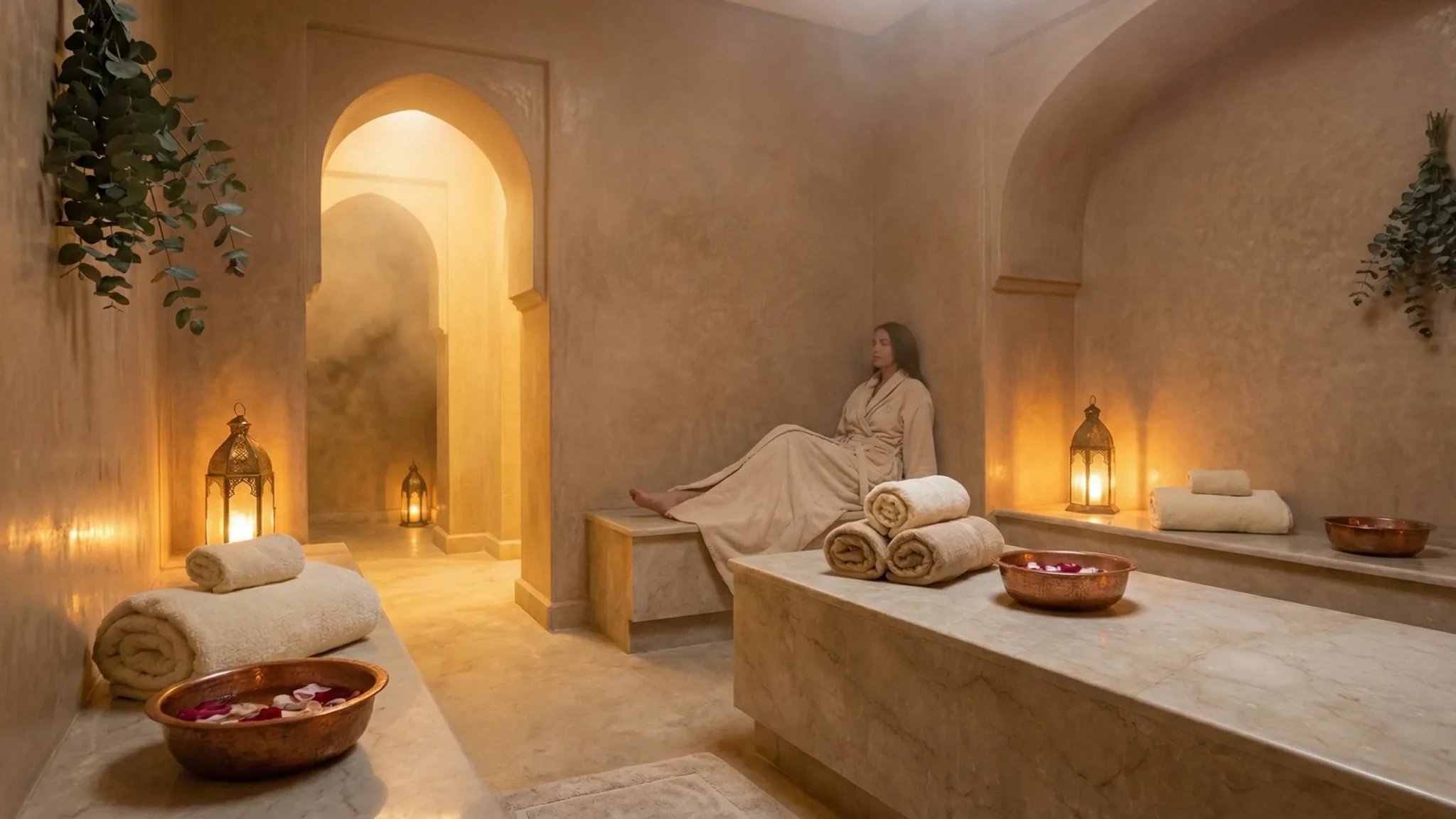
What happens in a Moroccan hammam is one of the most common questions people ask before trying the ritual for the first time.
And the truth is simple:
It’s not just a bath.
It’s a structured experience designed to cleanse, exfoliate, and renew the skin step by step.
Once you know what happens in a Moroccan hammam, the sequence feels logical rather than overwhelming, and the entire process becomes much easier to follow, and much more effective.
For the full at-home version of the ritual, read The Complete Moroccan Hammam Ritual at Home.
Table of Contents
The Moroccan Hammam Experience: Step by Step
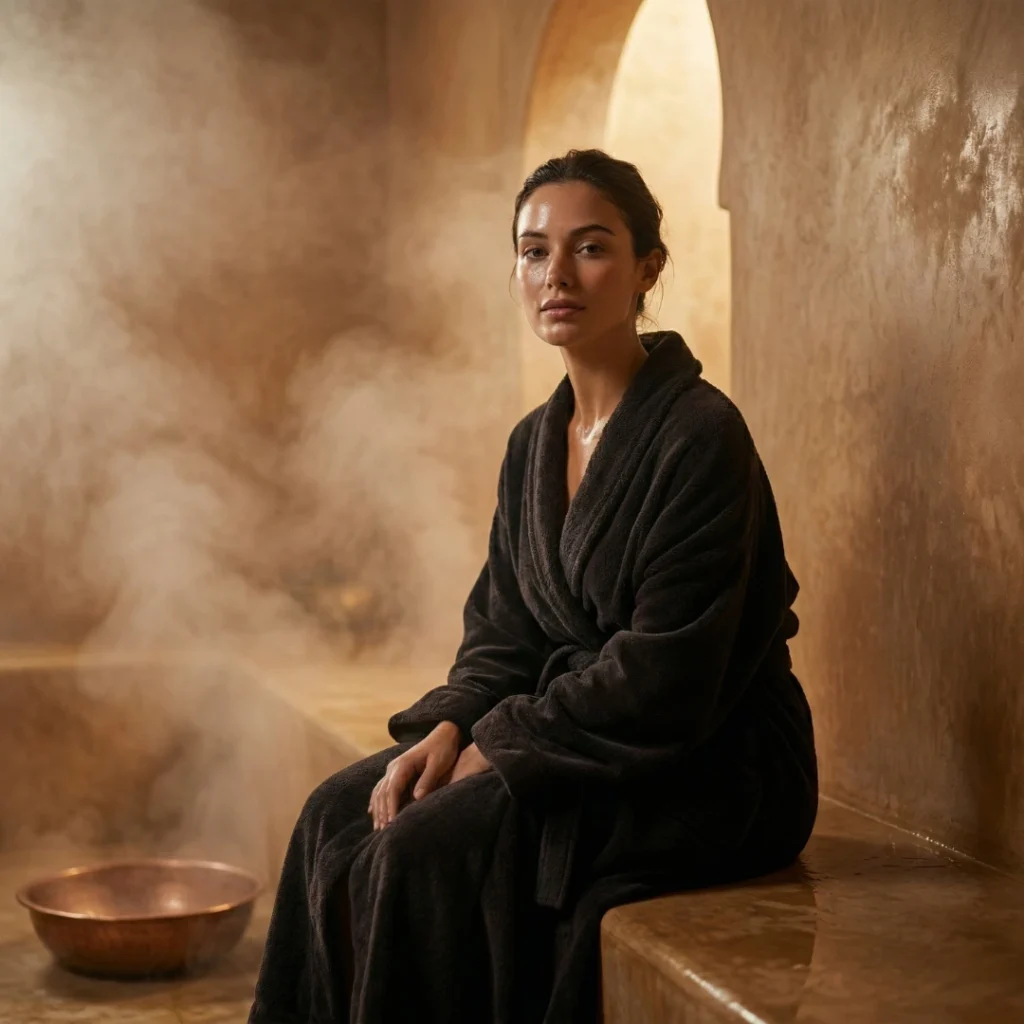
What happens in a Moroccan hammam is not random, it follows a structured order designed to prepare and treat the skin step by step.
Step 1: Heat and Steam (Preparation)
The experience begins with heat.
You enter a warm, steamy space or take a hot shower to open the pores and soften the skin. This step is essential because it prepares the skin for cleansing and exfoliation.
Without proper preparation, the rest of the ritual becomes less effective.
Step 2: Moroccan Black Soap (Softening the Skin)
Next comes Moroccan black soap.
This olive-based paste is applied to the skin and left on for a few minutes. It doesn’t foam like regular soap—it works by softening the skin and loosening dead skin cells.
👉 This is what makes exfoliation effective later.
To understand why this step matters, read Moroccan Black Soap Benefits & How to Use It and how it prepares the skin before exfoliation.
Step 3: Kessa Glove Exfoliation (The Key Moment)
Many people are surprised by what happens in a Moroccan hammam, especially during the exfoliation stage.
Using a kessa glove, the skin is exfoliated to remove dead cells that have been softened by the black soap.
This is where you actually see the result, visible exfoliation and smoother skin.
For proper technique, follow How to Use a Kessa Glove Properly to avoid irritation and get better results.
Step 4: Rinsing (Resetting the Skin)
After exfoliation, the skin is thoroughly rinsed.
This removes all residue and leaves the skin clean and ready for the next step.
Step 5: Rhassoul Clay (Optional Purification)
Some routines include rhassoul clay.
This natural clay helps absorb impurities and can be used on both skin and hair.
Learn how to use it correctly in Ghassoul Clay for Hair and Skin: Benefits & How to Use It.
Step 6: Nourishing the Skin (Argan Oil or Moisturizer)
After cleansing and exfoliation, the skin is more receptive.
This is when argan oil or moisturizers are applied to restore softness and hydration.
Discover why this step matters in Argan Oil After Shower: Benefits for Skin and Hair.
Step 7: Rest and Recovery
The final step is often overlooked.
The body relaxes, the skin settles, and the full effect of the ritual becomes noticeable.
👉 This is where the “Hammam Glow” appears.
Recommended products
-
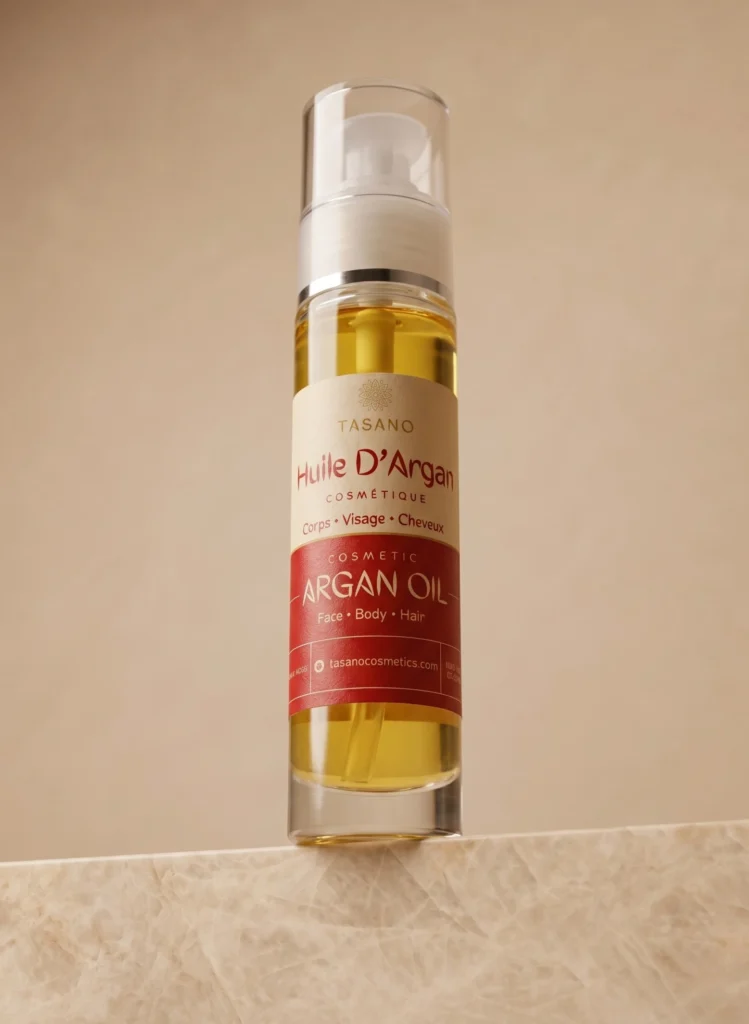
100% Pure Moroccan Argan Oil
Price range: $ 17.00 through $ 26.00 -
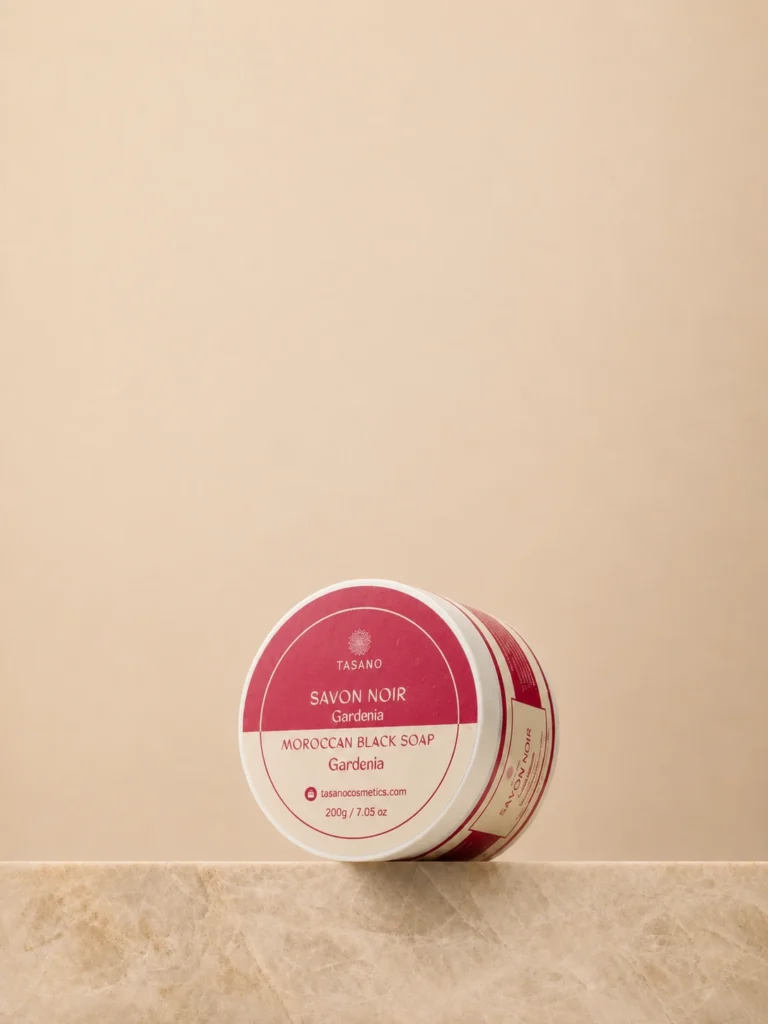
Moroccan Black Soap with Gardenia – Softening
$ 8.00 -
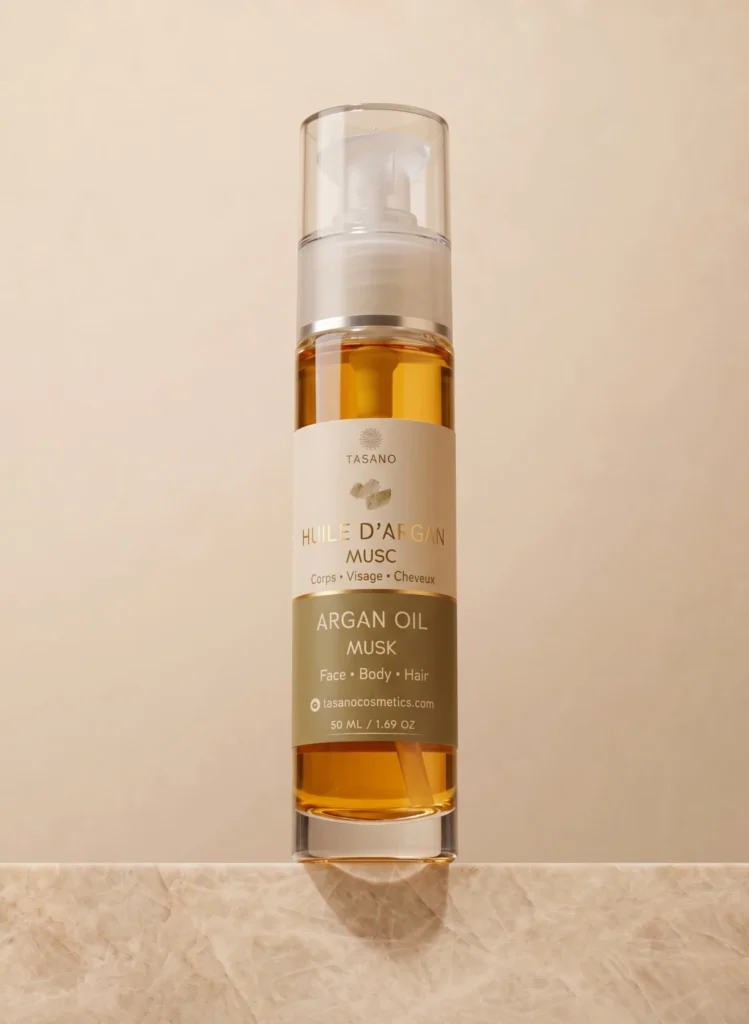
Musk Argan Oil for Hair & Body
$ 21.00 -
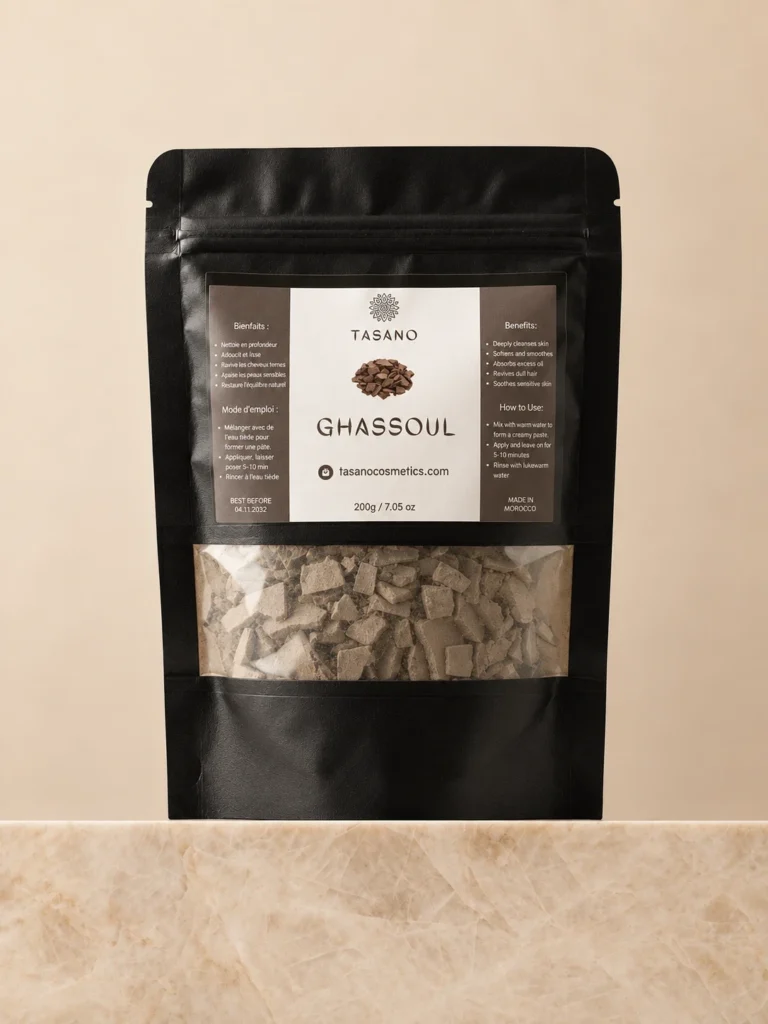
Moroccan Rhassoul (Ghassoul) – Purifying Hair & Skin Clay
Price range: $ 5.00 through $ 13.00
What Does a Moroccan Hammam Feel Like?
The experience is not just physical, it’s sensory.
- warmth
- steam
- water
- friction during exfoliation
- smoothness afterward
At first, it can feel intense. But once the process is complete, the skin feels:
- softer
- cleaner
- noticeably smoother
What Do You Wear in a Moroccan Hammam?
This depends on the setting.
- In traditional public hammams: minimal clothing or underwear
- In private or spa settings: disposable garments or towels
The key point is comfort and practicality.
What Should You Bring to a Moroccan Hammam? (And What You Don’t Need)
If you’re wondering what happens in a Moroccan hammam, one of the most common follow-up questions is what to bring.
The answer depends on whether you’re going to a traditional public hammam, a private spa, or doing it at home. But in most cases, you actually need less than you think.
In a traditional setting, the essentials are simple:
- a towel or two
- underwear or minimal clothing
- flip-flops or sandals
- a kessa glove
- Moroccan black soap
Some people also bring a bucket or bowl for rinsing, depending on the hammam setup.
In a spa environment, most of this is provided for you. You’ll typically receive:
- disposable underwear
- towels
- basic products
👉 Which means you can focus entirely on the experience.
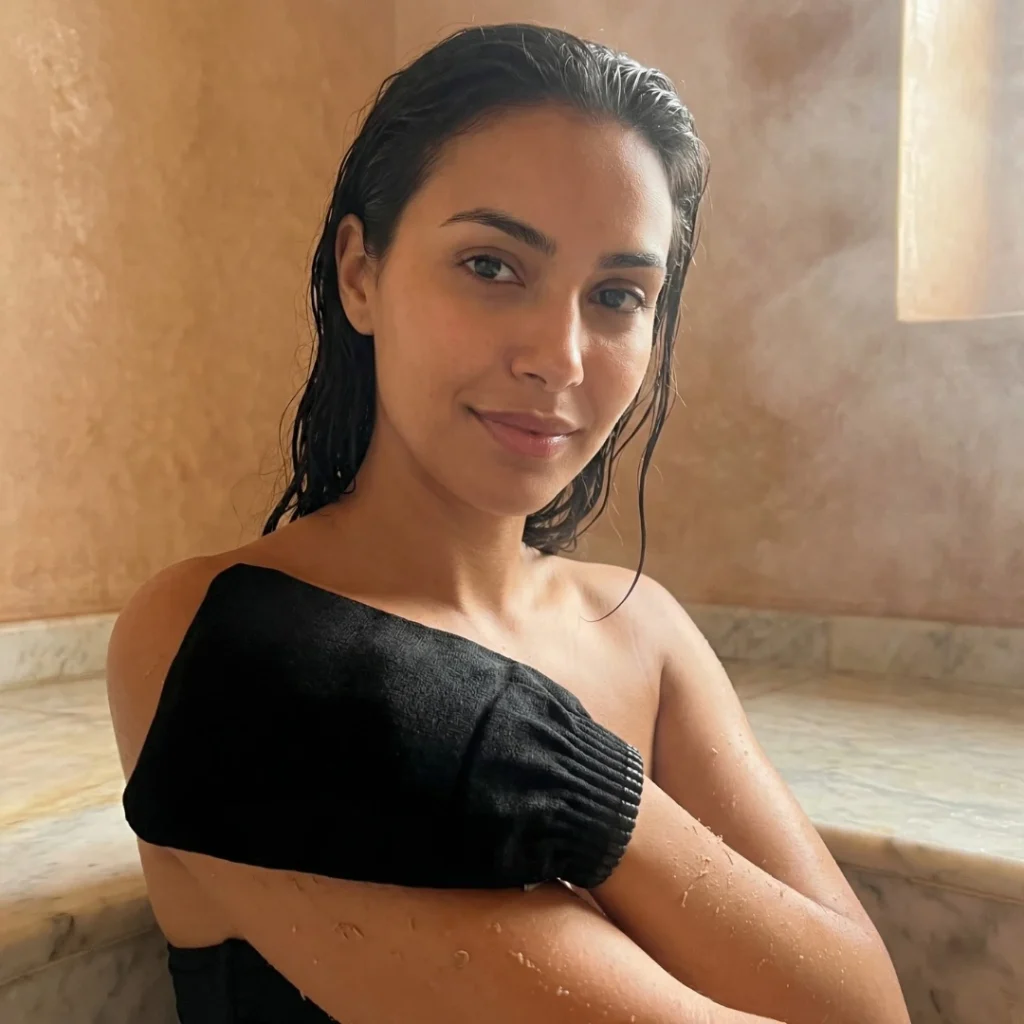
At home, the setup is even more flexible. You can recreate the ritual using:
- warm water or steam from a hot shower
- black soap
- a kessa glove
- optional ghassoul clay
- a nourishing oil or moisturizer
What matters is not having a perfect setup. It’s understanding the sequence.
One mistake beginners make is over complicating things, buying too many products or tools. But what happens in a Moroccan hammam is based on simplicity:
- hydration
- preparation
- exfoliation
- cleansing
Everything else is optional.
👉 The goal is not to recreate a luxury spa.
👉 The goal is to follow the logic of the ritual.
How Long Does a Moroccan Hammam Take?
A full Moroccan hammam typically takes:
👉 30 to 60 minutes
At home, it can be shorter or adapted depending on your routine.
Is a Moroccan Hammam Painful?
Not when done correctly.
Exfoliation can feel strong, especially the first time, but it should not feel painful.
If it does, the pressure is too much.
What Most People Don’t Expect in a Moroccan Hammam (First-Time Reality)
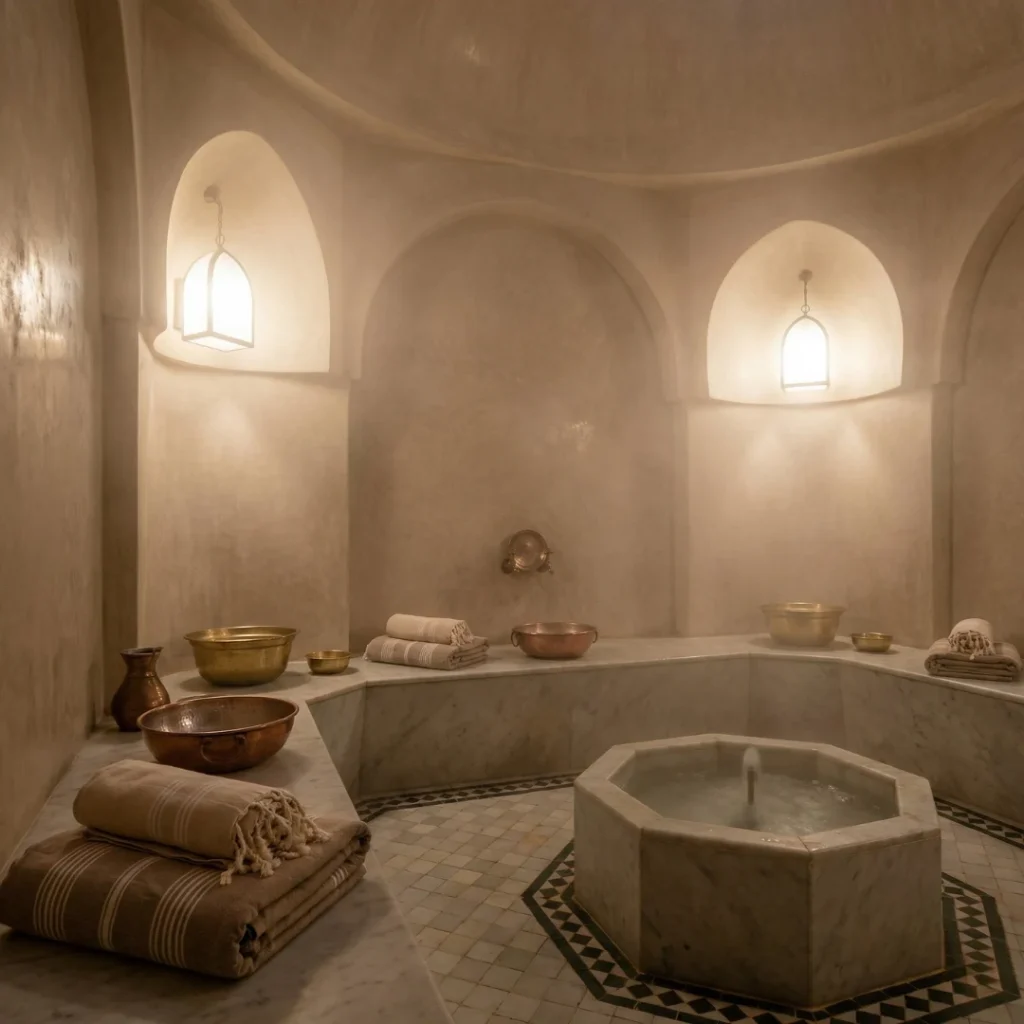
Reading about what happens in a Moroccan hammam is one thing. Experiencing it for the first time can feel very different.
One of the biggest surprises is how hands-on the ritual can be, especially in traditional settings. In public hammams, the process is often more practical than luxurious. The focus is on cleansing and exfoliation, not on creating a spa-like atmosphere.
Another thing people don’t expect is how visible the exfoliation results can be. During the kessa glove step, dead skin may roll off in a way that feels surprising the first time. This is completely normal and part of how the ritual works.
The level of heat can also feel more intense than expected. Steam and warm water are used to soften the skin, but for someone new to the experience, it may take a few minutes to adjust. Taking breaks and staying hydrated helps make the process more comfortable.
Privacy is another common question. Depending on the hammam, spaces may be shared, and routines are often done in a communal environment. For first-timers, this can feel unfamiliar, but it is a normal part of traditional hammam culture.
At the same time, modern spa versions of the hammam offer a more private and guided experience, which can be a good starting point if you’re unsure.
👉 The key is this: once you understand what happens in a Moroccan hammam, these elements stop feeling surprising and start making sense.
What may feel unfamiliar at first quickly becomes part of a rhythm:
- preparation
- cleansing
- exfoliation
- renewal
And that’s when the experience shifts from uncertain to intentional.
Who Is a Moroccan Hammam For?
A Moroccan hammam can be adapted for:
- dry skin
- oily skin
- sensitive skin
But the intensity must change depending on the skin type.
To adapt the ritual safely, read Moroccan Hammam for Different Skin Types (Dry, Oily, Sensitive).
What Results Should You Expect?
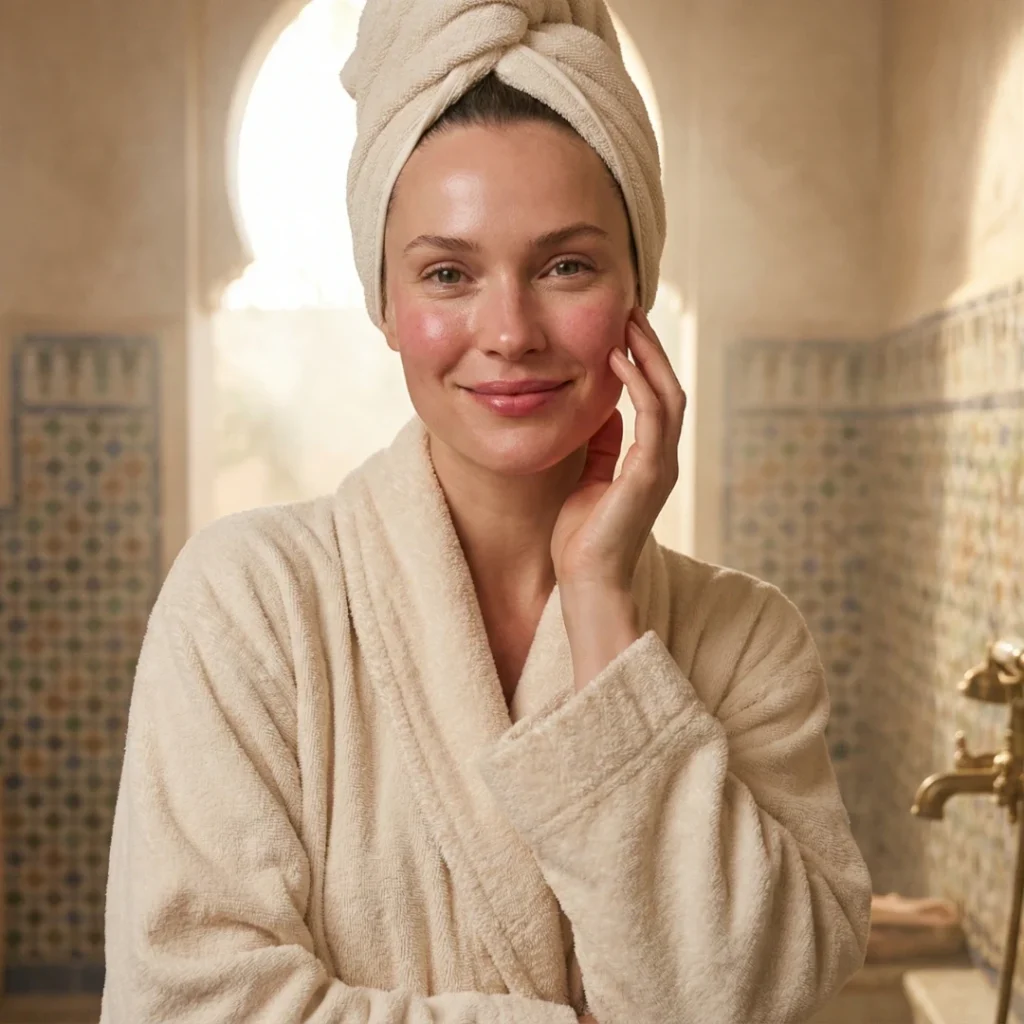
After a proper hammam, most people notice:
- smoother skin
- improved texture
- a cleaner feel
- better absorption of skincare products
The results are immediate, but also improve with consistency.
Common Mistakes to Avoid During a Moroccan Hammam
Understanding what happens in a Moroccan hammam is not just about knowing the steps—it’s also about avoiding the mistakes that reduce results or irritate the skin.
This is where many people go wrong.
1. Skipping the preparation step
Going straight into exfoliation without properly softening the skin is one of the biggest mistakes.
Without heat and steam, dead skin doesn’t loosen properly.
👉 That means weaker results and more friction.
2. Using too much pressure with the kessa glove
Stronger does not mean better.
Aggressive scrubbing can:
- irritate the skin
- cause redness
- damage the skin barrier
👉 The goal is controlled exfoliation, not force.
3. Leaving black soap on for too long
Black soap is meant to soften the skin, not sit on it indefinitely.
Leaving it on too long can:
- dry the skin
- create discomfort
A few minutes is enough.
4. Repeating the ritual too often
More is not better.
Overdoing the hammam can lead to:
- dryness
- sensitivity
- irritation
👉 Most people benefit from a weekly or bi-weekly rhythm.
5. Skipping hydration after the ritual
This is one of the most damaging mistakes.
After exfoliation, the skin is more receptive—but also more vulnerable.
Skipping moisturizer or oil can:
- leave the skin dry
- reduce the benefits of the ritual
6. Using very hot water throughout the entire process
Heat is important—but too much heat strips the skin.
Warm to hot water is enough.
Very hot water can increase dryness and sensitivity.
7. Expecting instant perfection
Yes, results are immediate—but consistency matters.
What happens in a Moroccan hammam becomes more effective over time when the ritual is done properly and regularly.
Why avoiding these mistakes matters
Most people don’t get poor results because the hammam doesn’t work.
They get poor results because:
- they rush
- they overdo it
- they skip key steps
Once these mistakes are removed, the ritual becomes much more consistent:
- smoother skin
- better texture
- more comfort
Expert Insight: Why This Works
Dermatology guidance supports key parts of the hammam process. The American Academy of Dermatology recommends gentle exfoliation, avoiding over-scrubbing, and moisturizing immediately afterward to protect the skin barrier.
👉 This aligns directly with how the Moroccan hammam is traditionally performed.
How This Connects to the Full Ritual
A Moroccan hammam is not just one step—it’s a complete system.
Each step of the hammam builds on the previous one. Moroccan black soap prepares the skin, exfoliation removes buildup, and hydration restores balance. To understand the full sequence in detail, follow The Complete Moroccan Hammam Ritual at Home for a complete step-by-step guide.
FAQ: What Happens in a Moroccan Hammam
What happens in a Moroccan hammam for the first time?
You go through a sequence of heat, cleansing, exfoliation, rinsing, and hydration. The experience may feel intense at first but leaves the skin noticeably smoother.
Do you wear clothes in a Moroccan hammam?
Usually minimal clothing, depending on the setting.
Is a Moroccan hammam hygienic?
Yes, when properly maintained. Public hammams follow cleaning routines, and private hammams offer controlled environments.
Is a Moroccan hammam good for your skin?
Yes, when done correctly. It helps remove dead skin cells and improve texture.
How often should you do a traditional Moroccan Hammam experience?
Most people do it once per week or every two weeks depending on skin type.
Final Thoughts: More Than Just a Bath
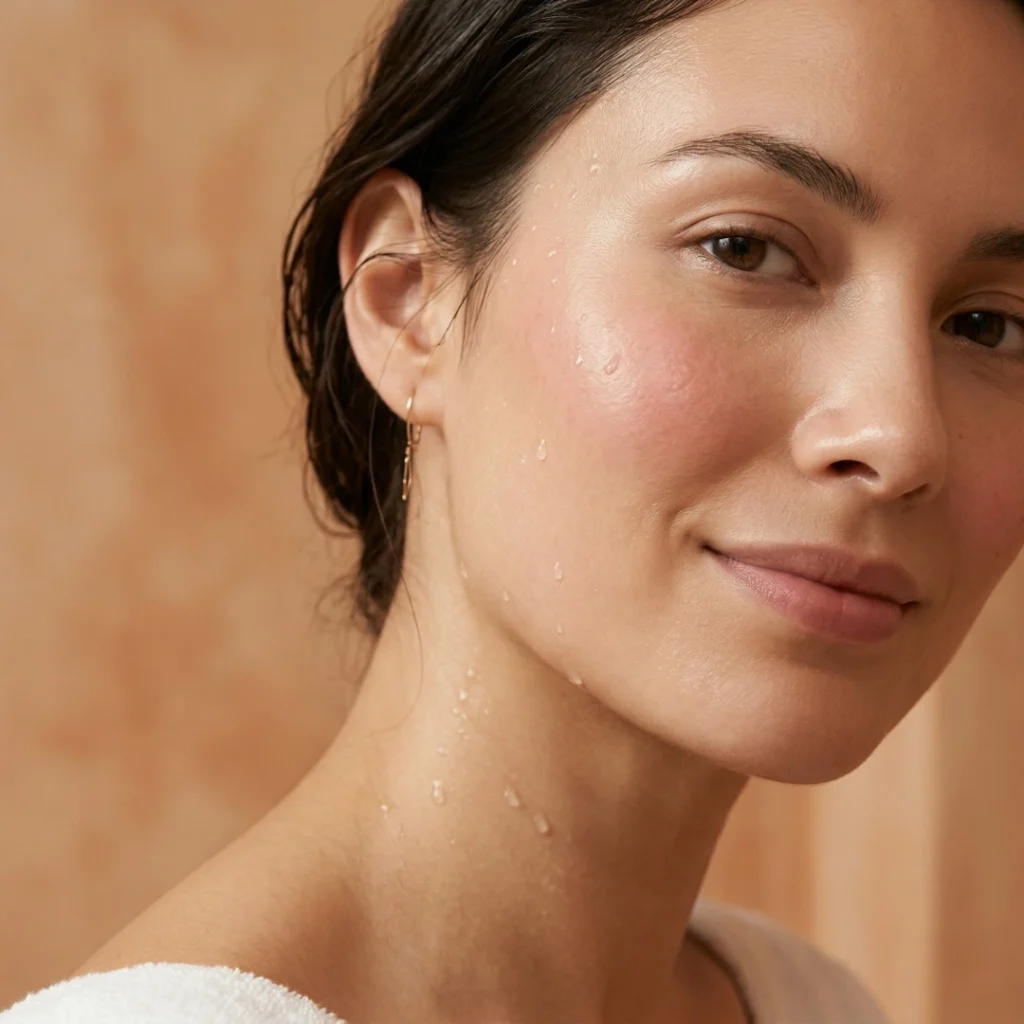
Understanding what happens in a Moroccan hammam removes the uncertainty.
It’s not complicated.
It’s structured.
And once you follow the steps correctly, the results become consistent:
- smoother skin
- better texture
- a clean, renewed feel
By the end of the ritual, understanding what to expect in a Moroccan hammam changes the way you approach it. The Moroccan bath experience step by step is not just a sequence, it’s what allows the skin to be properly prepared, exfoliated, and restored without unnecessary irritation. When each stage is respected, the results are not random—they become consistent, visible, and repeatable over time.
Enjoyed this guide? Keep TASANO easier to find when you search for Moroccan beauty advice.
