

Moroccan Hammam vs Turkish Hammam: What’s the Difference?
ByTASANO
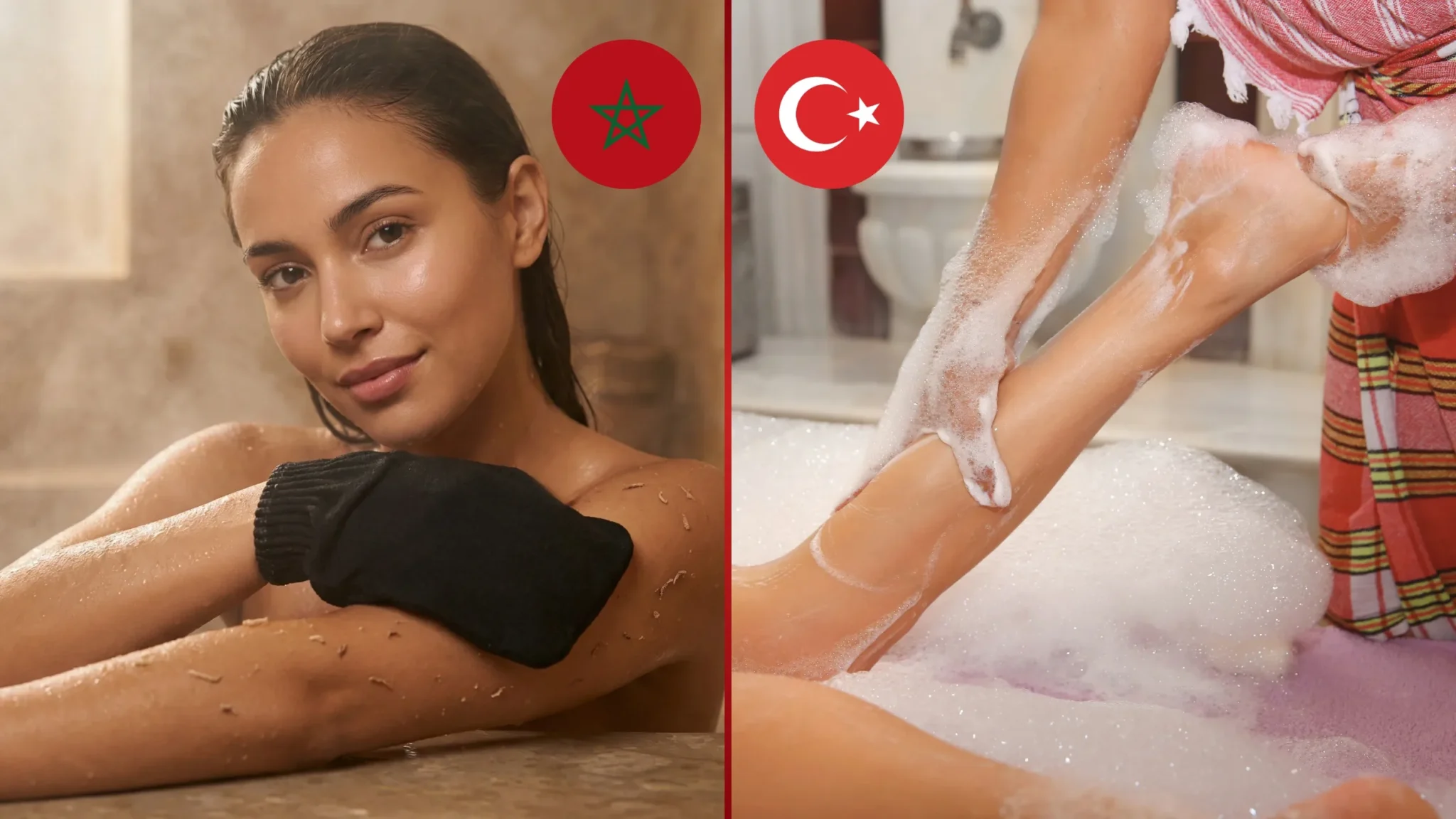
Moroccan hammam vs Turkish hammam is a comparison many people make when trying to understand these two traditional bath rituals.
At first glance, Moroccan and Turkish hammams can seem almost identical.
Both are rooted in the wider hammam tradition of the Islamic world, both use heat and cleansing, and both are designed to leave the body feeling deeply refreshed. But once you look at the ritual itself, the differences become clear: the Moroccan hammam centers more on black soap, kessa exfoliation, and purification, while the Turkish bath is often associated with movement through heated chambers, kese scrubbing, and the signature foam massage.
For most people, Moroccan Hammam vs Turkish Hammam is not about which is better, but which experience fits what they’re looking for.
If you are trying to understand which experience is right for you, the real answer depends on what you want most: a more purification-focused ritual, or a more massage-oriented bathing experience. This guide breaks down the difference clearly, step by step.
For the full Moroccan version of the ritual, read The Complete Moroccan Hammam Ritual at Home.
Table of Contents
What Do Moroccan and Turkish Hammams Have in Common?
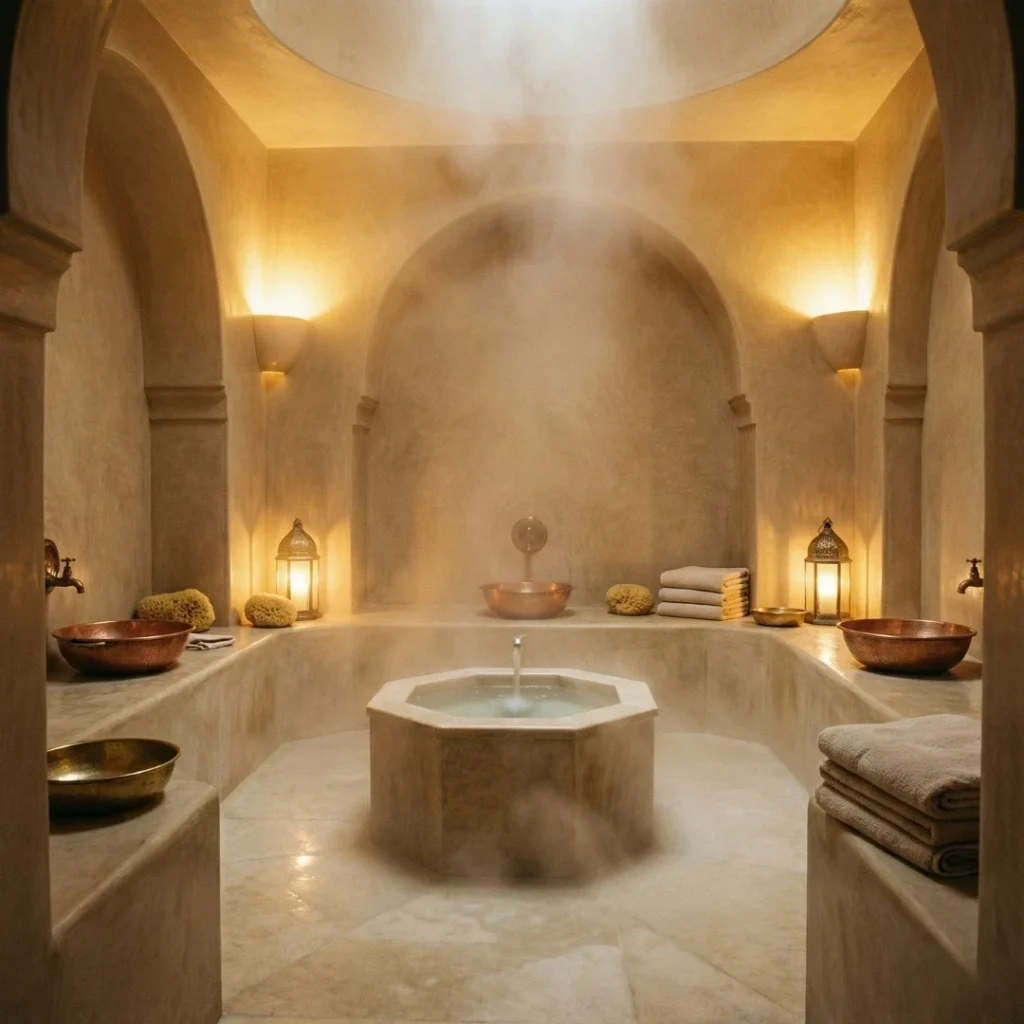
Before comparing Moroccan Hammam vs Turkish Hammam, it helps to understand what they share.
Both experiences belong to the broader bathhouse tradition commonly associated with the Islamic world. Britannica describes the hammam or Islamic bath as a public bathing institution, while its Turkish bath entry describes a ritual involving warm air, steam or hot-air immersion, massage, and a final cool-down.
In practical terms, that means both Moroccan and Turkish hammams share a few core ideas:
- heat and steam
- cleansing
- exfoliation
- relaxation
- a ritualized sequence rather than an ordinary shower
This shared foundation is why Moroccan Hammam vs Turkish Hammam is often confused at first. The difference lies in how the ritual is structured, which products are central, and what kind of finish the experience emphasizes.
The Main Difference Between a Moroccan Hammam vs Turkish Hammam
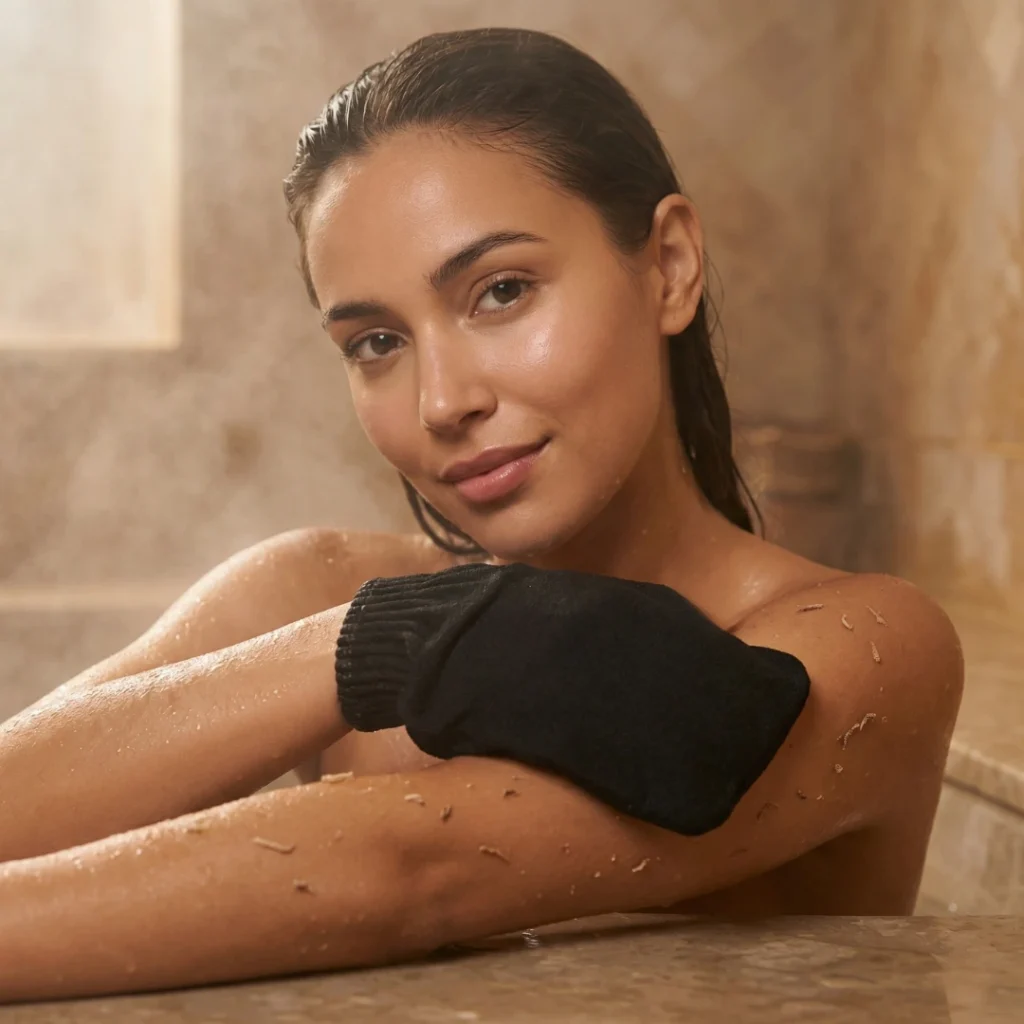
The real difference in Moroccan Hammam vs Turkish Hammam comes down to how the ritual is performed.
The simplest way to understand that difference is this:
A Moroccan hammam is more strongly centered on softening, exfoliating, and purifying the skin, usually with Moroccan black soap and a kessa glove. A Turkish hammam is more commonly centered on heated-room progression, kese scrubbing, and foam massage, often performed on a heated marble slab.
So while both involve cleansing and exfoliation, the Moroccan ritual tends to feel more like a structured skin renewal process, while the Turkish one often feels more like a cleansing ritual combined with a distinctive massage experience. That is the difference most searchers are really trying to understand.
7 Key Differences: Moroccan Hammam vs Turkish Hammam
Looking at Moroccan Hammam vs Turkish Hammam step by step makes the contrast much easier to understand.
1. The Core Product Used
This detail is one of the clearest distinctions in Moroccan Hammam vs Turkish Hammam.
In a Moroccan hammam, Moroccan black soap is one of the defining elements. Vogue’s description of the Marrakech hammam experience specifically highlights black soap followed by scrubbing with a kessa glove.
In a Turkish hammam, the defining product experience is more often the soap foam massage, after the initial scrubbing phase. Turkish bath descriptions commonly include a kese scrub followed by a foam wash or foam massage.
2. The Exfoliation Method
Moroccan hammams typically use a kessa glove after black soap has softened the skin. The emphasis is on lifting away dead skin once the body is fully prepared.
Turkish baths also use exfoliation, but it is usually described as a kese scrub, often administered by an attendant as part of a larger sequence that includes foam. In other words, both exfoliate, but the surrounding ritual differs.
3. The Atmosphere and Layout
Traditional Turkish baths are often described as moving through different warm and hot chambers, with a central heated marble area playing a major role. Britannica notes that the Turkish bath typically requires moving from one room or chamber to the next.
Moroccan hammam descriptions, especially in the modern skincare context, more often focus on the steam-room preparation and body treatment sequence rather than on a multi-chamber progression as the defining feature.
4. The Signature Experience
The signature of the Moroccan hammam is usually black soap + exfoliation + purification. The signature of the Turkish hammam is more often kese scrub + foam massage. CN Traveller’s Turkish bath guide specifically describes a traditional package as including body scrubbing with a kese, a foam wash, and a massage.
That difference matters because it shapes expectations. If someone wants the iconic foam experience, they are usually thinking of a Turkish bath. If they want a ritual centered on skin preparation and exfoliation with black soap, they are usually looking for a Moroccan hammam.
5. The Finishing Focus
Moroccan beauty routines often extend naturally into post-ritual nourishment, such as clay and argan oil, especially in at-home or beauty-oriented hammam adaptations. Vogue’s reporting on Moroccan hammam treatments describes black soap, kessa exfoliation, and later nourishing ingredients such as argan oil in spa settings.
Turkish bath descriptions, by contrast, more strongly emphasize the cleansing-scrub-foam-massage progression and the cooling-down period after the ritual. CN Traveller notes the post-bath pause and drinks such as sherbet or tea before leaving.
6. What the Ritual Feels Like
A Moroccan hammam often feels more skin-focused and purification-led. A Turkish bath often feels more immersive and massage-led, especially because of the foam stage and marble platform treatment.
That does not mean one is better. It means they deliver a different kind of satisfaction.
7. How They Translate at Home
A Moroccan hammam translates very naturally into an at-home skincare ritual because its main components, heat, black soap, exfoliation, clay, and nourishing oil, can all be adapted to a home bathroom.
A Turkish hammam is harder to replicate fully at home because its classic experience depends more heavily on the bathhouse environment, heated marble, attendants, and foam massage sequence.
Moroccan Hammam vs Turkish Bath: Which Is Better for Skin?
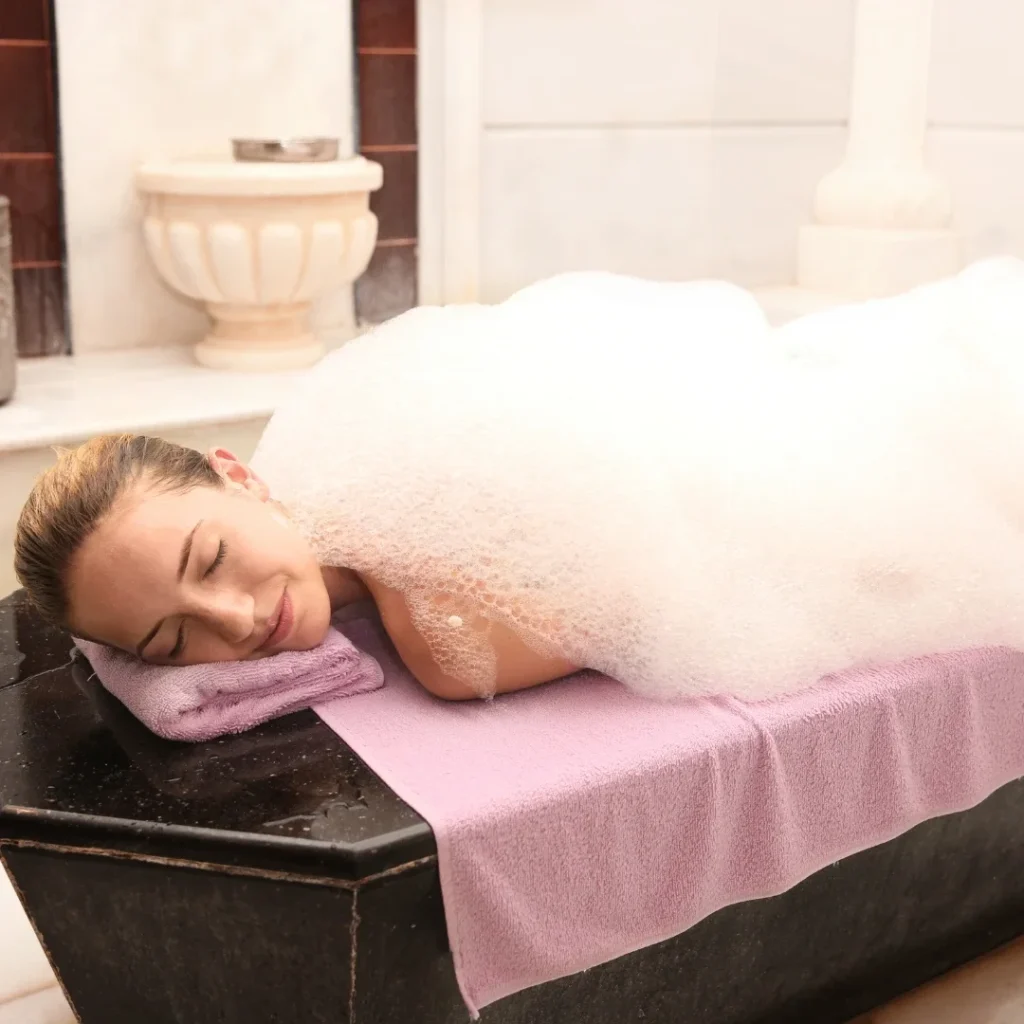
When it comes to Moroccan Hammam vs Turkish Hammam, the answer depends on what your skin actually needs.
For a skincare-focused reader, the Moroccan hammam usually aligns more directly with skin-softening, exfoliation, purification, and follow-up nourishment. That makes it especially relevant for readers interested in smoother skin, the “hammam glow,” and a beauty ritual they can repeat consistently at home.
That said, both rituals involve exfoliation, and dermatology guidance is clear that exfoliation should be done gently, not on broken or sunburned skin, and followed with moisturizer immediately afterward. The American Academy of Dermatology also notes that the more aggressive the exfoliation, the less often it should be done.
So the real answer is:
- better for a Moroccan beauty ritual at home → Moroccan hammam
- better for a classic foam-and-marble bathhouse experience → Turkish hammam
For the hair care rituals connected to Moroccan beauty, read Moroccan Hair Care: The Complete Guide to Stronger, Healthier, Shinier Hair.
Which One Is More Practical at Home?
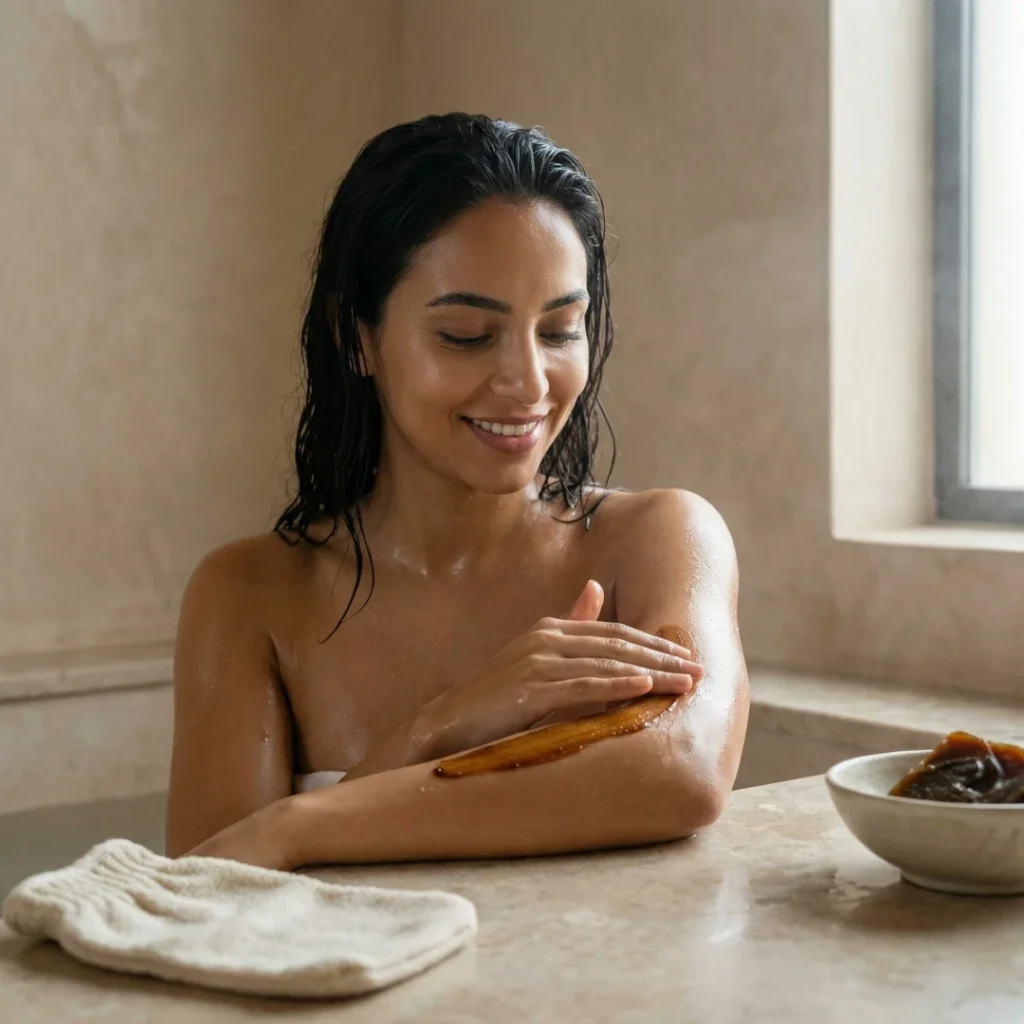
Another important part of Moroccan Hammam vs Turkish Hammam is how easily each ritual can be adapted at home.
If your goal is to recreate the ritual at home, Moroccan hammam wins clearly.
Its sequence is practical:
- steam or warm shower
- black soap
- kessa glove exfoliation
- rinse
- optional ghassoul clay
- argan oil or moisturizer
That structure is easy to understand and repeat. It also matches the kind of home-based skin ritual that readers are most likely to search for and actually follow.
A Turkish bath can be partially adapted at home, but the most iconic parts of the experience depend on elements that are harder to reproduce authentically outside a bathhouse.
Traditional Materials: Moroccan Hammam vs Turkish Hammam
The traditional materials also reflect the difference.
Moroccan hammam
- Moroccan black soap
- kessa glove
- ghassoul clay
- argan oil
- warm water or steam
Turkish hammam
- kese mitt
- soap foam
- heated marble platform
- warm/hot chambers
- rinsing and cooling-down stages
These lists are not arbitrary. They show what each ritual prioritizes: Moroccan hammam is strongly product-and-skin-process oriented, while Turkish hammam is more architecture-and-treatment-sequence oriented.
Expert Guidance: Exfoliation Matters More Than Labels
Even when comparing traditional rituals, modern skin guidance still matters. The American Academy of Dermatology recommends gentle exfoliation, avoiding scrubbing on irritated or sunburned skin, and moisturizing immediately afterward, while AAD dry-skin guidance also emphasizes applying moisturizer when the skin is still damp after bathing. Those principles help explain why any hammam ritual works best when exfoliation is controlled and hydration follows right away.
Whichever ritual someone chooses, the skin still responds to the same basic rules. The American Academy of Dermatology recommends choosing an exfoliation method that suits your skin type, being gentle, avoiding exfoliation on open wounds or sunburned skin, and moisturizing immediately afterward.
That matters because many readers searching “Moroccan hammam vs Turkish hammam” are really trying to decide what their skin can tolerate. The ritual label matters less than the intensity of exfoliation and whether the skin is properly hydrated afterward.
How This Comparison Connects to the Full Moroccan Hammam Ritual
If you are most interested in the Moroccan side of this comparison, the next step is to understand the ritual in detail.
The Moroccan hammam is best understood as a complete sequence rather than a single treatment. Moroccan black soap softens and prepares the skin, which is why it helps to start with Moroccan Black Soap Benefits & How to Use It.
The exfoliation stage then depends on proper technique, as shown in How to Use a Kessa Glove Properly. For those who want a deeper purification step, our guide to Rhassoul Clay for Hair and Skin: Benefits & How to Use It explains how clay fits into the ritual. To finish with lasting softness, discover the role of Argan Oil After Shower: Benefits for Skin and Hair.
To understand the ingredient side of Moroccan beauty, explore Moroccan Beauty Products: The Complete Guide to Glowing, Clear, and Youthful Skin.
Recommended products
-
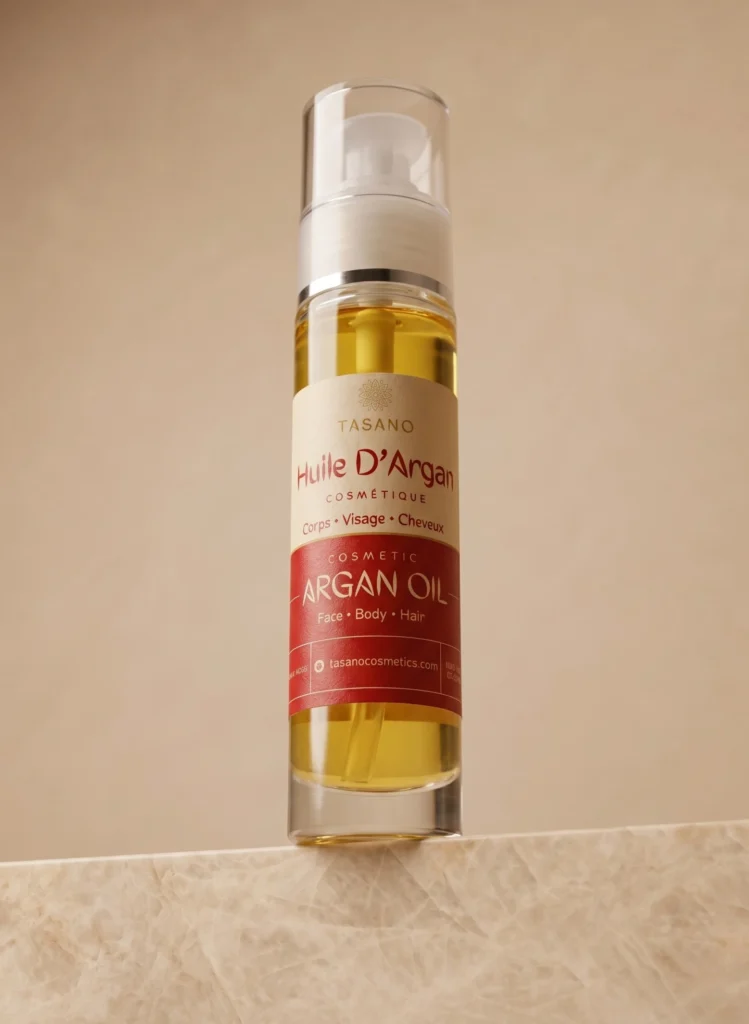
100% Pure Moroccan Argan Oil
Price range: $17.00 through $26.00 -
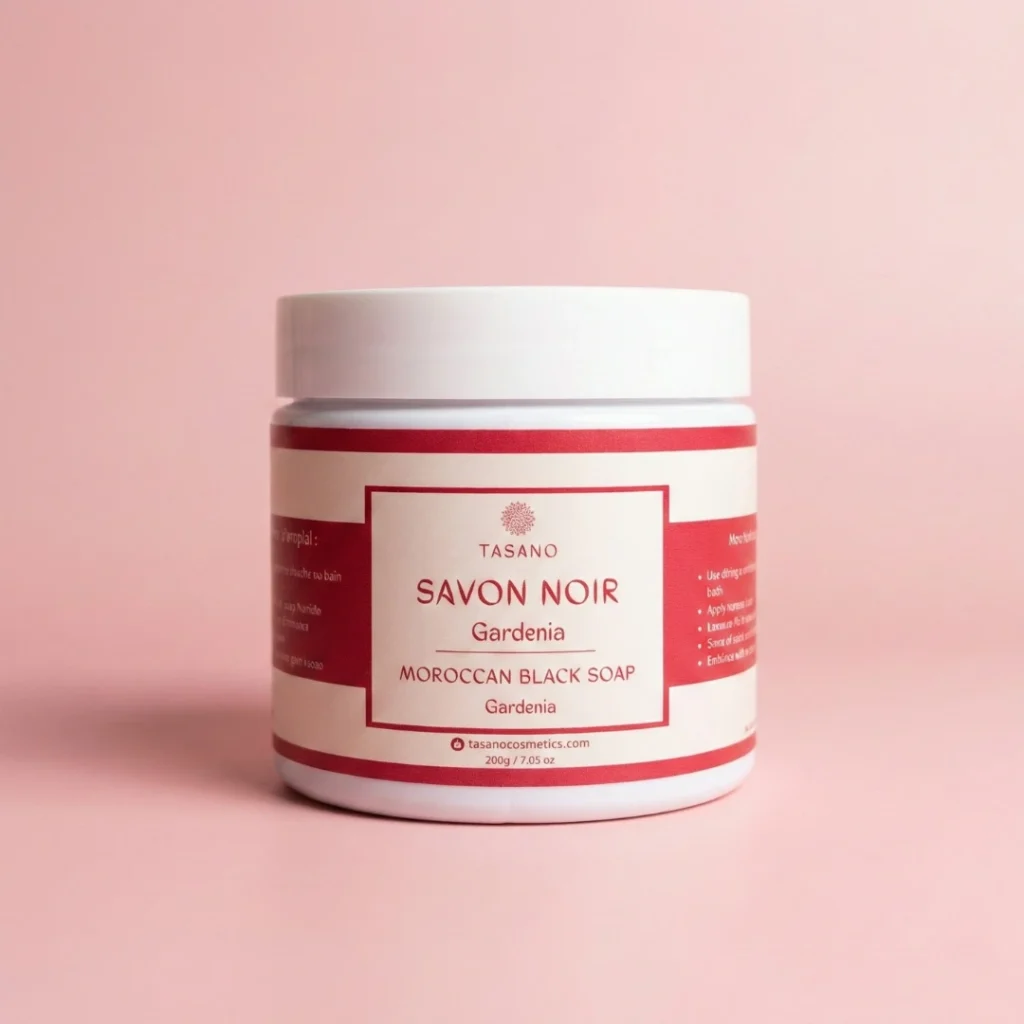
Moroccan Black Soap with Gardenia – Softening
$8.00 -
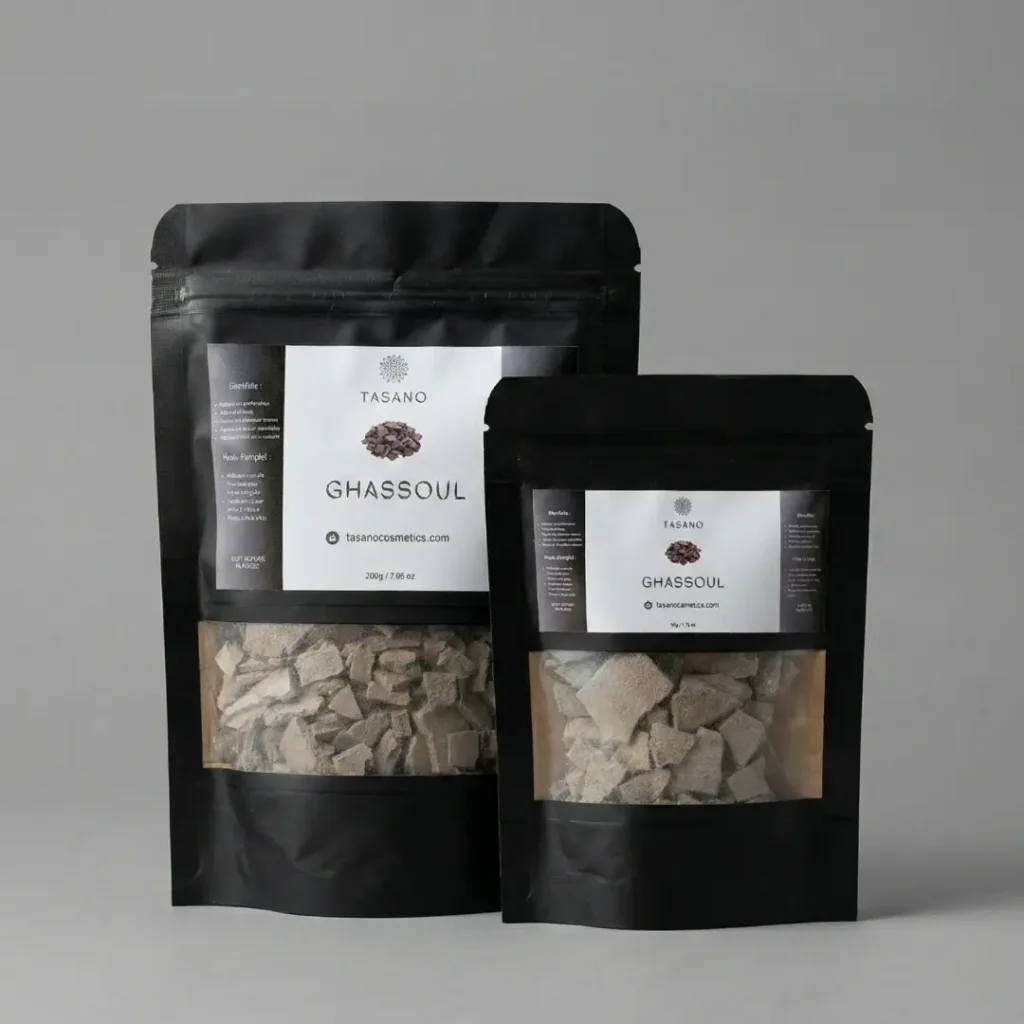
Moroccan Rhassoul (Ghassoul) – Deep Purifying
Price range: $5.00 through $13.00 -
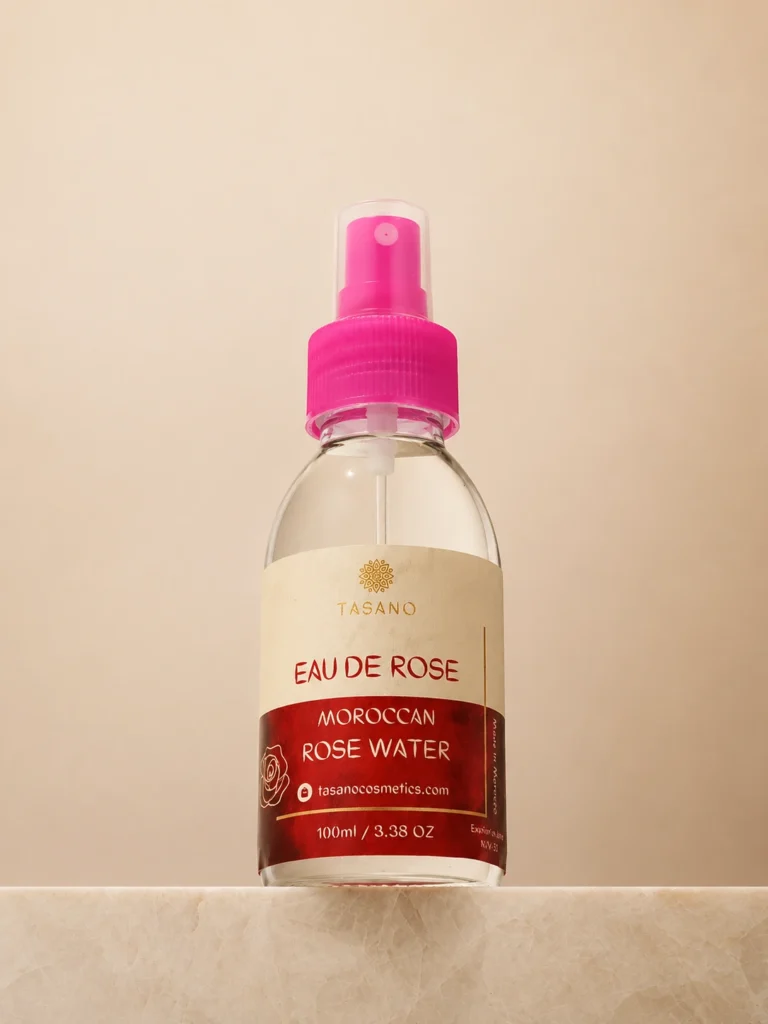
100% Pure Moroccan Rose Water – Toner & Face Mist
$6.00
FAQ: Moroccan Hammam vs Turkish Hammam
What is the difference between Moroccan hammam and Turkish hammam?
The Moroccan hammam is more strongly associated with black soap, kessa exfoliation, and purification, while the Turkish hammam is more strongly associated with chamber progression, kese scrubbing, and foam massage.
Is a Moroccan hammam the same as a Turkish bath?
No. They share a common bathhouse tradition, but the ritual structure, signature treatments, and materials are different.
Which is better for skin: Moroccan or Turkish hammam?
If the goal is a repeatable skincare ritual centered on softening, exfoliation, and nourishment, the Moroccan hammam is usually more directly aligned with that purpose. Both, however, require gentle exfoliation and proper moisturizing afterward.
Which is better at home?
Moroccan hammam is easier to recreate at home because its main steps and products adapt naturally to a bathroom setting.
Does a Turkish hammam use black soap?
Traditional Turkish bath descriptions focus more on kese scrubbing and foam wash or foam massage than on Moroccan black soap as the defining step.
Does a Moroccan hammam include foam massage?
It can vary by spa, but foam massage is much more strongly associated with the Turkish bath tradition than with the classic Moroccan black-soap-and-kessa sequence.
Final Thoughts: The Difference Is in the Ritual Logic
Moroccan and Turkish hammams are related, but they are not interchangeable.
A Moroccan hammam is best understood as a ritual of preparation, softening, exfoliation, purification, and nourishment. A Turkish hammam is better understood as a bathhouse ritual of heated-room progression, scrubbing, foam, massage, and cool-down.
That is the real difference.
In the end, Moroccan Hammam vs Turkish Hammam is less about choosing one over the other and more about understanding what each offers. If someone wants a ritual centered on Moroccan beauty care and skin renewal, the Moroccan hammam is the clearer fit. If someone wants the iconic marble-and-foam bathhouse experience, the Turkish hammam is usually what they are looking for.