

Castor Oil for Hair: Does It Really Help Growth? Benefits & How to Use It
ByTASANO
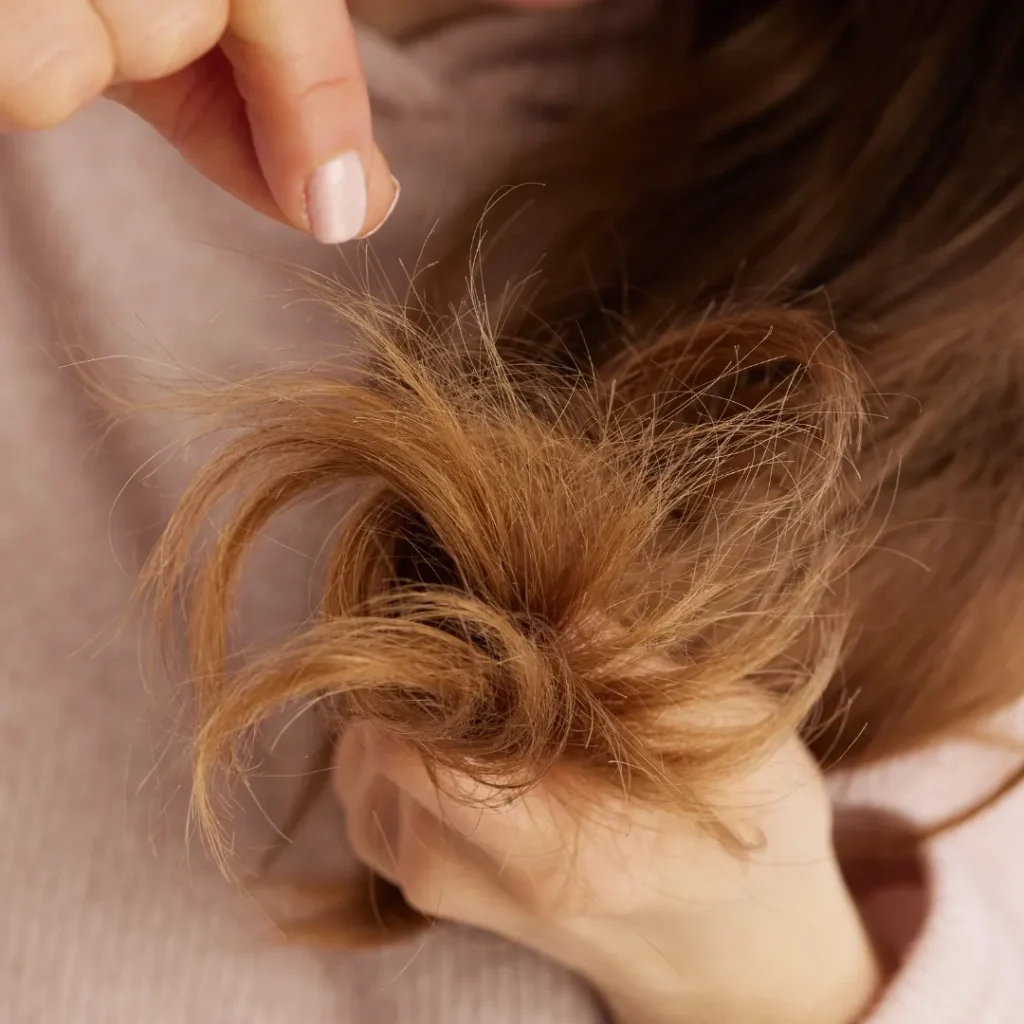
If your hair feels dry, weak, rough, or prone to breakage, castor oil is one of the most talked-about oils for a reason. Castor oil for hair is widely used to support softer lengths, shinier strands, and stronger-looking hair routines, though the truth about hair growth needs a more honest explanation.
Castor oil has built a strong reputation in beauty because of its rich texture and its long history in hair rituals. It is especially popular with people who want hair that feels more conditioned, looks glossier, and seems less fragile at the ends. But castor oil for hair is often oversold online, so it is worth separating what it does well from what people simply repeat without evidence.
This guide explains the real benefits of castor oil for hair, whether it actually helps growth, how to use it properly, and who is most likely to benefit from it.
For the full Moroccan hair care system, read Moroccan Hair Care: The Complete Guide to Stronger, Healthier, Shinier Hair.
Table of Contents
What Is Castor Oil for Hair?
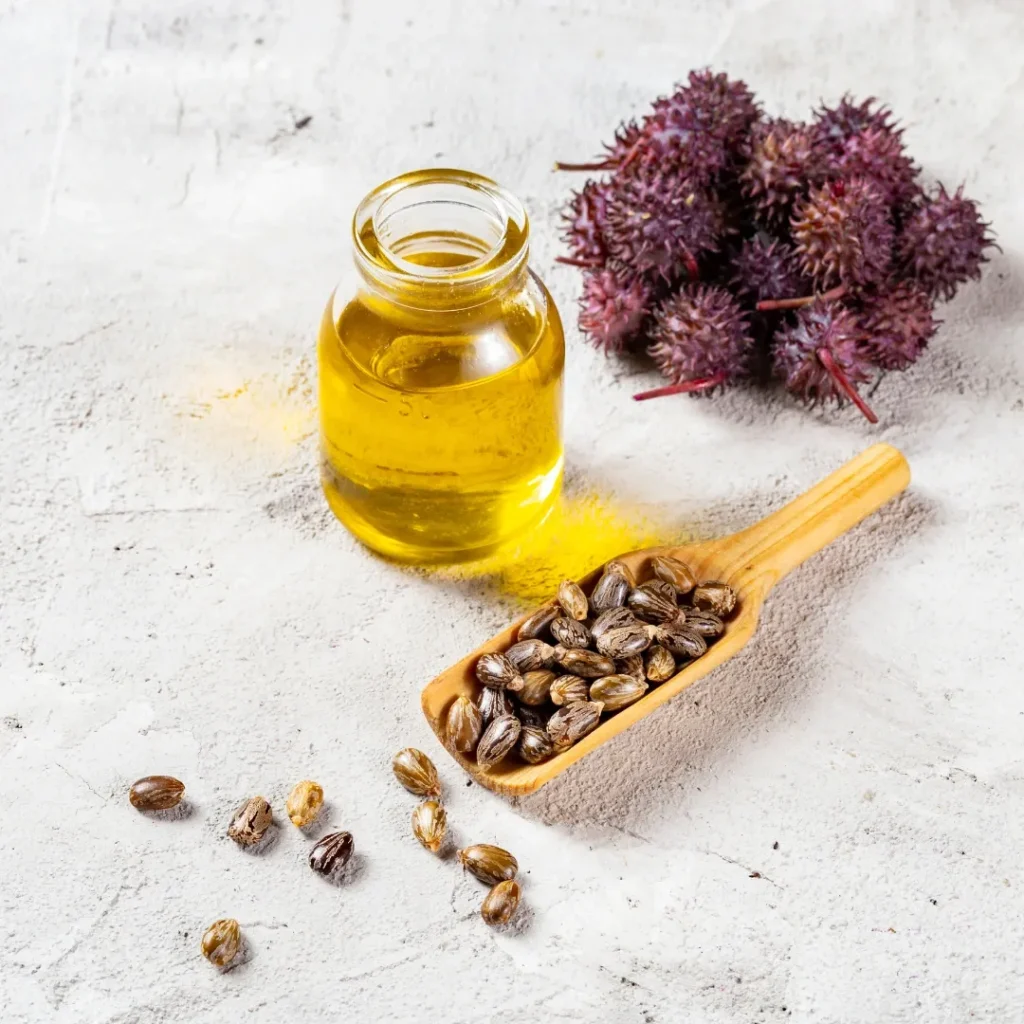
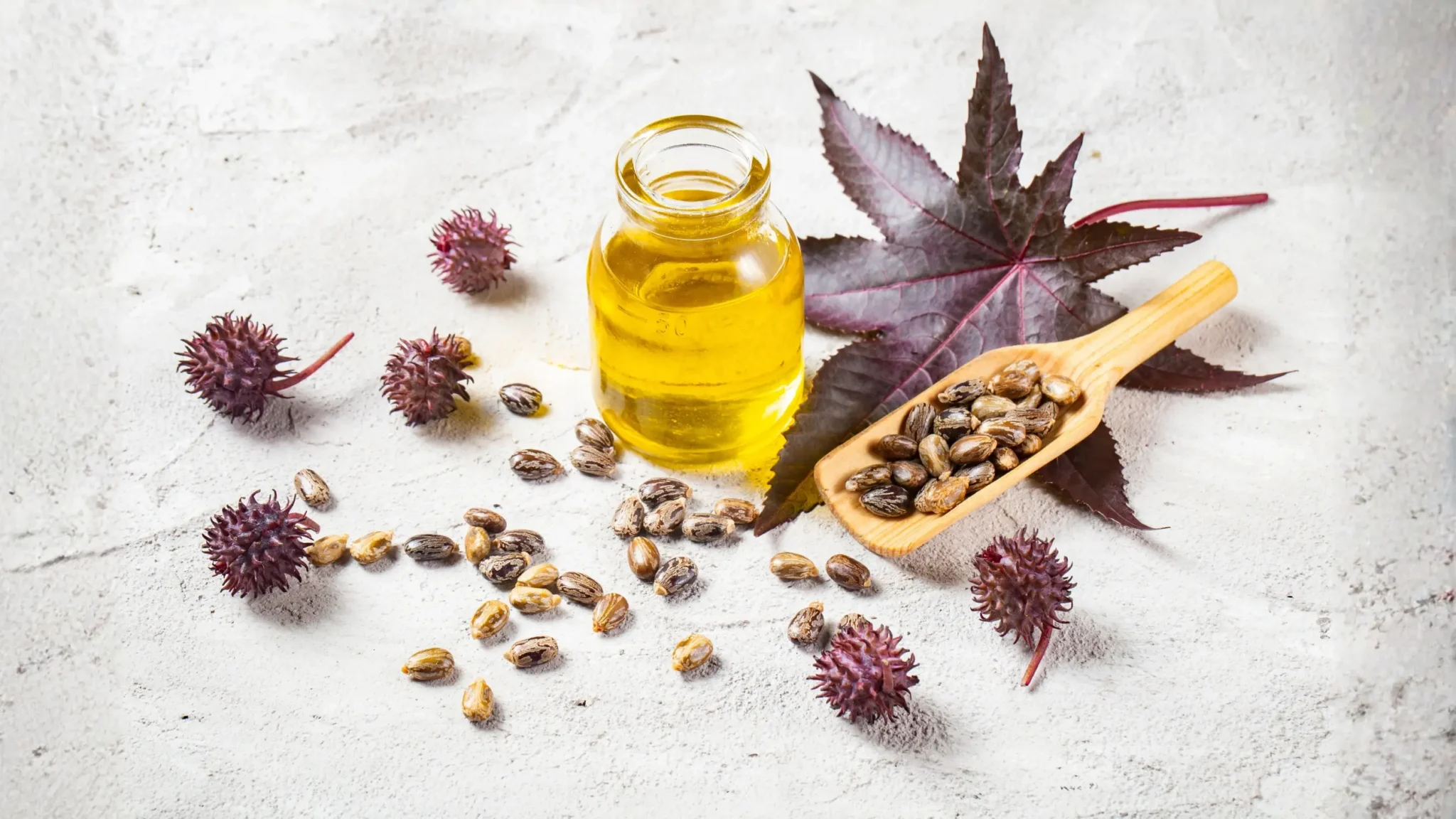
Castor oil is a thick vegetable oil pressed from the seeds of Ricinus communis. It is rich in ricinoleic acid and is commonly discussed in dermatology and cosmetic literature for its moisturizing and conditioning properties. That heavy, rich texture is exactly why castor oil for hair is so often used on dry lengths, fragile ends, brows, and lashes.
Unlike lighter oils such as Argan oil, castor oil is not usually chosen for a weightless finish. It is chosen when the routine needs a richer, more fortifying feel. For some hair types, that makes it a very useful oil. For others, it can feel too heavy if used carelessly.
Is Castor Oil Good for Hair?
Yes, castor oil can be good for hair, especially if the hair feels dry, brittle, rough, or prone to breakage. The strongest case for castor oil for hair is not that it magically regrows hair faster, but that it can help improve lubrication, softness, shine, and the overall feel of stressed strands. Recent dermatology reviews describe evidence for improved luster and note possible interest in androgenetic alopecia, while also making clear that the evidence for direct hair growth remains limited. Cleveland Clinic is even blunter: there is no data showing that applying pure castor oil to hair promotes growth.
That honest framing matters. Castor oil for hair makes the most sense as a conditioning and breakage-conscious oil, not as a miracle shortcut.
For a lighter option focused on softness and daily manageability, explore how argan oil for dry hair works for frizz, shine and softness.
Does Castor Oil Help Hair Growth?
This is where most articles become garbage.
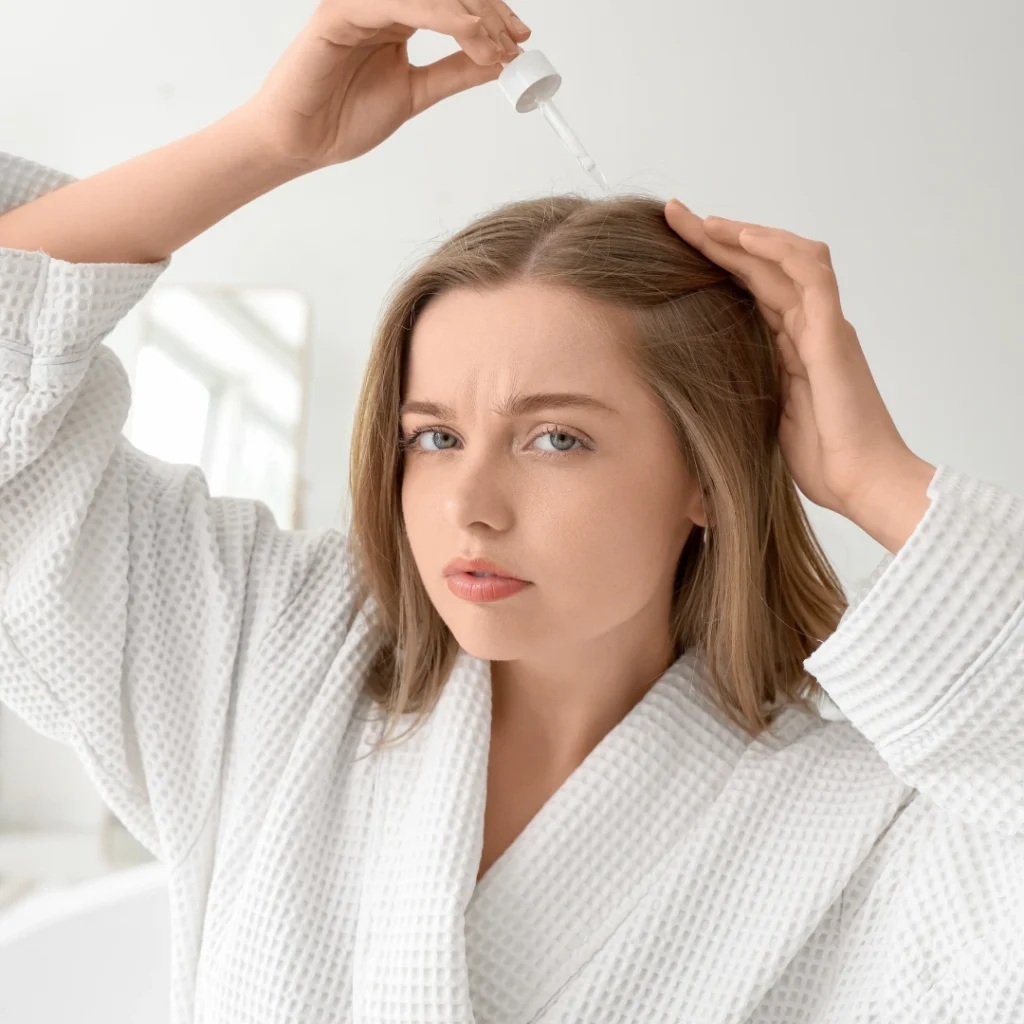
Castor oil for hair growth is constantly hyped, but the evidence is much weaker than people pretend. Cleveland Clinic states there is no data showing that applying pure castor oil to hair promotes growth. A 2022 review focused on hair in skin of color also reported no strong evidence supporting castor oil for hair growth, while noting weaker evidence for improvement in hair quality and luster.
What castor oil may do is help create a better environment for length retention. Hair that feels more lubricated and conditioned may be less prone to dryness-related roughness and breakage. That can make hair appear to “grow better” over time because fewer ends are snapping off. But that is not the same as directly stimulating new growth.
If your priority is scalp-focused growth support, rosemary oil is the more credible option. If your priority is strengthening the feel of dry, fragile strands so you keep more of your length, castor oil for hair can still be a smart part of the routine.
If your priority is actual growth support rather than conditioning, see how rosemary oil for hair growth works and how to use it properly.
7 Powerful Benefits of Castor Oil for Hair
1. Helps Dry Hair Feel More Conditioned
One of the clearest reasons people use castor oil for hair is dryness. Its rich texture helps coat rough-feeling strands and can leave them feeling more cushioned and less brittle. This is especially useful when the mid-lengths and ends feel depleted from heat, friction, or frequent washing.
This does not mean every hair type needs a heavy oil. But for dry hair, castor oil can make the routine feel more substantial and nourishing.
2. Improves the Look of Shine and Luster
Hair usually looks shinier when the surface is better lubricated and reflects light more evenly. Reviews discussing castor oil for hair note weaker evidence for improved luster, which matches how many people actually use it in practice: not as a magic cure, but as a gloss-boosting oil for dull or tired-looking strands.
For readers whose hair looks matte, dry, or overworked, this is one of the most visible benefits.
3. Can Help Reduce the Feeling of Fragile Ends
The ends are usually the oldest, driest, and weakest part of the hair. Castor oil for hair is often used there because it gives the hair a heavier, more protected feel. That can make rough ends feel less exposed and less straw-like between wash days.
This is one reason castor oil remains popular even without strong growth evidence. It helps hair feel less worn out where it matters most.
4. Supports Breakage-Conscious Hair Routines
Breakage is where castor oil becomes more useful than the average “growth oil.” Hair that is chronically dry, tangled, and under-lubricated tends to snap more easily. Oils can help fill gaps in the hair shaft and improve moisture retention, which is one reason Cleveland Clinic notes hair oiling can help keep hair moisturized and silky smooth. The AAD also emphasizes that everyday habits play a major role in preventing damage and breakage.
That makes castor oil for hair a smart option for routines focused on keeping more of the hair you already have.
5. Works Well as a Pre-Wash Treatment
Because castor oil is thick, many people get the best experience from using it before washing rather than as a daily leave-in. Applied to the lengths and ends before shampooing, it can help hair feel softer and more protected by wash day. Cleveland Clinic’s guidance on hair oiling supports this general approach: oil the hair, especially the ends, and wash it out after several hours.
This is one of the cleanest ways to use castor oil for hair without turning the routine greasy.
6. Can Complement a Length-Retention Routine
Castor oil for hair makes more sense in a length-retention conversation than in a miracle-growth conversation. If your hair keeps breaking before it ever reaches the length you want, a richer oil that helps reduce dryness and roughness can be valuable. That is because the routine is now targeting one of the real reasons hair appears “stuck”: breakage at the ends.
That is a more serious and useful promise than pretending one oil can suddenly regrow everything.
7. Gives Very Dry or Coarse Hair a Richer Option
Some oils are too light for hair that is very coarse, very dry, or constantly battling roughness. Castor oil for hair gives those routines a denser, more fortifying option. It is especially useful for people who feel that lighter oils disappear too fast or do not give enough lasting softness.
For fine hair, that same richness may be too much. But for very dry textures, it can be exactly what makes the routine feel effective.
How to Use Castor Oil for Hair Properly
Castor oil works best when used correctly and in moderation. Because it is thick and highly concentrated, applying it directly in large amounts can make the hair heavy, greasy, and difficult to wash out.
Start by Diluting for Better Application
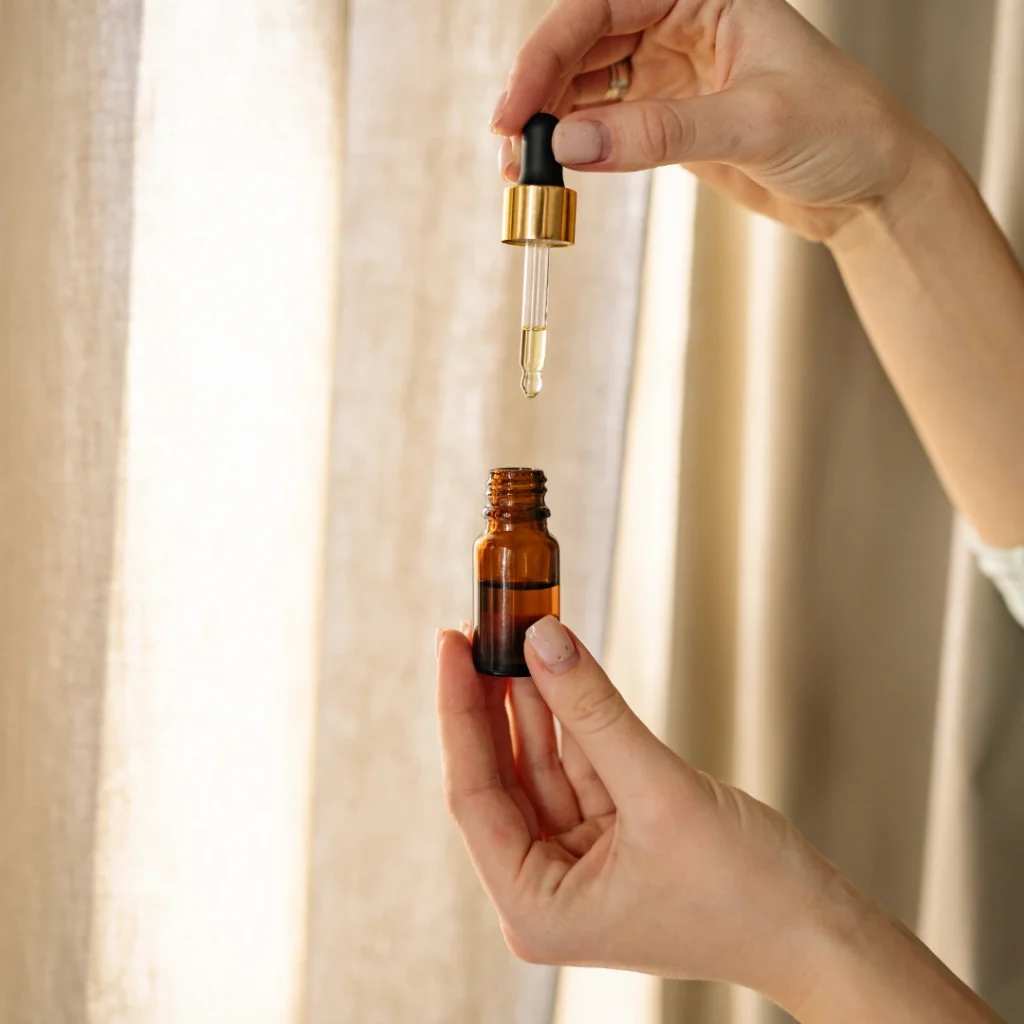
If you are using 100% pure castor oil, it is often better to dilute it with a lighter oil before applying it to the hair. This makes it easier to spread, reduces buildup, and improves overall results.
Good options to mix with castor oil include:
- argan oil (for softness and shine)
- jojoba oil (for lighter texture)
- coconut oil (for deeper conditioning)
A simple ratio to start with is:
- 1 part castor oil + 1 to 2 parts lighter oil
This creates a blend that is easier to apply and more balanced for most hair types.
To see how this step fits into a complete system, follow Moroccan Hair Care Routine: Daily & Weekly Routine for Stronger, Healthier, Frizz-Free Hair.
- As a Pre-Wash Treatment
Apply the diluted oil to the mid-lengths and ends before washing. Focus on dry, rough, or fragile areas.
- leave it on for at least 30 minutes
- for very dry hair, leave it longer or overnight if tolerated
- wash thoroughly with shampoo afterward
This method helps improve softness without leaving heavy residue.
- Mixed with a lighter oil
Because castor oil is so thick, many people prefer blending it with a lighter oil. This can make application easier and reduce the chance of the hair feeling sticky or weighed down. It is a common-sense move if your hair needs nourishment but not overload.
- Used lightly on the ends
If your hair tolerates richer oils well, a very small amount can be applied to the ends after styling or between washes. The keyword is very small. Too much castor oil for hair can make strands clump, attract buildup, and feel dirty faster.
- On brows and lashes
Castor oil is also commonly used on brows and lashes because of its rich, conditioning feel. But the same honesty applies here too: conditioning is not the same as proven regrowth.
How Often Should You Use Castor Oil on Hair?
That depends on your hair type and how dry it is.
For many people, once or twice a week as a pre-wash treatment is enough. Very dry, coarse, or textured hair may tolerate richer use. Fine or easily weighed-down hair usually needs less. The right amount is the amount that leaves the hair feeling better, not the amount that makes it greasy. Cleveland Clinic’s general hair-oiling guidance also stresses that a little goes a long way.
Castor Oil for Hair by Hair Type
- Fine hair
Use cautiously. Castor oil for hair can be too heavy for fine strands, especially as a leave-in. If you want to try it, keep it to the ends or use it only as a pre-wash treatment.
- Thick or coarse hair
This is where castor oil often performs better. Hair that needs more weight and more cushioning may benefit more from its dense texture.
- Curly or coily hair
Castor oil can fit well into routines where dryness, shrinkage, and fragile ends are part of the picture. The richer feel often suits hair that needs more lasting softness.
- Dry or damaged-looking hair
This is one of the strongest use cases for castor oil for hair. If the hair feels overworked, rough, and easily broken, the richer conditioning feel can be helpful.
Common Castor Oil Mistakes to Avoid
- Expecting proven hair regrowth
This is the biggest lie surrounding castor oil for hair. There is no strong evidence that applying pure castor oil directly promotes hair growth. Do not build your whole expectation on a fantasy claim.
- Using too much
Castor oil is heavy. Overusing it can leave the hair greasy, difficult to wash, and more frustrating than helpful.
- Applying it to a buildup-prone scalp without thinking
A rich oil on a sensitive or buildup-prone scalp can backfire. Cleveland Clinic notes castor oil can lead to clogged pores, matting, and buildup in some cases.
- Using hot oil treatments on fragile hair
If hair is already fragile, hot-oil treatments are a bad move. The AAD specifically advises people managing hair loss to forgo hot-oil treatments because heating the hair can worsen damage.
For authentic oil buying standards, read How to Choose Authentic Moroccan Beauty Products (Avoid Fake Argan, Nila & Oils).
Castor Oil vs Argan Oil for Hair
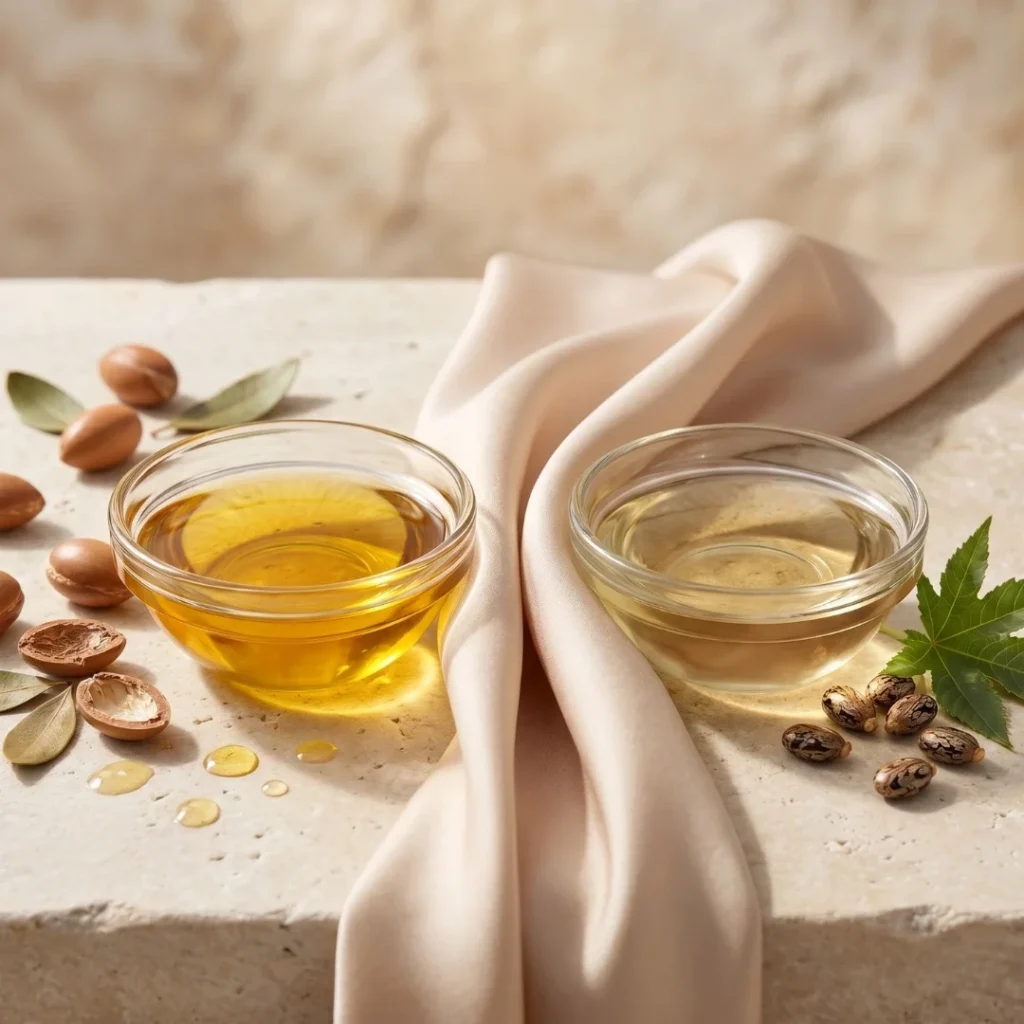
Castor oil and argan oil do different jobs.
Castor oil for hair is the richer option. It is better suited to dry, coarse, fragile, or breakage-prone strands that need a more substantial conditioning step. Argan oil is the lighter, more versatile option for softness, shine, frizz control, and everyday polish.
For many routines, the smartest answer is not choosing one over the other. It is using castor oil when the hair needs heavier nourishment and argan oil when the hair needs smoother daily softness and finish.
For a complete breakdown of how argan oil improves softness, shine, and everyday hair feel, read our full guide on argan oil for hair: benefits, how to use it and results to expect.
Castor Oil for Hair Backed by Honest Use
Castor oil has a real place in hair care, but the strongest case for it is conditioning, not miracle regrowth. Cleveland Clinic states there is no data showing that applying pure castor oil to hair promotes growth and also notes possible downsides such as clogged pores, buildup, and even matting in some cases.
Reviews in PubMed describe weaker evidence for improving hair luster and no strong evidence for hair growth, while newer dermatology reviews continue to position castor oil more credibly as a moisturizing, conditioning, and possibly scalp-supportive ingredient than as a proven regrowth treatment.
Guidance from the American Academy of Dermatology also reinforces that everyday habits matter for preventing hair damage, which is exactly where a breakage-conscious oil routine makes the most sense.
Choosing Authentic Hair Oils You Can Trust
Choosing the right hair oil matters just as much as the routine itself. Not every product marketed as a “hair growth oil” or “fortifying oil” is worth using, and vague formulas packed with filler ingredients can leave the hair feeling heavy without giving it the real conditioning support you wanted.
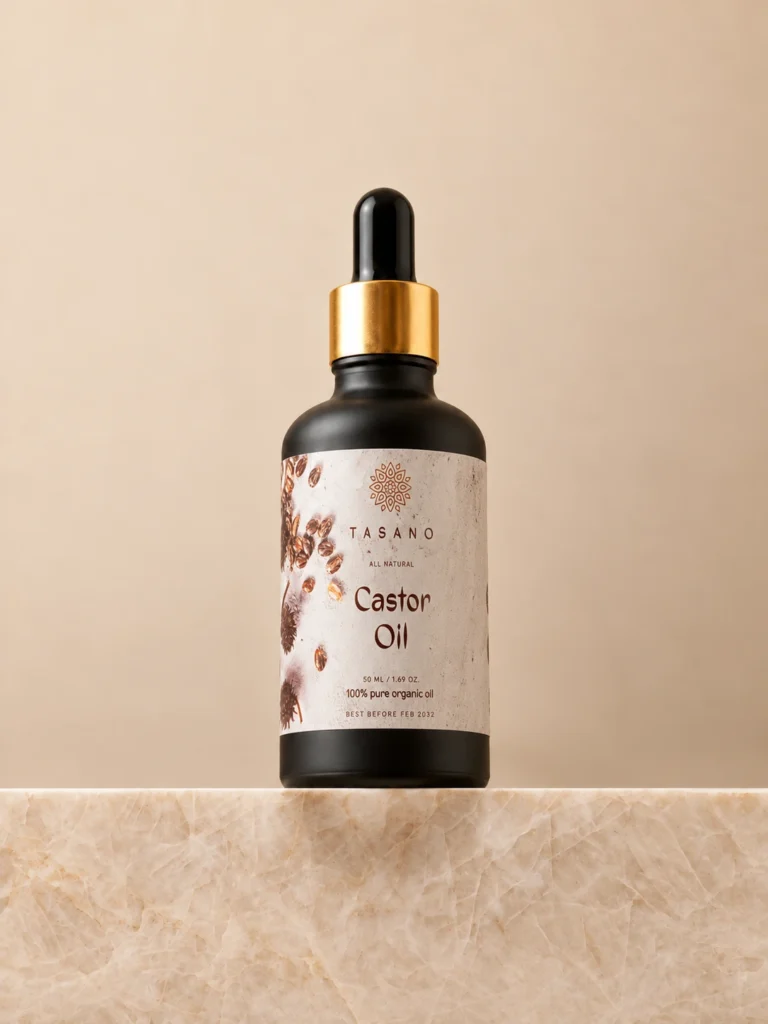
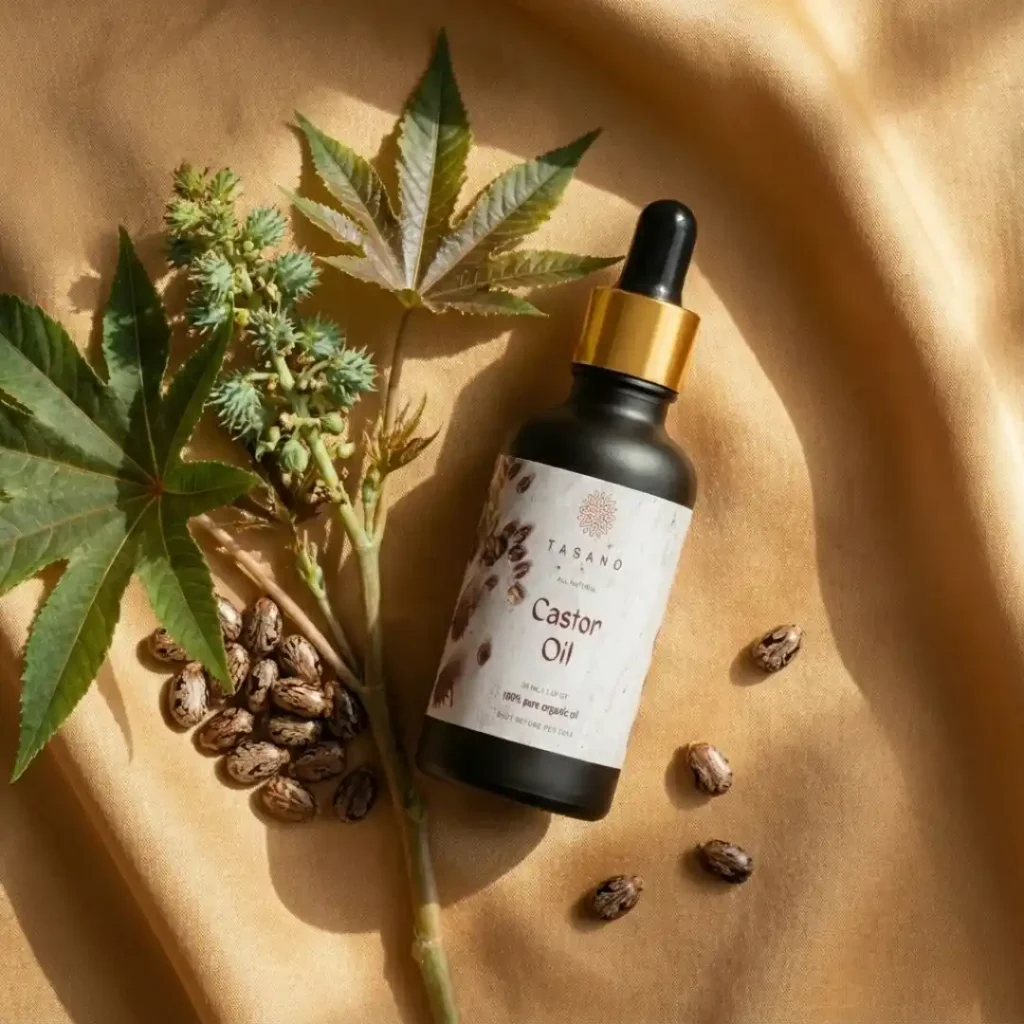
For readers who want a richer oil for strengthening routines, TASANO’s 100% Pure Castor Oil – Hair & Lash Strengthening offers a more reassuring option. It fits naturally into pre-wash treatments, breakage-conscious routines, and conditioning rituals for very dry lengths, brows, and lashes.
For a softer, lighter everyday finish on the lengths and ends, pairing castor oil with a pure argan oil often creates a more balanced routine.
100% Pure Castor Oil
Rich 100% Pure Castor Oil for hair, lashes and brows. Its naturally thick, conditioning texture helps fragile hair feel stronger, boosts healthy-looking shine and keeps lashes and brows soft, glossy and fuller-looking.
- Helps strengthen dry, breakage-prone hair
- Conditions lashes and brows for a fuller-looking finish
- Deeply nourishes dry hair and rough ends
Net Volume: 50 ML / 1.69 OZ
FAQ
Is castor oil good for hair?
Yes, castor oil can be good for hair, especially when the main concerns are dryness, roughness, dullness, and breakage-prone ends. Its strongest benefit is conditioning, not proven growth stimulation.
Does castor oil help hair growth?
There is no strong evidence that applying pure castor oil directly promotes hair growth. It may still support length retention by helping hair feel more conditioned and less breakage-prone.
How do you use castor oil for hair?
The most practical way is usually as a pre-wash treatment on the lengths and ends. Because it is thick, many people also blend it with a lighter oil or use only a small amount on dry ends.
Is castor oil good for dry hair?
Yes. This is one of the strongest use cases for castor oil for hair because its rich texture can help very dry hair feel more lubricated and conditioned.
Can castor oil make hair thicker?
It can make hair feel richer and look fuller because it coats the strands, but that is not the same as proven new growth.
How often should I use castor oil on my hair?
For many people, once or twice a week is enough, especially as a pre-wash treatment. Very dry or coarse hair may tolerate more frequent use.
Is castor oil better than rosemary oil for hair growth?
No. Rosemary oil has more credible hair-growth discussion behind it. Castor oil makes more sense for conditioning and breakage-conscious routines, while rosemary oil is the better scalp-focused option for growth support.
Final Thoughts
Castor oil for hair earns its place in a routine, but only when you understand what it actually does.
It is not a shortcut to instant growth, and it should not be treated like one. Where it does deliver is in improving the feel of dry, rough, and fragile hair, helping the lengths look smoother, more conditioned, and less prone to breakage over time.
That distinction matters. Many people chase “growth” when the real problem is that their hair never keeps its length. When dryness and breakage are part of the equation, a richer oil like castor oil can help shift the routine in the right direction.
The smartest approach is to use castor oil with intention:
- support the lengths and ends where hair is most vulnerable
- keep application controlled and well-balanced
- combine it with a structured routine rather than relying on one product
And if your goal includes scalp-focused growth support, pair it with a more targeted oil like rosemary oil instead of expecting one ingredient to do everything. That’s where the real results come from.
Recommended products
-
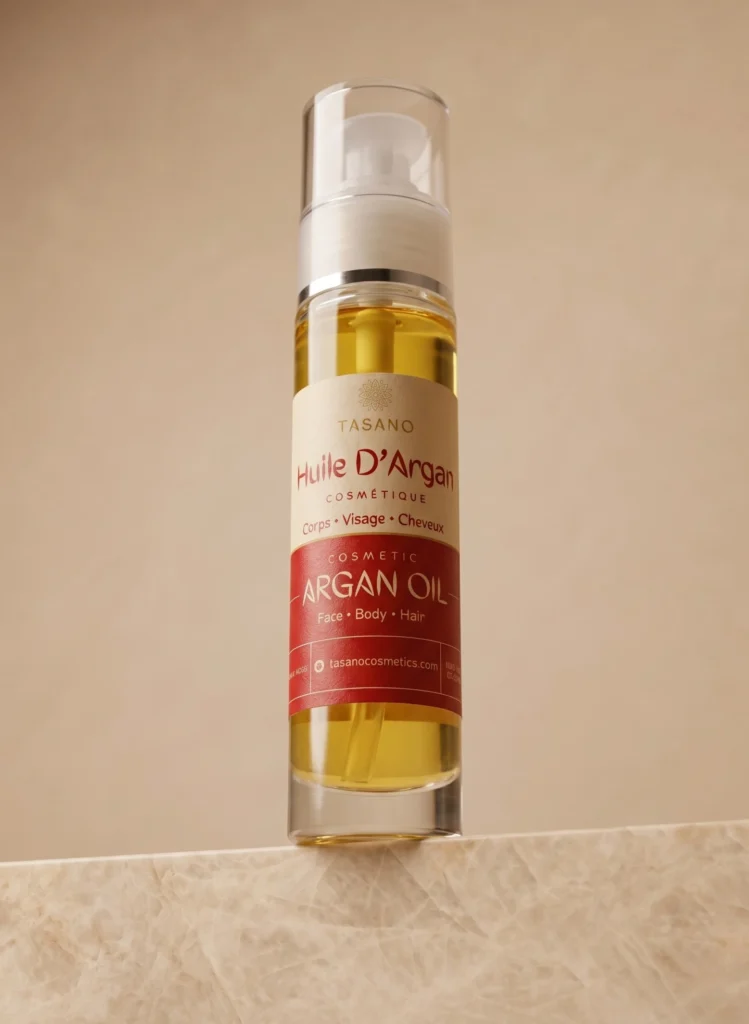
100% Pure Moroccan Argan Oil
Price range: $ 17.00 through $ 26.00 -
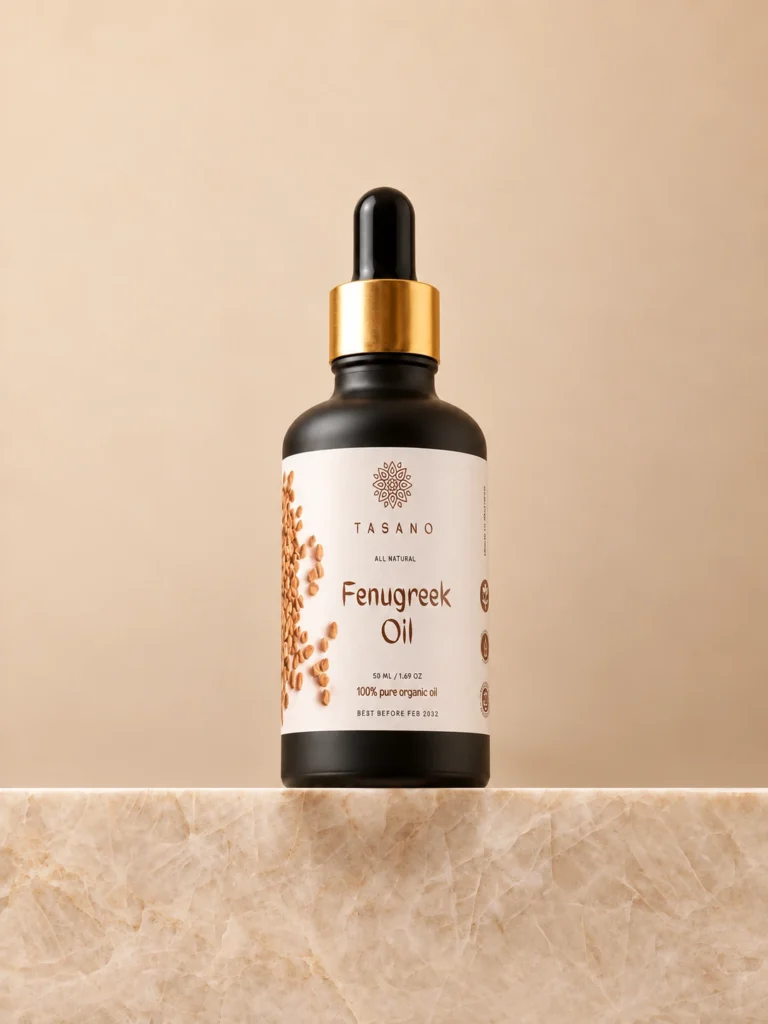
100% Pure Fenugreek Oil
$ 8.00 -
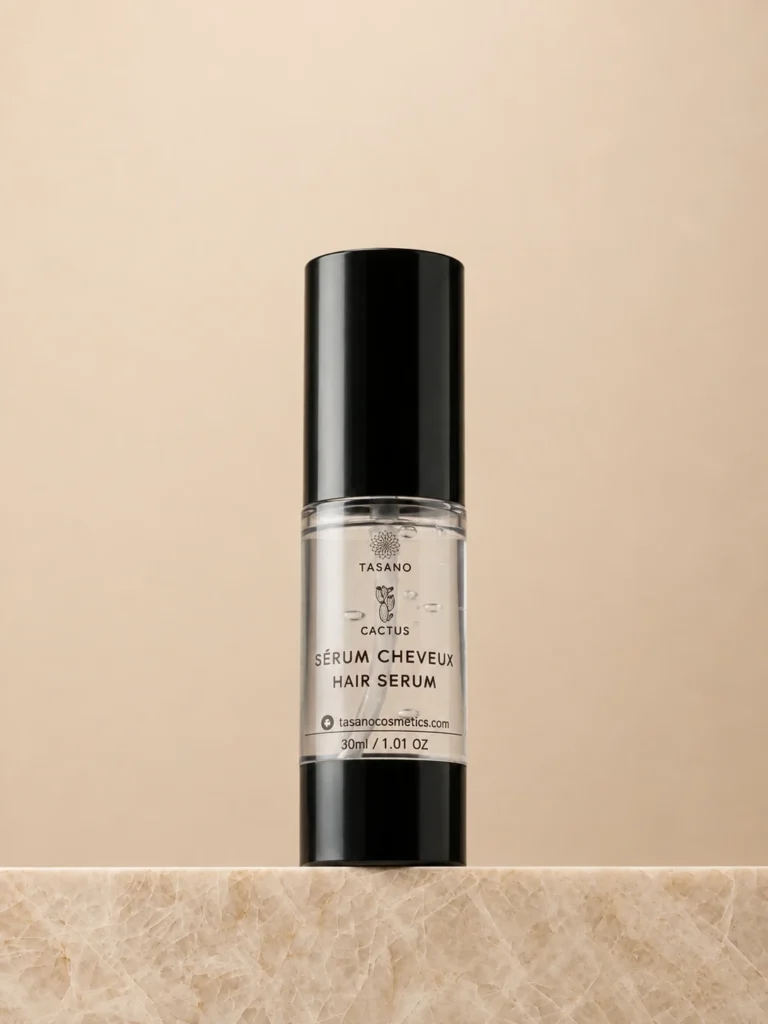
Moroccan Prickly Pear Hair Serum – Frizz Control
$ 9.00 -
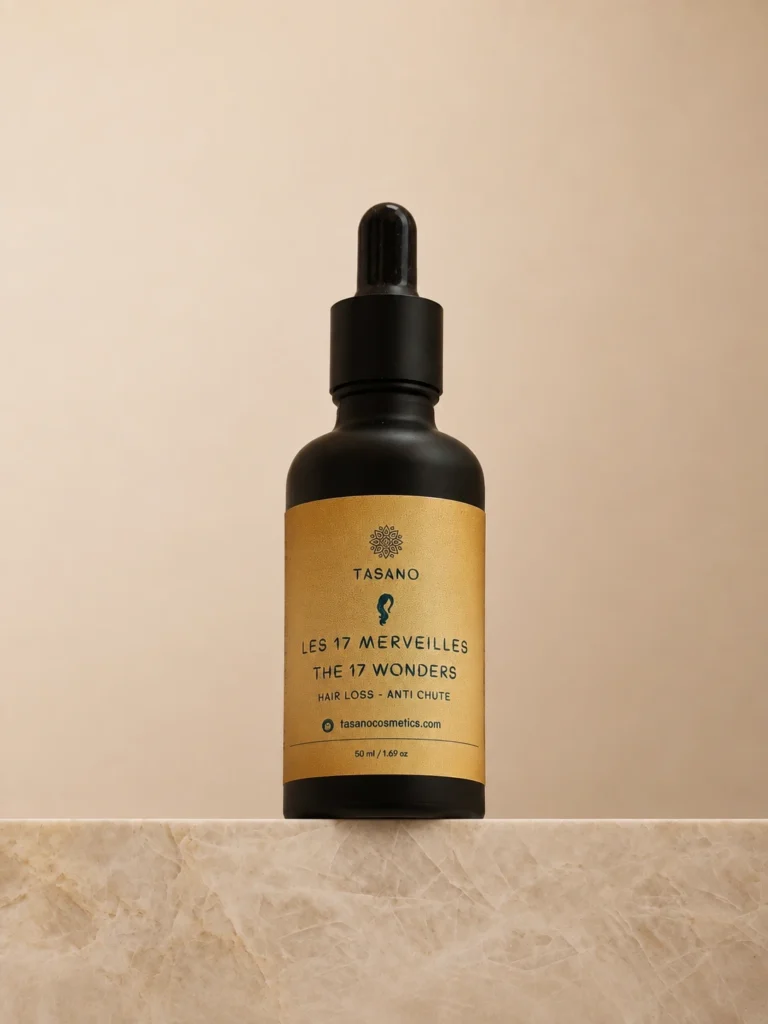
Rosemary Hair Oil – Density & Strengthening
$ 17.00
Enjoyed this guide? Keep TASANO easier to find when you search for Moroccan beauty advice.
