

Moroccan Beauty Products: The Complete Guide to Glowing, Clear, and Youthful Skin
ByTASANO
Moroccan beauty products are not popular by accident.
They have survived for generations because they work, consistently, visibly, and across all skin types. While modern skincare often overwhelms people with complicated routines and aggressive formulas, Moroccan beauty is built on something far more effective: powerful natural ingredients used with precision and purpose.
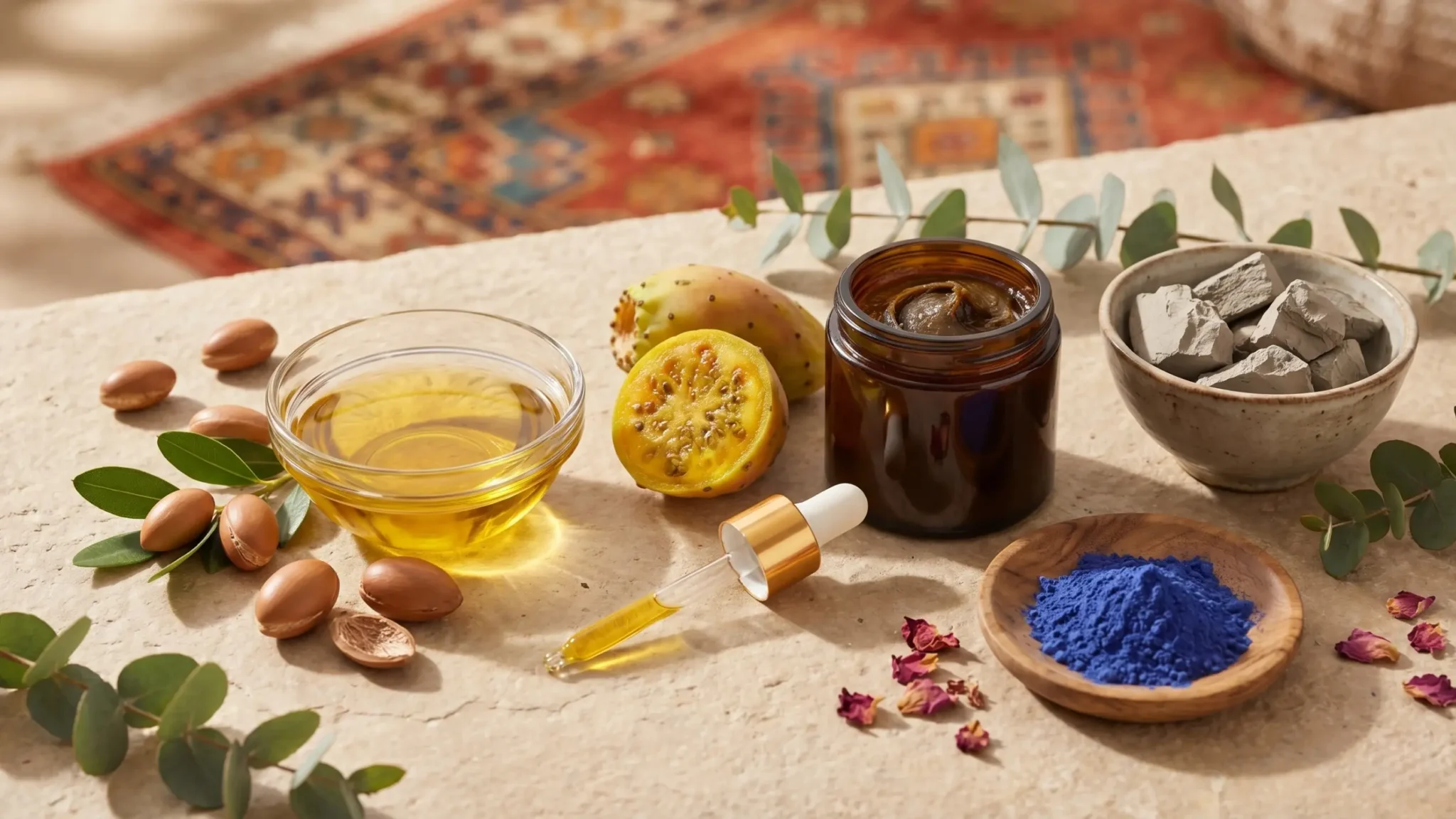
- Argan oil to deeply nourish.
- Black soap to prepare the skin.
- Rhassoul clay to purify.
- Nila powder to brighten and correct tone.
- Prickly pear seed oil to target signs of aging.
Each product has a role. Each step has a reason.
And when used correctly, the result is what most people are actually looking for:
- smoother skin
- even tone
- reduced dark spots
- long-lasting hydration
- visible glow
This guide will break down the most effective Moroccan beauty products, how they work, and how to use them to build a routine that delivers real results.
Table of Contents
What are Moroccan beauty products?
Moroccan beauty products are skincare, body care, and hair care essentials built around traditional Moroccan ingredients and rituals.
The category is not limited to one product. It includes cleansing products, exfoliators, masks, oils, floral waters, and treatment-based formulas used in both daily care and deeper weekly rituals.
What makes Moroccan beauty products different is the philosophy behind them. They are not random items grouped under an “exotic” label. Each product has a defined role:
- Cleansing the skin without stripping it
- Preparing the skin for exfoliation
- Removing buildup and impurities
- Restoring moisture and softness
- Supporting long-term skin health
This clarity is what makes Moroccan beauty different. Instead of layering dozens of products, the focus is on using fewer, better products with a clear function in the routine.
Why Moroccan beauty products stand out
1. A Routine, Not Just Products
Moroccan beauty is structured. Products are designed to work together, not compete with each other. The result is a routine that feels coherent and delivers consistent results.
2. The ingredients are iconic for a reason
Moroccan Argan oil, rhassoul clay, and prickly pear seed oil are not marketing inventions. They are deeply tied to Morocco’s natural environment and traditional practices. Their reputation exists because they have been used consistently, not because they were recently discovered. Argan in particular is tied to a UNESCO-recognized cultural practice and to the Arganeraie Biosphere Reserve in southwestern Morocco.
3. They fit modern skincare better than people think
People are moving away from overloaded routines. Moroccan beauty products work today because they fit exactly what modern customers want: fewer products, better ingredients, richer textures, stronger sensorial experience, and routines that feel intentional rather than overloaded.
The Essential Moroccan Beauty Products (That Actually Deliver Results)
1. Argan oil: Deep Hydration, Repair, and Skin Barrier Strength
Argan oil is the foundation of Moroccan skincare.
Not because it’s trendy, but because it solves one of the most common skin problems: chronic dryness and weakened skin barrier.
Unlike lightweight oils that sit on the surface, high-quality argan oil penetrates effectively, delivering essential fatty acids and vitamin E that help restore softness, elasticity, and resilience.
Argan Oil Benefits (What it does best):
- Deeply hydrates dry and dehydrated skin
- Restores glow to dull complexion
- Softens rough texture
- Strengthens the skin barrier
- Smooths hair and reduces frizz
Why it works so well:
It’s versatile. One product replaces multiple steps.
Face. Body. Hair.
For the hair benefits of argan oil, read Moroccan Hair Care: The Complete Guide to Stronger, Healthier, Shinier Hair.
How to use it (optimized for results):
- 2–3 drops on damp skin after cleansing
- After shower on body for long-lasting softness
- Light application on hair ends for shine and control
Argan oil is often the foundation of a Moroccan beauty routine. If someone starts Moroccan skincare, this is where they should start.
👉 If you want a deeper look at how this hero ingredient works in facial skincare, read our complete guide to Moroccan Argan Oil for Face: Benefits, How to Use It & Results to Expect.
Recommended products
-
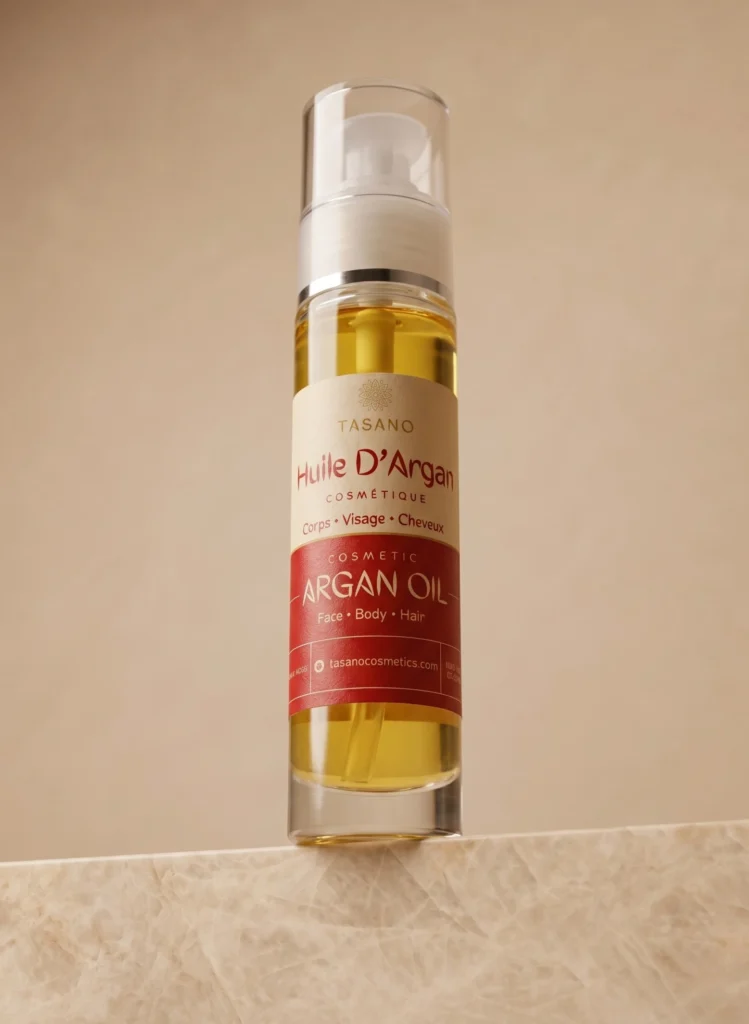
100% Pure Moroccan Argan Oil
Price range: $17.00 through $26.00 -
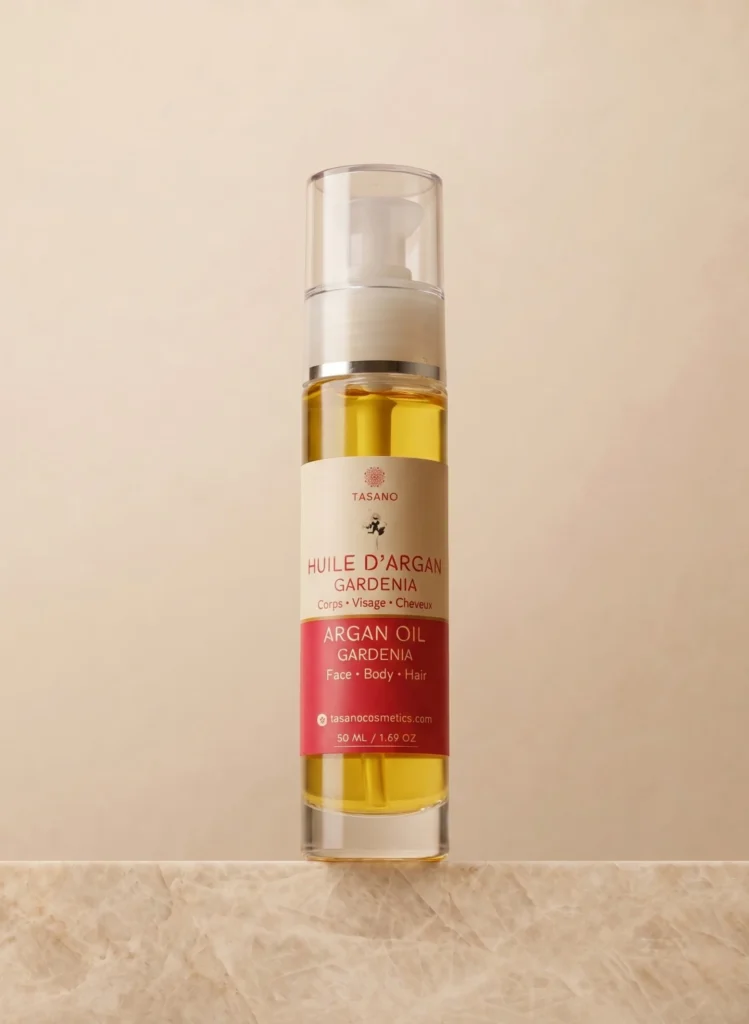
Gardenia Argan Oil for Hair & Body
$21.00 -
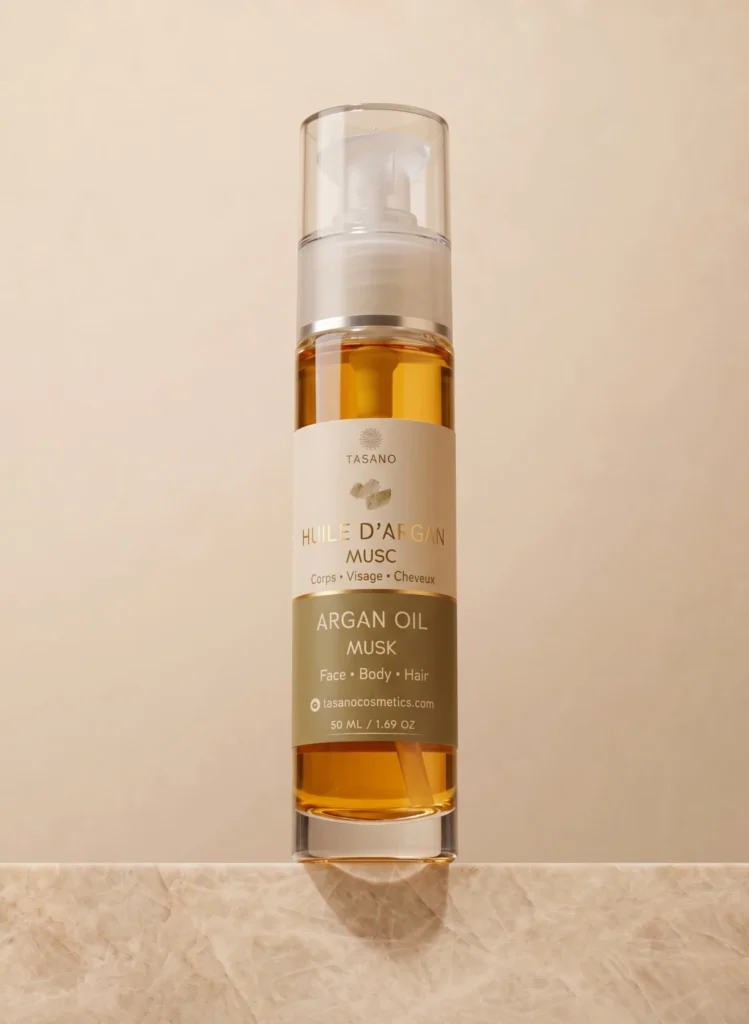
Musk Argan Oil for Hair & Body
$21.00 -
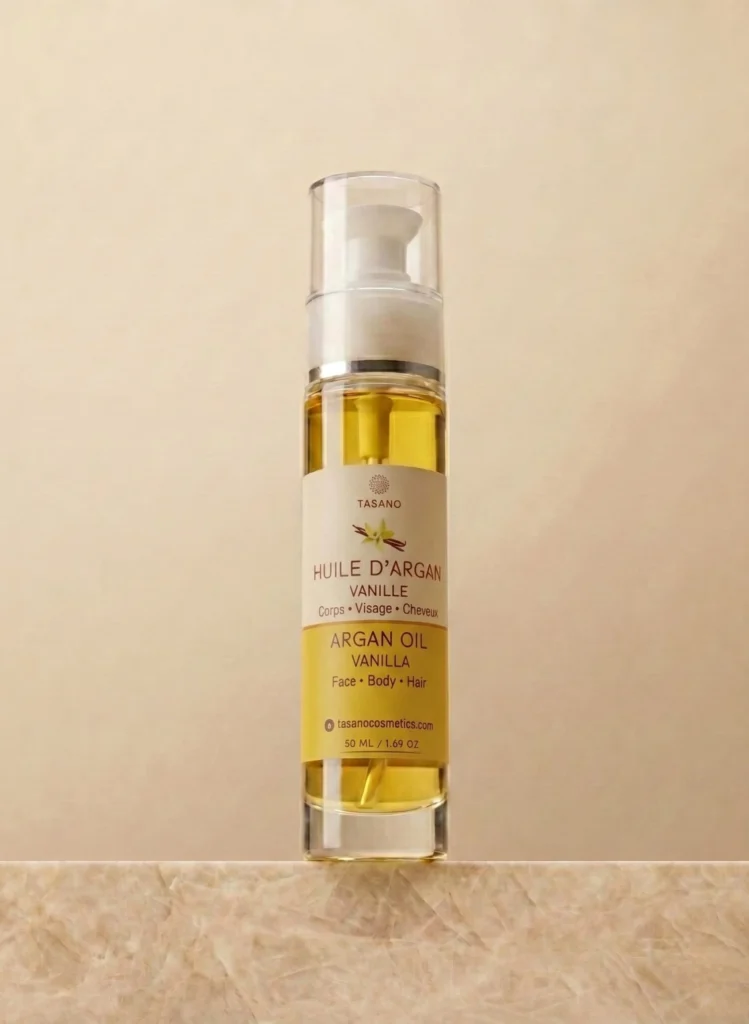
Vanilla Argan Oil for Hair & Body
$20.00
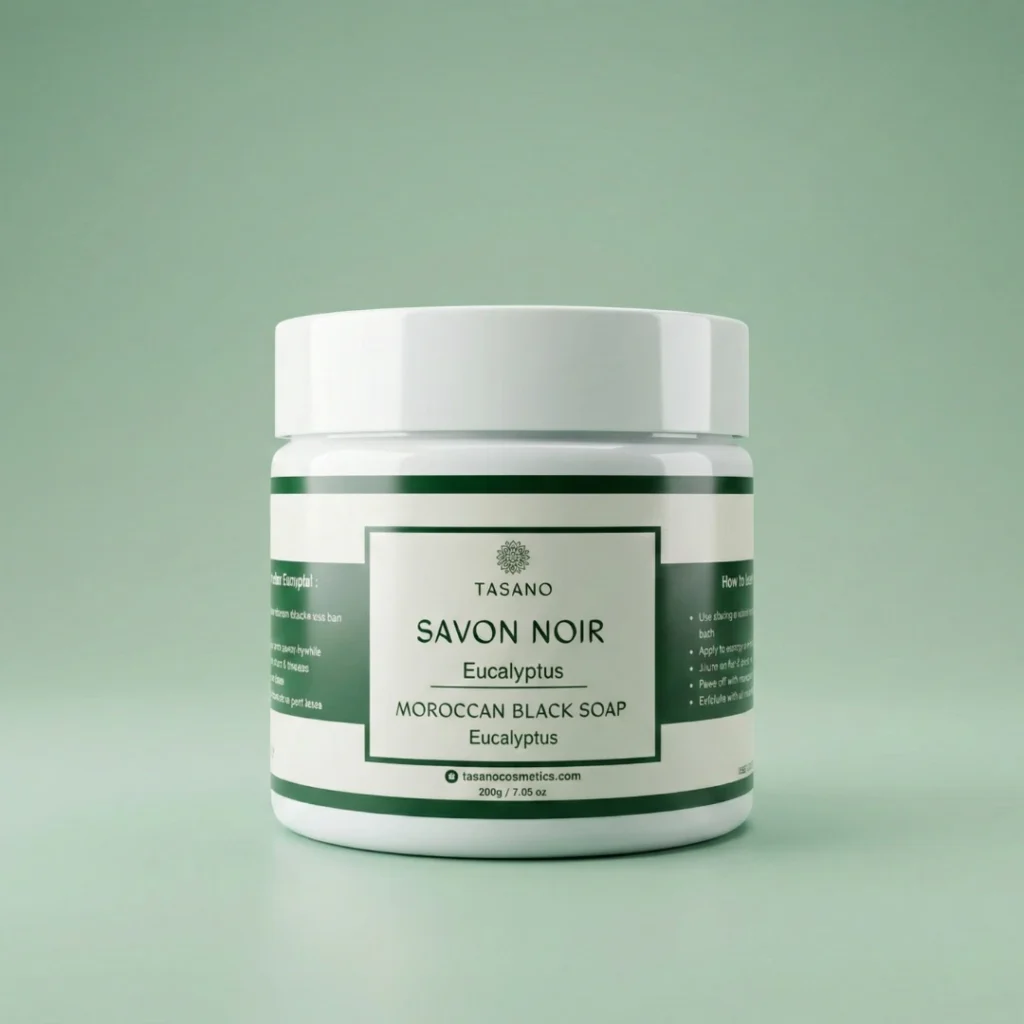
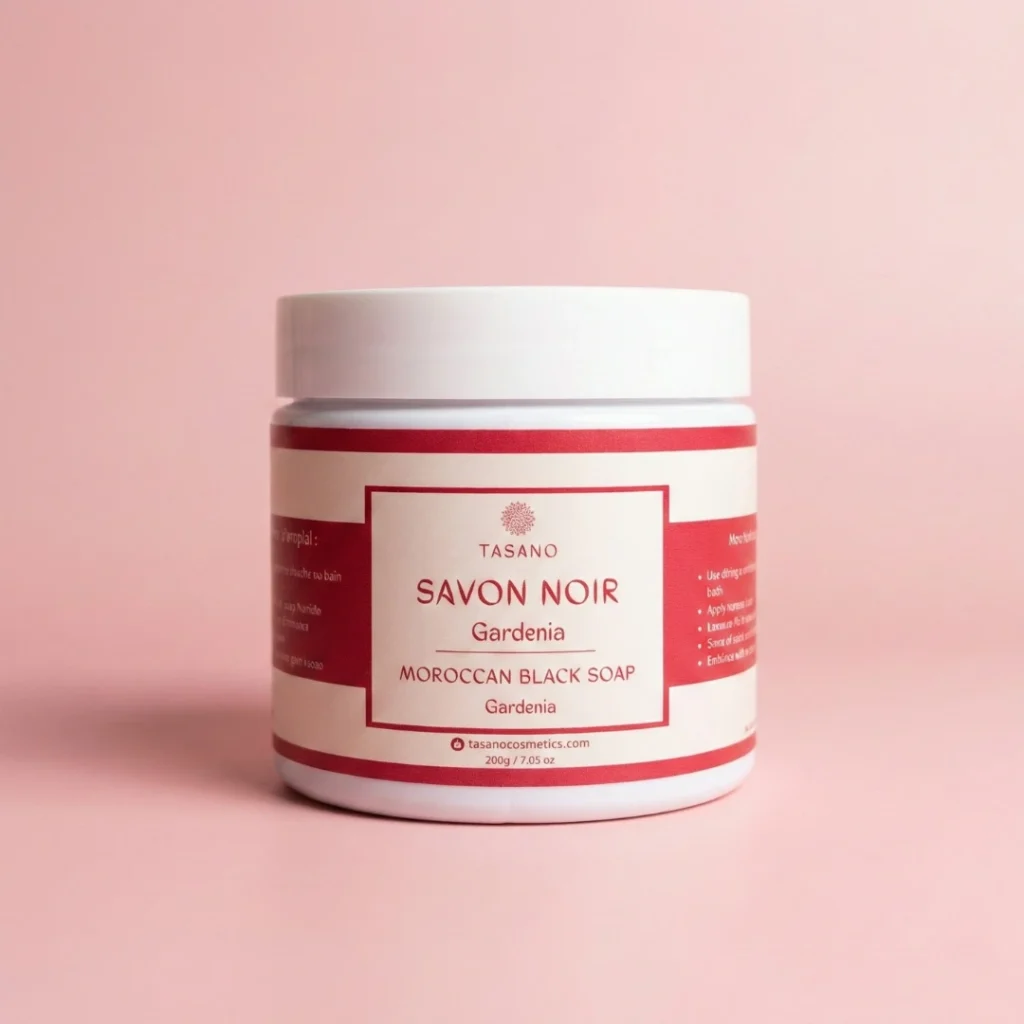
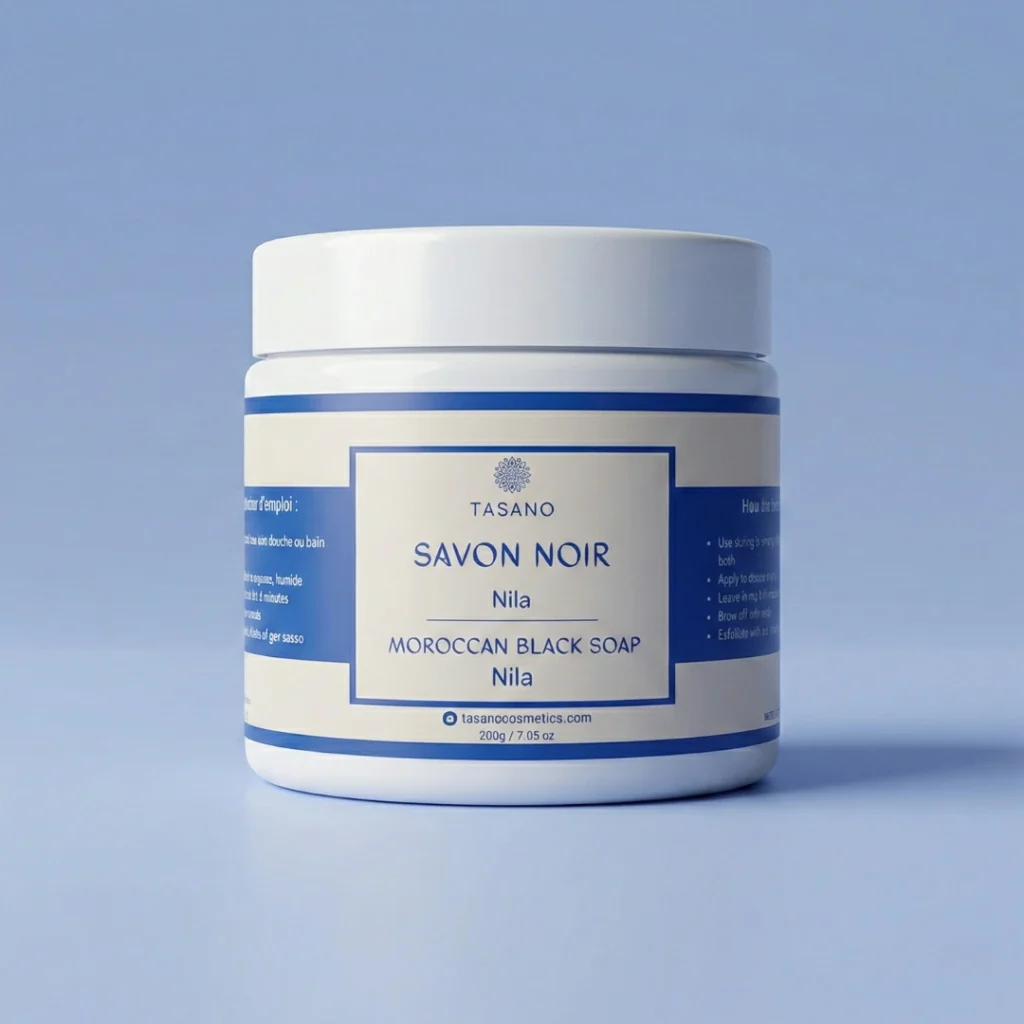
2. Moroccan black soap: Deep Cleansing and Skin Reset
Moroccan black soap is one of the pillars of the hammam ritual. It is not a typical soap bar and should not be treated like one. It is a soft, paste-like cleanser traditionally used to prepare the skin for exfoliation.
Moroccan black soap is not about daily cleansing.
It is about resetting the skin completely.
Used properly, it softens the skin and prepares it for exfoliation, allowing dead skin and buildup to be removed effectively.
What it does best:
- Softens thick or rough skin
- Prepares the skin for exfoliation
- Enhances the effectiveness of the hammam routine
- Improves skin texture over time
Why it matters:
It unlocks the results of everything that comes after it.
Without proper preparation, exfoliation and treatment products are less effective.
How to use it:
- Apply on warm, damp skin
- Leave for a few minutes
- Follow with exfoliation
Recommended products
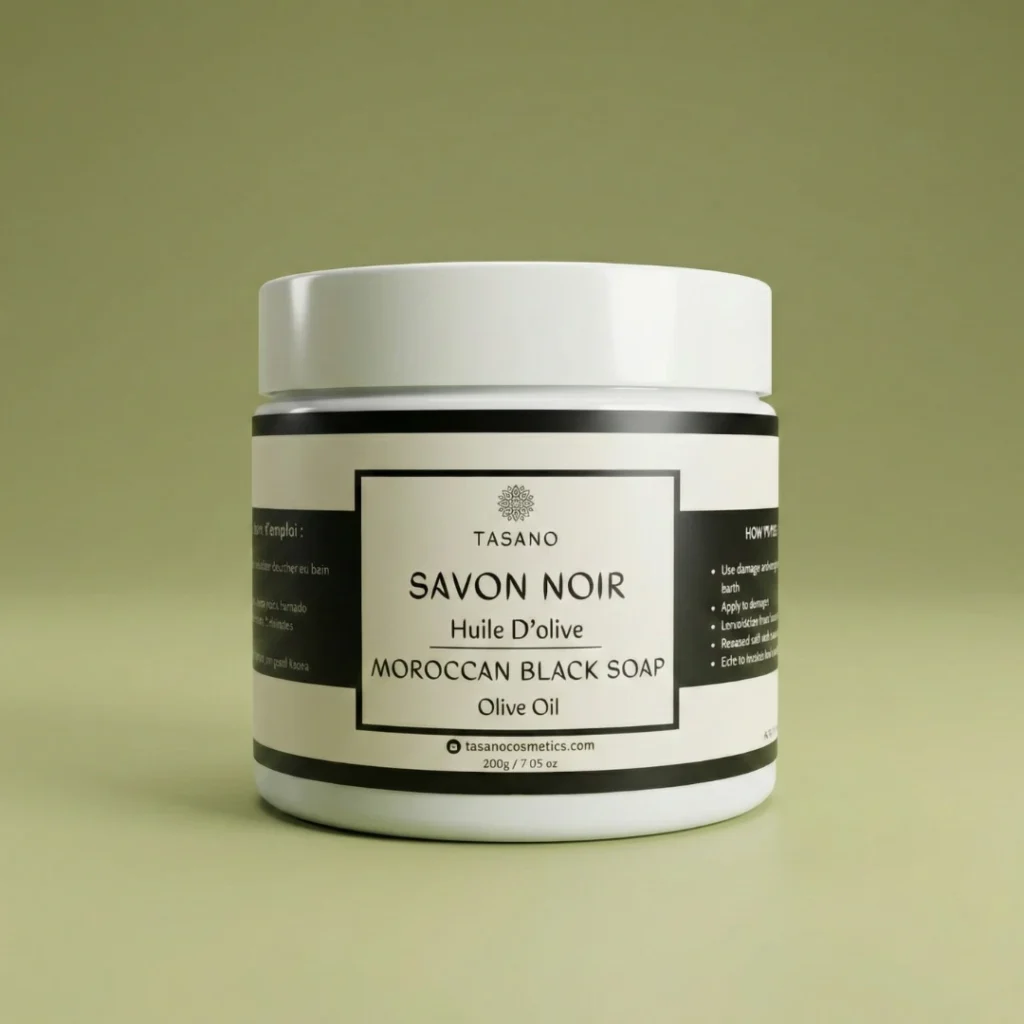
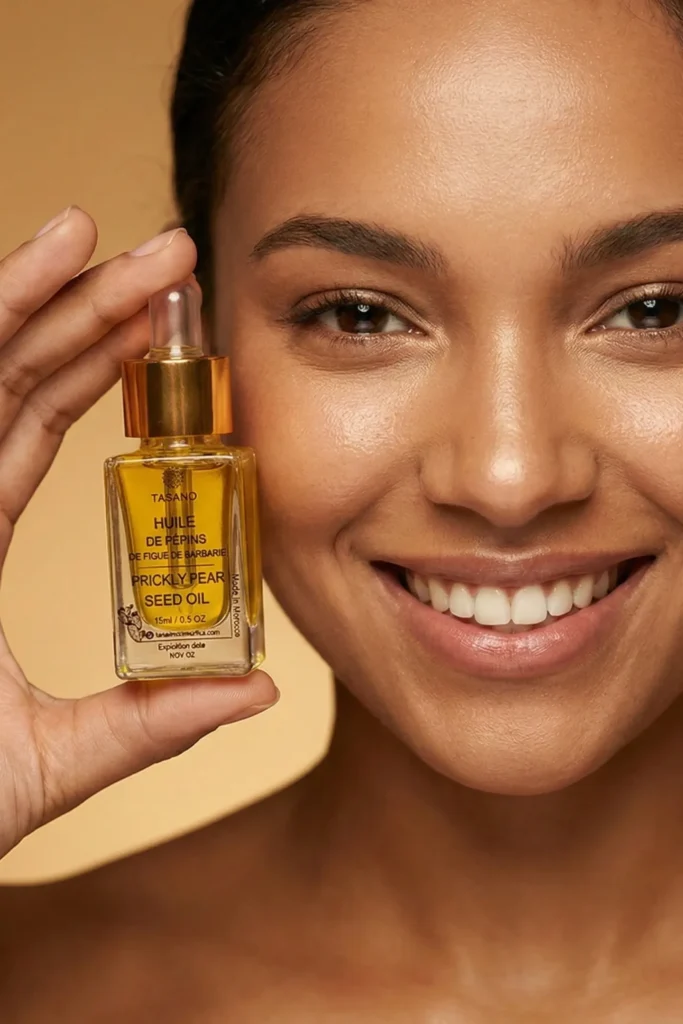
3. Prickly Pear Seed Oil: Anti-Aging, Firmness, and Fine Line Reduction
Prickly pear seed oil sits at the more premium end of Moroccan beauty. It is considered one of the most precious oils in the world.
This is not just another oil.
Prickly pear seed oil is one of the most powerful anti-aging oils in Moroccan beauty, and one of the most expensive for a reason.
It is naturally rich in antioxidants and essential fatty acids, making it highly effective for targeting fine lines, loss of firmness, and tired-looking skin.
What it does best:
- Reduces the appearance of fine lines
- Improves skin elasticity
- Brightens dull, aging skin
- Supports skin regeneration
- Enhances overall skin radiance
Why it stands out:
It delivers visible results with minimal product. A few drops go a long way.
How to use it:
- Apply at night on clean skin
- Use alone or after rose water
- Focus on areas prone to aging (eyes, forehead, smile lines)
👉 For a closer look at why this oil is so prized in skincare, explore Prickly Pear Seed Oil Benefits: The Ultimate Anti-Aging Oil for Skin.
Recommended products
-
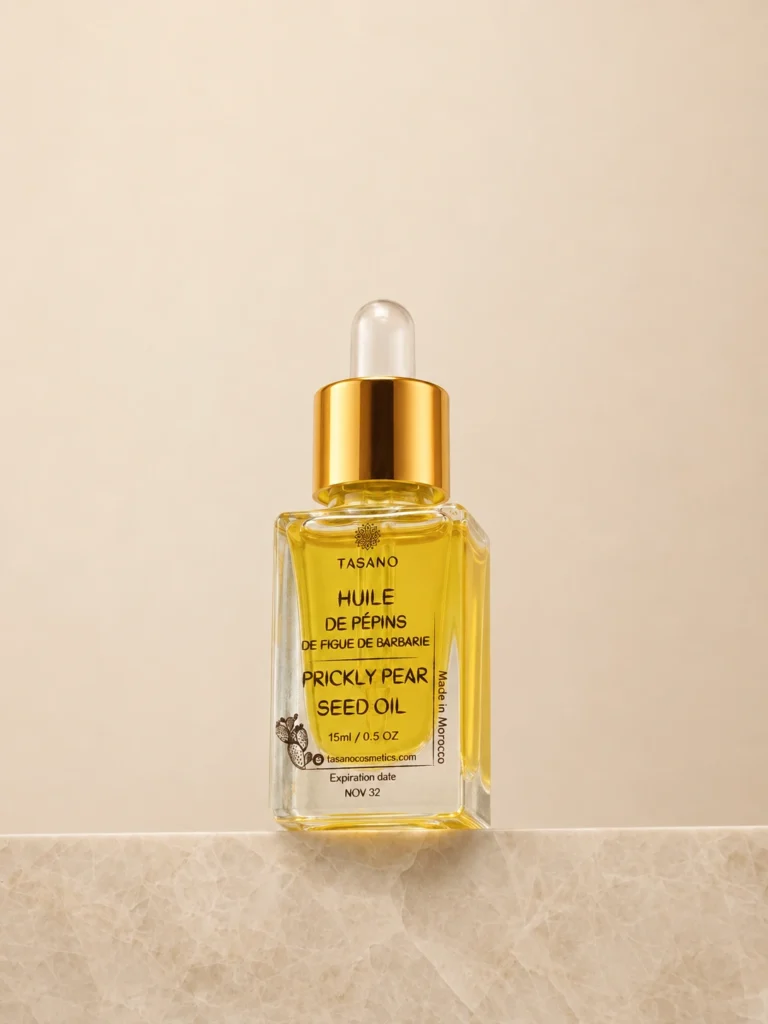
100% Pure Cold-Pressed Prickly Pear Seed Oil
Price range: $30.00 through $41.00 -
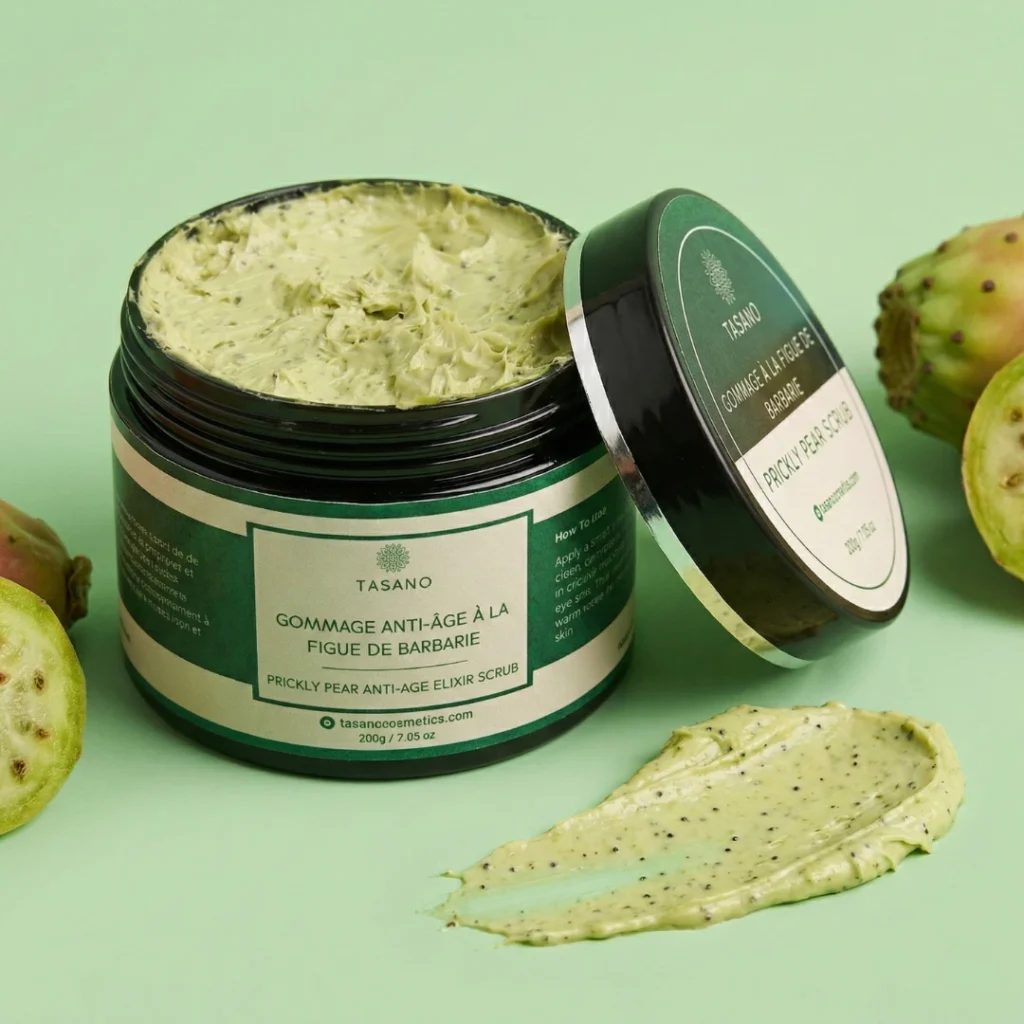
Moroccan Prickly Pear Body Scrub – Regenerating
$15.00 -
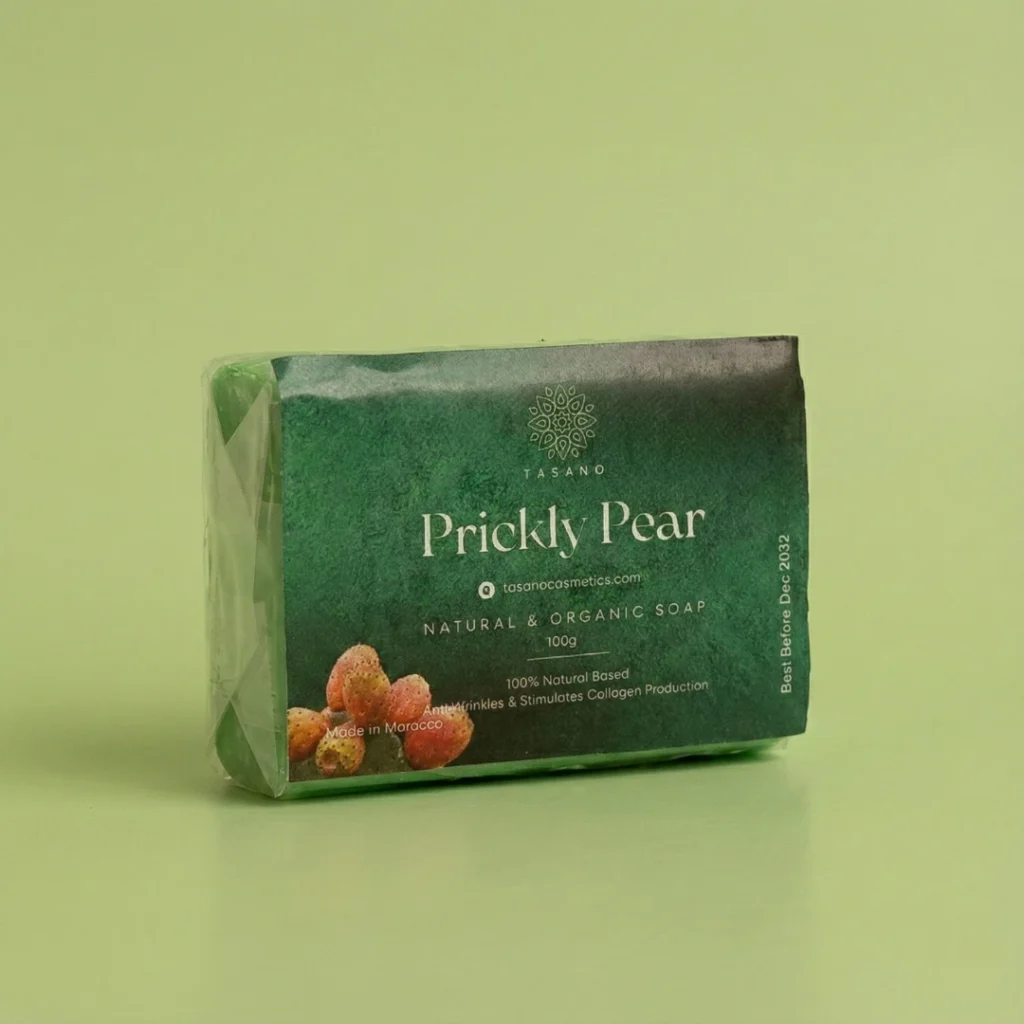
Prickly Pear Bar Soap – Regenerating
$8.00 -
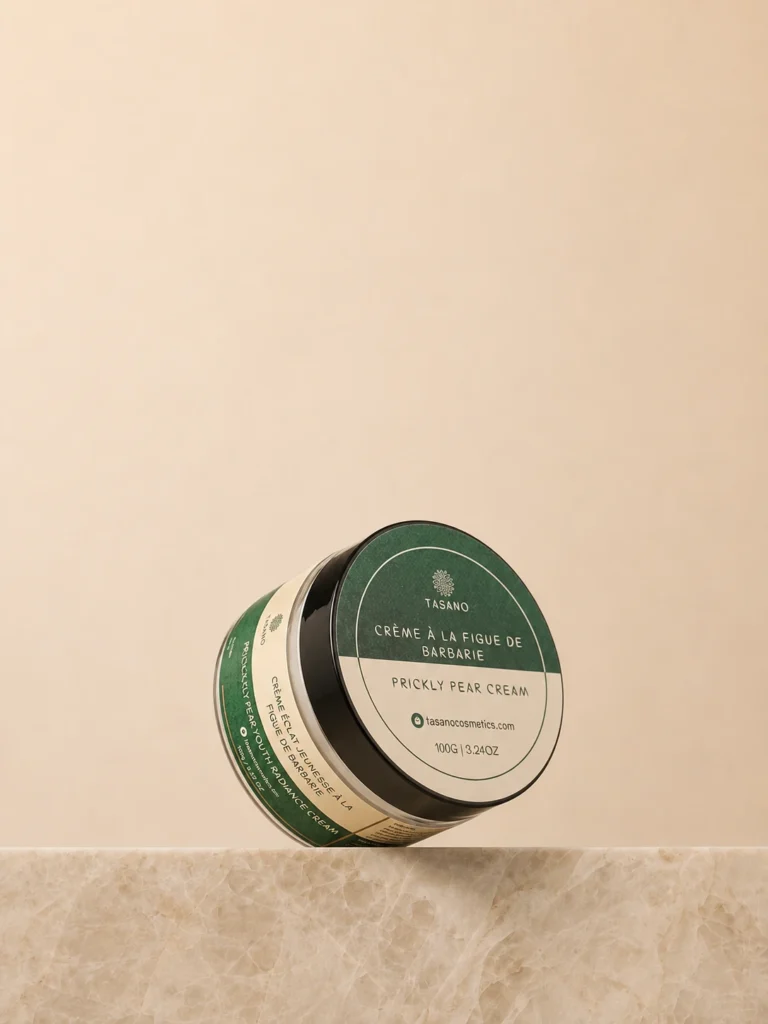
Prickly Pear Anti-Aging Cream
$20.00
4. Nila Powder: Brightening, Dark Spot Correction, and Even Skin Tone
Nila powder is one of the most powerful Moroccan beauty ingredients for hyperpigmentation, uneven skin tone, and dark spots. Used correctly, Nila is a powerful “tone-polishing” step in a Moroccan routine, especially when paired with hydration and barrier-friendly oils afterwards.
What it does best:
- Reduces dark spots and pigmentation
- Brightens the skin tone
- Evens out discoloration
- Enhances natural glow
Why use it:
Because it directly addresses one of the biggest skincare pain points: uneven skin tone and dark marks.
How to use it:
- Mix with water, rose water, or yogurt
- Apply as a mask 1–2 times per week
- Follow with oil for hydration
👉 If hyperpigmentation and post-acne marks are your main concern, read Nila Powder for Dark Spots: How to Use It for Hyperpigmentation & Even Skin Tone.
Recommended products
-
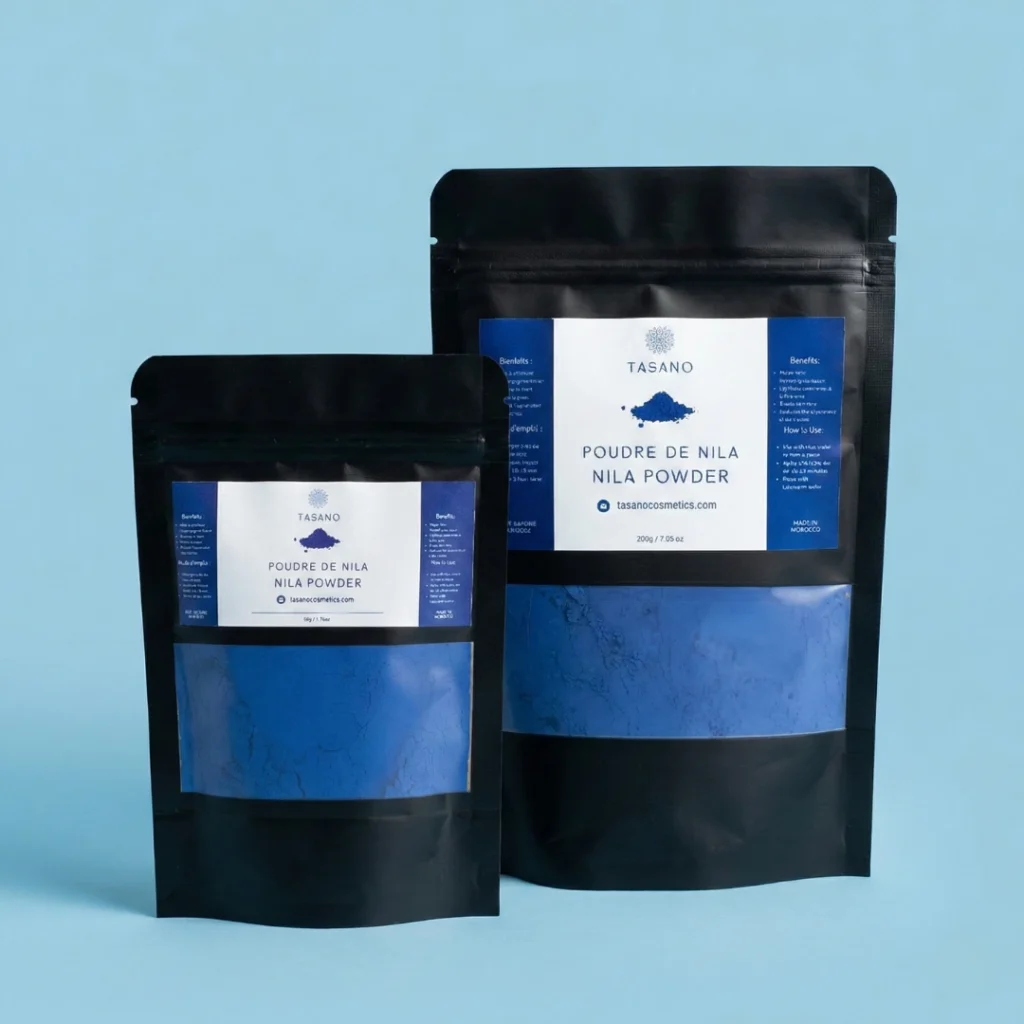
Moroccan Nila Powder – Hyperpigmentation
Price range: $8.00 through $29.00 -
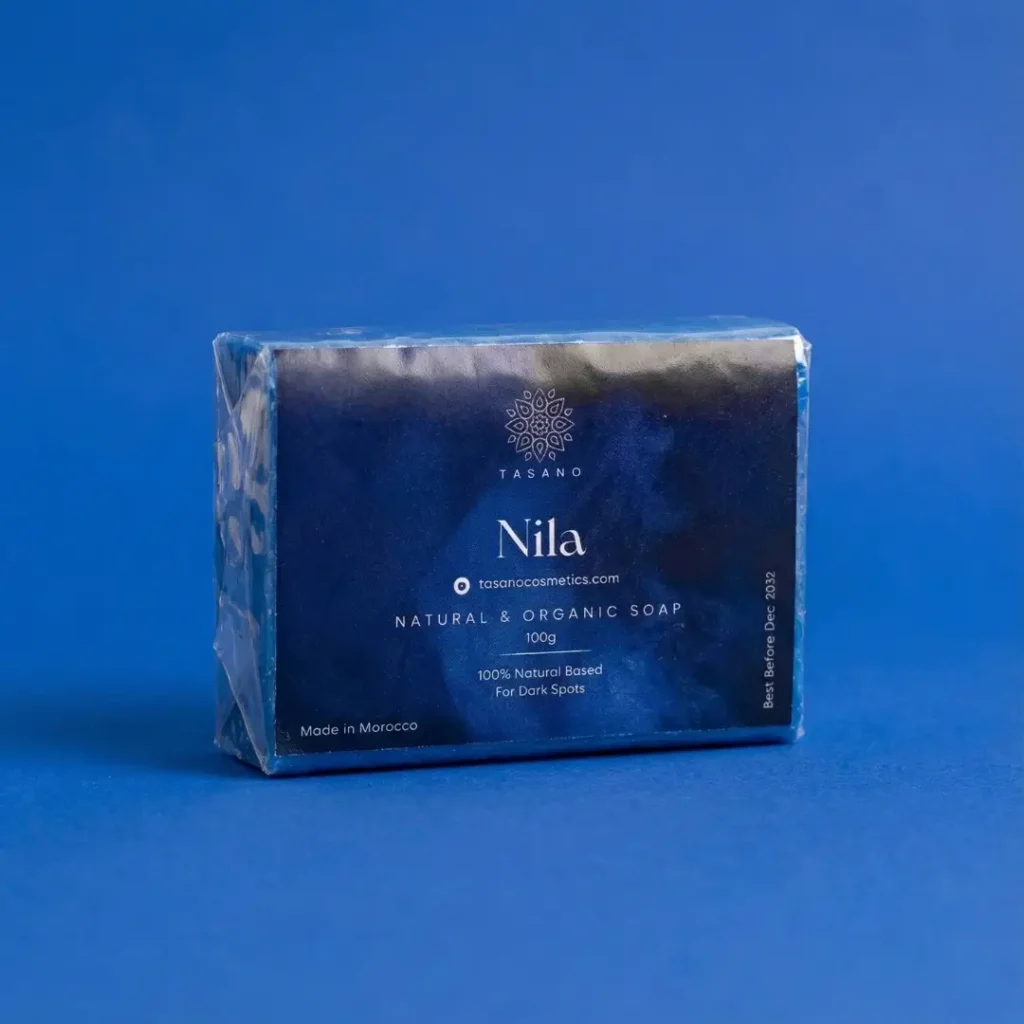
Nila Bar Soap – Hyperpigmentation
$7.00 -
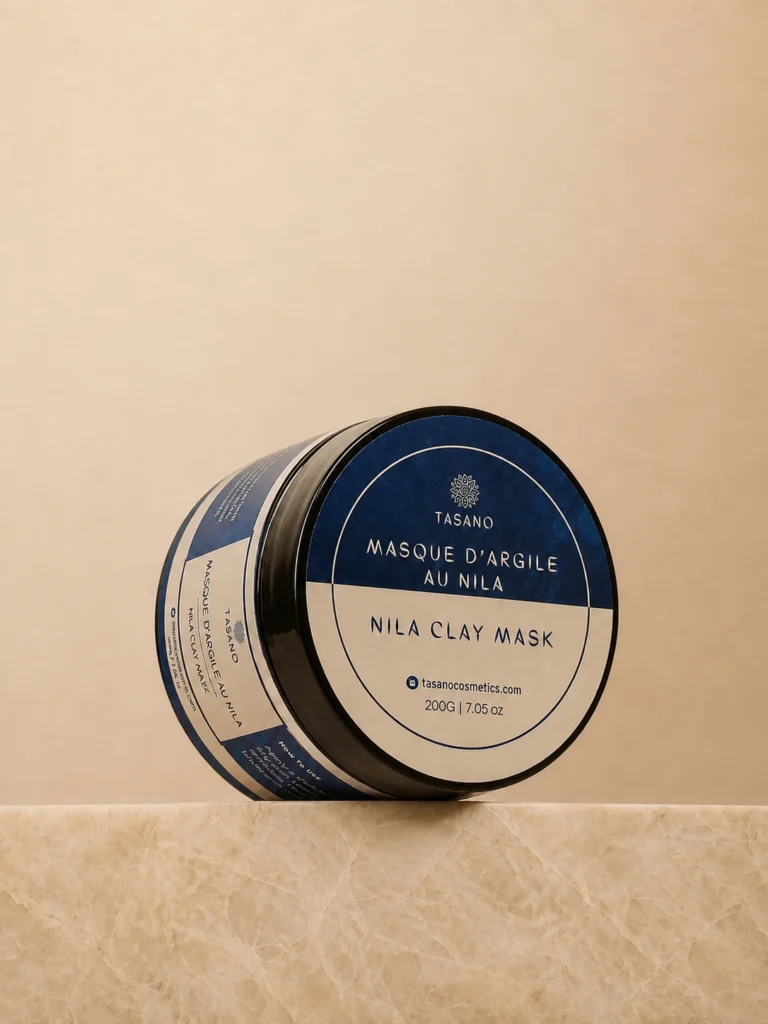
Nila Face Mask for Dark Spots
$18.00 -
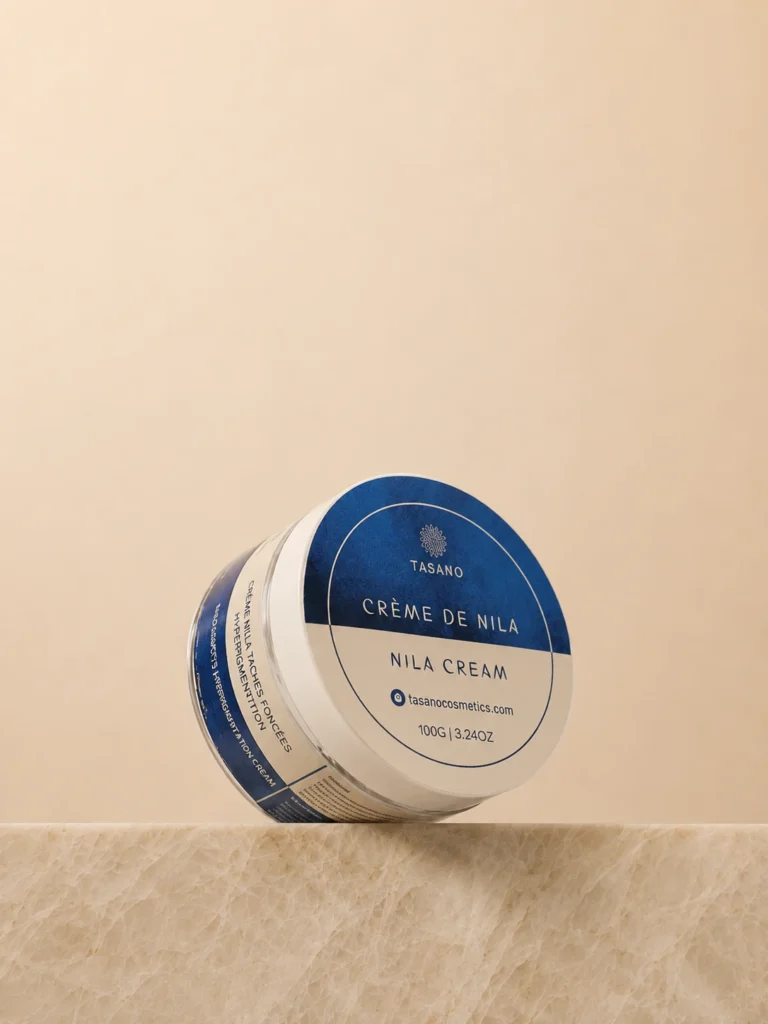
Nila Dark Spot Corrector Cream
$18.00
5. Rhassoul clay (Ghassoul clay): Detox, Oil Control, and Skin Purification
Rhassoul clay, also spelled ghassoul, is a mineral-rich Moroccan clay traditionally used for face, body, and hair. It is popular because it cleanses deeply while fitting the “less but better” philosophy of Moroccan skincare. Research on clay-based skincare supports its role in improving skin texture, oil balance, and overall appearance.
Best for:
oily skin, congested skin, weekly masks, scalp and hair cleansing
What it does best:
- Deep cleans pores
- Controls excess oil
- Improves skin clarity
- Refines texture
- Works for both skin and hair
Why it works:
It balances instead of attacking the skin.
How to use it:
- Mix with water or rose water
- Apply as a mask
- Use 1–2 times per week
👉 To understand why clay remains one of the most important Moroccan skincare products, read Ghassoul Clay for Hair and Skin: Benefits & How to Use It.
Recommended products
-
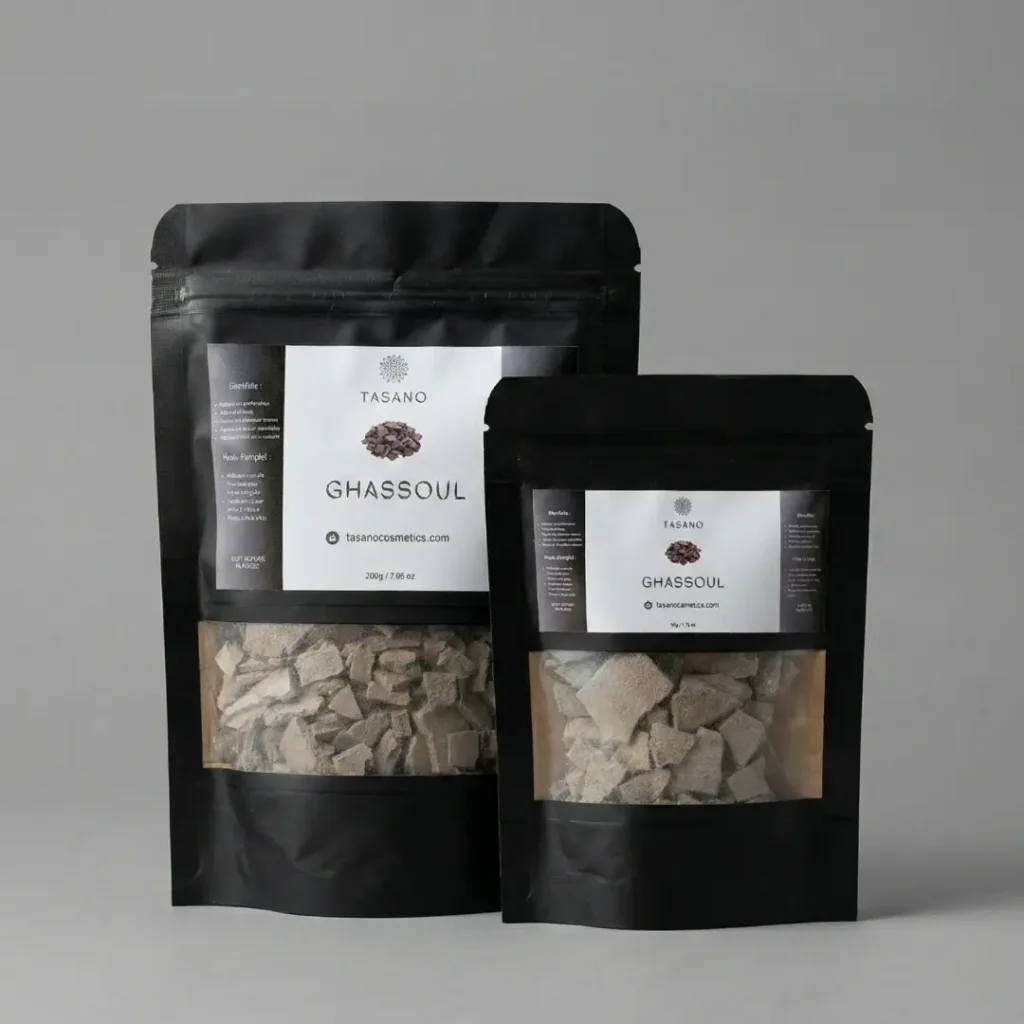
Moroccan Rhassoul (Ghassoul) – Deep Purifying
Price range: $5.00 through $13.00 -
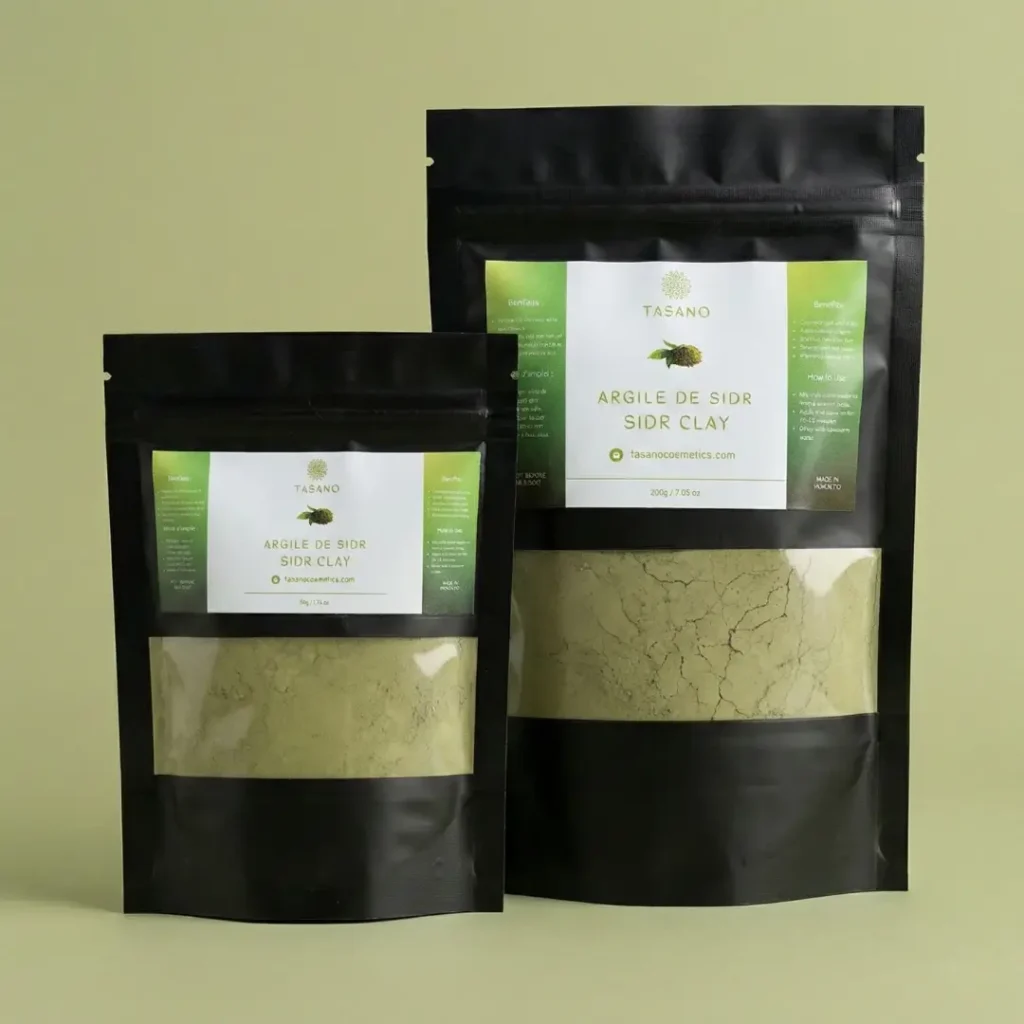
Moroccan Sidr Leaf Powder – Purifying Scalp Cleanser
Price range: $7.00 through $25.00 -
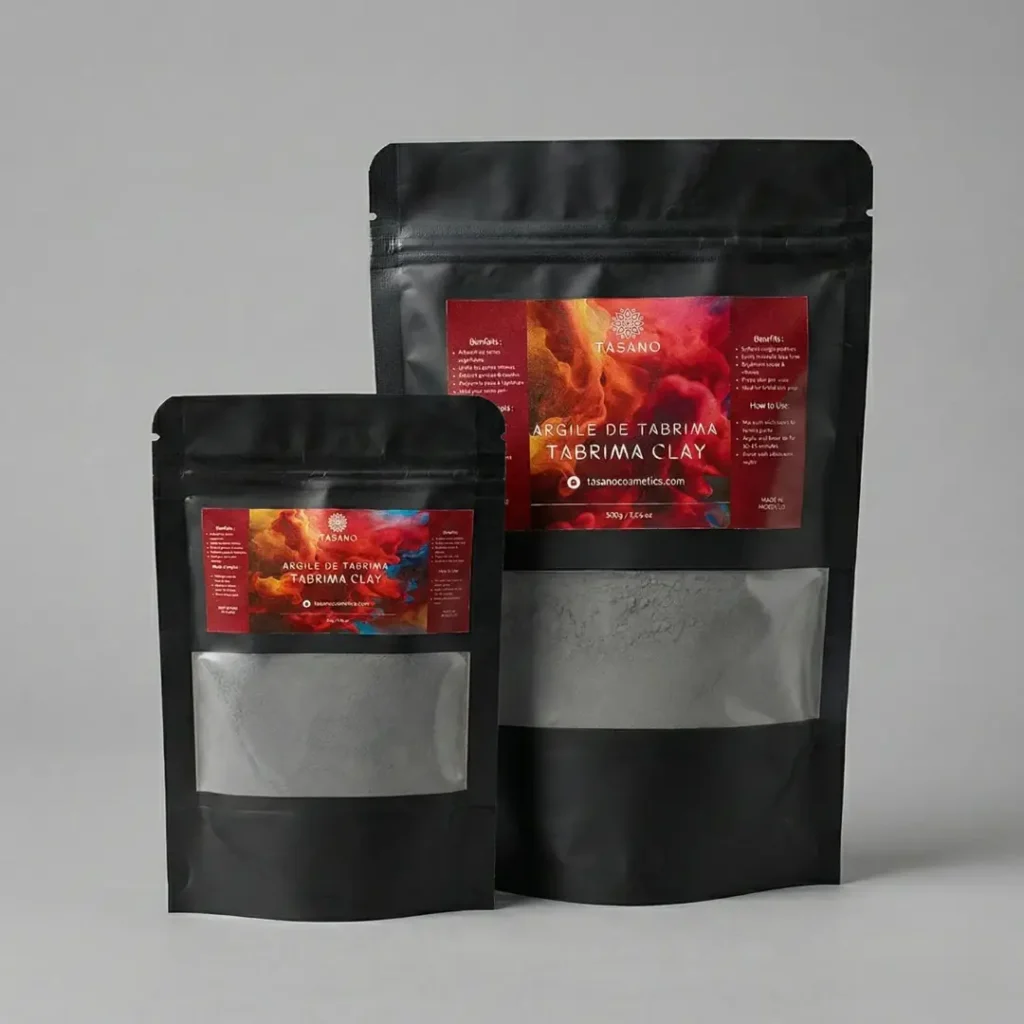
Moroccan Tebrima Herbal Powder – Traditional Hammam Care
Price range: $7.00 through $24.00 -
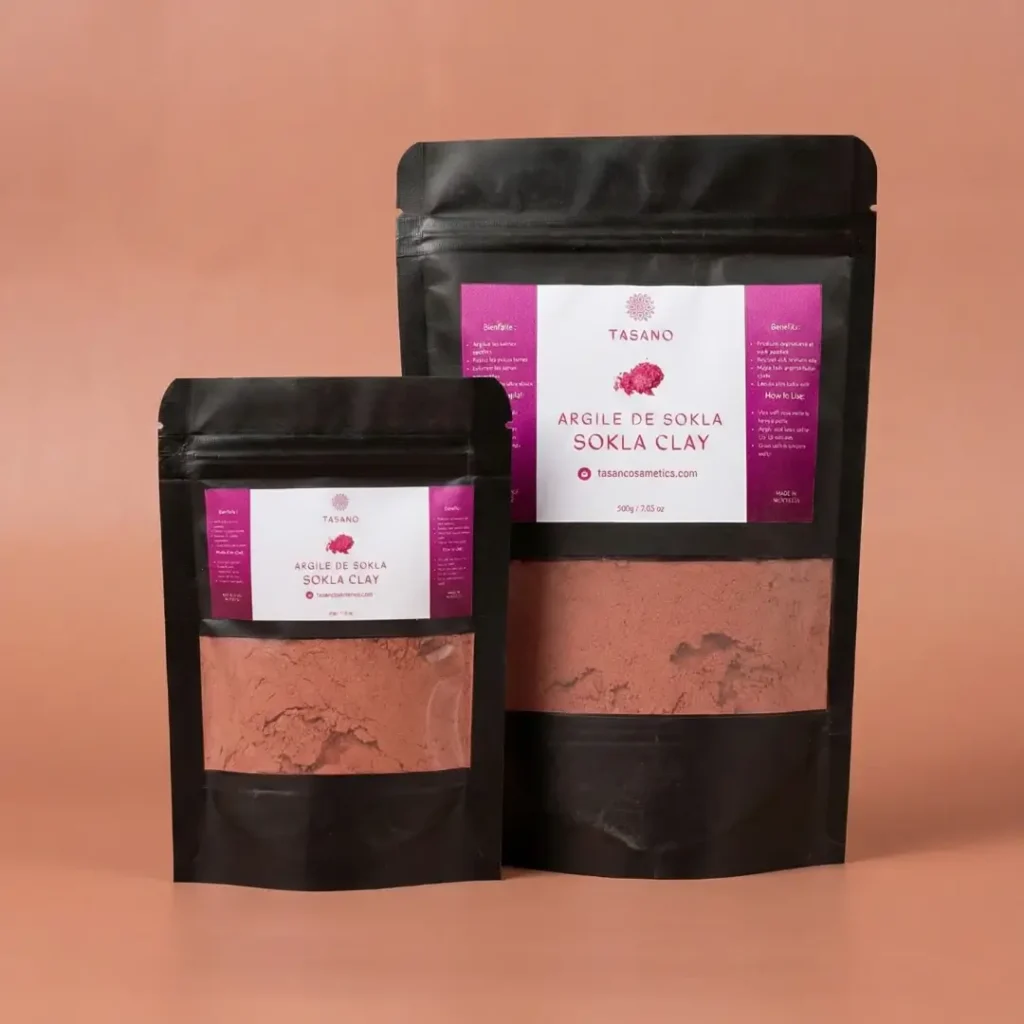
Moroccan Sokla Herbal Powder – Radiance Restoring
Price range: $7.00 through $21.00
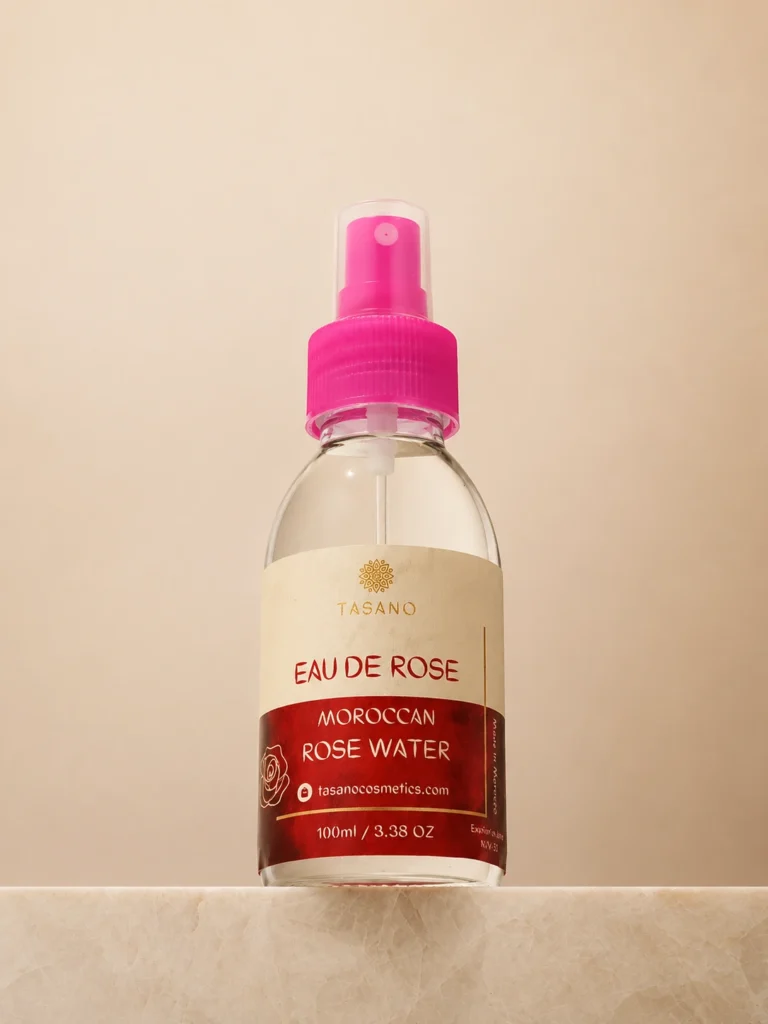
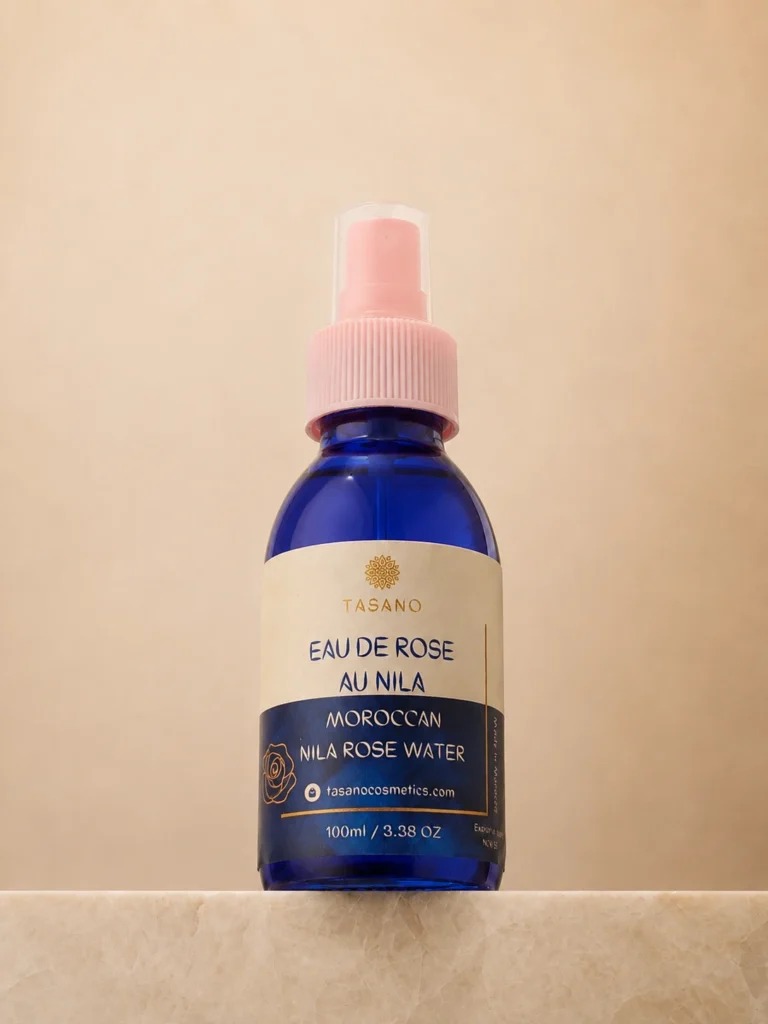
6. Rose water: Hydration, Refreshing, and Skin Preparation
Rose water is one of the simplest and most versatile Moroccan beauty products. It prepares the skin for everything that follows and improves absorption of oils and treatments.
Best for:
refreshing, toning, post-cleansing comfort, light hydration layering
When it is used:
- After cleansing
- Before applying oils or creams
- Throughout the day as a mist
What it does best:
- Light hydration
- Refreshing the skin
- Balancing the skin after cleansing
- Enhancing product absorption
How to use it:
- Spray or apply after cleansing
- Use before oils or serums
- Reapply during the day
It is often the easiest entry point into Moroccan skincare.
Recommended products
Routines that make Moroccan beauty products actually work
The weekly hammam-inspired body routine (glow + smoothness)
- Warm shower/steam
- Apply Moroccan black soap (5–10 minutes)
- Exfoliate with kessa glove (controlled pressure)
- Optional: Use rhassoul clay mask on face, scalp, or body
- Seal with argan oil on damp skin
The nightly anti‑ageing face routine (simple, premium, consistent)
- Cleanse
- Rose water
- Prickly pear seed oil
- Moisturiser if needed
The tone routine for dark spots (patient, consistent, barrier-friendly)
- Seal with argan oil if your skin tolerates it
- Gentle cleanse
- Rose water (or Nila-infused toner)
- Nila mask 1–2 times weekly (or a Nila cream format)
👉 If you want the full step-by-step structure for morning and weekly care, read Moroccan Skincare Routine: Daily & Weekly Routine for Glowing Skin.
How to choose authentic Moroccan beauty products (and avoid wasting money)
Not all Moroccan beauty products are created equal. As global demand has increased, the market has been flooded with diluted, synthetic, or falsely labeled versions of traditional ingredients. If you’re serious about results, you need to know exactly what you’re buying.
What Defines Authentic Moroccan Beauty Products
Authenticity comes down to three non-negotiables:
- Origin: Sourced and produced in Morocco
- Purity: No dilution, fillers, or synthetic additives
- Traditional integrity: Respect for the original extraction or preparation methods
Anything outside of this is a compromise, and compromises kill results.
👉If you want a full buying guide before choosing oils, powders, or treatment products, read How to Choose Authentic Moroccan Beauty Products (Avoid Fake Argan, Nila & Oils).
Quick Guide: How to Spot Real vs Fake Products
Argan Oil (Huile d’Argan)
- Real: Light golden color, smooth texture, absorbs quickly, subtle nutty scent
- Fake/Diluted: Too pale or too dark, greasy feel, no scent or strong artificial fragrance
- Red flag: Cheap pricing for large quantities, real argan oil is expensive to produce
Nila Powder (Moroccan Blue Clay)
- Real: Deep matte blue color, very fine texture, no strong smell
- Fake/Mixed: Bright artificial blue, grainy texture, may stain unevenly
- Red flag: Overly vibrant color, natural Nila is muted, not neon
Moroccan Black Soap (Savon Noir)
- Real: Dark amber to brown, thick paste, olive-based scent, slightly sticky texture
- Fake/Low Quality: Too liquid, artificial scents, solid bar or crumbles too easily
- Red flag: Foam-heavy formulas, authentic black soap does not foam like regular soap
👉 If you want to understand how Moroccan black soap fits into a real body ritual, read our guide to Moroccan Black Soap Benefits & How to Use It
Prickly Pear Seed Oil (Huile de Figue de Barbarie)
- Real: Pale green to yellowish color, very light texture, absorbs almost instantly, subtle earthy scent (not sweet, not perfumed)
- Fake/Diluted: Thick or greasy feel, strong fragrance, overly golden or completely clear color
- Red flag: Low price — real prickly pear seed oil is one of the most expensive oils in the world due to the extraction process (tons of seeds for small yield)
Where Most People Get It Wrong
People focus on price and packaging, not on composition.
That’s exactly why they end up with:
- Argan oil that does nothing for their skin
- Black soap that doesn’t exfoliate properly
- Nila powder that gives zero visible results
If the product doesn’t perform, it’s not authentic. Simple.
The Smart Way to Buy (Without Guesswork)
If you don’t want to waste time analyzing every product, the smarter move is to go with a brand that has already done the sourcing, testing, and quality control for you.
That’s where TASANO comes in.
- Sourced directly from Morocco
- Strict selection of raw ingredients
- No dilution, no shortcuts
- Products designed to deliver real, visible results, not just “natural” labeling
Instead of gambling on random sellers, you get peace of mind knowing every product is authentic and effective.
Bottom Line
Authenticity is not a detail, it’s everything.
The difference between real Moroccan beauty products and fake ones is the difference between:
- Visible transformation
- and
- wasted time and money
Choose carefully, or don’t expect results.
The Best Moroccan Beauty Products by Skin Concern (Targeted Solutions That Actually Work)
1. For Anti-Aging, Wrinkles & Loss of Firmness
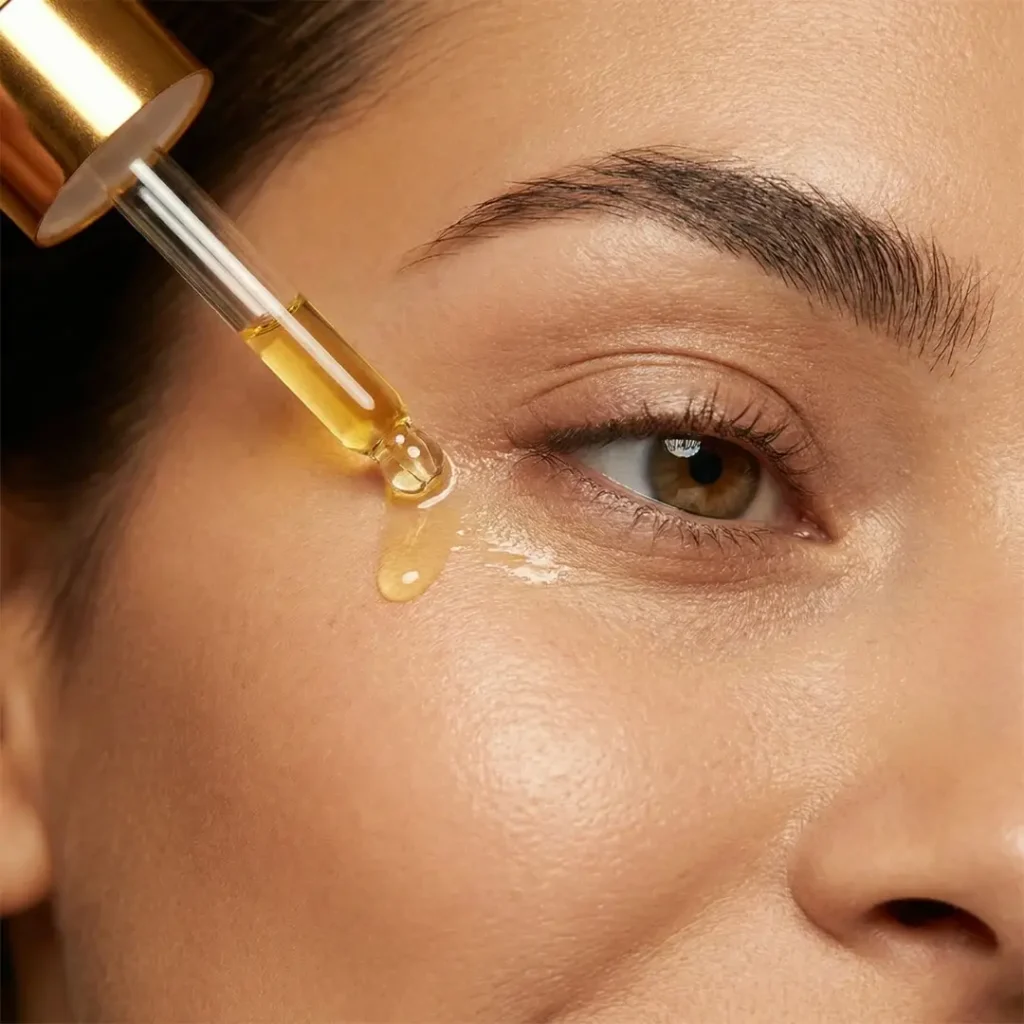
If your goal is smoother, firmer, more youthful-looking skin, Moroccan beauty focuses on deep nourishment and regeneration, not aggressive treatments.
Best Moroccan beauty products for anti-aging:
- Prickly pear seed oil (primary)
- Argan oil (supporting)
Why this works:
Prickly pear seed oil is naturally rich in antioxidants and essential fatty acids, helping improve skin elasticity and reduce the appearance of fine lines. Argan oil complements it by strengthening the skin barrier and maintaining hydration.
How to use for best results:
- Stay consistent, this is cumulative, not instant
- Apply prickly pear seed oil at night on clean skin
- Use argan oil during the day or after shower
👉 For a more targeted anti-aging approach, read Best Moroccan Beauty Products for Anti-Aging & Wrinkle Reduction.
2. For Dark Spots, Hyperpigmentation & Uneven Skin Tone
This is one of the highest-demand skincare concerns globally, and where Moroccan beauty has a massive advantage.
Best Moroccan beauty products for dark spots:
- Nila powder (primary)
- Rose water (supporting)
- Argan oil (maintenance)
Why this works:
Nila powder is traditionally used to brighten and even out skin tone, helping reduce the appearance of dark spots and discoloration over time.
How to use for best results:
- Finish with oil to restore hydration
- Apply Nila powder as a mask 1–2 times per week
- Use rose water daily to maintain skin balance
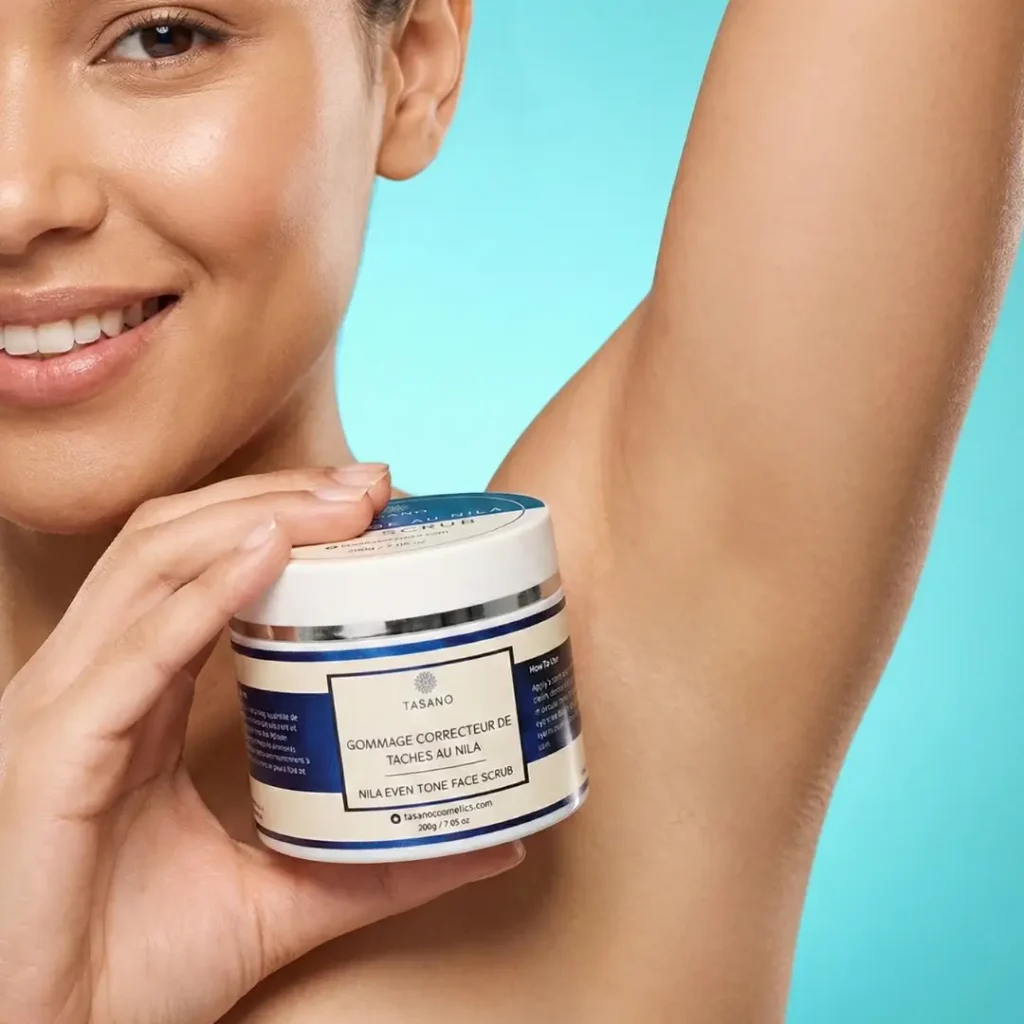
👉 If your goal is a brighter, more even-looking complexion, read Best Moroccan Beauty Products for Dark Spots & Hyperpigmentation.
3. For Oily Skin, Acne & Congested Pores
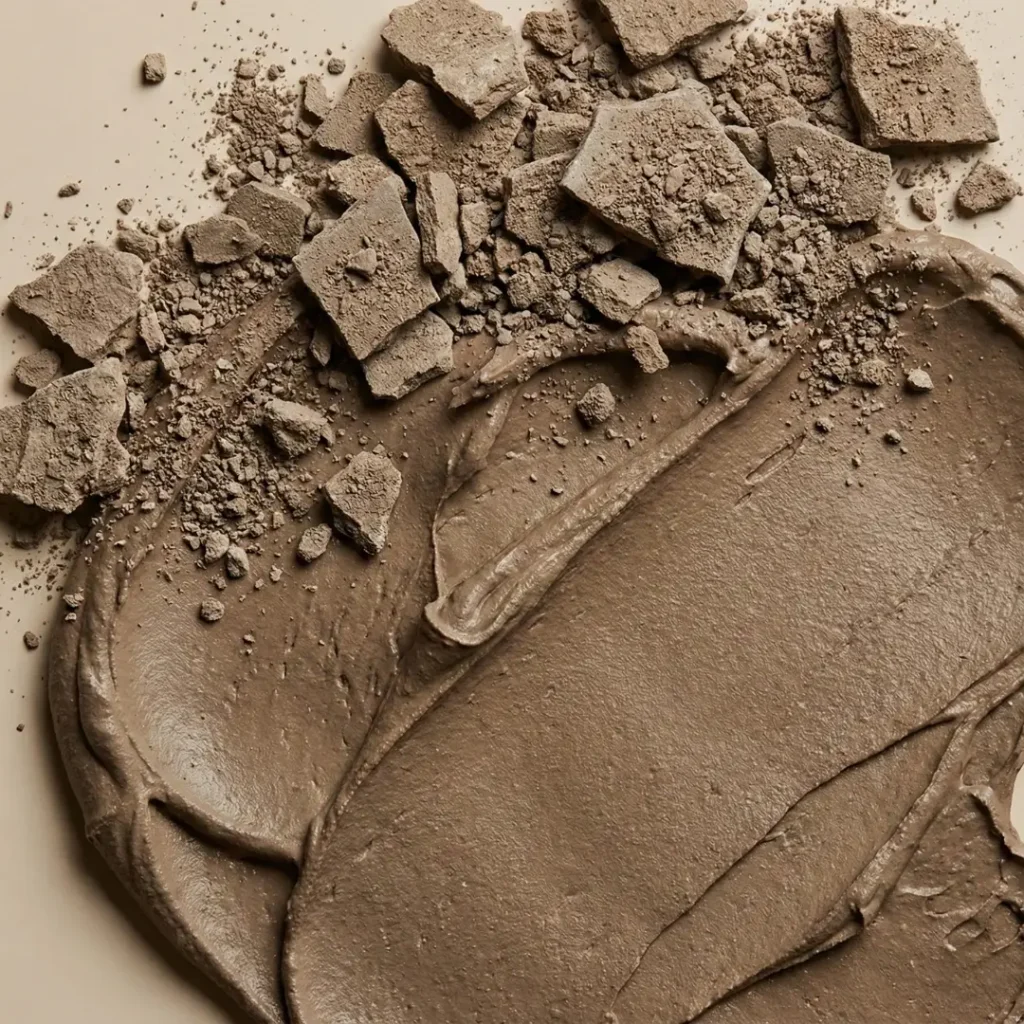
Oily skin is not a problem, it’s a balance issue.
Moroccan beauty doesn’t strip the skin. It regulates it.
Best Moroccan beauty products for oily skin:
- Rhassoul clay (primary)
- Rose water (daily balance)
Why this works:
Rhassoul clay absorbs excess oil and removes impurities without damaging the skin barrier. Rose water helps maintain balance and calm the skin.
How to use for best results:
- Apply rose water daily after cleansing
- Use rhassoul clay 1–2 times per week
4. For Dry, Dehydrated & Dull Skin
Dry skin is one of the most common issues, and one of the easiest to fix with the right products.
Best Moroccan beauty products for dry skin:
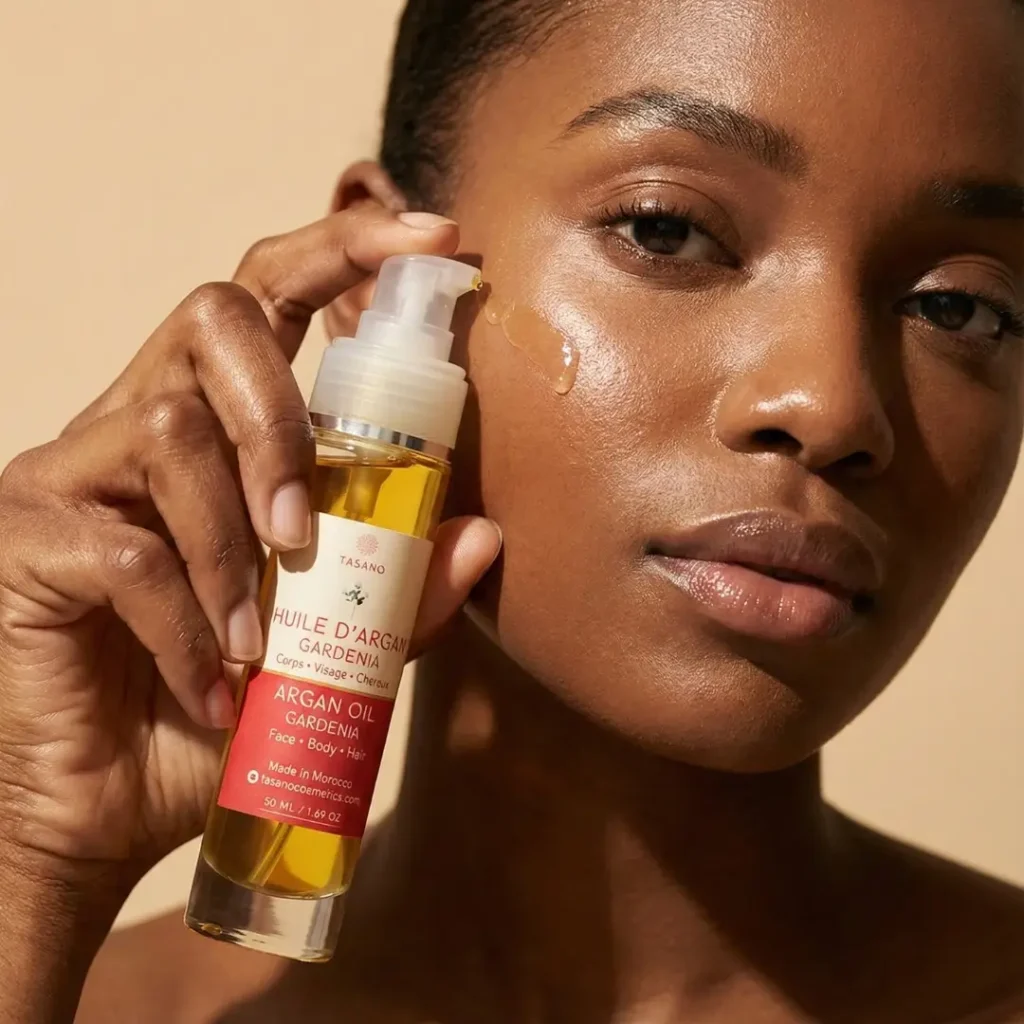
- Argan oil (primary)
- Prickly pear seed oil (advanced care)
Why this works:
Argan oil restores moisture and softness, while prickly pear oil enhances skin elasticity and radiance.
How to use for best results:
- Use daily after shower or cleansing
- Apply oil on slightly damp skin
5. For Body Care, Texture & Full Skin Renewal
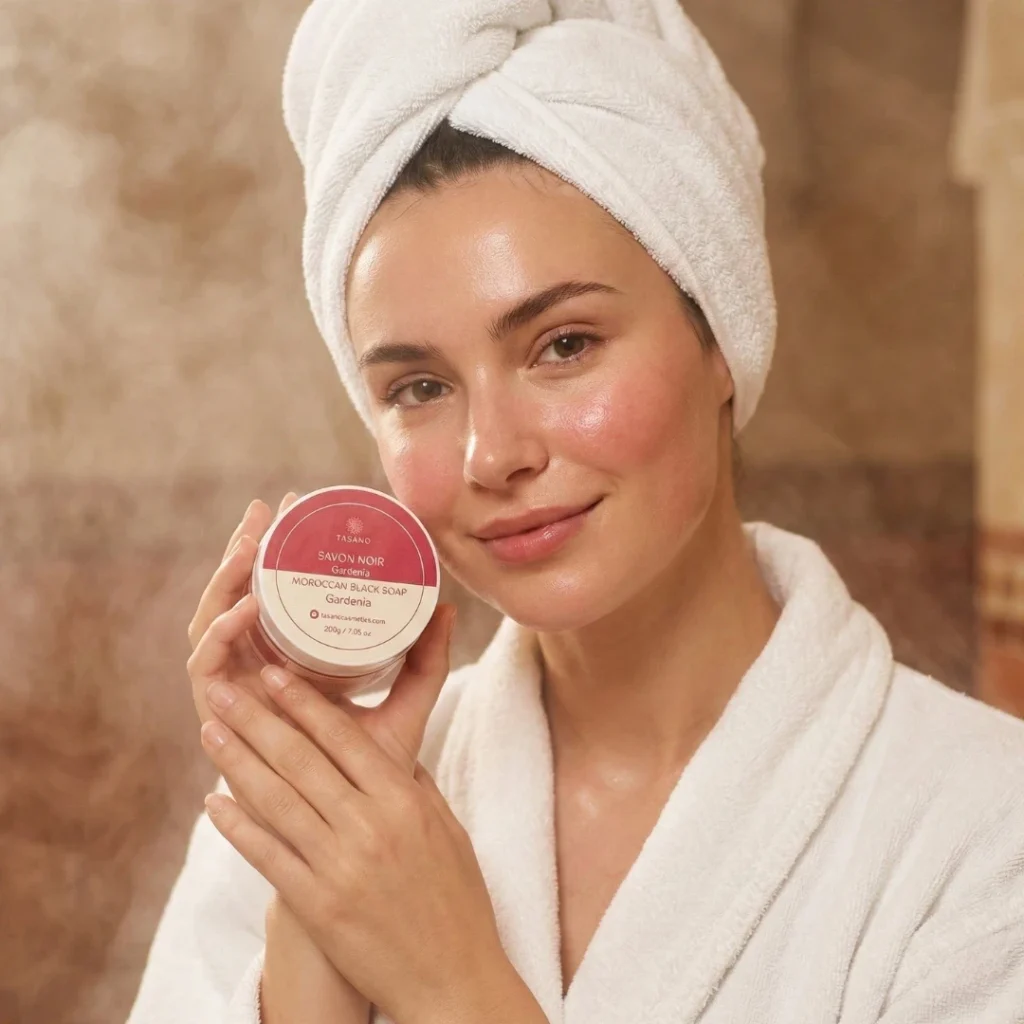
This is where Moroccan beauty becomes unmatched.
Best Moroccan beauty products for body care:
- Moroccan black soap
- Kessa exfoliation
- Argan oil
Why this works:
This combination removes dead skin, smooths texture, and deeply nourishes the body.
👉 Learn how to exfoliate properly with How to Use a Kessa Glove Properly
How to use for best results:
- Finish with oil
- Apply black soap on warm skin
- Exfoliate after a few minutes
Moroccan Beauty Products and the Hammam Connection (The System Behind the Results)
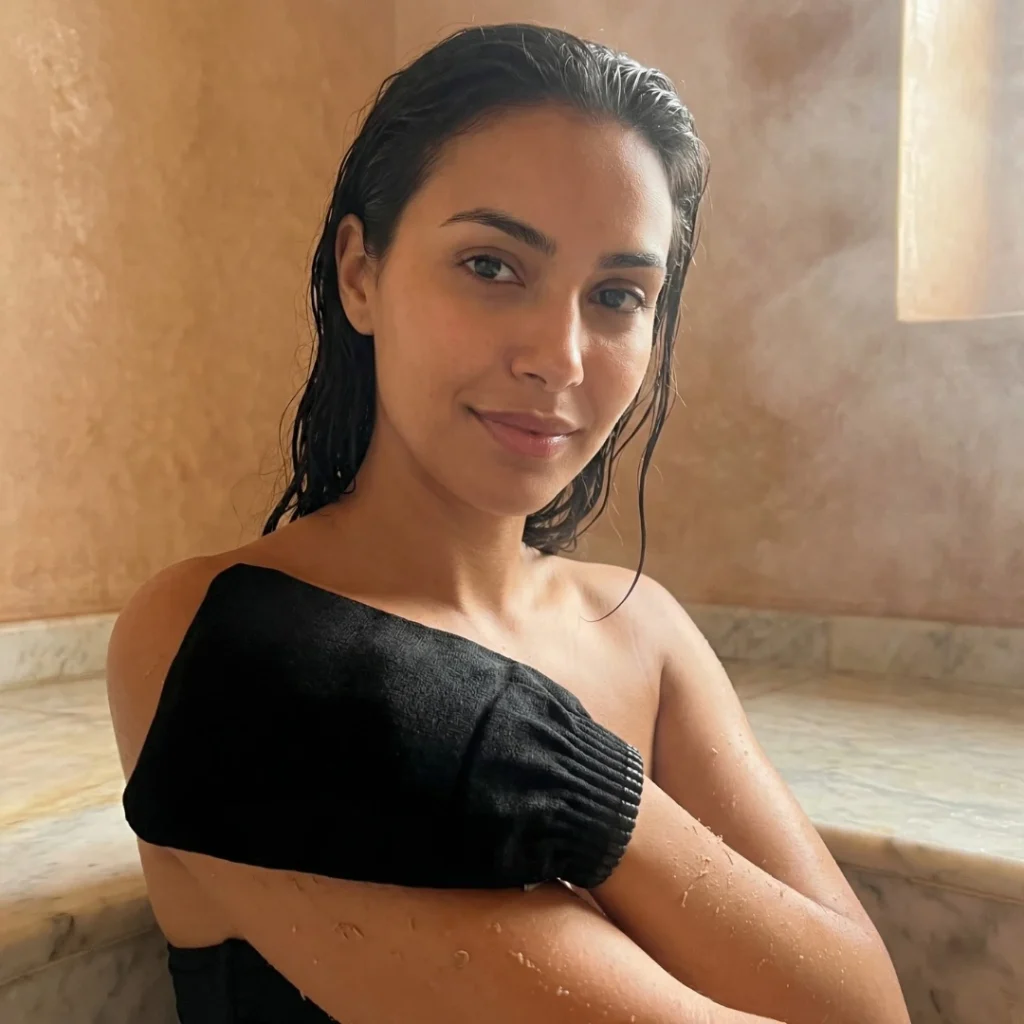
Moroccan beauty products were not designed to be used randomly.
They come from a structured system: the hammam ritual.
Understanding this is what separates people who use products from those who get results.
The Logic Behind the Hammam Routine
Each step prepares the skin for the next:
- Heat softens the skin
- Black soap prepares it
- Exfoliation removes buildup
- Clay purifies
- Oils restore and protect
This sequence is why Moroccan beauty delivers consistent results.
Why This Matters for Modern Skincare
Most modern routines:
- stack products without structure
- mix incompatible ingredients
- overload the skin
Moroccan beauty does the opposite:
- fewer steps
- clearer roles
- better results
👉 To understand the full ritual, read The Complete Moroccan Hammam Ritual at Home guide.
Why Shoppers Are Turning to Moroccan Beauty Products Now
This shift is not random. It’s a reaction.
People are tired of:
- complicated routines
- overpriced formulas
- products that don’t deliver
Simplicity That Works
Moroccan beauty strips skincare down to what actually matters:
- fewer products
- higher quality
- better results
Ingredient Transparency
Consumers are becoming more aware of what they put on their skin.
Moroccan beauty products are easy to understand:
- argan oil is argan oil
- clay is clay
- no hidden complexity
Real Results Over Marketing Claims
This is the key shift.
People are no longer buying promises.
They are buying:
- visible glow
- smoother skin
- fewer imperfections
And Moroccan beauty delivers that when done correctly.
Discover Authentic Moroccan Beauty Products with TASANO
Moroccan beauty only works when the products are authentic.
That’s where most people fail.
They buy:
- diluted oils
- fake powders
- low-quality formulations
And then they think Moroccan beauty “doesn’t work.”
What Makes TASANO Different
- Direct sourcing from Morocco
- Strict ingredient selection
- No dilution, no shortcuts
- Products designed to fit a real routine
Built for Results, Not Just Marketing
Every product is designed with one goal:
to deliver visible, reliable results when used correctly
From hydration and anti-aging to brightening and purification, each formula has a clear role.
The Smarter Way to Build Your Routine
Instead of guessing:
- which product to choose
- how to use it
- what actually works
You get a structured approach with products that are made to work together.
👉 Build your Moroccan beauty routine with TASANO essentials: products that are authentic, effective, and designed to deliver real results.
FAQ
What are the most popular Moroccan beauty products?
The most popular Moroccan beauty products include argan oil, Moroccan black soap, rhassoul clay, rose water, and prickly pear seed oil. These products are widely used for skin, hair, and body care.
Are Moroccan beauty products good for all skin types?
Many Moroccan beauty products can work across different skin types, but the right product depends on the need. Argan oil is often chosen for dryness, rhassoul clay for oilier or congested skin, and rose water for lightweight refreshment.
What is Moroccan black soap used for?
Moroccan black soap is traditionally used to soften and prepare the skin before exfoliation, especially in the hammam ritual.
What is the difference between rhassoul clay and other clays?
Rhassoul clay is a Moroccan mineral clay traditionally used on both skin and hair. It is often chosen for cleansing and purifying without relying on harsh exfoliation.
Is argan oil really from Morocco?
Authentic argan oil is strongly associated with Morocco, especially the southwestern regions linked to the argan tree and its traditional extraction know-how. UNESCO recognizes the cultural practices surrounding the argan tree in Morocco.
Which Moroccan beauty product should I start with?
For beginners, argan oil, rose water, or Moroccan black soap are usually the easiest starting points because they are simple to understand and easy to fit into a routine.
Are Moroccan beauty products only for hammam routines?
No. Some products are deeply connected to the hammam, but many Moroccan beauty products also work beautifully in daily skincare and haircare routines.
Final thoughts
The reason Moroccan beauty products work is not magic, it’s structure. By integrating these authentic and effective products into a systematic routine, you can achieve significant improvements in skin texture, tone, and overall vitality.
When you treat Moroccan products as a system (prep → exfoliate → purify → nourish), you stop buying random skincare and start building a routine that actually delivers visible changes: smoother texture, a more even-looking tone, and a richer, healthier glow.
