

Moroccan Argan Oil for Face: Benefits, How to Use It & Results to Expect
ByTASANO
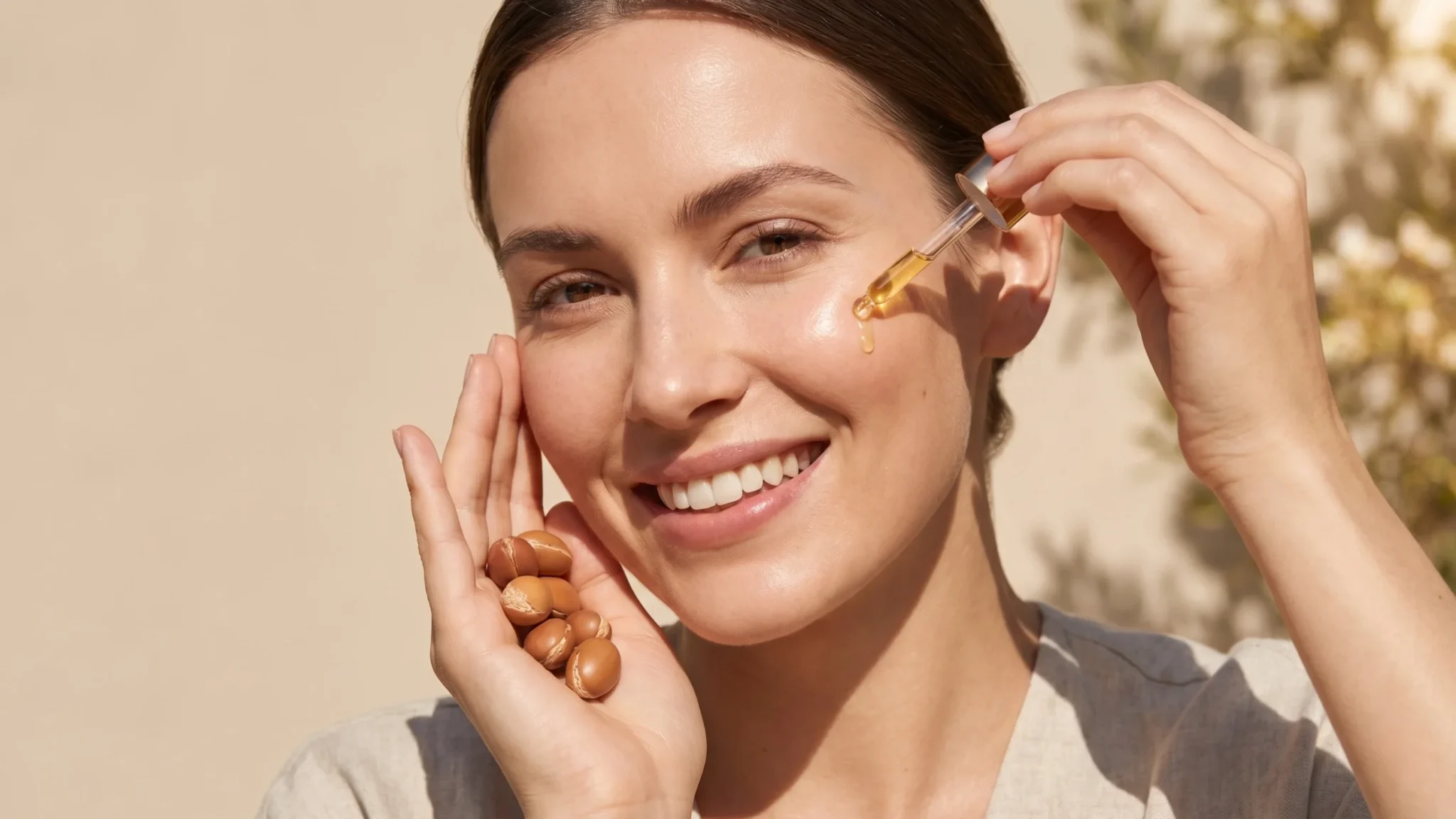
Argan oil for face has become one of the most searched skincare solutions worldwide, and for good reason. People are no longer looking for complicated routines filled with dozens of products. They want something simple, effective, and proven to improve their skin without the guesswork.
That is exactly where Moroccan argan oil stands out.
Naturally rich in essential fatty acids and vitamin E, argan oil is known for helping the skin feel softer, smoother, and more comfortable while supporting a healthy-looking glow. It is lightweight, absorbs easily, and fits seamlessly into both simple and advanced skincare routines. Clinical research has also linked regular use of argan oil to improvements in skin elasticity and hydration-related measures, reinforcing its role in both daily care and anti-ageing routines.
Most articles tend to oversimplify argan oil and present it as a solution for everything. In reality, its effectiveness comes from doing a few things exceptionally well, especially hydration support, skin comfort, and improving the appearance of texture and elasticity.
Real skincare content should answer the questions readers actually have:
- Is argan oil good for face skin?
- Which skin types should use it?
- How do you apply argan oil correctly?
- What results can you realistically expect?
- How do you know if the oil is pure?
This guide answers all of that clearly.
For the full Moroccan skincare ingredient guide, read Moroccan Beauty Products: The Complete Guide to Glowing, Clear, and Youthful Skin.
Table of Contents
What Is Argan Oil for Face? (Quick Answer)
Argan oil for face is a natural plant oil extracted from the kernels of the Moroccan argan tree, used in skincare to nourish the skin, support the skin barrier, and improve the appearance of softness, elasticity, and glow. It is typically applied in small amounts after cleansing to help seal in moisture and protect the skin from dryness.
What Is Moroccan Argan Oil and Why It Matters?
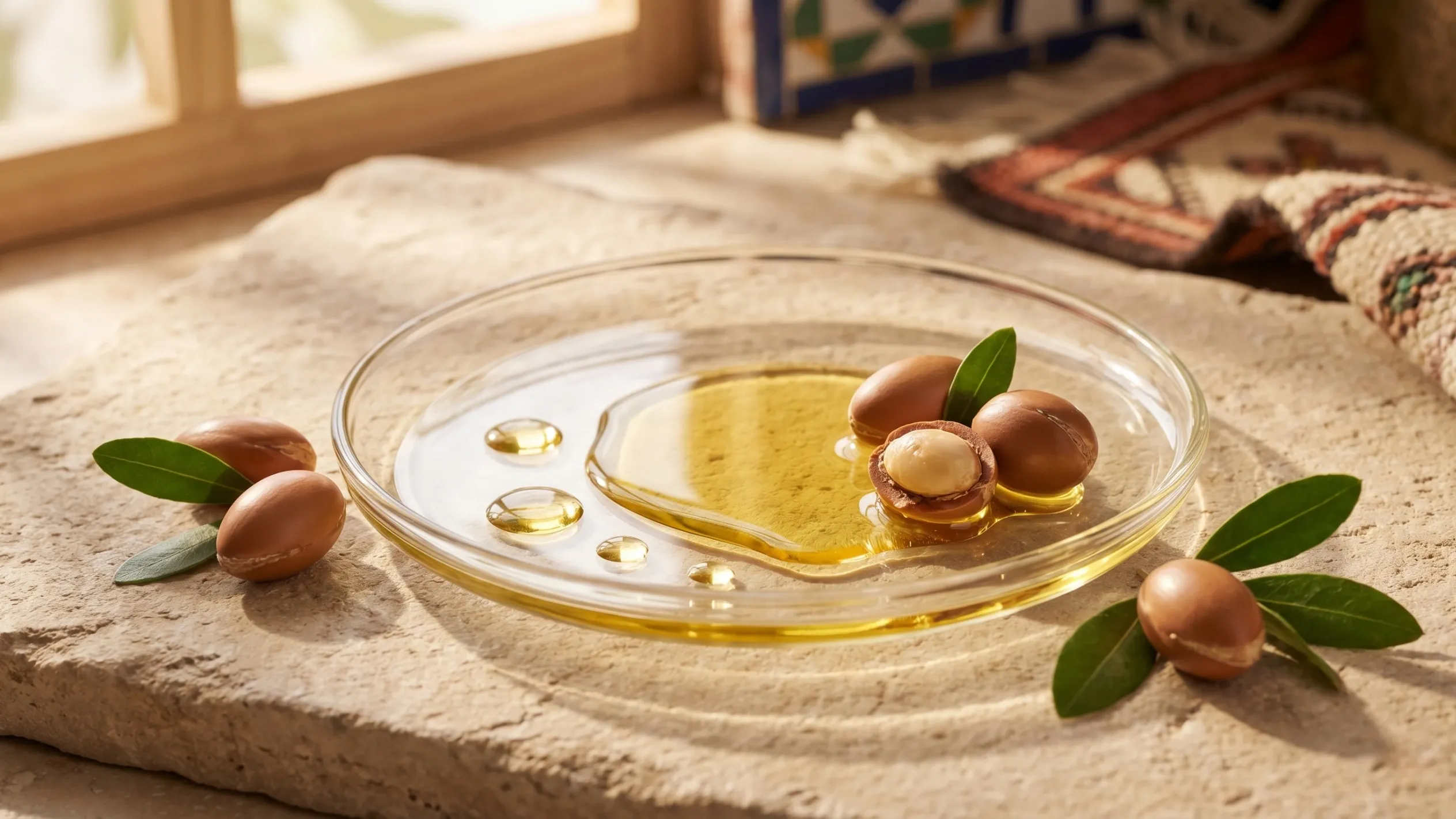
Moroccan argan oil is derived from the kernels of the argan tree, native to Morocco, and is valued for its unique composition of essential fatty acids and vitamin E. In facial skincare, this composition makes it especially effective for supporting skin comfort, smoothing texture, and maintaining a healthy-looking complexion.
What distinguishes Moroccan argan oil is not only its origin but also its traditional extraction methods and purity. High-quality argan oil is lightweight, absorbs well into the skin, and integrates easily into modern skincare routines without leaving a heavy or greasy finish.
Argan oil for hair is also widely used to improve softness, reduce frizz, and enhance shine, making it a versatile addition to both skincare and haircare routines.
Is Argan Oil Good for Face?
Yes, argan oil is considered beneficial for the face because it helps improve skin softness, supports the skin barrier, and enhances the appearance of elasticity. It is especially suitable for dry, dull, or mature-looking skin when used in the right amount and as part of a balanced routine.
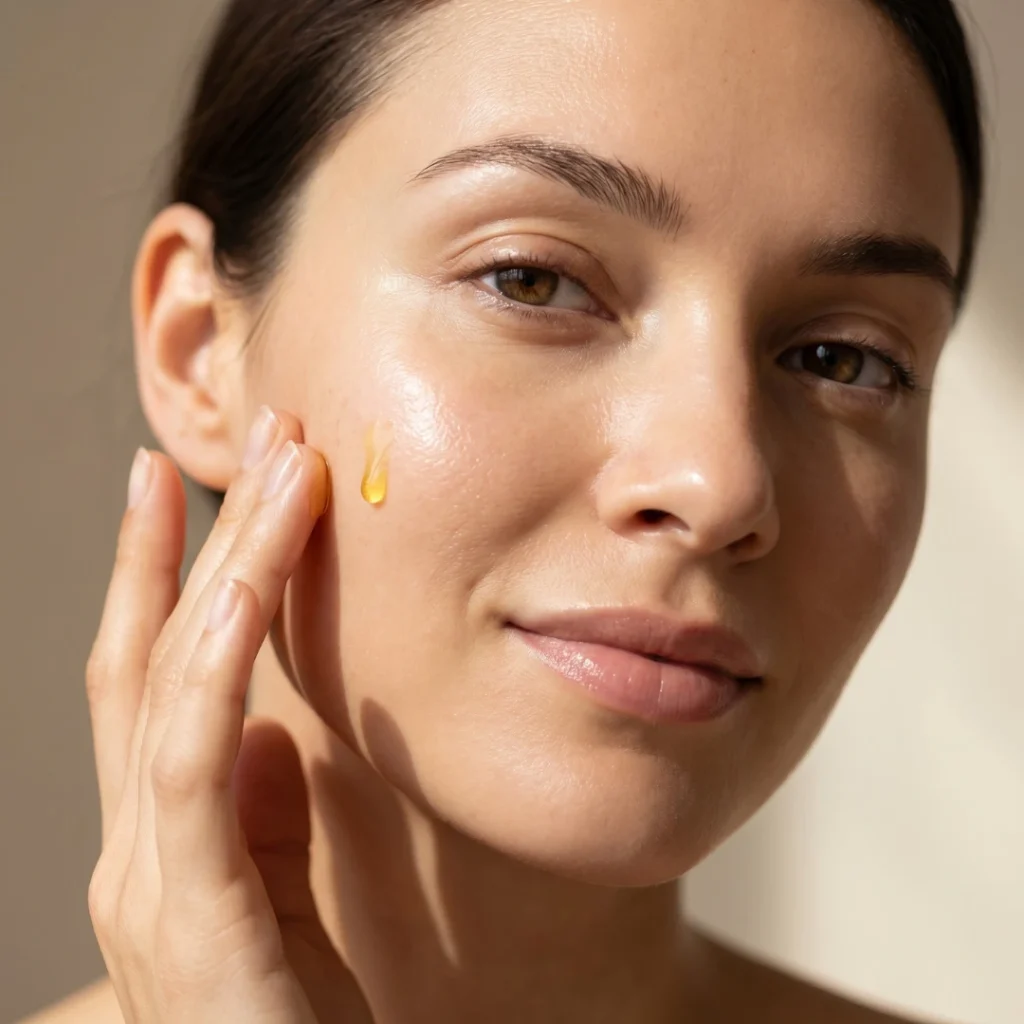
Argan oil is widely used in facial skincare because it offers a combination of nourishment, comfort, and ease of use. Its lightweight texture allows it to absorb well into the skin without leaving a heavy finish, making it suitable for daily routines.
What makes argan oil for face especially attractive is that it works across several common skincare goals at once:
- dry or tight-feeling skin
- dull-looking skin
- rough texture
- skin that feels stripped after cleansing
- early anti-aging support
- a simple night routine with fewer steps
What makes argan oil especially appealing is its versatility, it fits easily into both simple and advanced skincare routines.
For hair use, explore Argan Oil for Hair: Benefits, How to Use It & Results to Expect.
7 argan oil benefits for face
1. Helps skin feel softer and more comfortable
Argan oil is widely used as a facial oil because it helps improve the feel of dry or uncomfortable skin. Its fatty acid profile and emollient nature make it useful for smoothing roughness and reducing that tight, stripped feeling that often follows cleansing.
2. Supports the skin barrier
A face oil does not “hydrate” in the strict scientific sense because oils do not add water to the skin. What oils do well is help reduce moisture loss and support a more comfortable barrier. That is an important distinction, and it makes argan oil most effective when applied after a hydrating step or onto slightly damp skin.
3. Supports the appearance of skin elasticity
This is one of argan oil’s strongest evidence-backed angles. Clinical studies in postmenopausal women found improvements in elasticity-related measurements after argan oil use, which is why argan oil is often positioned in anti-aging skincare.
4. Gives dull skin a healthier-looking glow
Argan oil is popular in face routines because it leaves the skin looking smoother and more polished without the greasy heaviness people often fear from oils. Used in the right amount, it can create that “healthy skin” finish rather than an oily shine.
5. Works well in simple routines
One reason argan oil keeps ranking is that it is easy to use. People do not need a 9-step routine to fit it in. Two or three drops after toner or on slightly damp skin is enough for most people. That simplicity gives it strong conversion potential for daily skincare users.
6. Can suit multiple skin types
Current skincare coverage and ingredient guides commonly position argan oil as usable across dry, normal, combination, and even some acne-prone routines, provided the amount is controlled and the user’s skin tolerates oils well. It is not automatically right for everyone, but it is more versatile than many heavier oils.
7. Fits both day and night use
Argan oil can be used in the morning under moisturizer and sunscreen, or at night as the richer sealing step in a skincare routine. Night use is often the easiest starting point because it lets users assess how their skin responds without layering makeup over it.
How to Use Argan Oil on Face (Step-by-Step)
- Cleanse your face gently
- Apply a hydrating step (such as rose water or toner)
- Use 2–3 drops of argan oil
- Warm it between your hands
- Press gently onto your face and neck
- Allow it to absorb before applying other products
Using argan oil correctly makes a noticeable difference in how it feels and performs on the skin. Most issues come from using too much product or applying it on completely dry skin, which can leave a heavy finish instead of a smooth, balanced one.
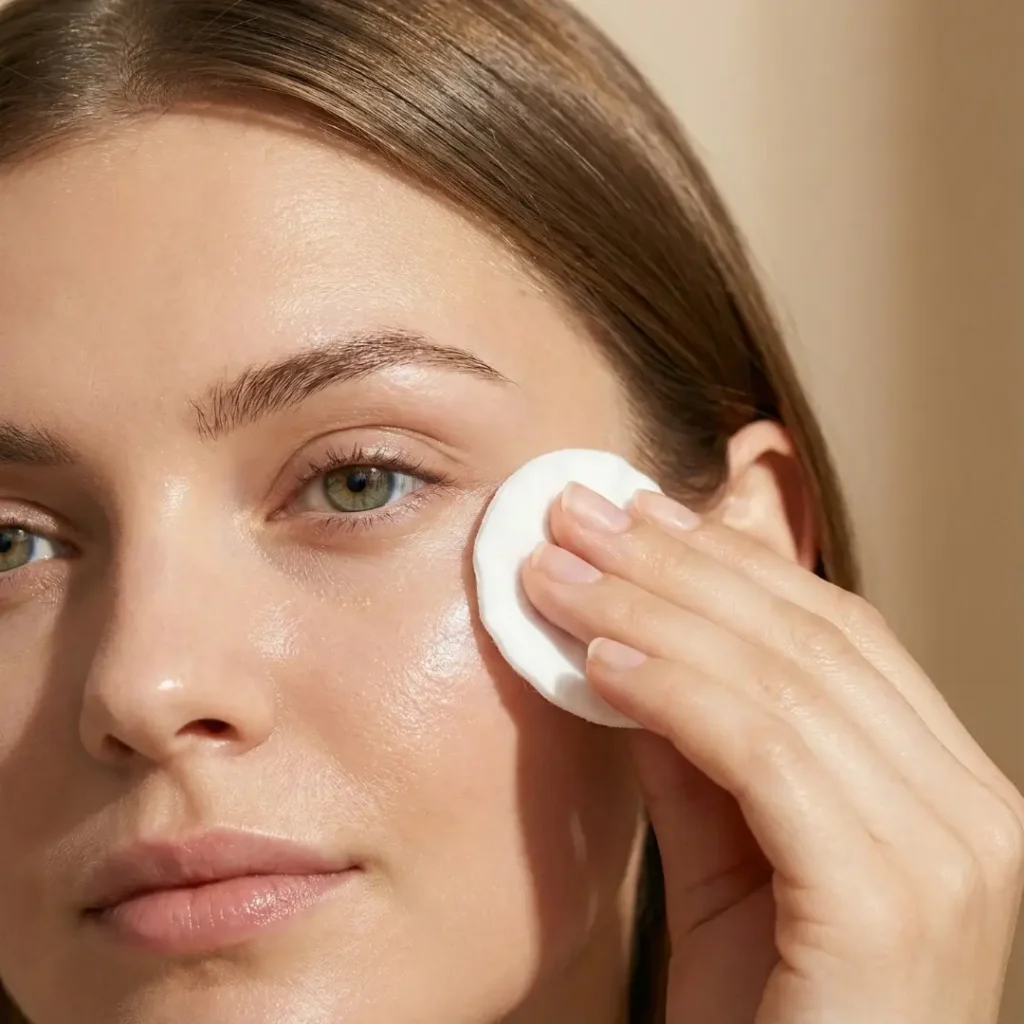
For best results, adapt your routine based on the time of day:
Morning:
After cleansing, apply a hydrating step such as rose water, then use 2 to 3 drops of argan oil and gently press it into the skin. Follow with a moisturizer if needed, then apply sunscreen.
Night:
Cleanse your skin, apply your hydrating step, then use 2 to 4 drops of argan oil on the face and neck. For very dry skin, you can apply a moisturizer after the oil or layer it between hydrating products depending on your preference.
Best practice:
Apply argan oil to slightly damp skin rather than completely dry skin. This helps lock in hydration and allows the oil to absorb more effectively, leaving the skin soft and comfortable instead of oily.
👉 To place argan oil correctly in a daily routine, see Moroccan Skincare Routine: Daily & Weekly Routine for Glowing Skin
Which skin types should use argan oil for face?
Argan oil for dry skin
This is the clearest fit. Dry skin usually responds well to argan oil because the main goal is comfort, softness, and reducing tightness. If your skin often feels flaky or rough, argan oil is one of the easiest Moroccan beauty products to integrate.
Argan Oil for Oily Skin
Argan oil can work well for oily skin when used in the right amount, because it supports the skin barrier and helps reduce dryness-related overproduction of oil. Its lightweight texture allows it to absorb quickly without leaving a heavy or greasy finish, helping the skin feel balanced rather than overloaded.
Argan oil for mature-looking skin
Because argan oil has evidence around elasticity support and is commonly positioned for anti-aging routines, it works well in face routines focused on fine lines, a tired-looking complexion, and dryness that exaggerates skin texture.
Argan oil for combination skin
Combination skin can use argan oil, but dosage matters. Keep it lighter and focus on the drier areas first.
Argan oil for acne-prone skin
This is more individual. Some people with acne-prone skin tolerate argan oil well, especially in very small amounts, while others do not enjoy any facial oil at all. Patch testing matters here. Claims that argan oil “treats acne” are much weaker than claims around comfort and barrier support.
What results to expect from argan oil for face
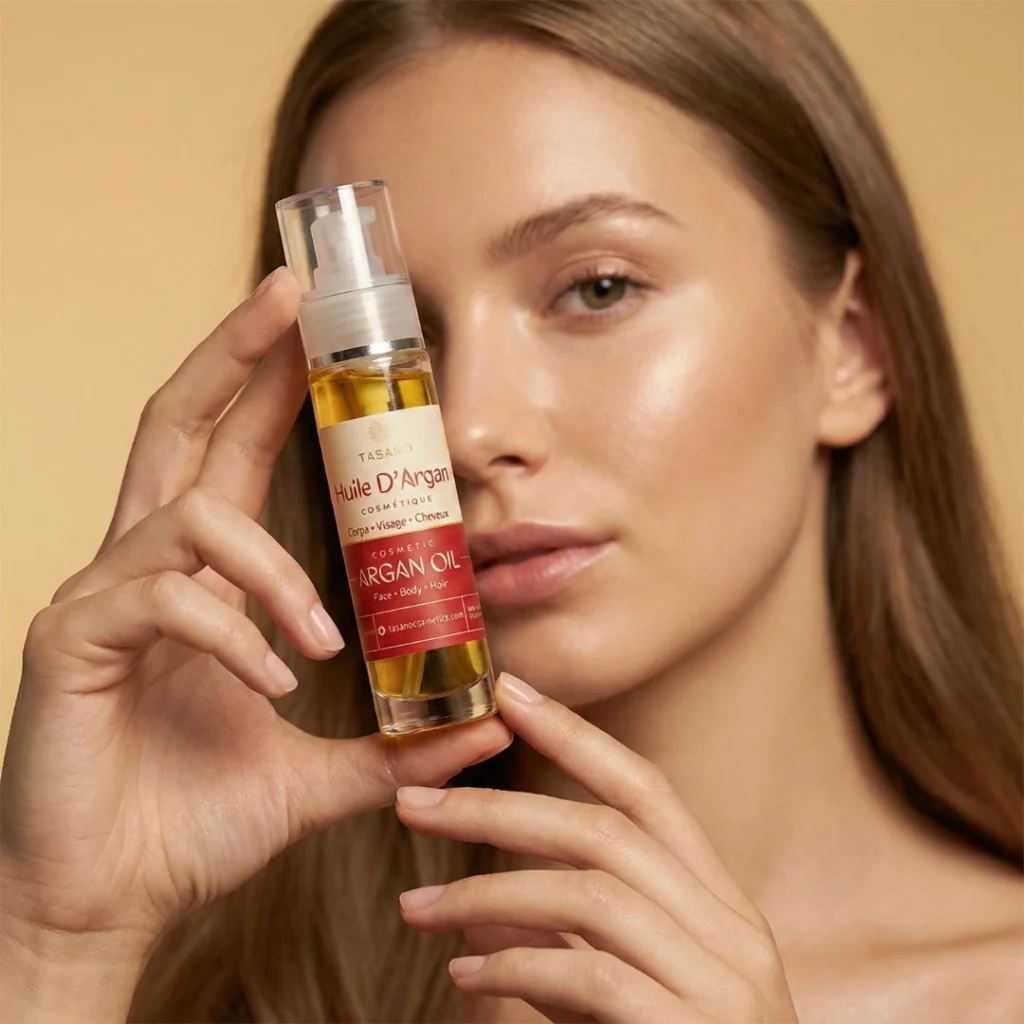
After the first few uses
Most people notice softer-feeling skin, less tightness, and a smoother finish.
After a few weeks
With consistent use, the skin may look more comfortable, more even in texture, and less dull. The routine also tends to feel easier because the oil becomes a stable daily step.
After longer-term use
If the skin tolerates it well and the rest of the routine is solid, argan oil may support a healthier overall appearance, especially for dryness-related dullness and early anti-aging support. But realistic expectations matter. Argan oil is supportive skincare, not a miracle correction product.
👉 To compare it with a stronger anti-aging oil, read Prickly Pear Seed Oil vs Argan Oil: Which One Is Better for Your Skin?
What Science and Experts Say About Argan Oil for Skin
To understand why argan oil is widely used in facial skincare, it is important to look at both scientific research and dermatological explanations. Clinical research published on PubMed has shown that regular application of argan oil can significantly improve skin elasticity and support overall skin comfort, particularly in studies involving postmenopausal women.
In addition, dermatology-focused platforms such as Medical News Today explain that argan oil is rich in essential fatty acids and vitamin E, which help reinforce the skin barrier and reduce moisture loss. Complementing this, educational health platforms like Healthline also highlight a key point often misunderstood: oils like argan oil do not hydrate the skin directly, but instead seal in hydration and protect the skin from dryness. When these perspectives are combined, it becomes clear why argan oil is most effective when used as part of a structured skincare routine rather than as a standalone solution.
How to choose the best pure argan oil for face
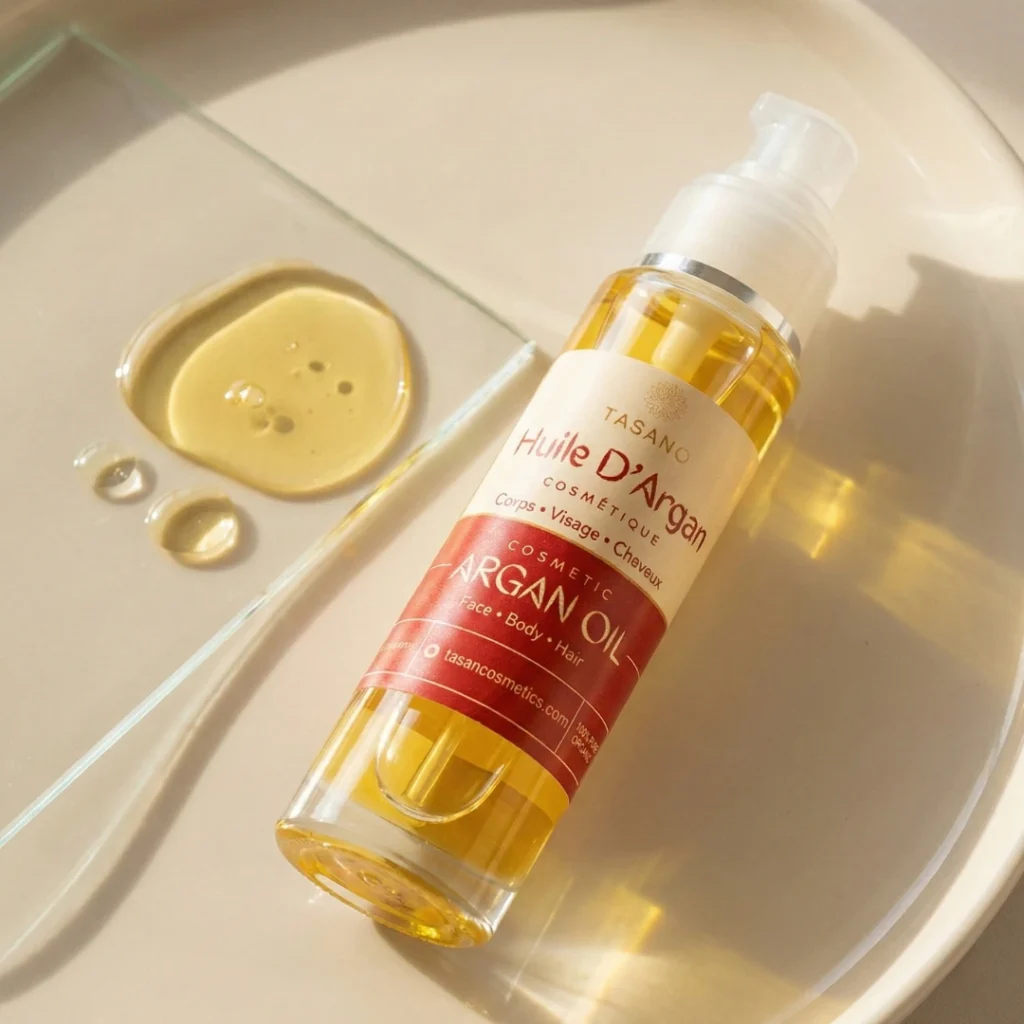
The market is full of low-grade, fragranced, or diluted oils. If you want real performance, quality matters.
Look for:
- 100% pure argan oil
- cosmetic-grade use
- minimal ingredient list
- no added fragrance if you want pure oil
- a texture that feels lightweight, not thick and greasy
Pure argan oil is typically described as golden in tone with a mild nutty scent. If the oil is heavily perfumed or feels suspiciously heavy, that should make you stop and think.
Common mistakes to avoid
● Using too much.
Three drops can be enough. More is not automatically better.
● Using it on completely dry skin.
A face oil usually performs better when it seals in a hydrating step.
● Expecting it to replace everything.
Argan oil is excellent as a nourishment and moisture-sealing step, but it does not replace sunscreen, cleansing, or every active product.
● Buying low-quality oil.
If the oil is diluted, the results will be diluted too.
Argan oil often works best after cleansing traditions like The Complete Moroccan Hammam Ritual at Home.
Why Moroccan argan oil still stands out
Argan oil is not just another trendy botanical oil. It is deeply tied to Morocco, and that cultural and geographic identity is part of why it continues to hold weight in skincare. But heritage alone is not enough. What keeps it relevant is that it still fits modern skincare needs: fewer products, better texture, and routines that are easier to stick to.
👉 For post-shower use and full-body application, read Argan Oil After Shower: Benefits for Skin and Hair.
Discover authentic Moroccan argan oil for face with TASANO
If you want the benefits of argan oil for face, purity matters. A diluted oil will not behave like a true facial oil, and a poor-quality product can ruin the whole experience.
TASANO’s Moroccan argan oil is positioned for exactly what people want from this ingredient: authentic sourcing, clean quality, and a product that fits naturally into a real skincare routine. If your goal is softer, smoother, healthier-looking skin without over complicating your regimen, this is where Moroccan argan oil earns its place.
A strong next step inside your routine is to pair argan oil with a hydrating floral water before application and to explore richer anti-aging support later with prickly pear seed oil if your skincare goals become more targeted.
Recommended products
-
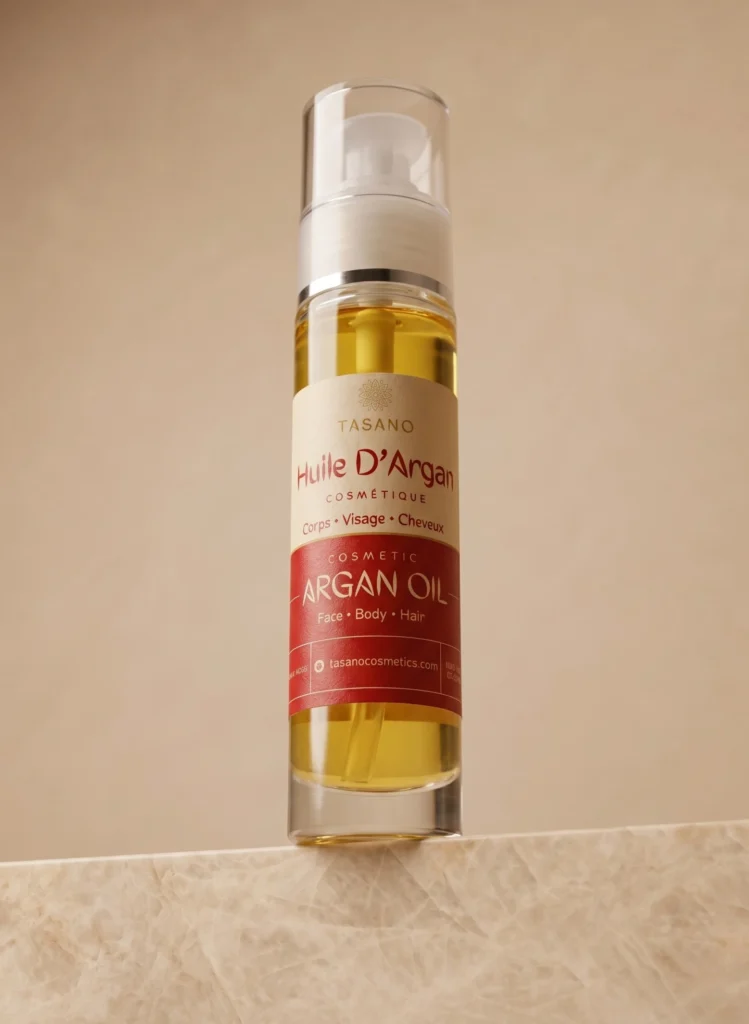
100% Pure Moroccan Argan Oil
Price range: $ 17.00 through $ 26.00 -
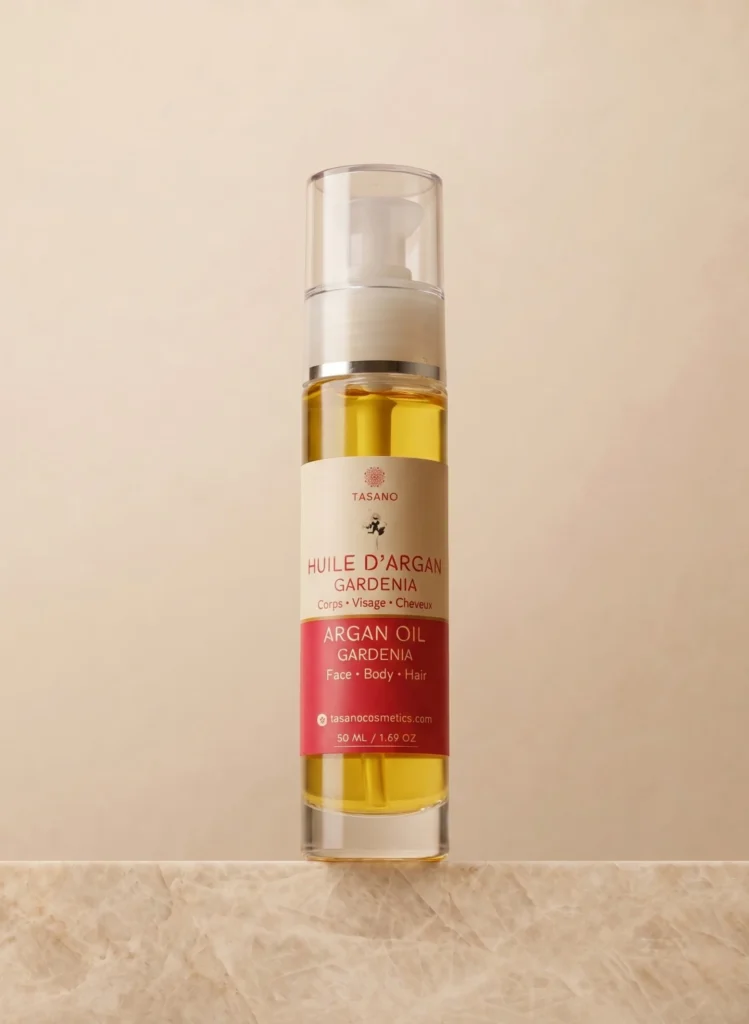
Gardenia Argan Oil for Hair & Body
$ 21.00 -
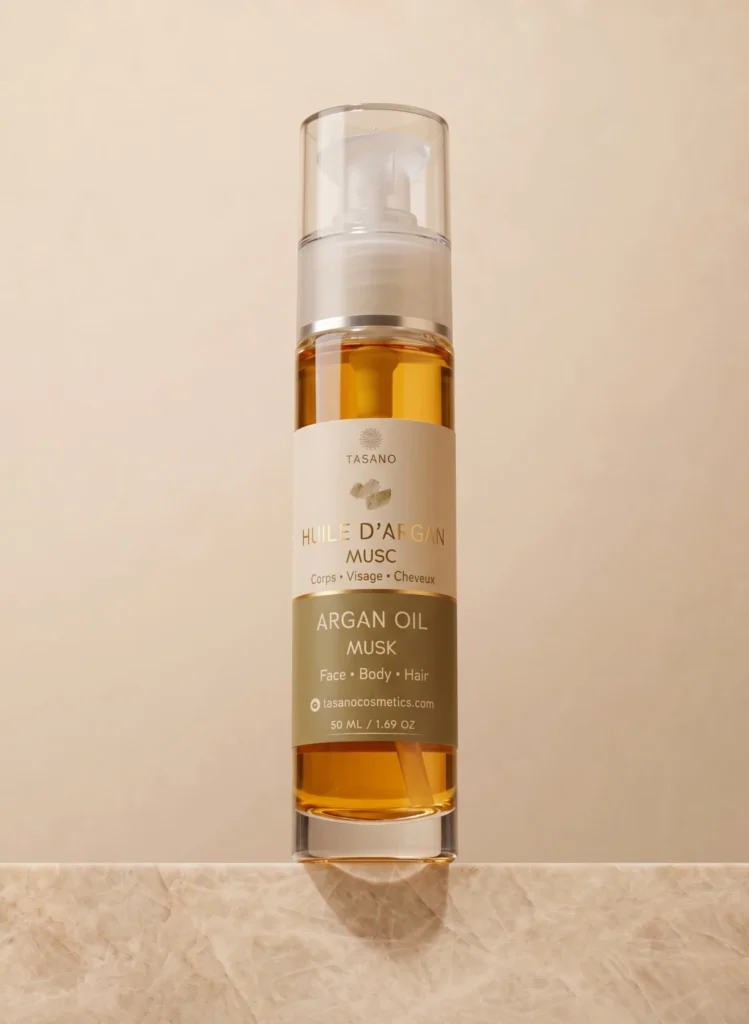
Musk Argan Oil for Hair & Body
$ 21.00 -
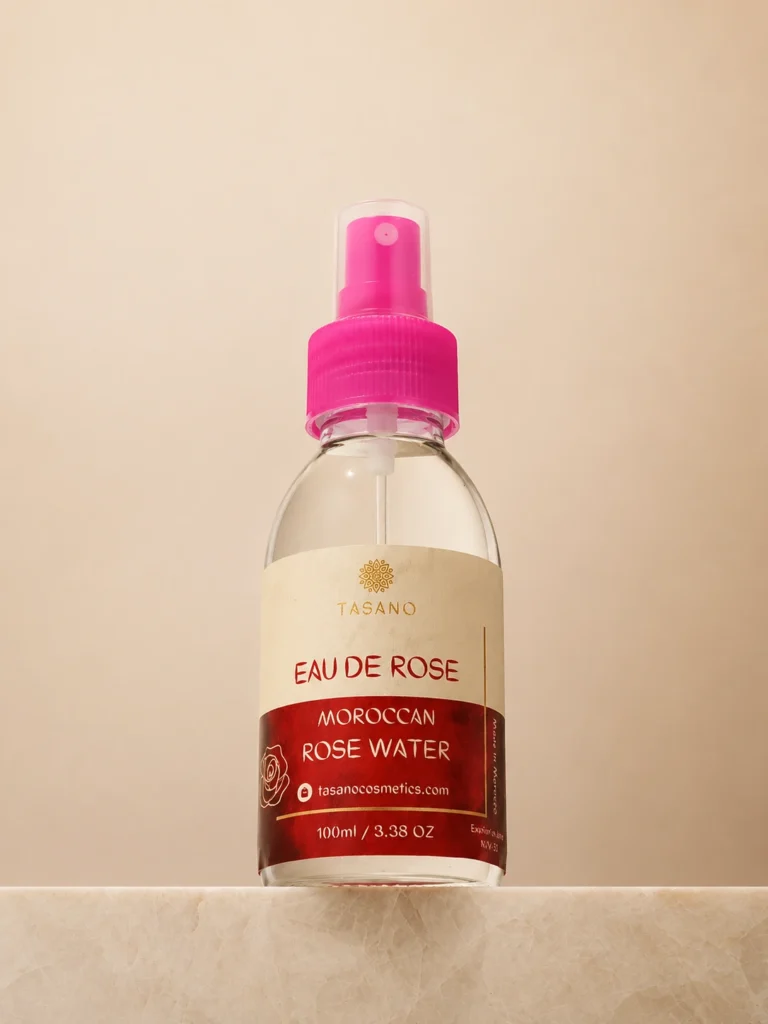
100% Pure Moroccan Rose Water – Toner & Face Mist
$ 6.00
FAQ
Is argan oil good for your face?
Yes, argan oil is good for the face because it helps improve skin softness, supports the skin barrier, and enhances the appearance of elasticity. It is especially beneficial for dry, dull, or mature-looking skin when used in small amounts as part of a balanced skincare routine.
Can I use argan oil on my face every day?
Yes, argan oil can be used daily for most skin types. Applying 2–3 drops once or twice a day helps maintain skin softness and comfort. It is best used on slightly damp skin to improve absorption and avoid a greasy finish.
Does argan oil clog pores?
Argan oil is generally considered low-comedogenic, meaning it is unlikely to clog pores for most skin types. However, people with very acne-prone skin should start with a small amount and monitor how their skin reacts.
How many drops of argan oil should I use on my face?
2 to 3 drops are usually enough for the entire face. Using too much can leave the skin feeling oily rather than smooth and balanced.
Can argan oil reduce wrinkles?
Argan oil may help reduce the appearance of wrinkles by improving skin elasticity and keeping the skin nourished. With consistent use, it can contribute to smoother-looking and more supple skin.
How long does it take to see results from argan oil?
Initial results such as softer skin can be noticed quickly, while improvements in texture and overall appearance usually become more visible after consistent use over a few weeks.
Can argan oil cause hair loss?
Argan oil does not cause hair loss when used correctly. It is generally well tolerated and commonly used in hair care for its nourishing properties. However, using excessive amounts or not cleansing properly can lead to buildup on the scalp, which may make hair feel heavier or less healthy.
Can argan oil help hair growth?
Argan oil does not directly stimulate hair growth, but it helps create a healthier environment for hair by nourishing the scalp, improving hair strength, and reducing breakage. This can support stronger, fuller-looking hair over time.
Can argan oil be used as a heat protectant?
Argan oil can offer light protection against heat styling due to its fatty acid content, but it should not replace a dedicated heat protectant for high temperatures. It works best as a supplementary step to reduce dryness and improve hair smoothness.
Can argan oil cause dandruff?
Argan oil does not cause dandruff, it may help reduce the appearance of dryness-related flaking by nourishing the scalp and improving skin comfort. But overuse or improper application can lead to buildup on the scalp. Using small amounts and washing regularly helps prevent this.
Conclusion
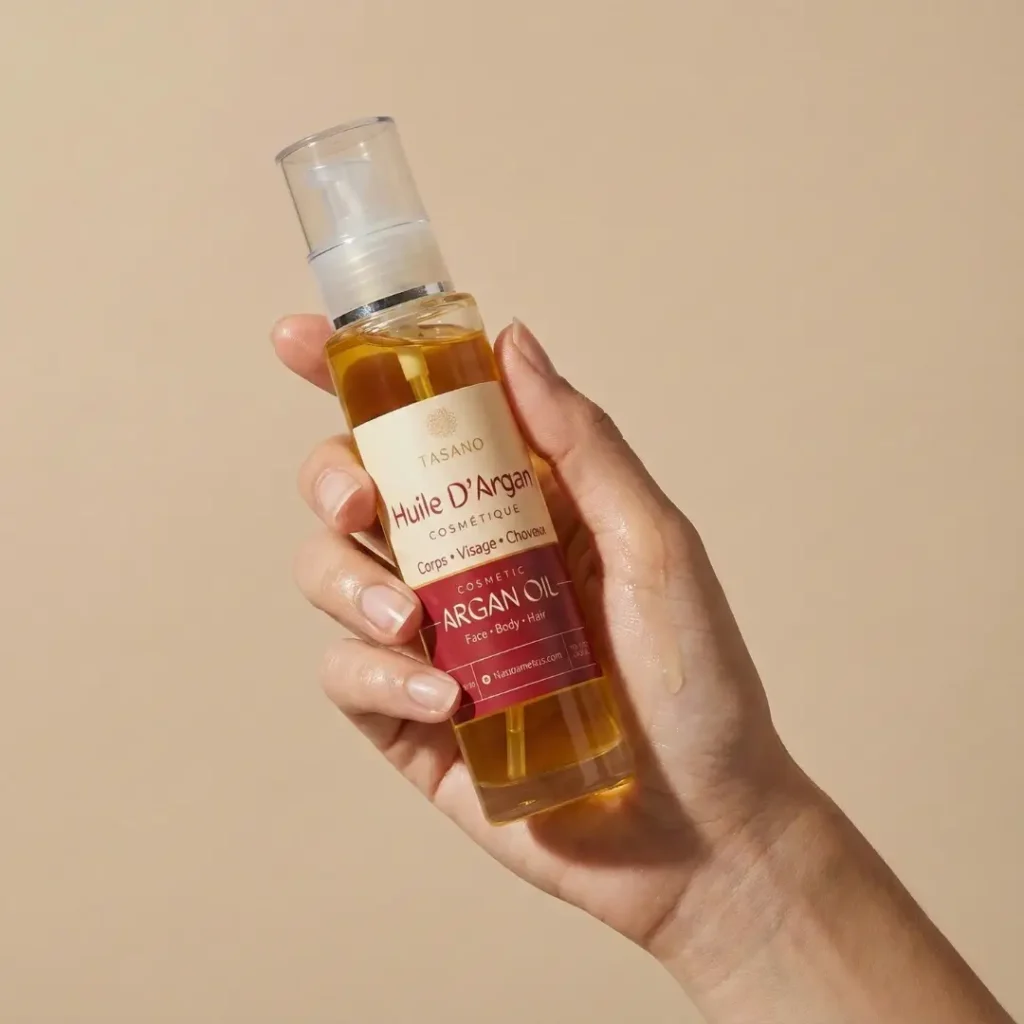
Argan oil for face deserves its reputation, but only when it is used correctly and expected to do the job it actually does well.
It is a strong choice for:
- dry or dull skin
- simple daily nourishment
- barrier comfort
- anti-aging support through improved softness and elasticity appearance
Use it in small amounts, apply it properly, choose a pure oil, and let consistency do the work.
That is how argan oil becomes a smart skincare staple instead of another bottle that sits on a shelf.
Enjoyed this guide? Keep TASANO easier to find when you search for Moroccan beauty advice.
