

Prickly Pear Seed Oil vs Argan Oil: Which One Is Better for Your Skin?
ByTASANO
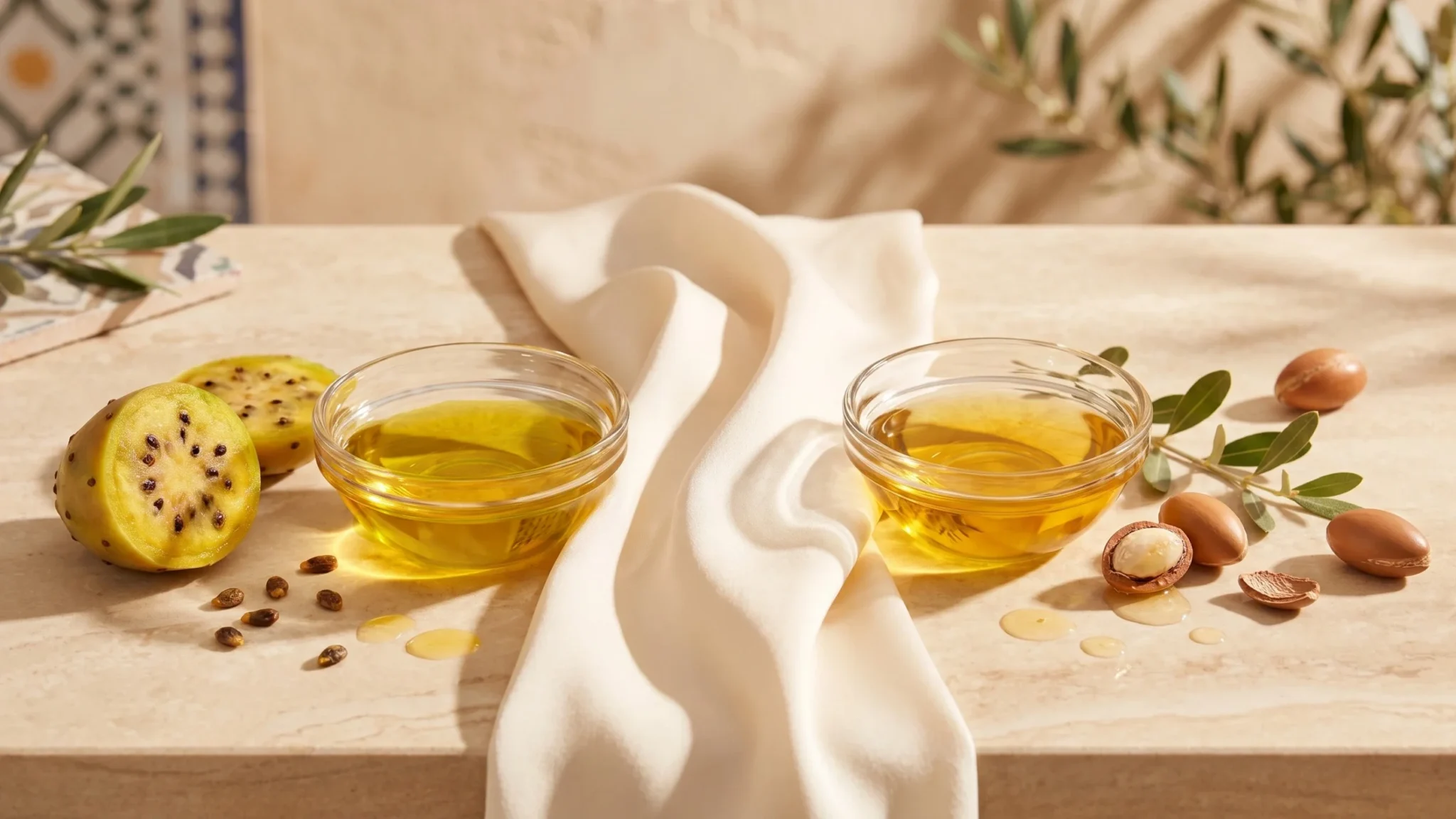
Prickly pear seed oil vs argan oil is one of the most important Moroccan skincare comparisons because both oils are excellent, but they do not do the same job equally well. One is the stronger everyday staple for comfort and moisture support, while the other is the more premium choice for anti-aging, radiance, and refined skin quality.
Prickly pear seed oil vs argan oil becomes much easier to understand when you compare them by skin goal rather than by hype.
Argan oil is widely valued for hydration support, barrier comfort, and daily versatility, while prickly pear seed oil is known for its high linoleic acid content, antioxidant-related compounds, and premium anti-aging positioning. Both are used in skincare, but the better oil depends on whether your priority is dryness, wrinkles, dullness, sensitivity, or overall routine simplicity.
This guide explains the difference between prickly pear seed oil and argan oil, how each one works, which skin types they suit best, and how to decide which one is better for your skin.
For the full Moroccan ingredient guide, read Moroccan Beauty Products: The Complete Guide to Glowing, Clear, and Youthful Skin.
Table of Contents
Prickly Pear Seed Oil vs Argan Oil: Quick Answer
Prickly pear seed oil is generally the better choice for anti-aging, dullness, and mature-looking skin, while argan oil is usually the better choice for daily nourishment, barrier support, and dry or dehydrated skin. Prickly pear seed oil is more premium and more specifically positioned for firmness and radiance, while argan oil is more versatile and easier to use as an everyday facial oil.
Prickly pear seed oil vs argan oil is not about which oil is famous, it is about which oil suits your skin better.
What Is Prickly Pear Seed Oil?
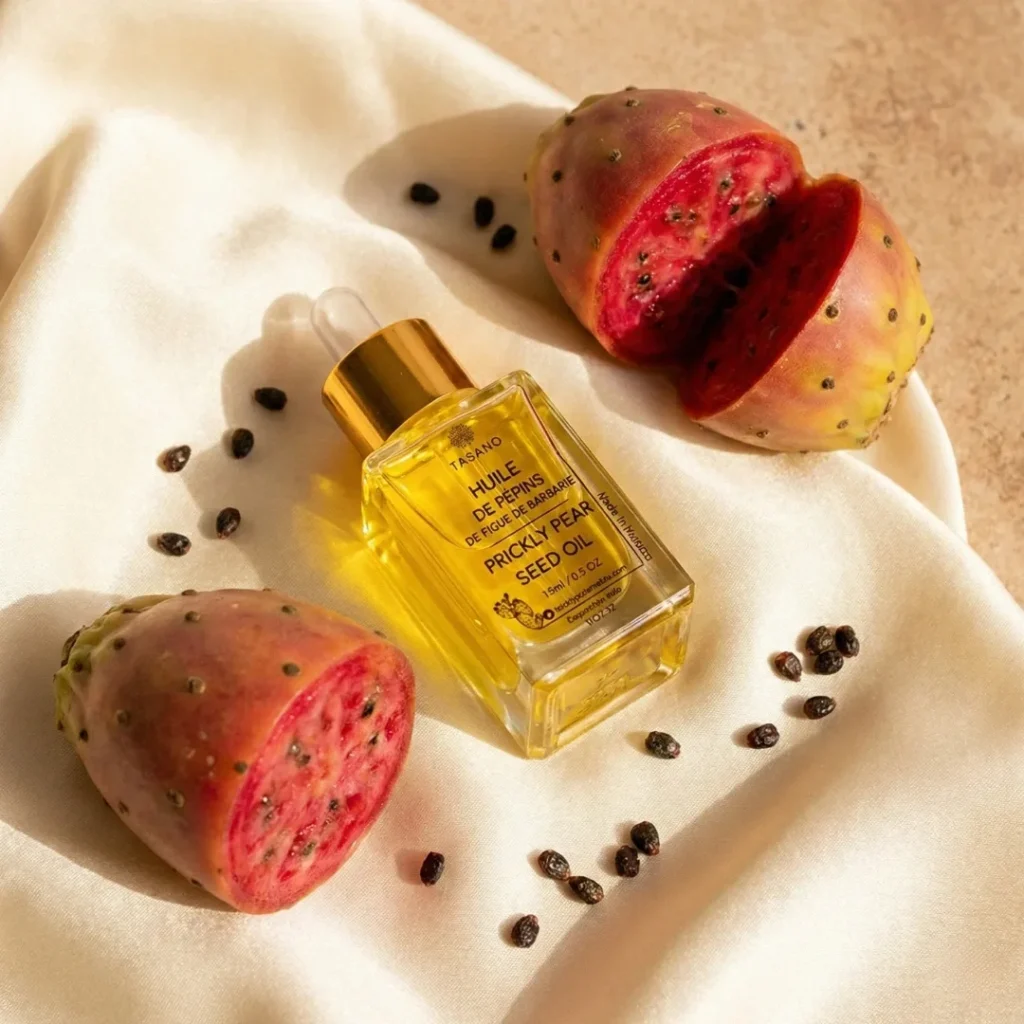
Prickly pear seed oil is extracted from the seeds of the prickly pear cactus. Reviews of its composition describe it as a high-linoleic oil that contains vitamin E, phenolic compounds, antioxidants, and beneficial fatty acids, which is why it has become strongly associated with premium skincare and anti-aging support.
What It Is Best Known For
Prickly pear seed oil is best known for helping skin look smoother, more radiant, and more supple. Beauty and dermatology-oriented coverage commonly associate it with mature-looking skin, dullness, and the appearance of fine lines because of its lightweight feel and antioxidant-rich profile.
In the debate of prickly pear seed oil vs argan oil, this oil is usually chosen for premium anti-aging care.
For deeper anti-aging benefits, read Prickly Pear Seed Oil Benefits: The Ultimate Anti-Aging Oil for Skin.
What Is Argan Oil?
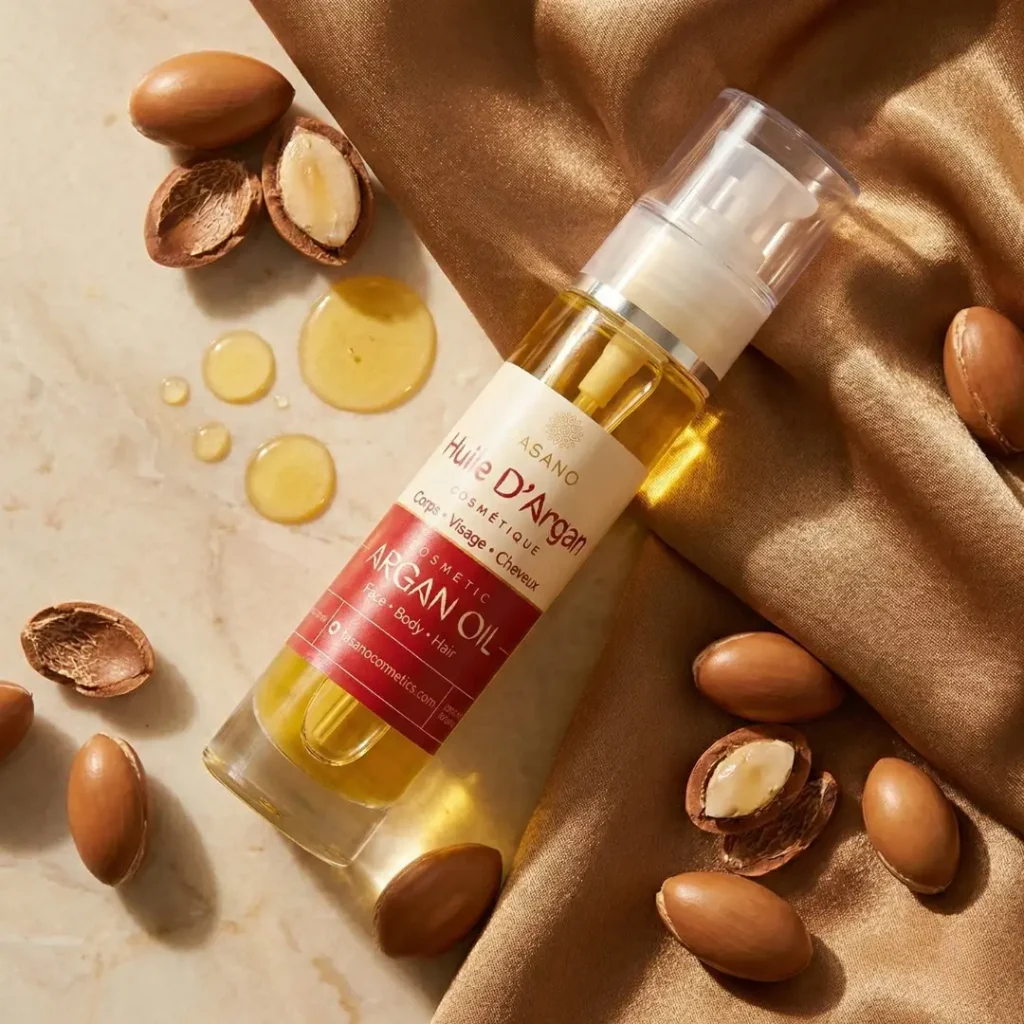
Argan oil is made from the kernels of the argan tree, which is native to Morocco. It is rich in fatty acids, vitamin E, and antioxidant compounds, and it is widely used in skincare for hydration support, skin comfort, and general skin nourishment.
What It Is Best Known For
Argan oil is best known as a versatile everyday oil for dry, dull, or uncomfortable skin. It is commonly used on the face, body, and hair, and it is often recommended as a practical facial oil because it can help soften texture and support a more comfortable skin barrier.
When comparing prickly pear seed oil vs argan oil, argan oil is usually the more practical daily staple.
For daily facial use, see Moroccan Argan Oil for Face: Benefits, How to Use It & Results to Expect.
7 Key Differences Between Prickly Pear Seed Oil and Argan Oil
These differences explain why prickly pear seed oil vs argan oil should never be treated as the same skincare choice.
1. Prickly pear seed oil is more anti-aging focused
If your main concern is wrinkles, loss of firmness, and mature-looking skin, prickly pear seed oil usually has the stronger positioning. It is repeatedly described in reviews and expert commentary as a premium facial oil for radiance, elasticity support, and smoother-looking skin.
This gives prickly pear seed oil vs argan oil a clear winner when wrinkles are the priority.
2. Argan oil is more versatile for everyday use
Argan oil fits more easily into simple routines because it is used widely across face, body, and hair care. It is often recommended as an all-around nourishing oil rather than a niche treatment oil, which makes it easier for beginners and daily users.
For simplicity and consistency, prickly pear seed oil vs argan oil often favors argan oil.
3. Prickly pear seed oil is usually the more premium oil
Prickly pear seed oil is expensive because seed yield is low and extraction is demanding. That scarcity is one reason it is positioned as a luxury or high-end skincare oil, while argan oil is more accessible and more widely used.
4. Argan oil is stronger for dryness and barrier comfort
Argan oil has stronger support when the main issue is dry, tight, or uncomfortable skin. It is rich in oleic and linoleic acids and has clinical support for improving hydration-related measures and reducing transepidermal water loss in postmenopausal women.
5. Prickly pear seed oil is stronger for radiance and refinement
Prickly pear seed oil is especially useful when the skin looks dull, tired, or less smooth. It is often described as giving the skin a more refined, luminous finish without a heavy feel, which is why it is so often chosen for glow-focused anti-aging routines.
6. Both oils can suit multiple skin types, but for different reasons
Argan oil is often discussed as a good option for dry, normal, and even some acne-prone skin because of its non-comedogenic reputation and barrier-supportive qualities. Prickly pear seed oil is often highlighted for mature, dull, sensitive, and some acne-prone skin because of its light feel and high linoleic acid content.
7. The best choice depends on your goal, not on which oil sounds more luxurious
If your goal is simple, daily nourishment, argan oil usually wins. If your goal is more targeted anti-aging support with a premium feel, prickly pear seed oil usually wins. Both are excellent, but the smarter choice is the one that matches the skin concern you actually want to improve.
Which Oil Is Better for Wrinkles?
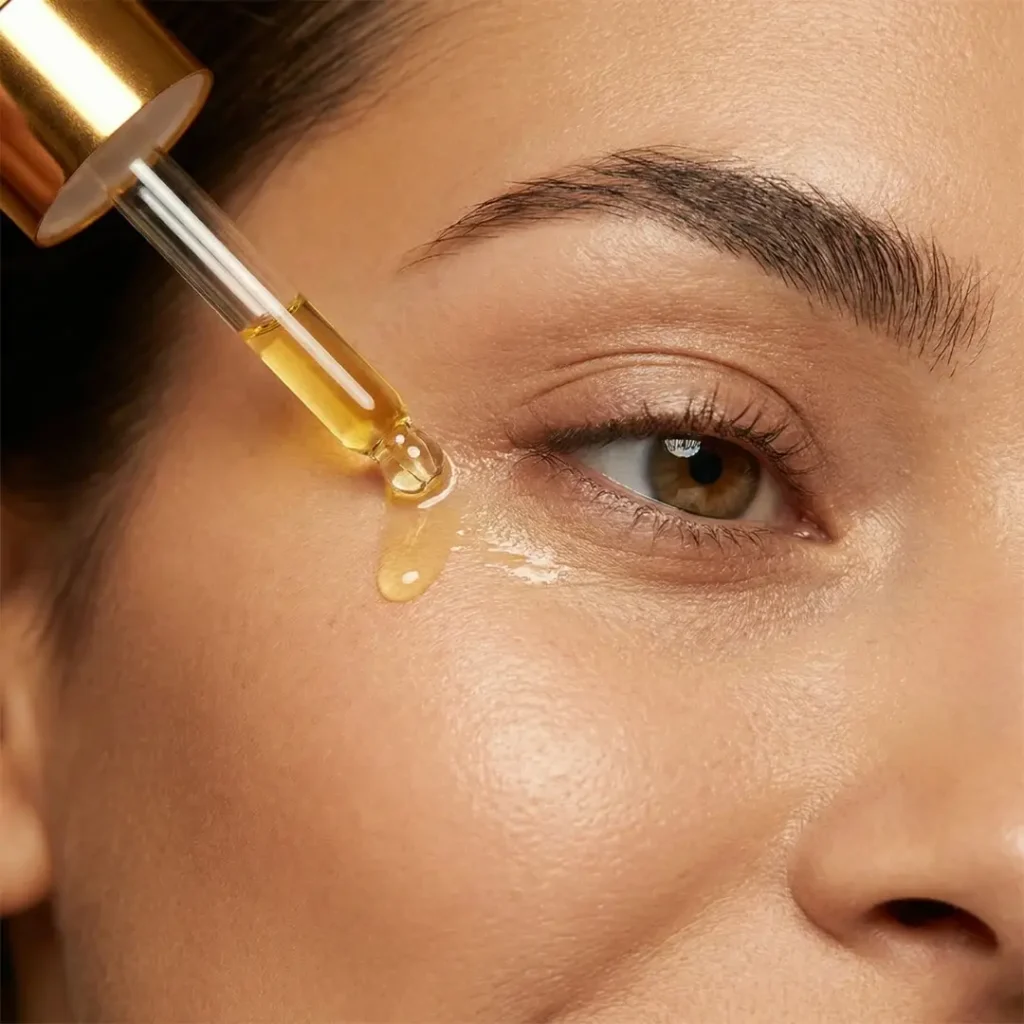
Prickly pear seed oil is usually the better oil for wrinkles and mature-looking skin because it is more strongly associated with anti-aging, elasticity support, and radiance. Its composition includes high levels of linoleic acid, vitamin E, and antioxidant-related compounds, which is why it is so often positioned as a premium anti-aging oil.
Argan oil still deserves a place in wrinkle-focused routines, especially when fine lines are made more visible by dryness. In that sense, argan oil is often the better support oil, while prickly pear seed oil is the better lead oil.
Prickly pear seed oil vs argan oil for wrinkles usually favors prickly pear seed oil.
Which Oil Is Better for Dry Skin?
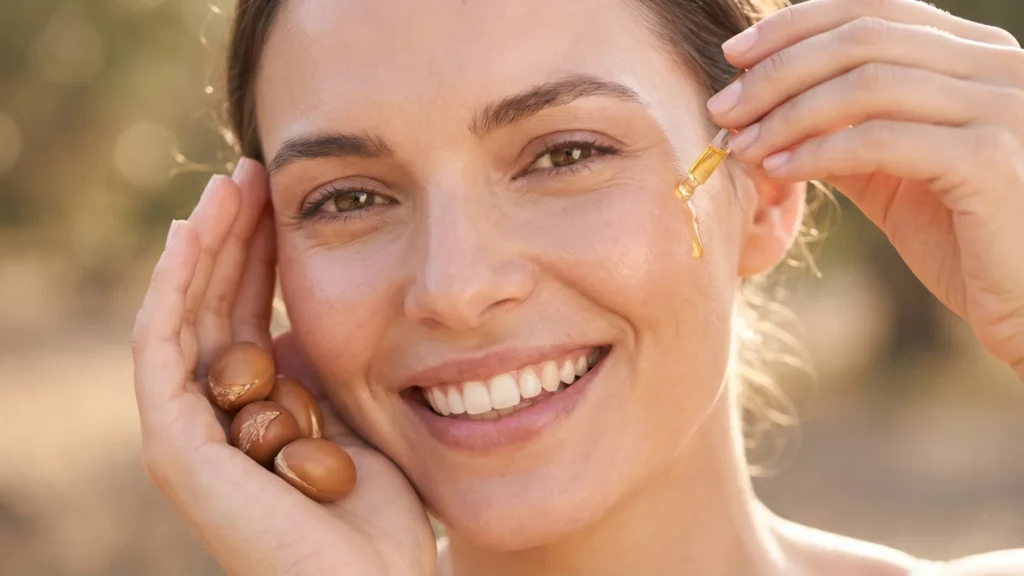
Argan oil is usually better for dry skin. It is widely used to support hydration, reduce that tight, stripped feeling, and help the skin feel softer and more comfortable. Clinical and expert sources consistently position argan oil as a strong daily choice for moisturizing support.
Prickly pear seed oil can still work beautifully on dry skin, especially when dryness comes with dullness or mature-looking texture, but argan oil is usually the more obvious everyday choice for basic nourishment.
Prickly pear seed oil vs argan oil for dry skin usually favors argan oil.
Which Oil Is Better for Oily or Acne-Prone Skin?
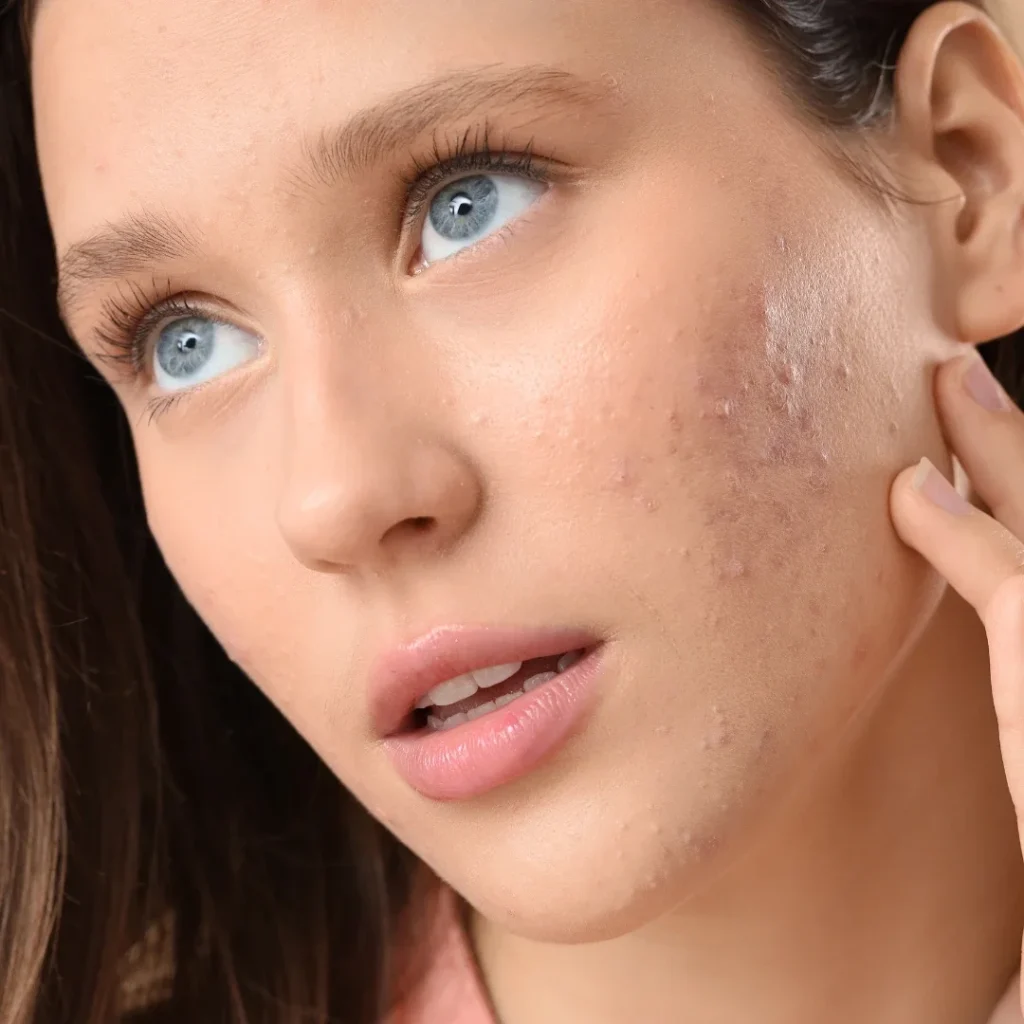
This depends on the person, but prickly pear seed oil often has the edge because of its high linoleic acid content and light feel. Dermatology-informed coverage frequently notes that it can suit oily or acne-prone routines more comfortably than heavier oils.
Argan oil can also work for some acne-prone users, especially in small amounts, and it is often described as non-comedogenic. But if the goal is a lighter anti-aging oil with less richness, prickly pear seed oil is often the more attractive option.
Prickly pear seed oil vs argan oil for oily skin often favors prickly pear seed oil.
Which Oil Is Better for Sensitive Skin?
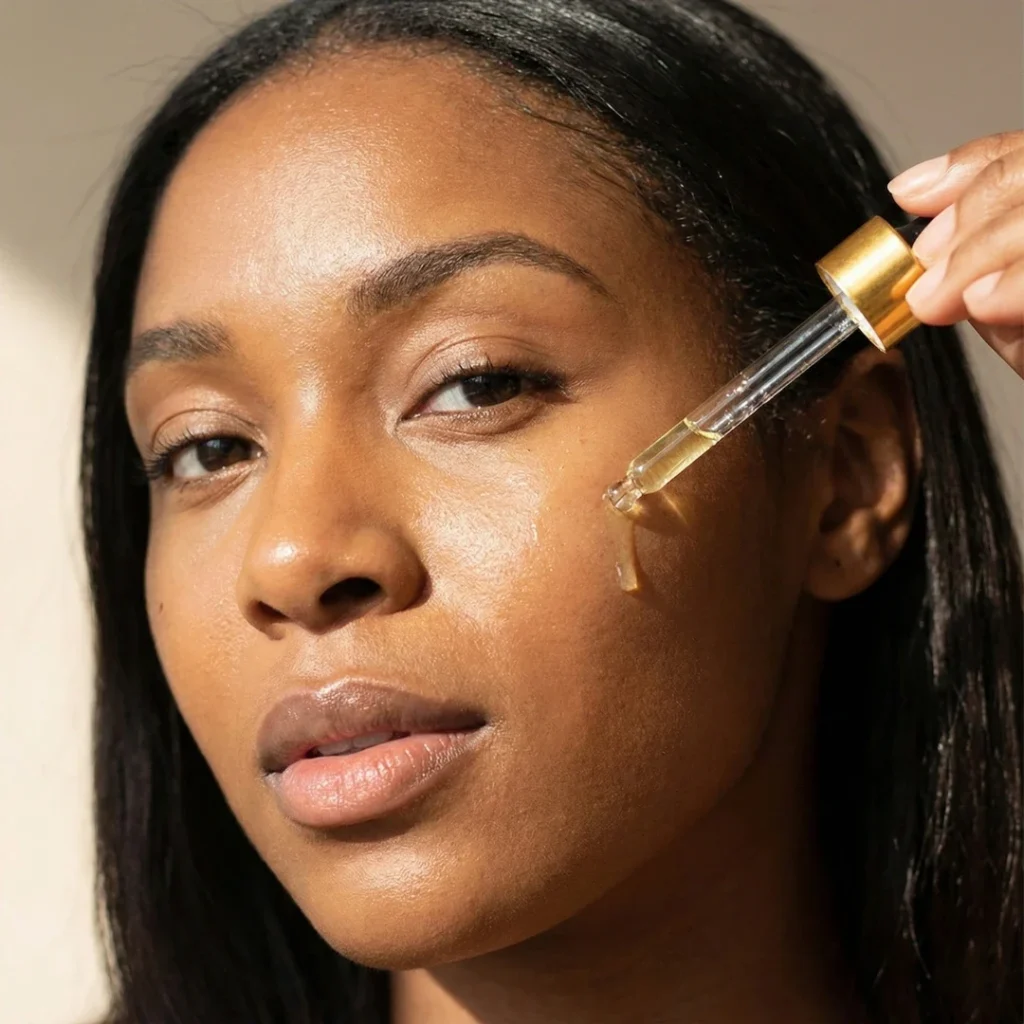
Both oils can suit sensitive skin, but argan oil is often the easier starting point because it is widely used as a simple, straightforward, barrier-supportive oil. Prickly pear seed oil can also be a good fit for sensitive skin when the formula is pure and the user wants a lighter premium oil with glow and anti-aging benefits. Patch testing is still the smartest first step either way.
Prickly pear seed oil vs argan oil for sensitive skin depends on texture preference and barrier condition.
How to Choose Between Prickly Pear Seed Oil and Argan Oil
Choose prickly pear seed oil if:
- your main concern is wrinkles or loss of firmness
- your skin looks dull or mature
- you want a premium anti-aging oil
- you prefer a lightweight oil with strong radiance appeal
Prickly pear seed oil vs argan oil usually leans this way when radiance and anti-aging matter most.
Choose argan oil if:
- your skin is dry, tight, or uncomfortable
- you want an everyday facial oil
- you like multi-use products for face, body, and hair
- you want a more accessible Moroccan oil for ongoing routine support
Prickly pear seed oil vs argan oil usually leans this way when dryness and comfort are the main concern.
Use both if:
- you want argan oil for daily nourishment
- you want prickly pear seed oil for evening anti-aging care
- your skin benefits from both comfort and targeted radiance support
Prickly pear seed oil vs argan oil does not always require one winner because both can complement each other.
For hair use, explore Argan Oil for Hair: Benefits, How to Use It & Results to Expect.
Best Routine: Can You Use Argan Oil and Prickly Pear Seed Oil Together?
Yes. Many people can use both oils in the same overall routine, just for different purposes. A practical structure is to use argan oil as the more regular support oil and prickly pear seed oil as the more targeted anti-aging or night-time oil. That gives the skin both comfort and refinement without forcing one oil to do every job.
Prickly pear seed oil vs argan oil becomes even more useful when both are placed in the same routine strategically.
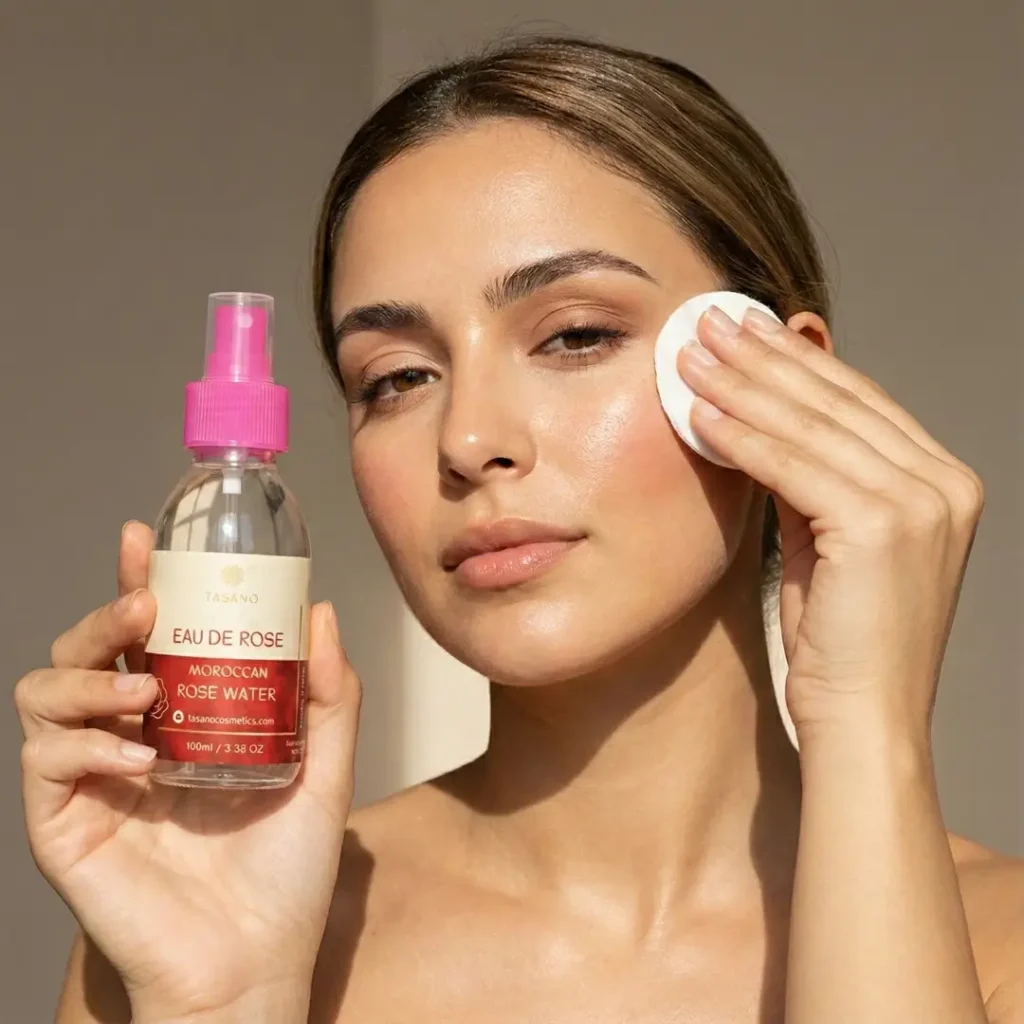
Simple Moroccan oil routine
Morning
- Cleanse gently
- Apply rose water or toner
- Use argan oil if the skin feels dry
- Apply moisturizer if needed
- Finish with sunscreen
Evening
- Cleanse
- Apply rose water or toner
- Use prickly pear seed oil
- Seal with cream if needed
To avoid fake or diluted oils, read How to Choose Authentic Moroccan Beauty Products (Avoid Fake Argan, Nila & Oils).
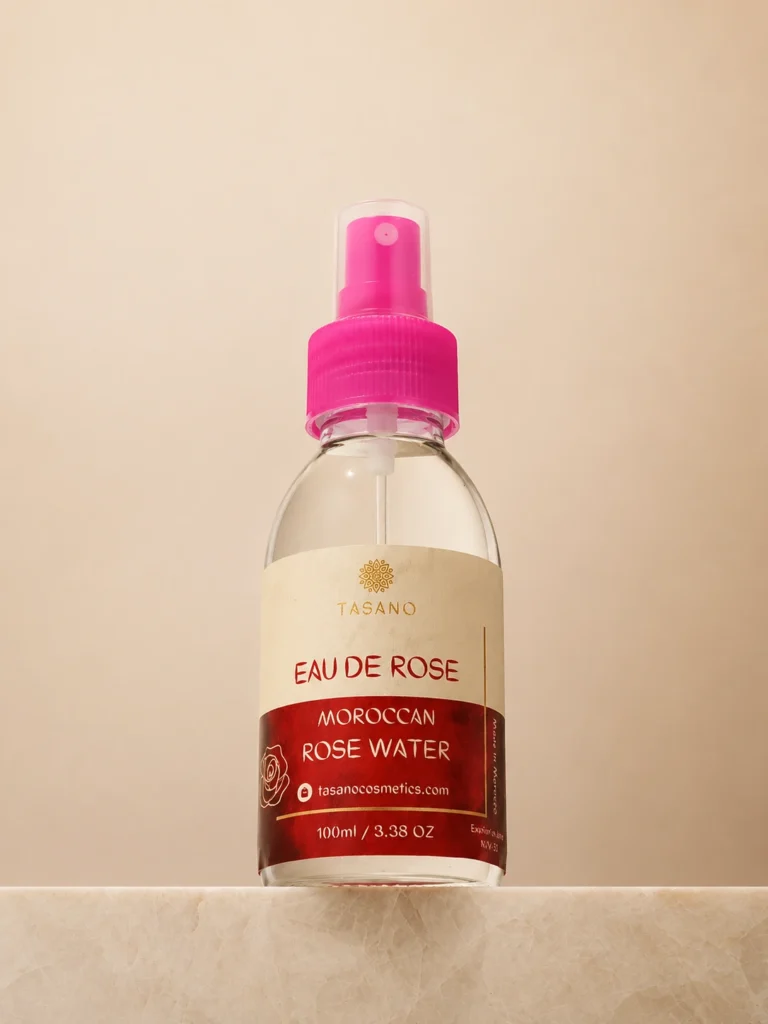
100% Pure Moroccan Rose Water – Toner & Face Mist
Pure Moroccan rose water toner, face mist, and light makeup-residue remover for skin that feels tight, dull, or overheated. Use after cleansing, before moisturizer, after makeup removal, or anytime your skin needs a clean floral refresh.
- Refreshes without an oily finish
- Helps wipe away light makeup residue
- Preps skin for serum, cream, or argan oil
- Doubles as a floral mixing water for clay masks
Net Volume: 100 ml/3.38 oz
What Science and Skin Experts Say About These Oils
Scientific evidence helps clarify prickly pear seed oil vs argan oil beyond marketing claims.
Research and expert commentary support the idea that both oils have real skincare value, but for slightly different reasons. Research reviews indexed in PubMed describe prickly pear seed oil as a high-linoleic, antioxidant-rich oil with strong cosmetic relevance, while medical and dermatology-oriented sources describe argan oil as a nourishing, vitamin E-rich oil valued for hydration support and barrier comfort. Together, these sources make the comparison much clearer: prickly pear seed oil is the more targeted anti-aging choice, while argan oil is the more versatile daily support oil.
Shop Authentic Moroccan Facial Oils With Confidence at TASANO
Choosing between prickly pear seed oil and argan oil becomes much easier when the quality is real.
TASANO’s Moroccan oils are designed for people who want more than trendy ingredients. Prickly pear seed oil fits beautifully into routines focused on wrinkles, glow, and firmer-looking skin. Argan oil remains the essential everyday staple for comfort, softness, and multi-use nourishment. Together, they make one of the strongest Moroccan skincare pairings for anyone building a more refined routine.
If your goal is smoother, brighter, healthier-looking skin, both oils have a place. The better one depends on what your skin needs most right now.
For shoppers comparing prickly pear seed oil vs argan oil, quality and authenticity matter as much as the ingredient itself.
Recommended products
-
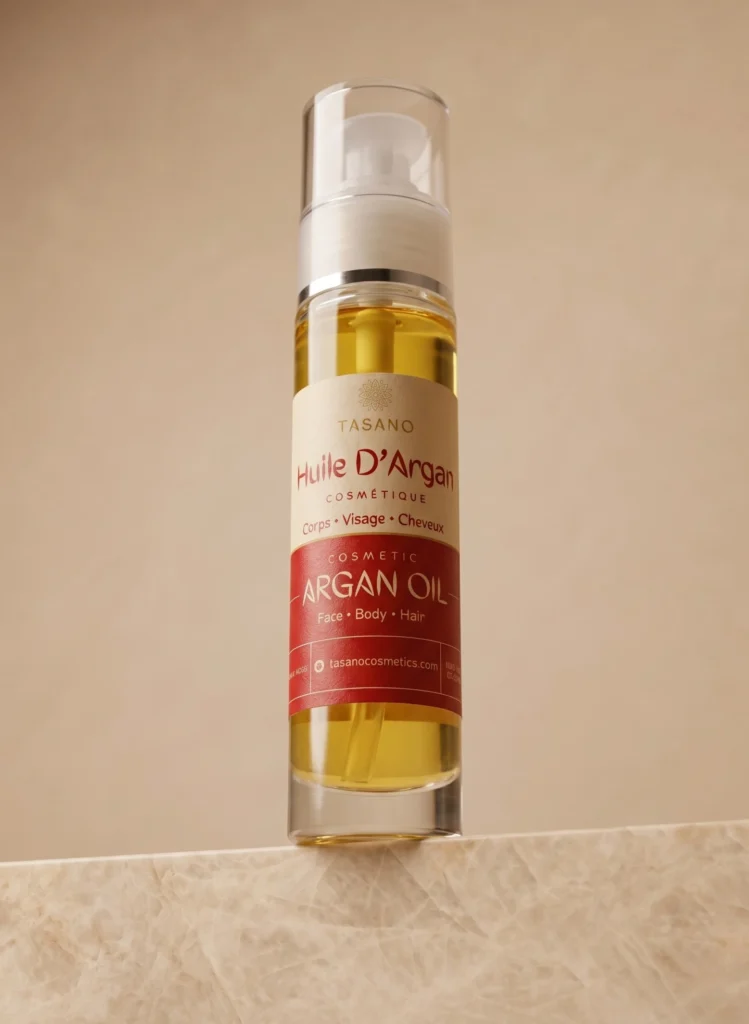
100% Pure Moroccan Argan Oil
Price range: $ 17.00 through $ 26.00 -
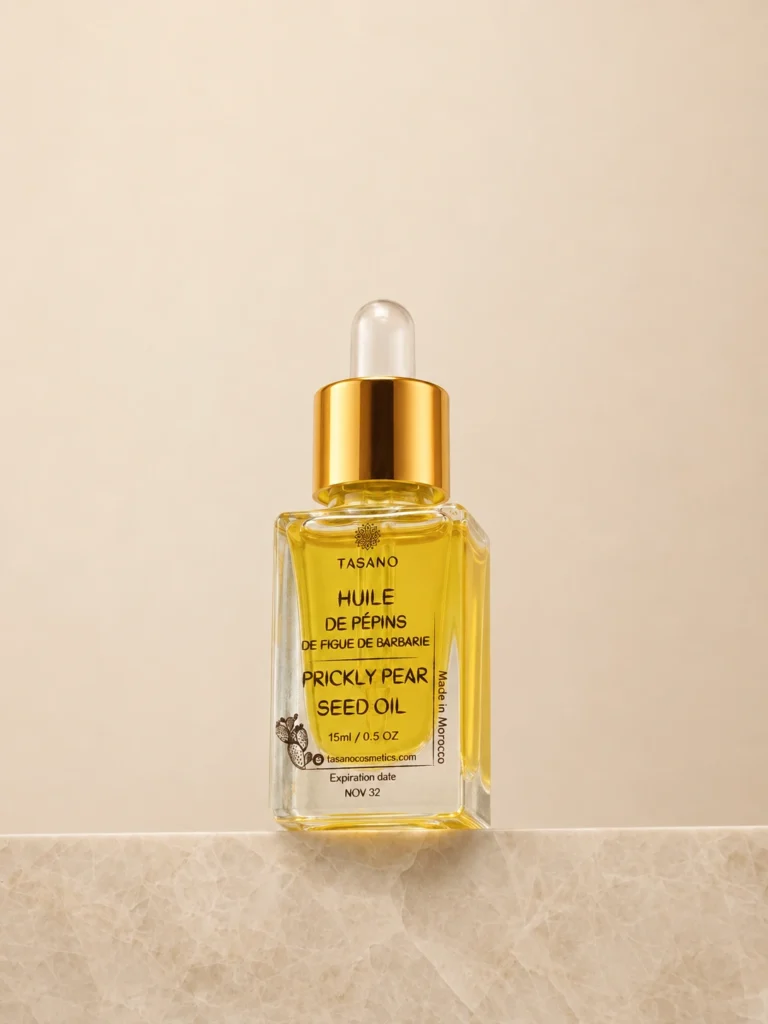
100% Pure Cold-Pressed Prickly Pear Seed Oil
Price range: $ 30.00 through $ 41.00 -
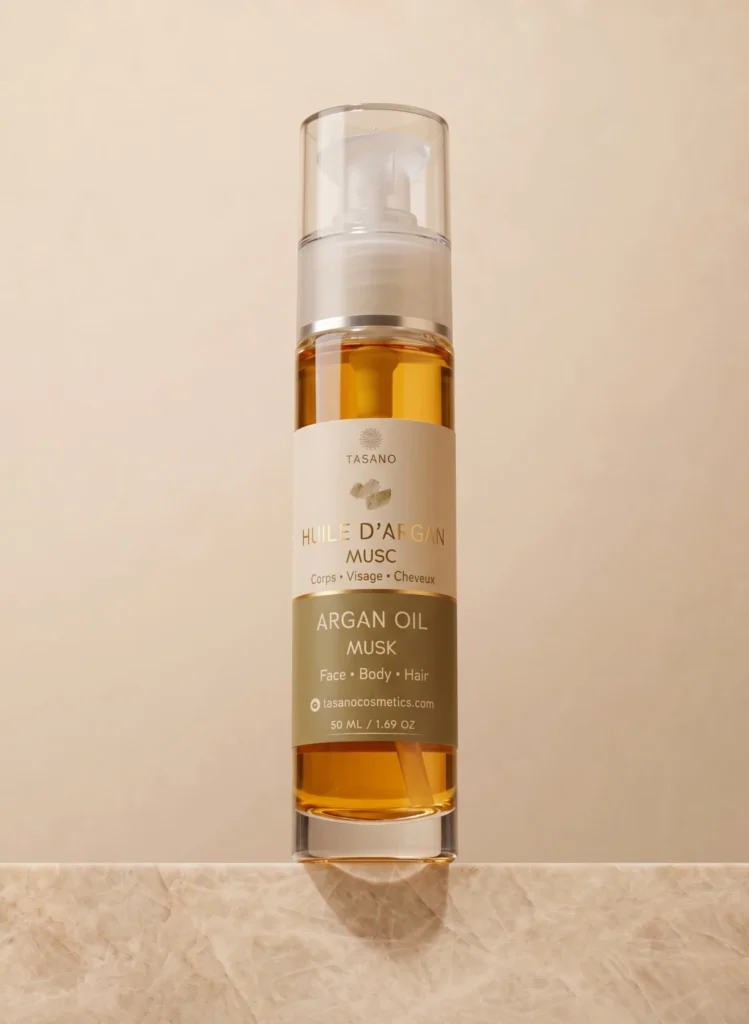
Musk Argan Oil for Hair & Body
$ 21.00 -
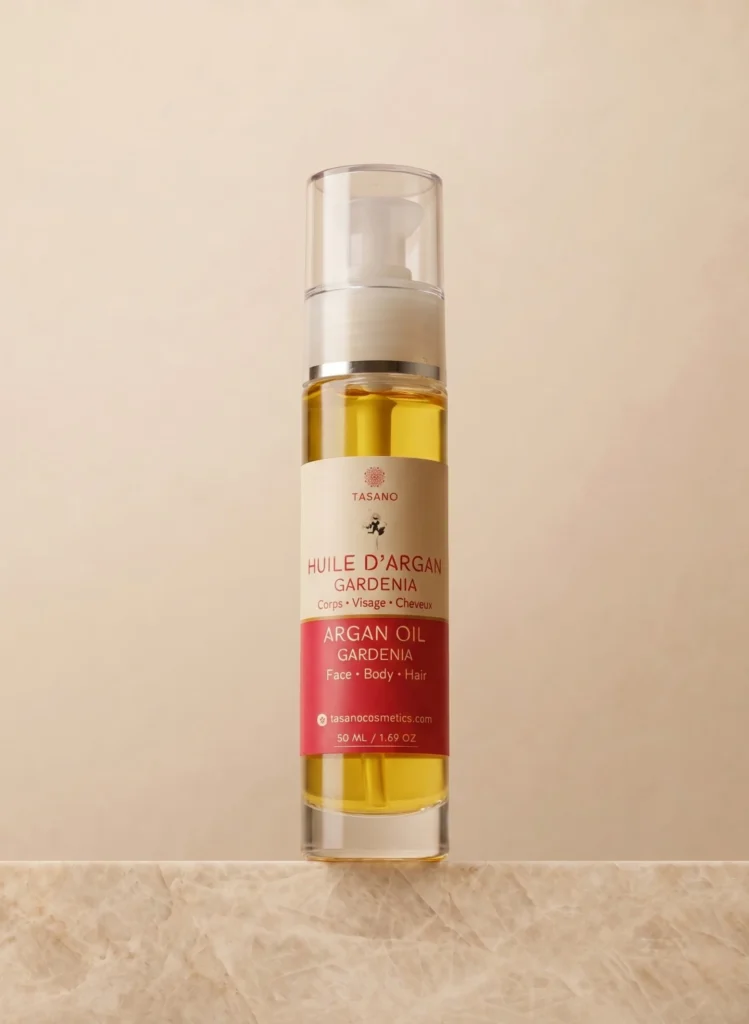
Gardenia Argan Oil for Hair & Body
$ 21.00
FAQ
Is prickly pear seed oil better than argan oil?
Prickly pear seed oil is usually better for anti-aging, wrinkles, and radiance, while argan oil is usually better for daily nourishment, dryness, and barrier support. The better oil depends on your skin concern.
Which oil is better for wrinkles, prickly pear seed oil or argan oil?
Prickly pear seed oil is usually the better choice for wrinkles because it is more strongly positioned for anti-aging and elasticity support. Argan oil is better as a supportive oil when wrinkles are made more visible by dryness.
Which oil is better for dry skin?
Argan oil is usually better for dry skin because it is widely used for moisturizing support, skin comfort, and barrier nourishment.
Can I use prickly pear seed oil and argan oil together?
Yes. Many people use argan oil as a daily support oil and prickly pear seed oil as a more targeted evening or anti-aging oil.
Is argan oil cheaper than prickly pear seed oil?
Yes. Prickly pear seed oil is generally more expensive because extraction yields are lower and production is more demanding.
Which oil is better for acne-prone skin?
Prickly pear seed oil often has the edge for acne-prone skin because of its high linoleic acid content and lighter feel, though argan oil can also work for some users.
Conclusion
Prickly pear seed oil vs argan oil is not about choosing the more luxurious name. It is about choosing the oil that matches your skin goal.
Choose prickly pear seed oil if you want a more premium anti-aging oil for wrinkles, dullness, and mature-looking skin. Choose argan oil if you want a more versatile, reliable oil for dryness, comfort, and everyday nourishment.
In the end, prickly pear seed oil vs argan oil is won by the oil that solves your current skin need best. If your skin needs both, using them together can be even stronger.
Recommended products
Enjoyed this guide? Keep TASANO easier to find when you search for Moroccan beauty advice.
