

How to Choose Authentic Moroccan Beauty Products (Avoid Fake Argan, Nila & Oils)
ByTASANO
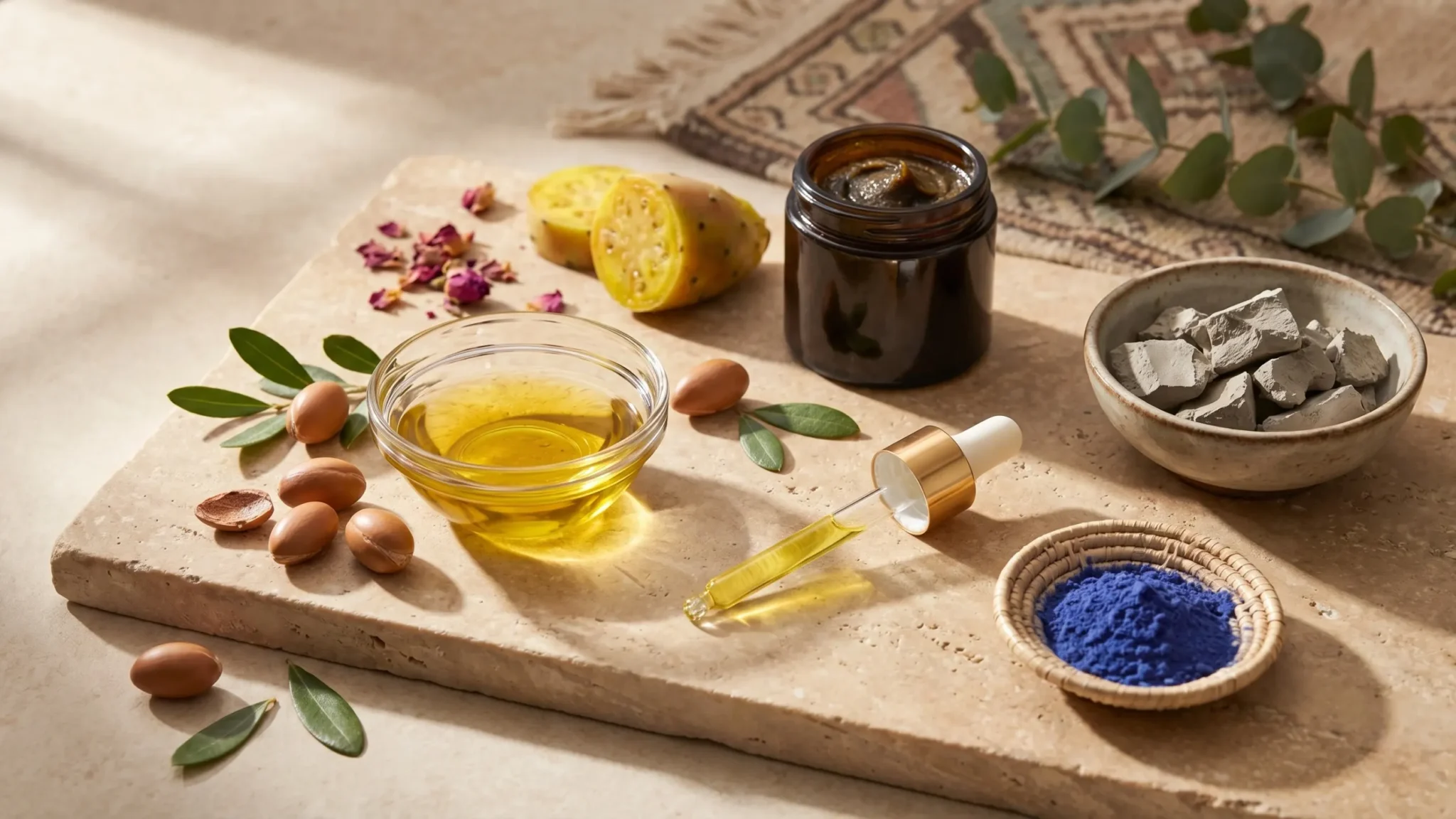
How to choose authentic Moroccan beauty products is one of the most important questions in this category because the market is full of diluted oils, vague labels, fake “natural” claims, and products that look Moroccan without actually delivering Moroccan quality. If you are buying argan oil, prickly pear seed oil, Nila powder, or other traditional skincare products, authenticity changes everything: the feel, the results, the shelf life, and whether the product is worth your money at all.
Authentic Moroccan beauty products usually have one thing in common: they are simple, traceable, and easy to identify once you know what to look for. Pure argan oil should not read like a perfume blend. Pure prickly pear seed oil should not be suspiciously cheap. Authentic Nila should look and feel like a real mineral treatment, not synthetic blue dye.
This guide explains how to choose authentic Moroccan beauty products, how to spot fake argan oil and diluted prickly pear oil, what authentic Nila should look like, and which buying mistakes are most likely to waste your money.
If you want to see how these ingredients fit into a complete skincare system, explore our guide to Moroccan Beauty Products and discover how traditional rituals enhance product results in the Complete Moroccan Hammam Ritual at Home guide.
Table of Contents
How to Choose Authentic Moroccan Beauty Products (Quick Answer)
To choose authentic Moroccan beauty products, look for clear origin, simple ingredient lists, realistic pricing, proper packaging, and product-specific quality signs such as the right color, scent, and texture. The best products are usually traceable, minimally processed, and sold with enough detail to make quality visible rather than vague.
Why Authenticity Matters in Moroccan Skincare
Moroccan beauty products are often valued because they are ingredient-led. That means authenticity matters more here than in categories where fragrance, texture, or branding do most of the work. If an oil is diluted, refined too heavily, or badly stored, the product no longer behaves like the ingredient people think they are buying. A fake or low-grade product may still look attractive online, but it will not perform like true Moroccan argan oil, authentic prickly pear seed oil, or real Nila powder.
This is especially important with oils. Packaging, extraction method, ingredient list, and absorption profile all affect quality. A plastic bottle, an unclear label, or a suspiciously cheap price are not minor details. They are usually warnings.
Authentic products work even better when used in the right ritual. Learn how cleansing, steam, and exfoliation prepare the skin in Moroccan Hammam Steps Explained: Traditional vs At Home.
9 Red Flags to Avoid When Buying Moroccan Beauty Products
1. The ingredient list is too long for a product claiming to be pure
If a product is marketed as pure argan oil or pure prickly pear seed oil, the ingredient list should reflect that. For pure argan oil, the INCI should be Argania Spinosa Kernel Oil. For pure prickly pear seed oil, the INCI should be Opuntia Ficus-Indica Seed Oil. Extra fragrance, filler oils, or vague botanical blends usually mean it is not the pure product people think they are buying.
2. The packaging does not protect the product
Good packaging helps preserve oil quality by reducing unnecessary exposure to heat, air, and prolonged direct light. Dark glass is often preferred for sensitive oils, but it is not the only sign of quality. Well-sealed glass packaging, careful storage, and fresh stock turnover also matter. What matters most is whether the product is stored responsibly and reaches you in excellent condition. Clear plastic packaging can be a weaker choice for premium oils, especially when paired with poor labeling or vague sourcing.
3. The product is suspiciously cheap
Authentic prickly pear seed oil is expensive because extraction yields are low. Pure argan oil also requires real labor and cannot be sold for unrealistically low prices without compromise. If the deal looks too good to be true, it usually is. Price alone does not prove quality, but very low pricing is one of the clearest signs that something has been diluted, badly processed, or misrepresented.
4. The seller cannot explain origin clearly
Authentic Moroccan beauty products should have a clear connection to Morocco. That does not mean every seller must be a cooperative, but they should be able to state the origin, the type of ingredient, and how the product is processed. Vague “inspired by Morocco” branding is not the same as Moroccan origin.
5. The claims are exaggerated
“Instant whitening,” “miracle anti-aging,” or “works overnight” language is a red flag. Authentic beauty products can be powerful, but real quality products are usually sold with more restraint. Strong ingredients do not need fake promises to make sense.
6. The color looks artificial
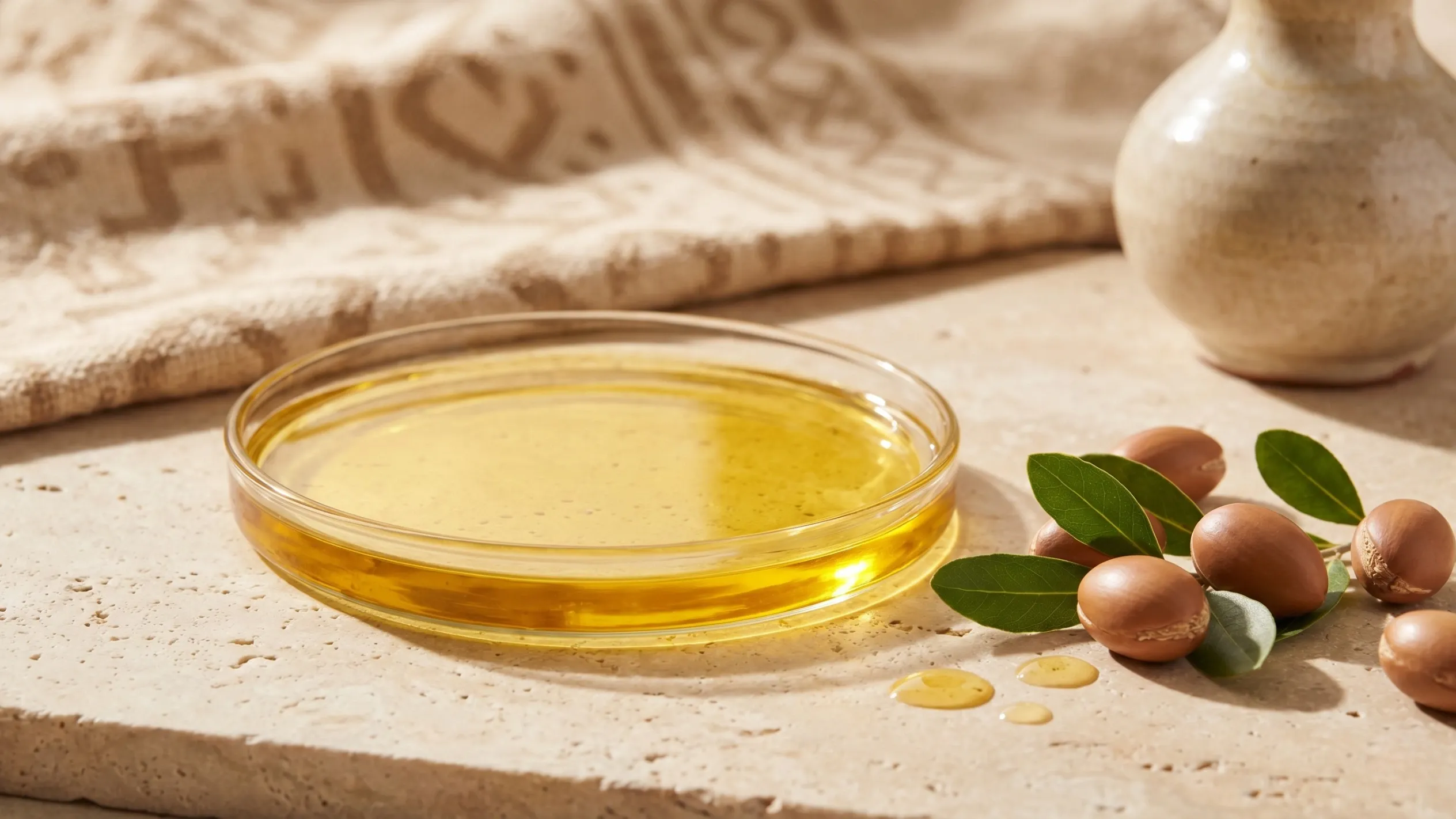
Color can help, but it should never be used alone as the only authenticity test. Authentic cosmetic argan oil is generally pale golden, while pure prickly pear seed oil is often pale greenish or green-gold. Authentic Nila can range from muted blue-gray to a deeper indigo-toned blue depending on origin and processing, but it should not look fluorescent or like synthetic dye powder.
7. The scent feels wrong
Pure cosmetic argan oil is usually described as having a mild nutty scent. Pure prickly pear seed oil is often described as having a subtle herbal or earthy scent that fades after application. Strong perfume, harsh chemical smell, or no natural scent at all can suggest heavy refinement, fragrance masking, or adulteration.
8. The texture does not match the ingredient
Real oils should absorb into the skin and feel like oils, not like sticky syrup or watery filler. Authentic argan oil should feel smooth and non-greasy. Pure prickly pear seed oil should feel light and elegant rather than thick or oily. Texture is one of the easiest ways to tell whether the product behaves like the real thing.
9. There is no traceability or quality signal at all
Terms such as cold-pressed, unrefined, organic, first-press, and country of origin do not guarantee quality by themselves, but complete absence of quality information is a problem. Strong brands usually make purity easy to verify. Weak brands hide behind aesthetic packaging and vague storytelling.
How to Tell If Argan Oil Is Pure
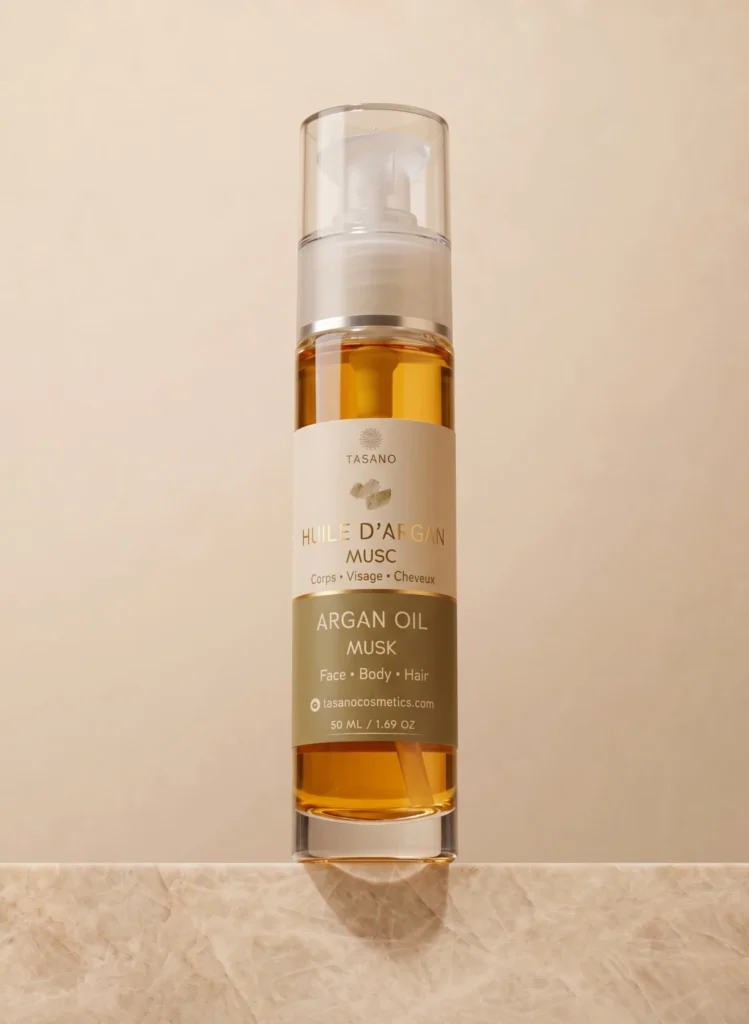
Pure argan oil should be sold in dark glass, clearly labeled, and ideally identified as cold-pressed and unrefined. The ingredient list should be short, and for pure cosmetic argan oil it should ideally contain only Argania Spinosa Kernel Oil. The oil is usually pale to golden yellow, with a mild nutty aroma and a texture that absorbs without leaving a thick greasy film.
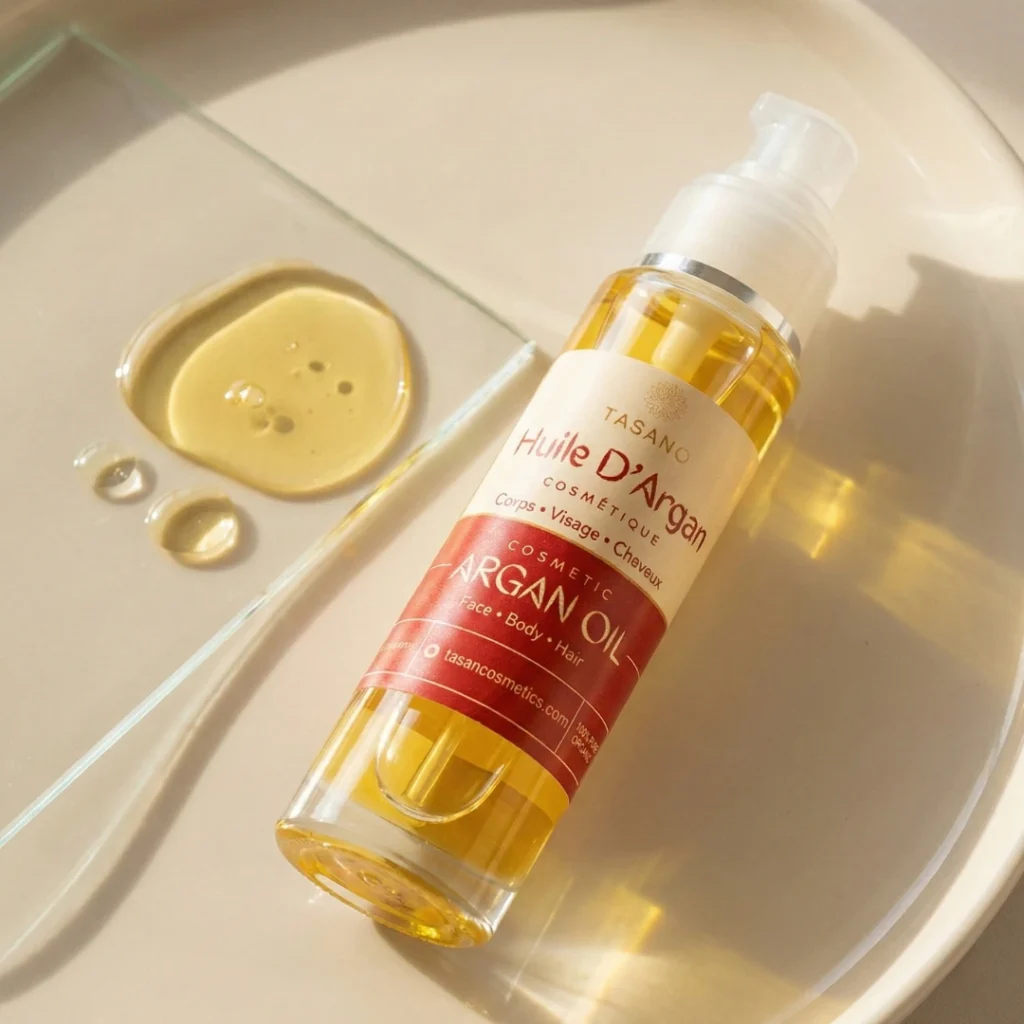
A useful practical sign is absorption. Authentic cosmetic argan oil generally sinks into the skin relatively quickly and leaves it soft rather than sticky. Oils that feel heavy, smell strongly chemical, or sit on top of the skin for too long are often lower quality or diluted.
Signs of fake argan oil
- sold in plastic or poorly protected packaging
- unclear or crowded ingredient list
- too cheap for the category
- strong perfume or artificial scent
- very thick, sticky, or overly greasy feel
- no mention of Moroccan origin
For hair-specific purity checks, read How to Choose Pure Argan Oil for Hair and Avoid Fake Moroccan Oil Blends.
How to Identify Pure Prickly Pear Seed Oil
Pure prickly pear seed oil should be labeled 100% pure and ideally cold-pressed or virgin, with an ingredient list that clearly identifies Opuntia Ficus-Indica Seed Oil. It is typically sold in dark glass and is known for a light texture that works well in facial skincare. Several quality guides also note that pure prickly pear oil is expensive, so low pricing is one of the clearest red flags.
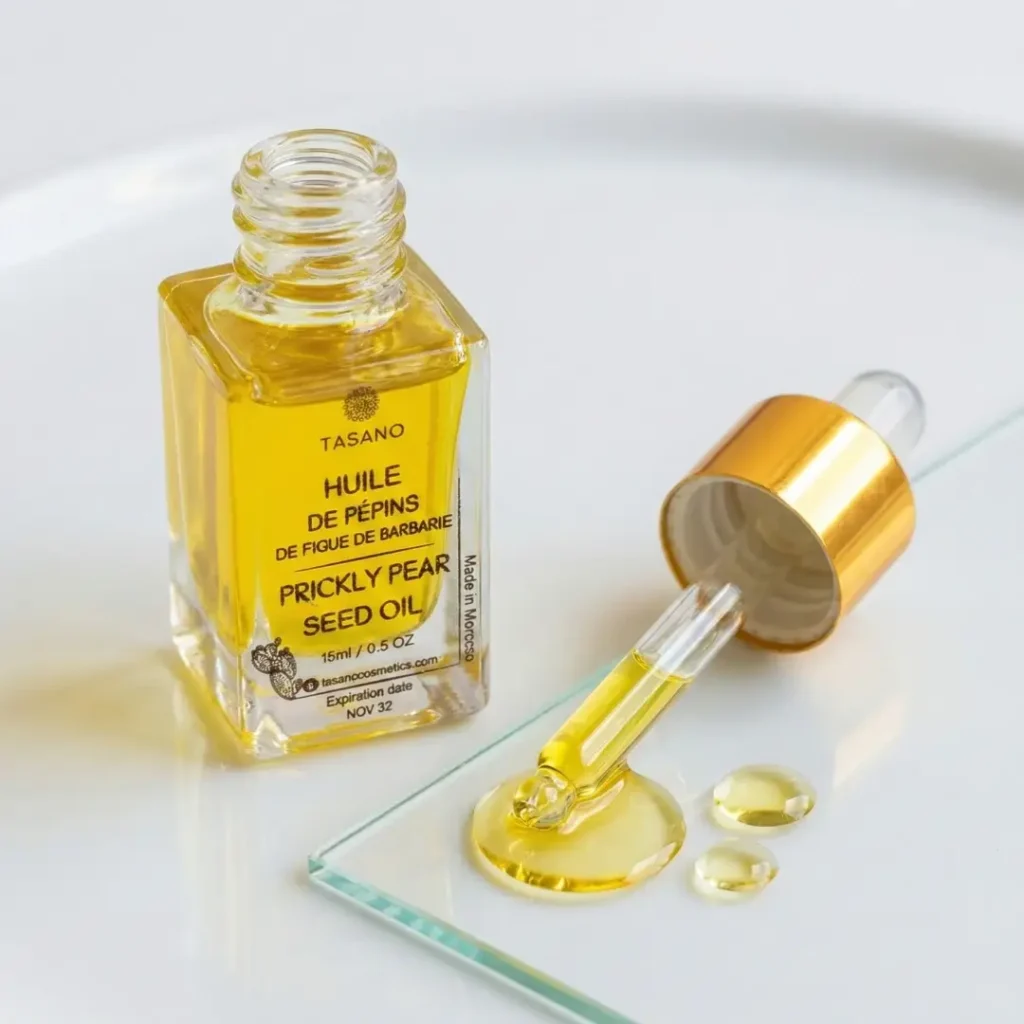
A good pure prickly pear seed oil should not feel thick or heavy, and it should not smell strongly perfumed. Because this oil is frequently marketed as premium anti-aging care, it is one of the products most likely to be diluted or repackaged badly.
Signs of fake or diluted prickly pear oil
- unrealistically low price
- unclear ingredient list
- plastic bottle
- strong fragrance
- watery or oddly thick texture
- no clear mention of pure prickly pear seed oil on the label
For a deeper ingredient guide, read Prickly Pear Seed Oil Benefits: The Ultimate Anti-Aging Oil for Skin.
How to Recognize Authentic Nila Powder
Authentic Moroccan Nila powder should look like a real mineral beauty product, not like bright synthetic pigment. The texture should be fine and smooth, the scent subtle and earthy rather than strongly perfumed, and the color natural-looking rather than fluorescent. Authentic Nila may range from blue-gray to deeper indigo-blue depending on source and processing, so the better test is not “one exact shade,” but whether the powder looks naturally mineral and refined rather than aggressively artificial.
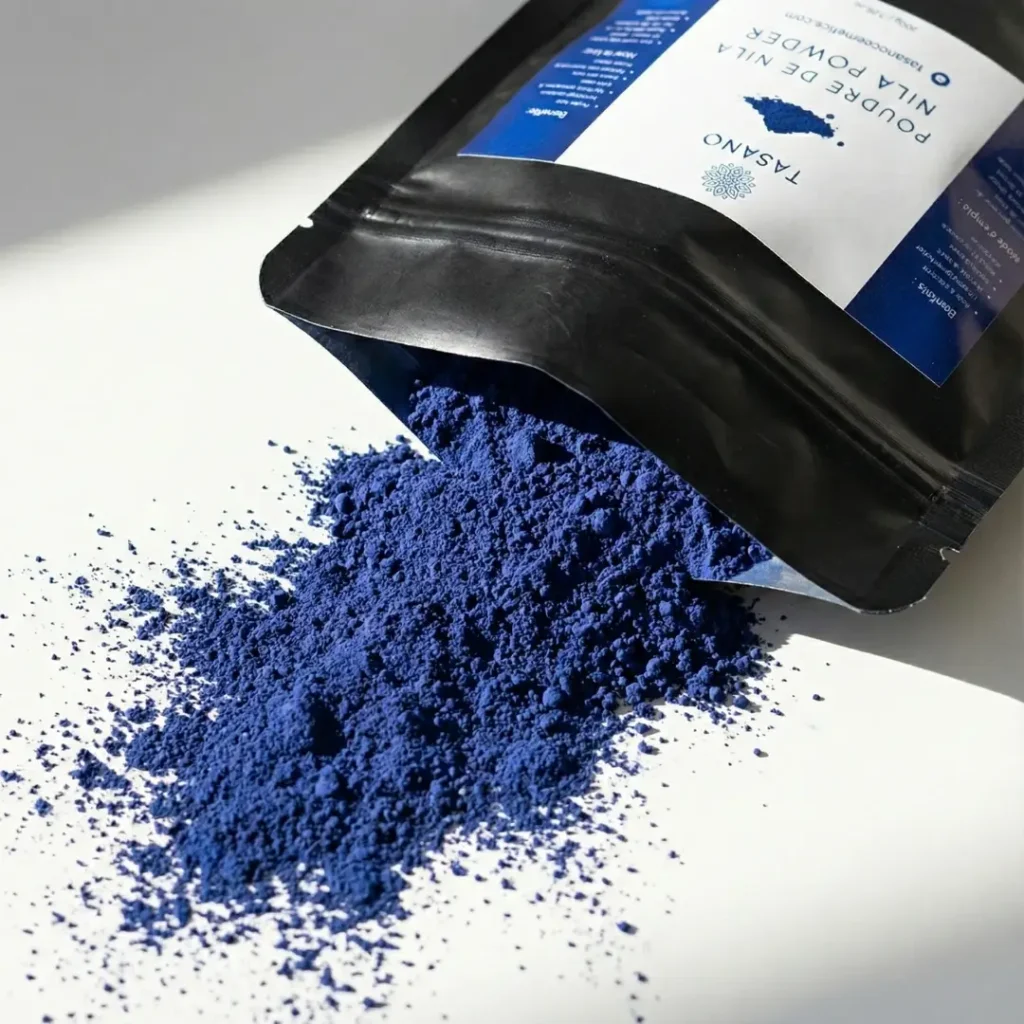
The seller should also be able to explain what the powder is for and how it is used. Reliable Moroccan skincare brands usually position Nila around brightening, uneven tone, and rough-texture care rather than making impossible promises.
Signs of fake or low-quality Nila
- neon or obviously synthetic-looking blue
- strong perfume
- rough, gritty texture
- no explanation of Moroccan origin
- extreme claims such as instant whitening or overnight transformation
For a complete usage guide, read Nila Powder for Dark Spots: How to Use It for Hyperpigmentation & Even Skin Tone.
Should You Buy From a Cooperative, a Brand, or a Marketplace?
What matters most is not the label “cooperative” by itself, but whether the product is genuine, traceable, and well stored. Cooperatives can be an excellent source, especially for argan oil, but not every seller using cooperative language is the real thing. Brands can also be trustworthy when they provide clear sourcing, proper storage, realistic quality information, and a clean ingredient list. Marketplaces are the riskiest option when the product description is vague or inconsistent.
The smartest buying rule is simple: if the seller cannot explain the ingredient clearly, protect it properly, and label it transparently, do not trust the product just because the packaging looks beautiful.
What to Look for on the Label
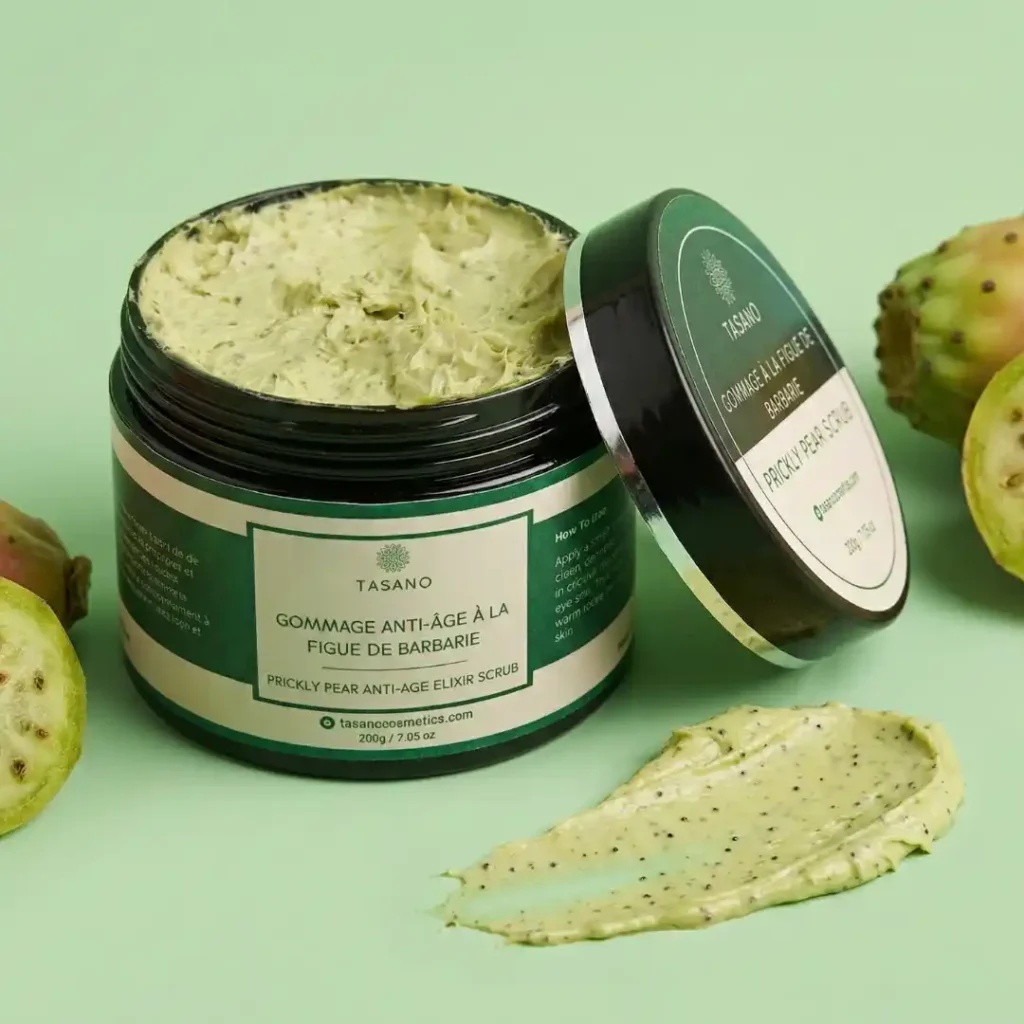
When choosing authentic Moroccan beauty products, the label should make quality easier to verify, not harder.
Look for:
- the exact ingredient name
- country of origin
- cold-pressed or unrefined when relevant
- dark glass or protective packaging
- realistic directions for use
- no unnecessary fragrance or filler in products claiming purity
Good labels reduce confusion. Weak labels create it.
If your goal is to compare oils before buying, read Prickly Pear Seed Oil vs Argan Oil: Which One Is Better for Your Skin?
What Science and Expert Sources Say About Quality
When it comes to Moroccan beauty products, quality is not just a branding detail, it directly affects how the product performs on the skin. Trusted ingredient and skincare sources consistently show that purity, extraction method, storage conditions, and ingredient transparency all matter, especially for oils and treatment-based products.
For example, Healthline notes that prickly pear seed oil is valued for its fatty acids, vitamin E, and antioxidant-related compounds, which is why buying a diluted or poorly stored version defeats the purpose of choosing it in the first place. The same principle applies to argan oil. Health-focused sources describe argan oil as rich in beneficial lipids and commonly used for hydration support, softness, and skin comfort, benefits that depend heavily on product quality and freshness.
Trusted dermatology guidance from the American Academy of Dermatology also reinforces the importance of choosing products with clear ingredient labeling and avoiding unnecessary fragrance or irritating additives, especially for sensitive or reactive skin.
In practical terms, this means authentic Moroccan beauty products should be easy to understand: a clean ingredient list, proper protective packaging, realistic claims, and a texture, scent, and feel that match the ingredient itself. Real quality usually looks transparent. Low quality usually hides behind hype.
Shop Authentic Moroccan Beauty Products With Confidence at TASANO
Authentic Moroccan beauty products should give you peace of mind, not uncertainty.
That is why quality matters so much at TASANO. Whether you are choosing argan oil, prickly pear seed oil, Nila powder, or other Moroccan skincare essentials, the goal is to offer products that feel true to the ingredient, true to the origin, and true to the routine they belong in. Pure quality should not require guesswork.
If you want to build your skincare routine around authentic Moroccan beauty products with confidence, TASANO offers the kind of ingredient clarity, ritual integrity, and premium standard that make that choice easier.
Recommended products
-
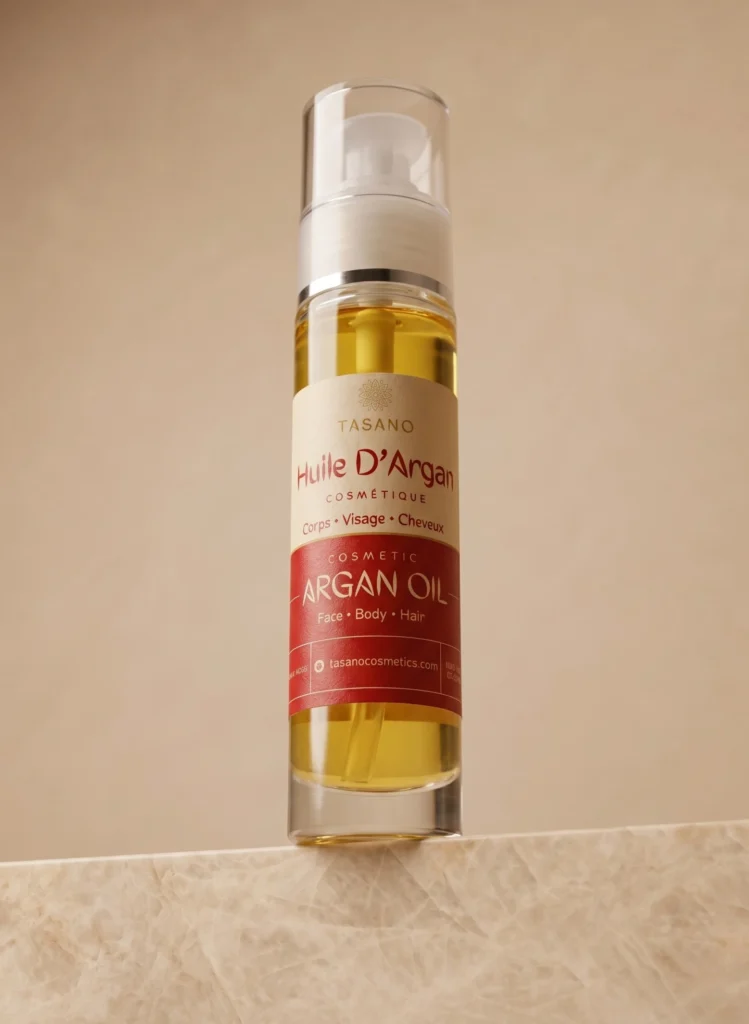
100% Pure Moroccan Argan Oil
Price range: $17.00 through $26.00 -
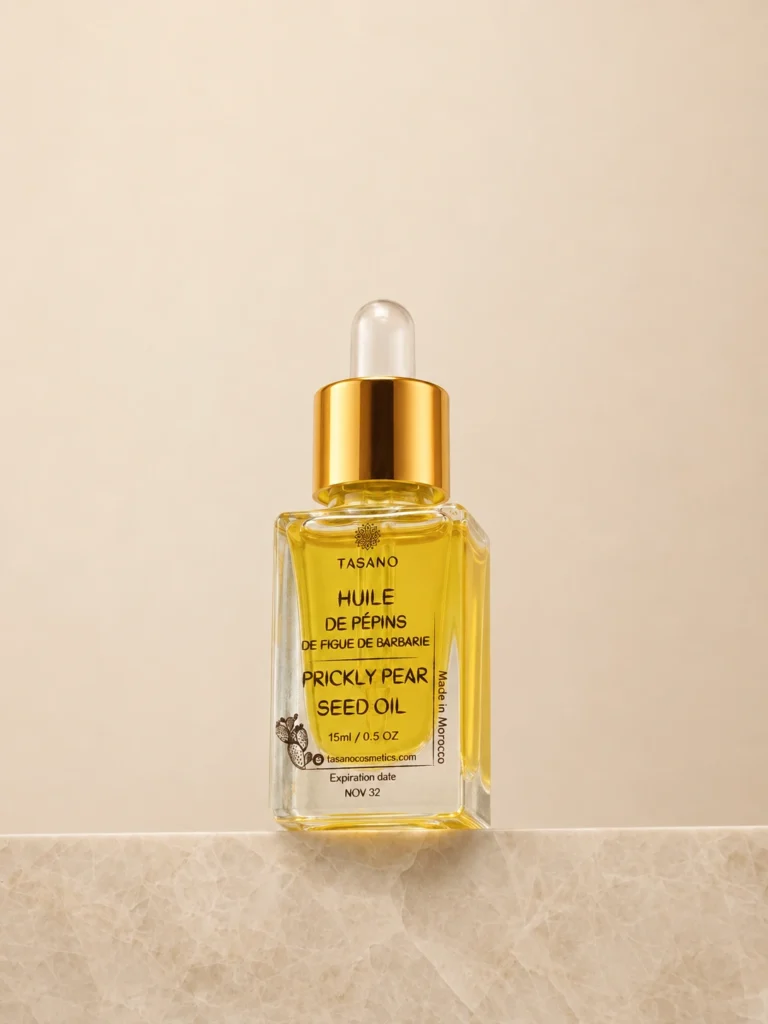
100% Pure Cold-Pressed Prickly Pear Seed Oil
Price range: $30.00 through $41.00 -
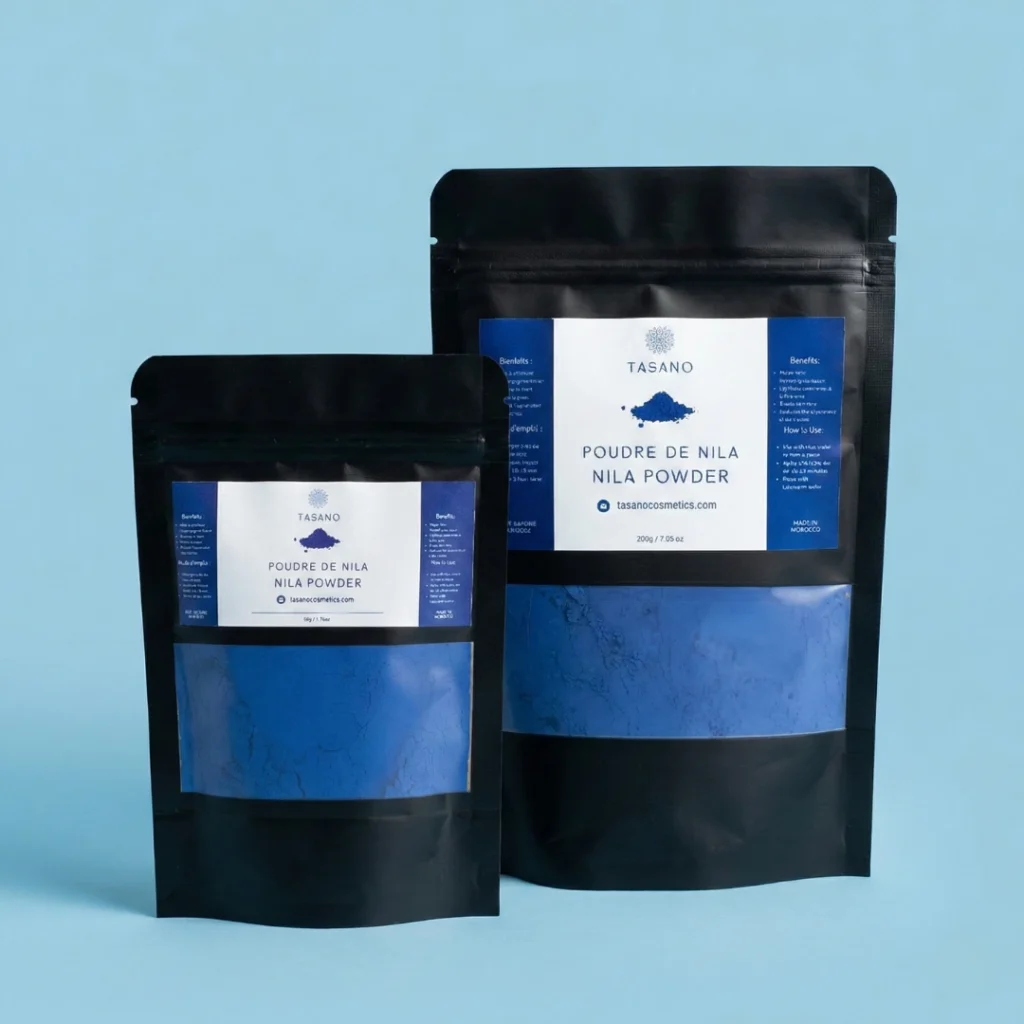
Moroccan Nila Powder – Hyperpigmentation
Price range: $8.00 through $29.00 -
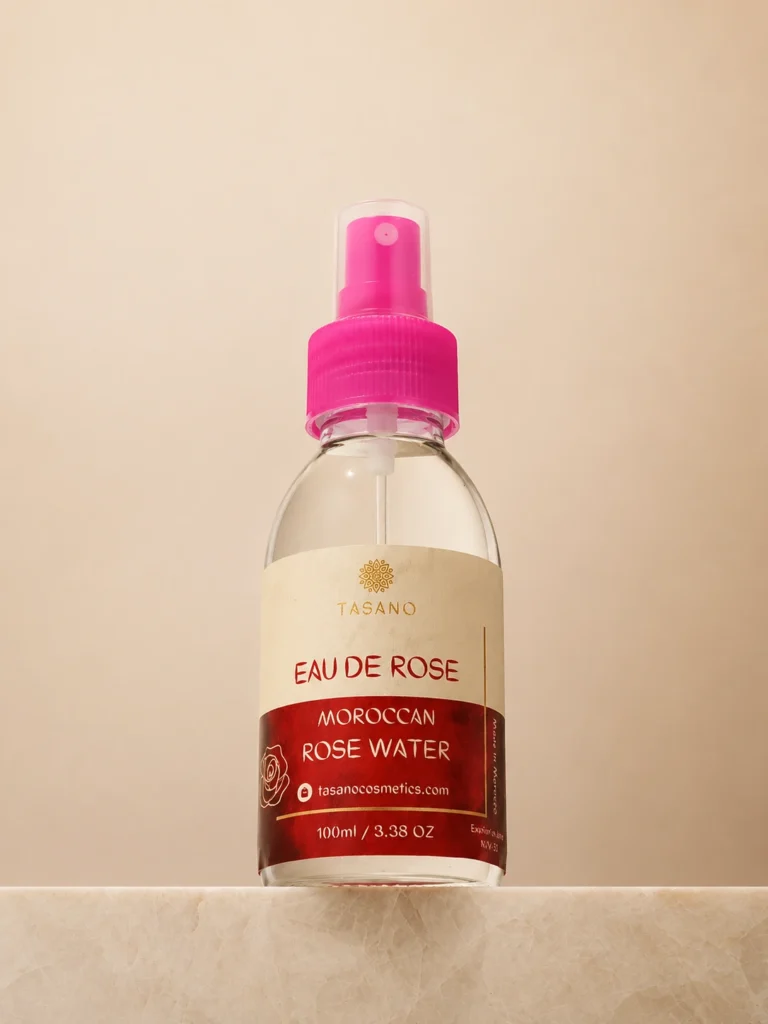
100% Pure Moroccan Rose Water – Toner & Face Mist
$6.00
FAQ
How do you know if Moroccan argan oil is real?
Real Moroccan argan oil should clearly state Moroccan origin, use protective packaging such as dark glass, and ideally list only Argania Spinosa Kernel Oil for a pure product. It should have a mild nutty scent and a smooth, non-sticky feel.
How can you tell if prickly pear seed oil is pure?
Pure prickly pear seed oil should be labeled 100% pure and ideally cold-pressed, with an ingredient list identifying Opuntia Ficus-Indica Seed Oil. It should feel light, come in protective packaging, and not be suspiciously cheap.
What does fake argan oil look like?
Fake or low-quality argan oil may be too clear, too dark, too sticky, strongly perfumed, sold in plastic, or listed with extra ingredients despite being marketed as pure.
Is all blue Nila powder authentic?
No. Authentic Nila can vary in tone, but bright synthetic-looking or neon blue powders are a warning sign. Texture, smell, source, and overall mineral quality matter more than one exact color shade.
Why are authentic Moroccan oils expensive?
Authentic oils such as argan oil and prickly pear seed oil require real labor, careful extraction, and protective packaging. Prickly pear seed oil is especially expensive because the yield is low and the production process is demanding.
What should the ingredient list say for pure argan oil?
For pure argan oil, the ingredient list should ideally say Argania Spinosa Kernel Oil and nothing else.
Can Fake Argan Oil Damage Skin?
Yes. Fake or low-quality argan oil may contain fragrance, filler oils, impurities, or unstable ingredients that can irritate sensitive skin or cause breakouts. Which is why ingredient transparency and seller trust matter when buying Moroccan skincare products.
Where to buy authentic Moroccan beauty products online?
Buy from sellers that provide clear ingredient lists, Moroccan origin details, proper packaging, realistic claims, and enough product information to verify quality before purchase. Trusted brands that specialize in authentic Moroccan skincare are usually safer choices than vague marketplace listings or sellers with little transparency.
Conclusion
How to choose authentic Moroccan beauty products comes down to one core principle: real quality is visible.
It is visible in the label, the origin, the ingredient list, the packaging, the texture, the scent, and the way the product behaves when you use it. Fake or diluted products usually reveal themselves through confusion, shortcuts, and weak quality signals.
When you know what to look for, choosing authentic Moroccan beauty products becomes much easier, and much smarter.
Recommended products