

Moroccan Black Soap vs African Black Soap: What’s the Difference & Which Is Better?
ByTASANO
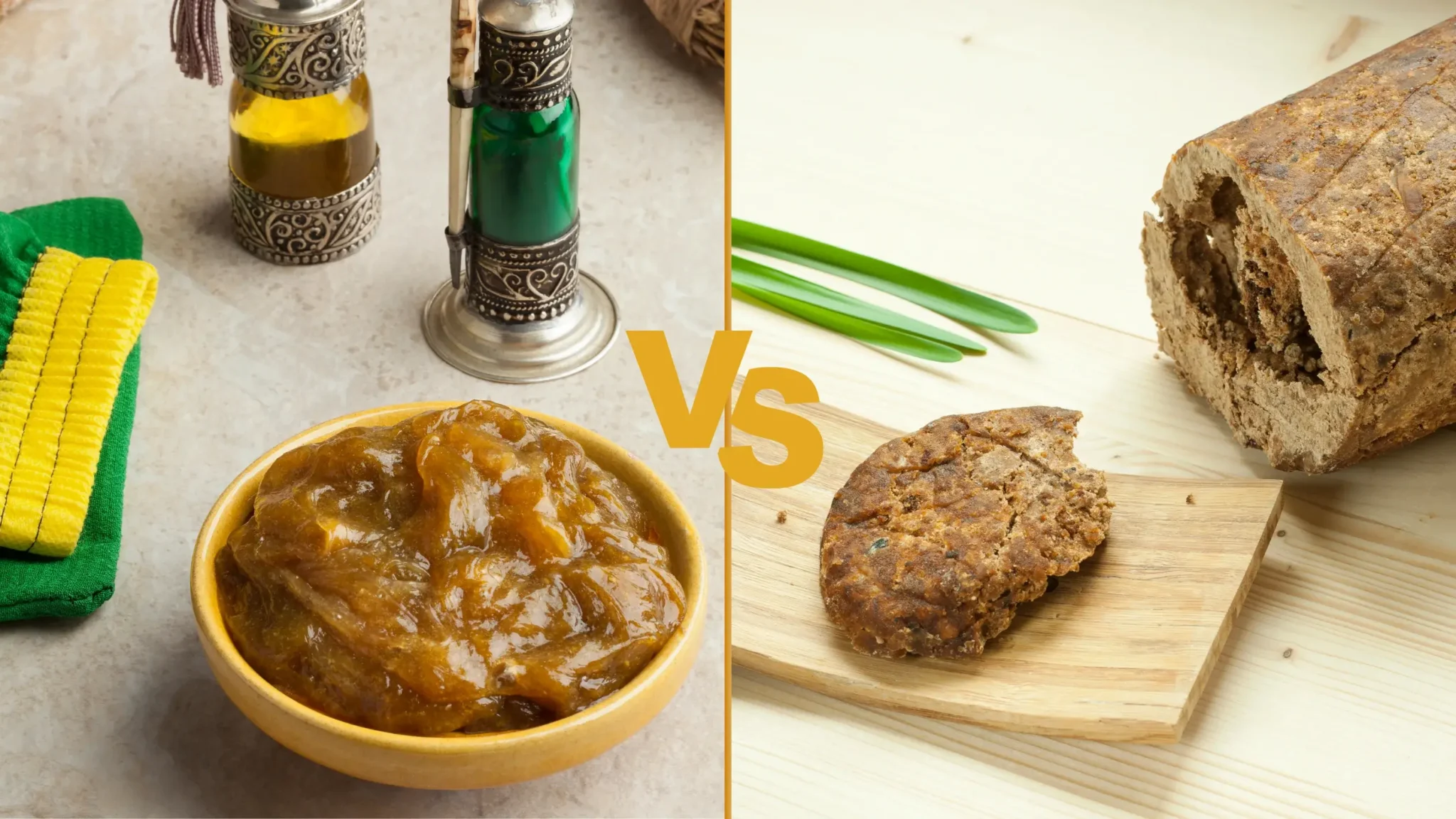
Moroccan black soap vs African black soap is one of the most important skincare comparisons to get right because these two soaps are often confused, yet they are made differently, used differently, and deliver very different results. Choosing the wrong one for the wrong purpose can leave skin feeling stripped, irritated, or simply underwhelming when the routine should have worked beautifully.
Moroccan black soap is a soft olive-based paste traditionally used in the hammam to prepare the skin for exfoliation, while African black soap is a solid or crumbly plant-ash soap from West Africa used mainly as a cleansing bar for face and body. Both are traditional, both are valuable, and both deserve to be used for what they actually do best.
This guide explains the real difference between Moroccan black soap vs African black soap, how each one is made, how to use them correctly, which skin concerns they suit best, and which one is better depending on your goal.
For Moroccan black soap in its full ritual context, read The Complete Moroccan Hammam Ritual at Home.
Table of Contents
What Is the Difference Between Moroccan Black Soap and African Black Soap? (Quick Answer)
Moroccan black soap is a soft, olive-based cleansing paste traditionally used in the hammam to soften the skin before exfoliation, while African black soap is a firmer plant-ash soap from West Africa used mainly for cleansing the face and body. The difference lies in the ingredients, texture, origin, and how each one is meant to be used.
What Is Moroccan Black Soap?
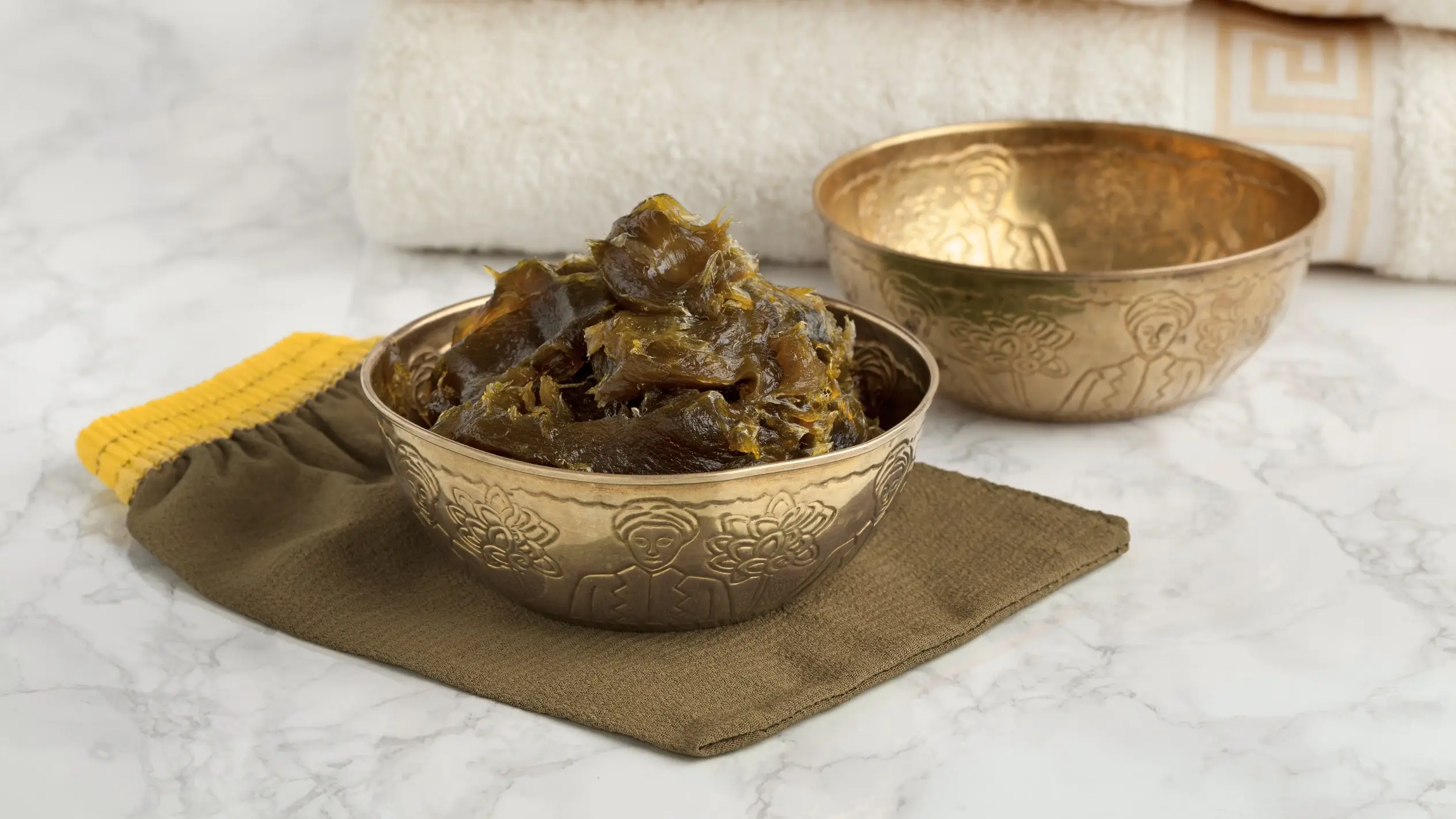
Moroccan black soap, often called savon noir beldi, is a smooth paste traditionally made from olives or olive paste and used in the Moroccan hammam ritual. It is not a typical foaming soap and is not designed to act like a daily body wash. Its main role is to soften and prepare the skin so dead skin can be removed more effectively during exfoliation.
Moroccan Black Soap Ingredients and Texture
Moroccan black soap is usually olive-based and comes in a soft, thick, spreadable texture. Some versions include eucalyptus or other aromatic additions, but its core identity is tied to olive-derived ingredients and hammam-style body care. The texture is one of its clearest signals: it looks like a dark, glossy paste rather than a hard bar.
For a deeper guide to Moroccan black soap, read Moroccan Black Soap Benefits & How to Use It for Radiant Skin.
What Is African Black Soap?
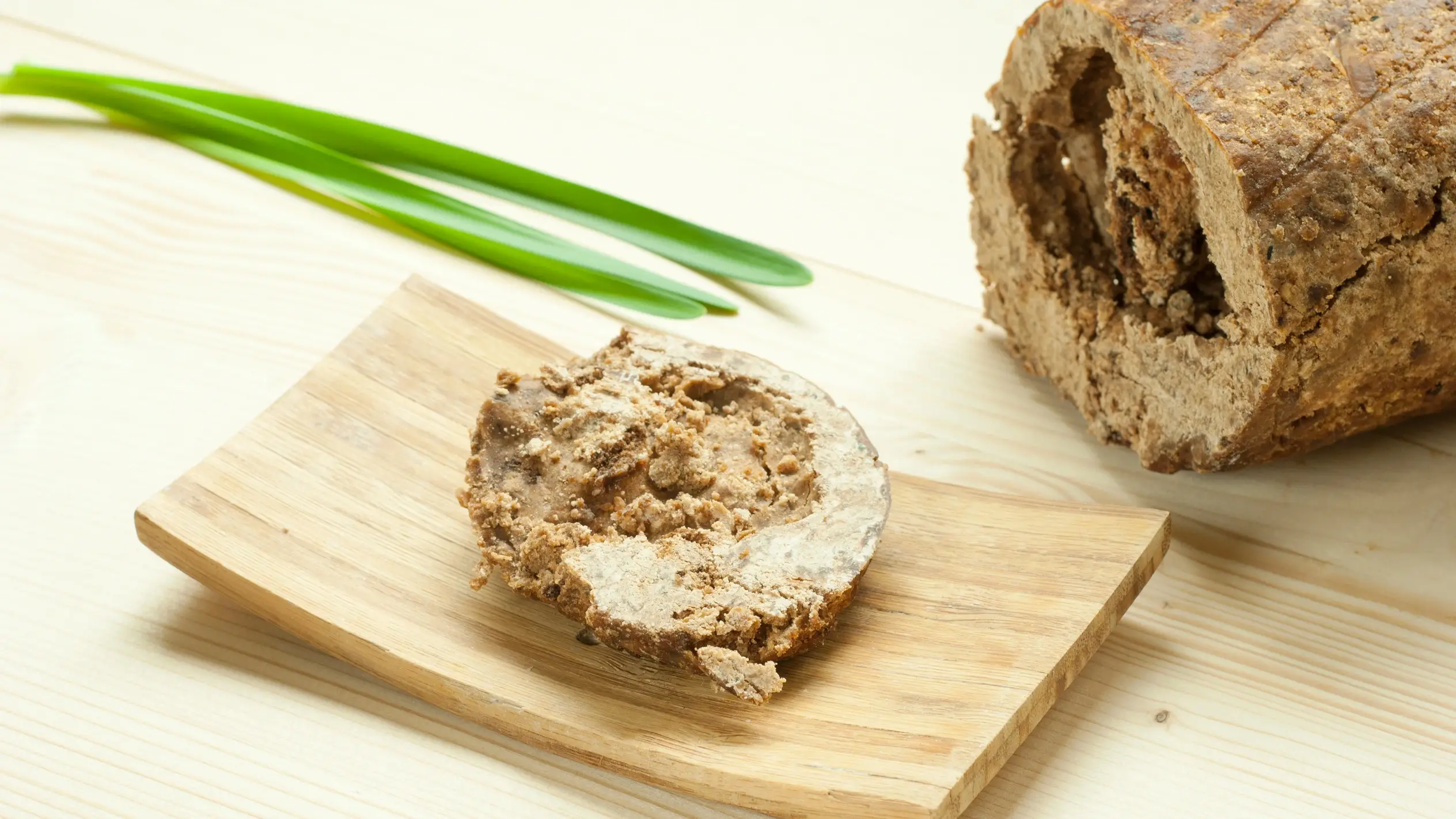
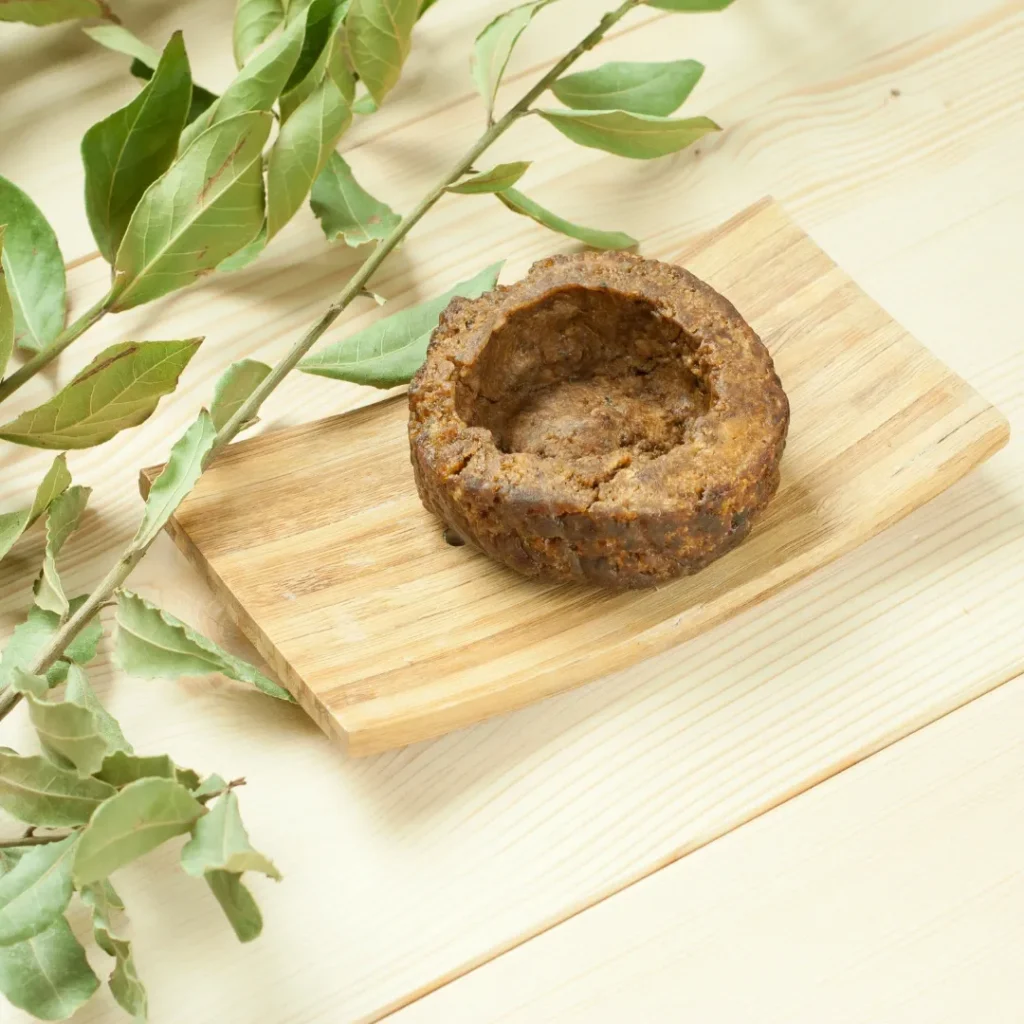
African black soap is a traditional West African soap commonly associated with countries such as Ghana and Nigeria. It is typically made using plant ash derived from ingredients such as cocoa pods, roasted plantain skins, or palm leaves, combined with oils like palm kernel oil and sometimes shea butter or coconut oil depending on the recipe.
African Black Soap Ingredients and Texture
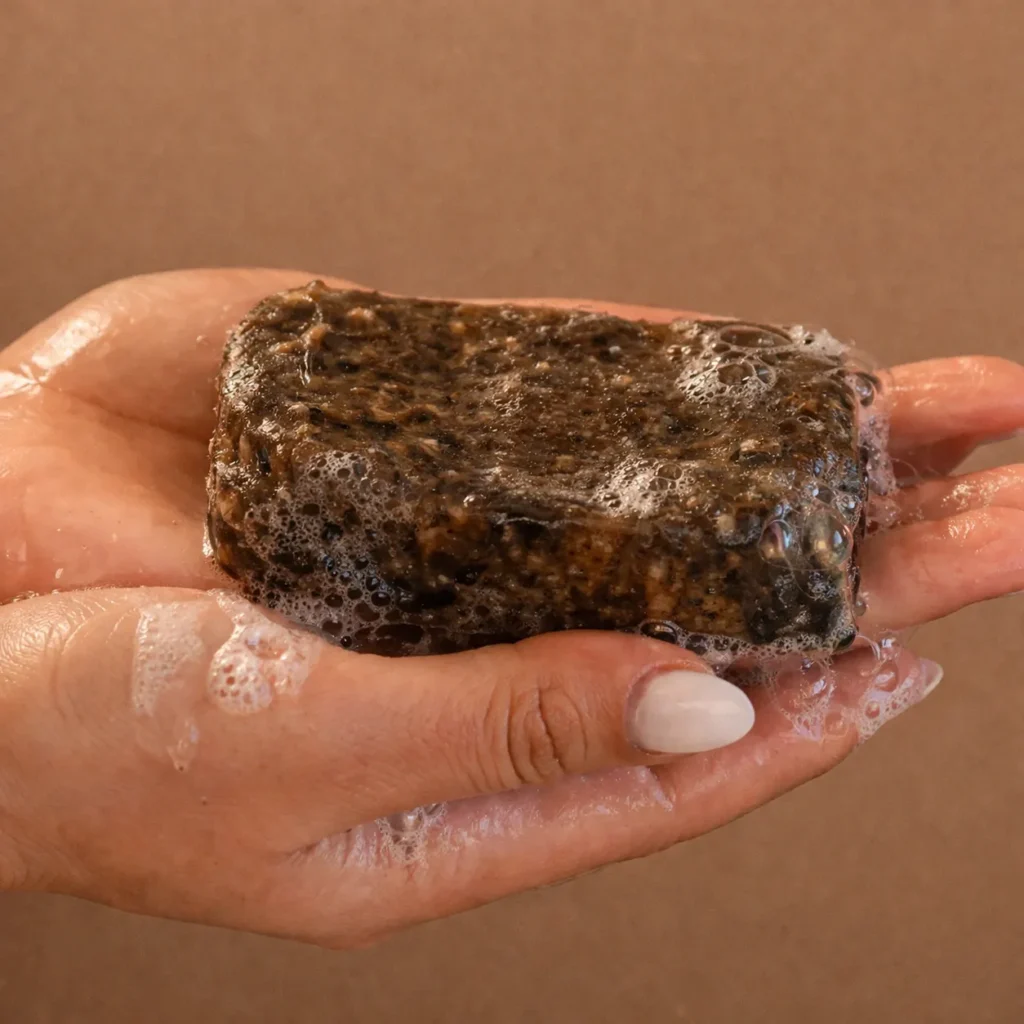
African black soap usually appears as a solid bar, rough chunk, or crumbly block rather than a smooth paste. Its texture can be uneven and more rustic than conventional soap, and its cleansing character is generally stronger than Moroccan black soap. Because formulas vary by maker and region, no two bars are exactly the same.
7 Key Differences Between Moroccan Black Soap vs African Black Soap
A deeper look at Moroccan black soap vs African black soap reveals why they are not interchangeable and why each one belongs to a specific type of skincare routine.
1. They come from different beauty traditions
Moroccan black soap belongs to the hammam tradition of Morocco, where it is used as part of a steam-and-exfoliation ritual. African black soap comes from West African cleansing traditions and is more closely associated with regular face and body washing.
2. The ingredients are completely different
Moroccan black soap is olive-based, while African black soap is generally made from plant ash and oils such as palm kernel oil, shea butter, or coconut oil. This ingredient difference is one of the main reasons the soaps behave so differently on the skin.
3. The texture is not the same
Moroccan black soap is soft, paste-like, and spreadable. African black soap is usually solid, rough, or crumbly. Even before using them, the texture makes it obvious that they are not interchangeable products.
4. They are used for different purposes
Moroccan black soap is used to prepare the skin before exfoliation. African black soap is used primarily as a cleanser. That means Moroccan black soap is part of a ritual step, while African black soap is more of a washing step.
5. Moroccan black soap is gentler in function
Moroccan black soap is not meant to aggressively cleanse. It softens and loosens buildup so exfoliation becomes more effective. African black soap, on the other hand, is often praised for deep cleansing and may feel stronger on the skin, especially for people who are dry or sensitive. Healthline and Cleveland Clinic both note that African black soap can be helpful for oily or acne-prone skin but may also be drying or irritating for some users if overused.
6. African black soap is more often used for acne-focused cleansing
African black soap is widely discussed for breakouts, excess oil, and deep cleansing because of its antibacterial properties and strong cleansing profile. Moroccan black soap is not usually positioned that way; its strength is body preparation and ritual exfoliation rather than daily acne cleansing.
7. Moroccan black soap belongs in a hammam routine
This is the biggest practical difference of all. Moroccan black soap is most effective when used in warm, damp conditions and followed by exfoliation with a kessa glove. Used outside that context, people often misunderstand what it is supposed to do. African black soap does not depend on that ritual structure to make sense.
Which Is Better: Moroccan Black Soap or African Black Soap?
The better soap depends entirely on your goal.
If your goal is a hammam-style body ritual, smoother skin texture, and effective exfoliation prep, Moroccan black soap is better. If your goal is a stronger daily cleanser, especially for oily skin or acne-prone areas, African black soap is often the better fit. They are not replacements for each other because they do different jobs.
For the wider Moroccan product landscape, explore Moroccan Beauty Products: The Complete Guide to Glowing, Clear, and Youthful Skin.
Moroccan Black Soap Benefits
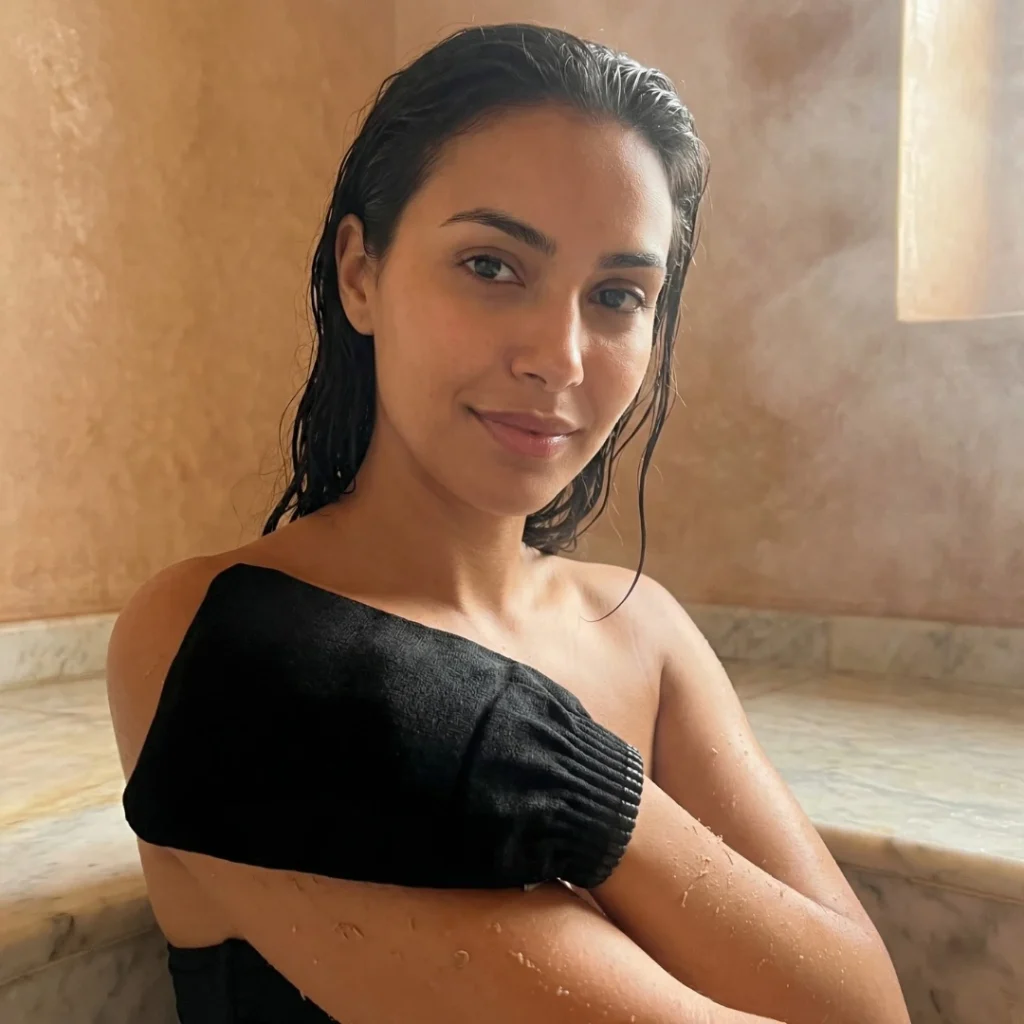
Moroccan black soap is best known for helping soften the skin, preparing it for exfoliation, and supporting the smooth, polished after-feel associated with hammam rituals. Its value comes from how it works with heat, steam, and exfoliation rather than from acting like a conventional cleanser.
Best for:
- hammam rituals
- body exfoliation prep
- rough or dull skin texture
- smoother-feeling skin after exfoliation
African Black Soap Benefits
African black soap is commonly used for deep cleansing, oily skin, and acne-prone skin. Medical and dermatology-oriented sources also note that it may help improve texture and tone, though sensitive or very dry skin may need to use it cautiously because of its stronger cleansing effect.
Best for:
- users who prefer a firmer soap format
- oily skin
- acne-prone skin
- deep cleansing
- face and body washing
How to Use Moroccan Black Soap
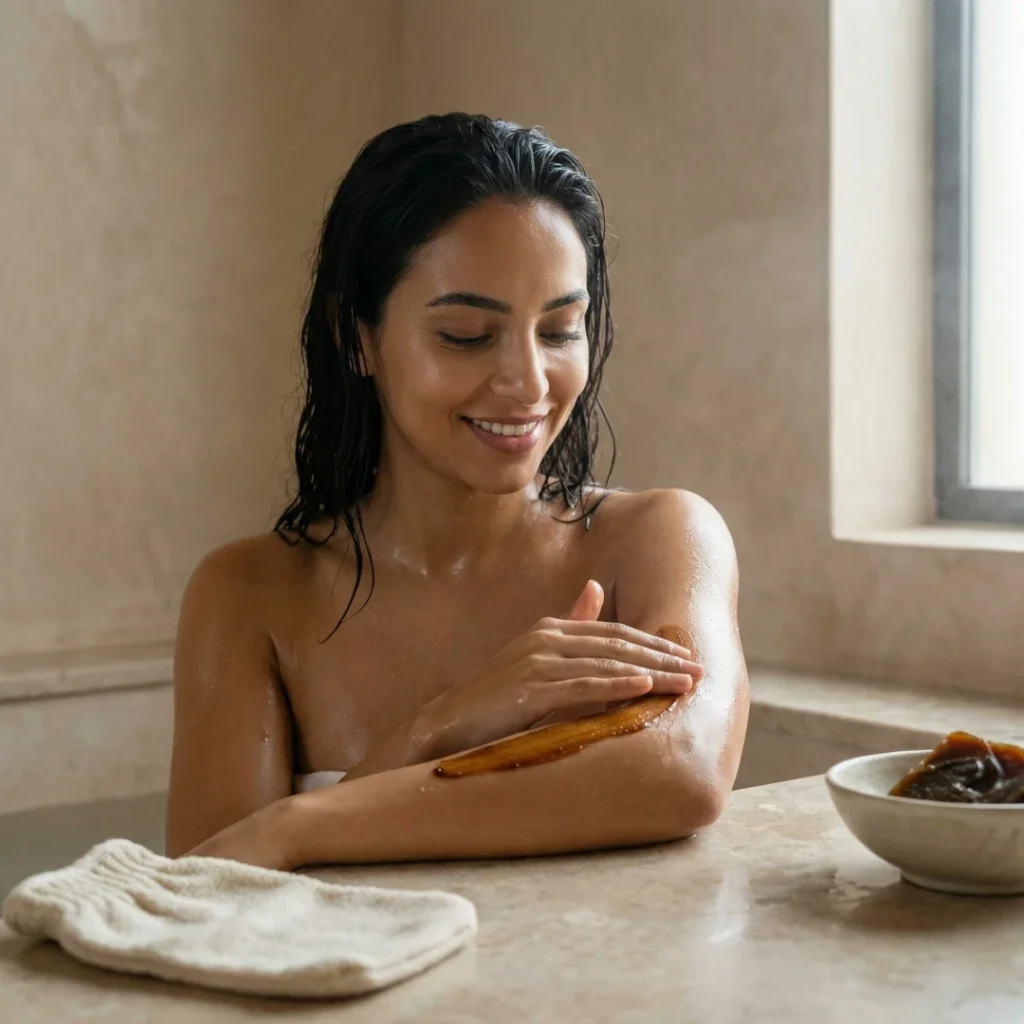
- Begin with warm, damp skin
- Apply a thin layer of Moroccan black soap over the body
- Leave it on for a few minutes
- Rinse lightly or keep the skin damp
- Exfoliate with a kessa glove
- Rinse thoroughly
- Follow with a nourishing oil or moisturizer
This is where Moroccan black soap performs at its best. It is a preparation step, not the exfoliation step itself. On its own, it softens the skin. Combined with the right exfoliation method, it becomes far more effective.
To prepare your skin properly before using Moroccan black soap in a full ritual, read our guide on How to Use a Kessa Glove Properly.
How to Use African Black Soap
- Wet your skin and the soap
- Lather it gently in your hands or on a soft cloth
- Apply to the face or body
- Rinse thoroughly
- Follow with moisturizer
- Start slowly if your skin is dry or sensitive
Because African black soap can be more drying, many dermatology-focused sources advise easing into it instead of using it too often at first. Moisturizing after cleansing is especially important.
Which Skin Types Suit Each Soap Best?
Moroccan black soap
Moroccan black soap is ideal for body care and ritual exfoliation rather than for targeting one facial skin type. It is especially useful for people who want smoother body skin, a hammam-style reset, or better exfoliation results.
African black soap
African black soap is often recommended for oily, combination, or acne-prone skin because of its cleansing strength. However, people with dry, reactive, or eczema-prone skin should be cautious, patch test first, and moisturize well after use. Cleveland Clinic and Healthline both note that it can irritate some sensitive users when overused.
Can You Use Moroccan Black Soap on the Face?
Moroccan black soap is primarily a body ritual product. While some people use it on the face, its strongest and most traditional role is in body care before exfoliation. For facial cleansing, it is not the clearest or most practical choice compared with products specifically suited to facial use.
Can You Use African Black Soap Every Day?
Some people do, but not everyone should. African black soap can be drying if introduced too aggressively, especially on dry or sensitive skin. Starting a few times a week and observing how the skin responds is usually the smarter approach.
What Science and Skin Experts Say About African Black Soap
Dermatology and medical sources consistently describe African black soap as a plant-based traditional cleanser with antibacterial properties and strong cleansing ability. Cleveland Clinic notes that it may help improve skin texture and support cleansing needs across several skin types, while also stressing that sensitive skin should proceed carefully. Healthline likewise highlights its popularity for acne, texture, and excess oil while warning that its raw texture and stronger cleansing profile can irritate some users if not used properly.
To understand the difference between Moroccan black soap vs African black soap clearly, it helps to look at both cultural use and dermatology-backed guidance. West African black soap sources and medical references explain that African black soap is typically made from plant ash and oils and is used primarily as a cleanser for face and body. By contrast, Moroccan black soap is described in Moroccan ritual care as an olive-based paste used to soften the skin before exfoliation in the hammam. Taken together, these sources make one thing clear: the two soaps are both traditional and valuable, but they were never designed to do the same job.
Discover Authentic Moroccan Black Soap With TASANO
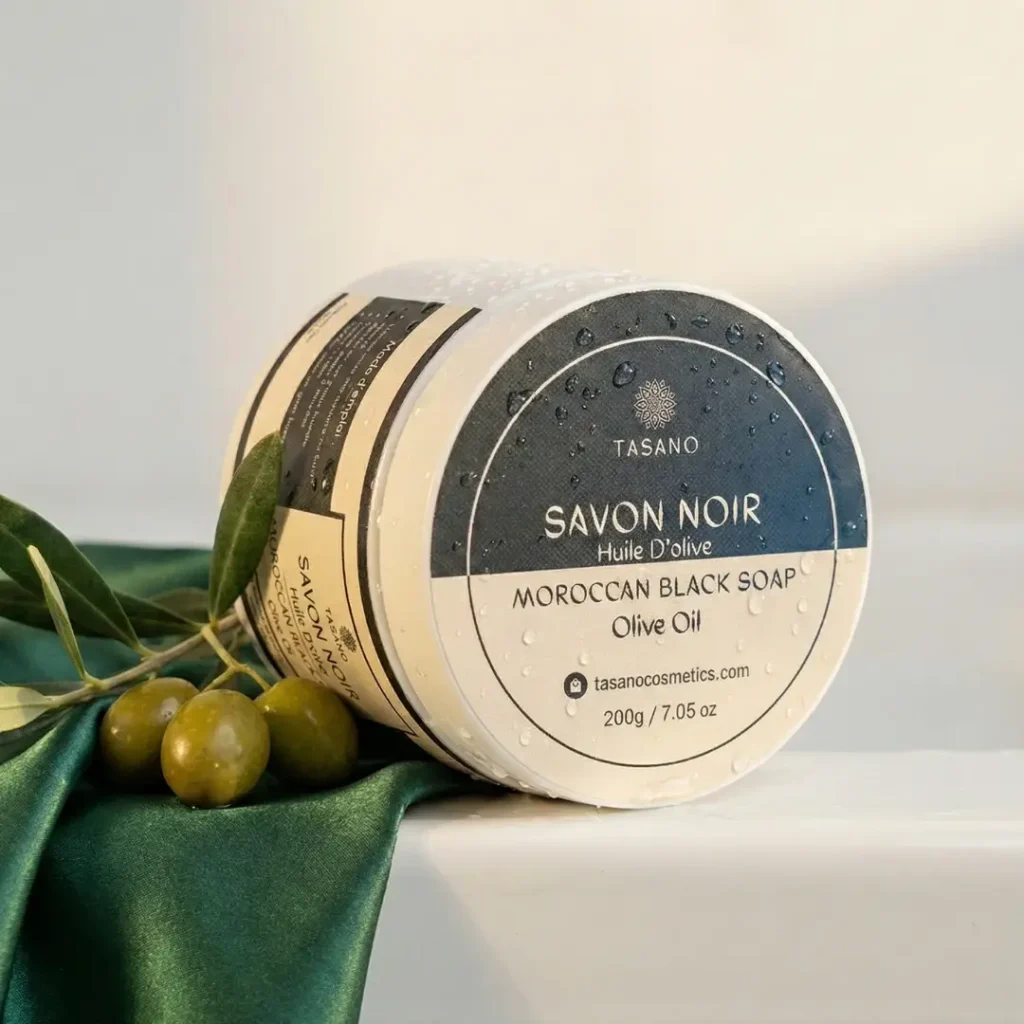
When it comes to Moroccan black soap, authenticity matters because the product only makes sense when it behaves the way a real hammam soap should behave. It should feel like a true olive-based ritual paste, not like a random dark cleanser using “black soap” as a marketing label.
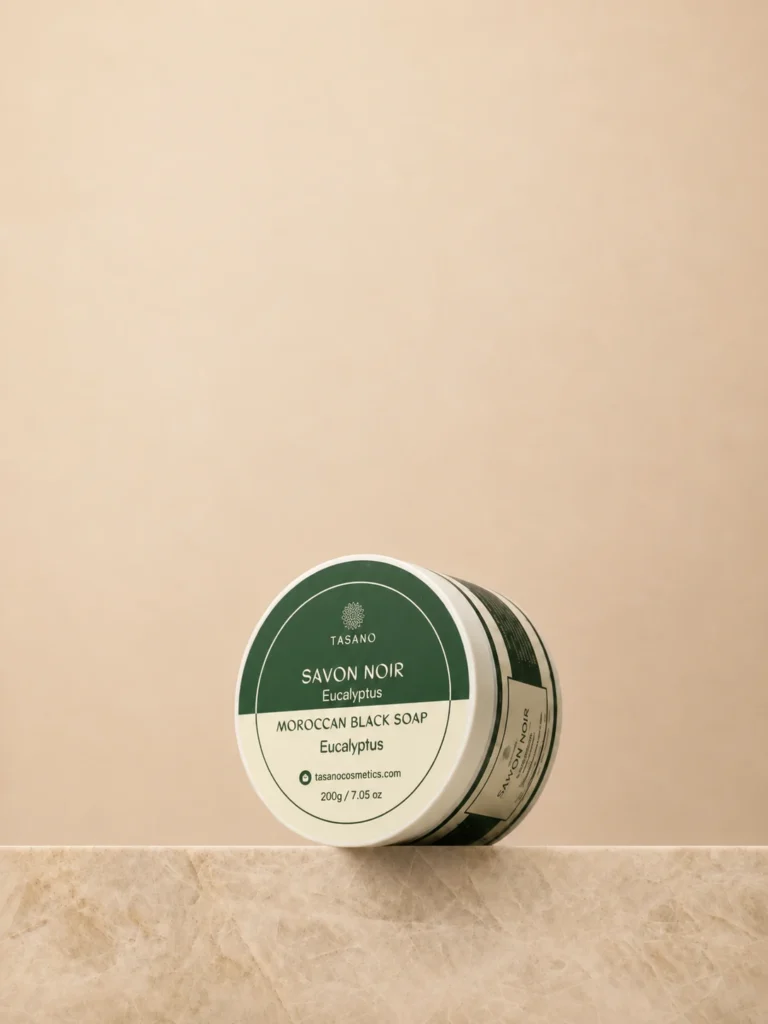
TASANO’s Moroccan black soap is designed for the ritual it belongs to: softening the skin, preparing it for exfoliation, and turning body care into a more effective, more refined experience. If your goal is smoother, cleaner, more polished skin through authentic Moroccan ritual care, Moroccan black soap is the right choice.
To choose products by skin type, read Best Moroccan Skincare Products for Dry, Oily & Combination Skin (Complete Guide).
Recommended products
FAQ
Is Moroccan black soap the same as African black soap?
No. Moroccan black soap and African black soap are different products with different origins, ingredients, textures, and uses. Moroccan black soap is an olive-based paste used in the hammam, while African black soap is a plant-ash cleanser from West Africa.
Which is better for acne: Moroccan black soap vs African black soap?
African black soap is generally the better fit for acne-focused cleansing because it is commonly used as a cleanser for oily or acne-prone skin. Moroccan black soap is more suited to body exfoliation prep in a hammam routine.
Which is better for a hammam ritual?
Moroccan black soap is better for a hammam ritual because it is specifically designed to soften the skin before exfoliation.
Is African black soap too harsh for sensitive skin?
It can be for some people. Medical and dermatology sources note that African black soap may cause dryness or irritation if overused, especially on dry or sensitive skin.
Does Moroccan black soap exfoliate the skin?
Not by itself. Moroccan black soap prepares the skin for exfoliation, but the exfoliation usually happens with a kessa glove afterward.
Can African black soap help with oily skin?
Yes. African black soap is often used for oily skin because of its deep-cleansing and antibacterial properties.
Can I use Moroccan black soap every day?
Moroccan black soap is usually used as part of a ritual treatment rather than as a daily cleanser. Its best role is weekly or occasional body prep before exfoliation.
Why are both called black soap if they are different?
They share the broad “black soap” label because of appearance and traditional naming, but they come from different regions and are made for different skincare functions.
Conclusion
Moroccan black soap vs African black soap is not a matter of which tradition is better. It is a matter of which soap fits the result you want.
Choose Moroccan black soap if your goal is ritual exfoliation, smoother body texture, and authentic hammam care. Choose African black soap if your goal is stronger cleansing, especially for oily or acne-prone skin.
Used correctly, both are excellent. Confused with each other, neither performs the way it should.
Recommended products
-
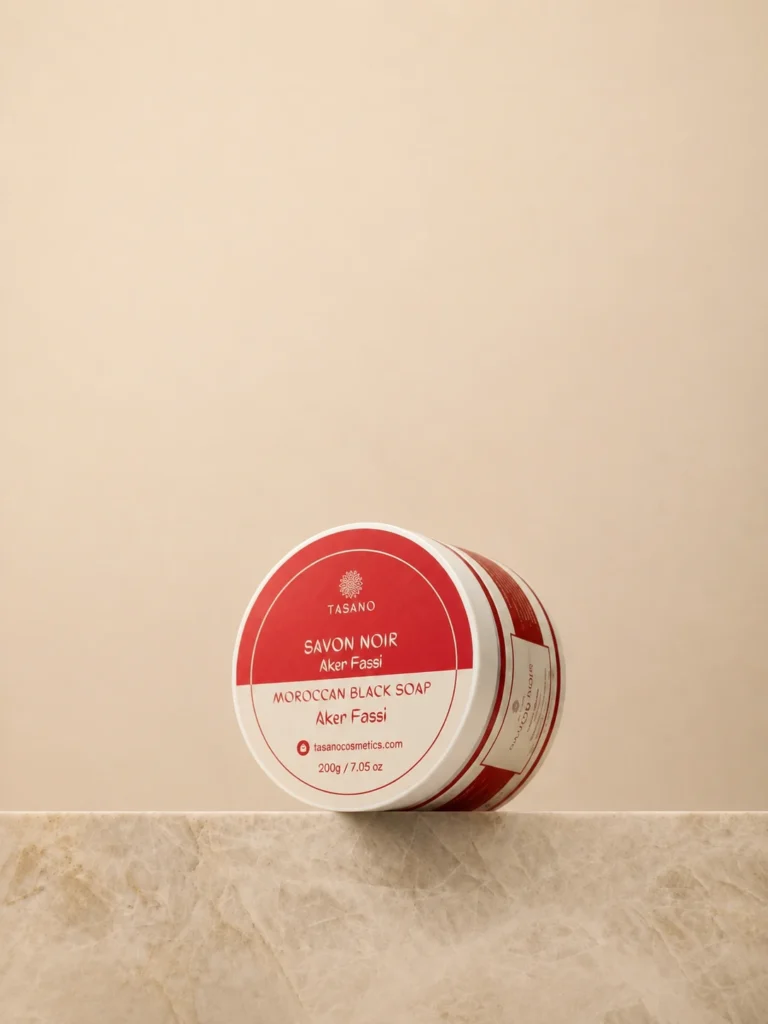
Moroccan Black Soap with Aker Fassi – Revitalizing
$ 6.00 -
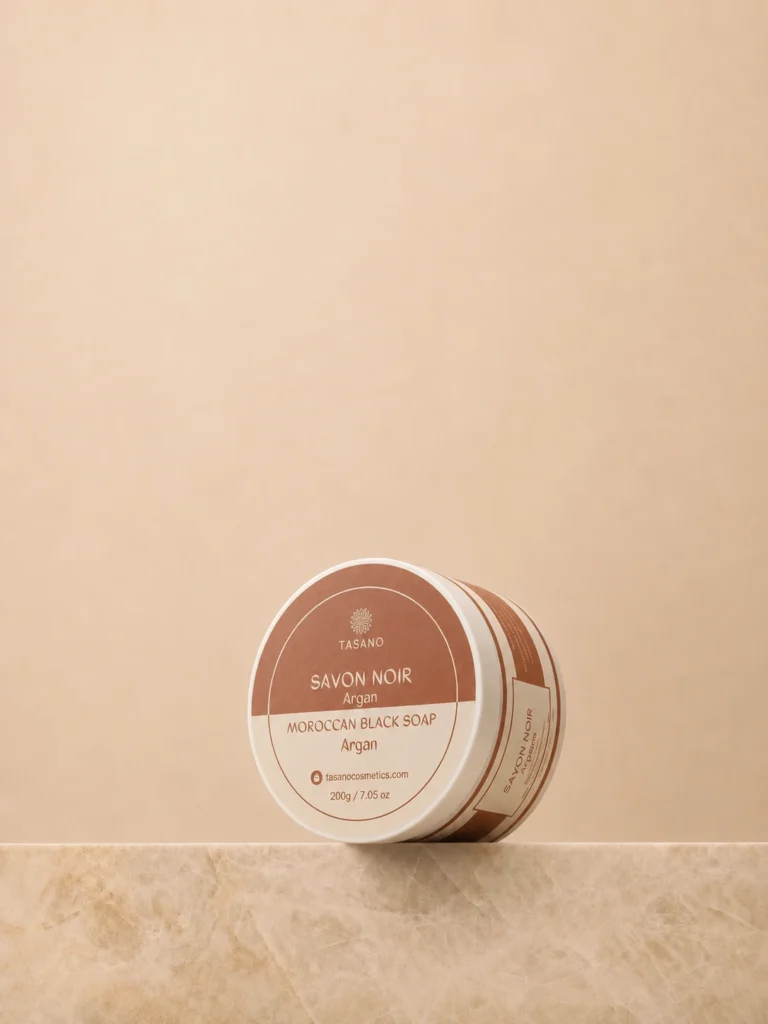
Argan Moroccan Black Soap – Nourishing
$ 7.00 -
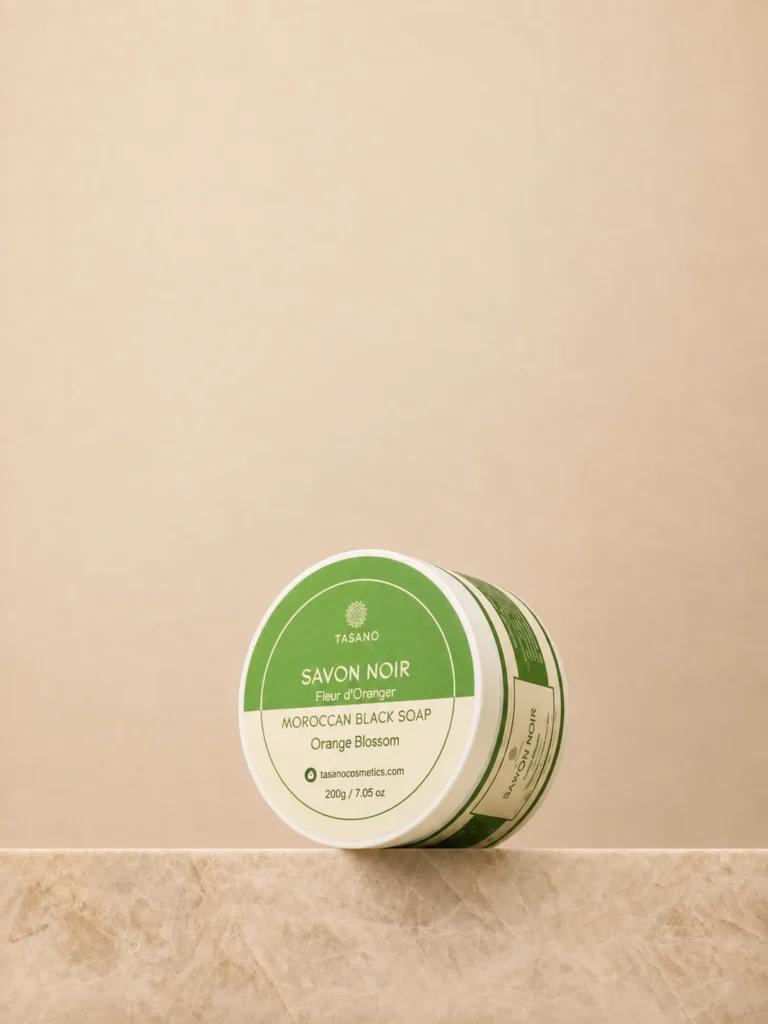
Moroccan Black Soap with Orange Blossom – Illuminating
$ 7.00 -
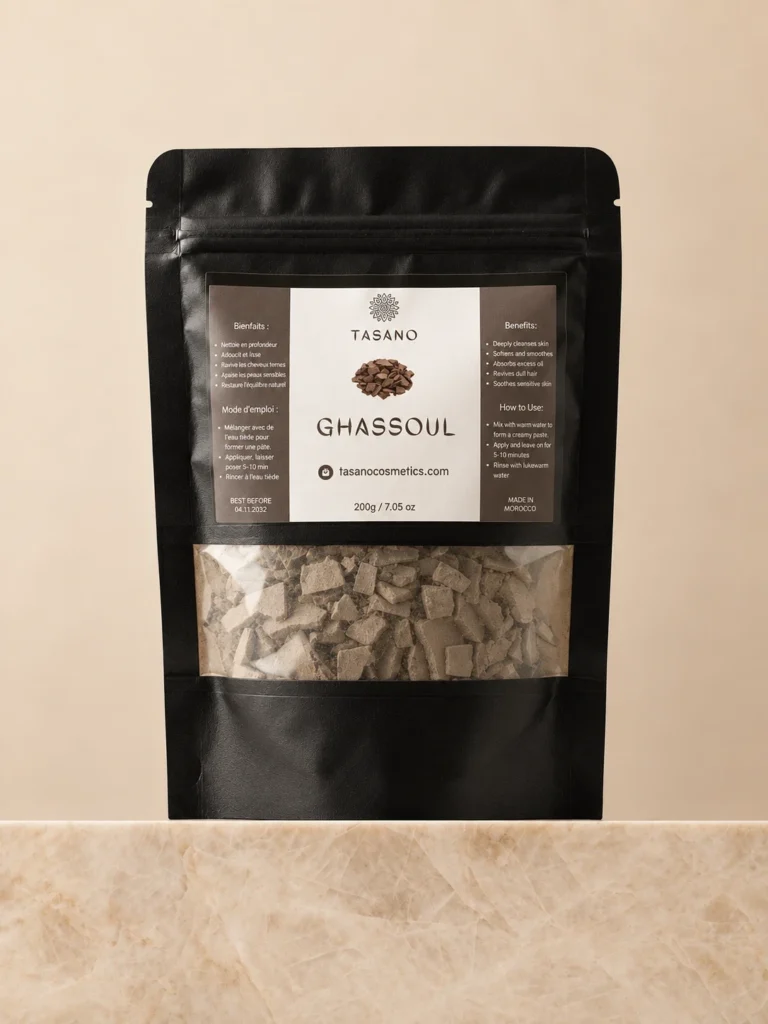
Moroccan Rhassoul (Ghassoul) – Purifying Hair & Skin Clay
Price range: $ 5.00 through $ 13.00
Enjoyed this guide? Keep TASANO easier to find when you search for Moroccan beauty advice.
