

Nila Powder for Dark Spots: How to Use It for Hyperpigmentation & Even Skin Tone
ByTASANO
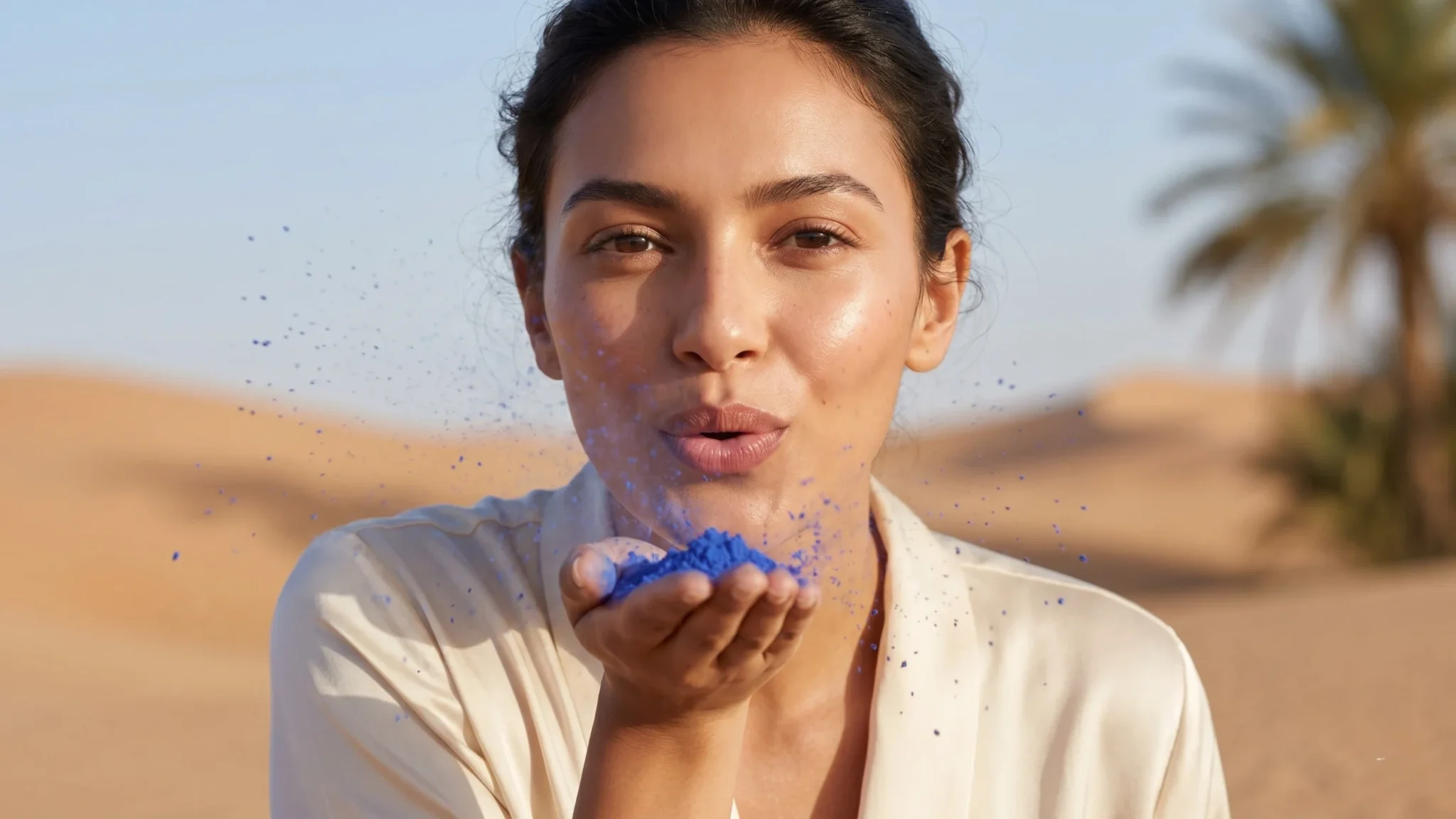
Nila powder for dark spots has become one of the most searched Moroccan beauty topics for a simple reason: people want a gentler way to improve hyperpigmentation, brighten dull skin, and make uneven tone look more balanced without jumping straight into harsh treatments. For many people, especially those dealing with post-acne marks or lingering discoloration, that need is very real. Hyperpigmentation is common, often stubborn, and can last longer in darker skin tones, which makes careful routine choices especially important.
In Moroccan beauty rituals, Nila powder is traditionally used to help the skin look brighter, smoother, and more even-toned. It is most often used as a wash-off treatment rather than a daily leave-on product, which is why it appeals to people looking for a weekly brightening step that feels simple and easy to maintain.
This guide explains what Nila powder is, how to use Nila powder for dark spots safely, what results to expect, how often to use it, and how to choose authentic Moroccan Nila powder.
For the full Moroccan product system, read Moroccan Beauty Products: The Complete Guide to Glowing, Clear, and Youthful Skin.
Table of Contents
What Is Nila Powder? (Quick Answer)
Nila powder is a traditional Moroccan blue mineral powder used in beauty rituals to help brighten the appearance of the skin, improve the look of uneven tone, and soften rough texture. It is most commonly used in masks designed for dullness, patchy skin tone, and dark spots.
What Is Moroccan Nila Powder and Why It Matters
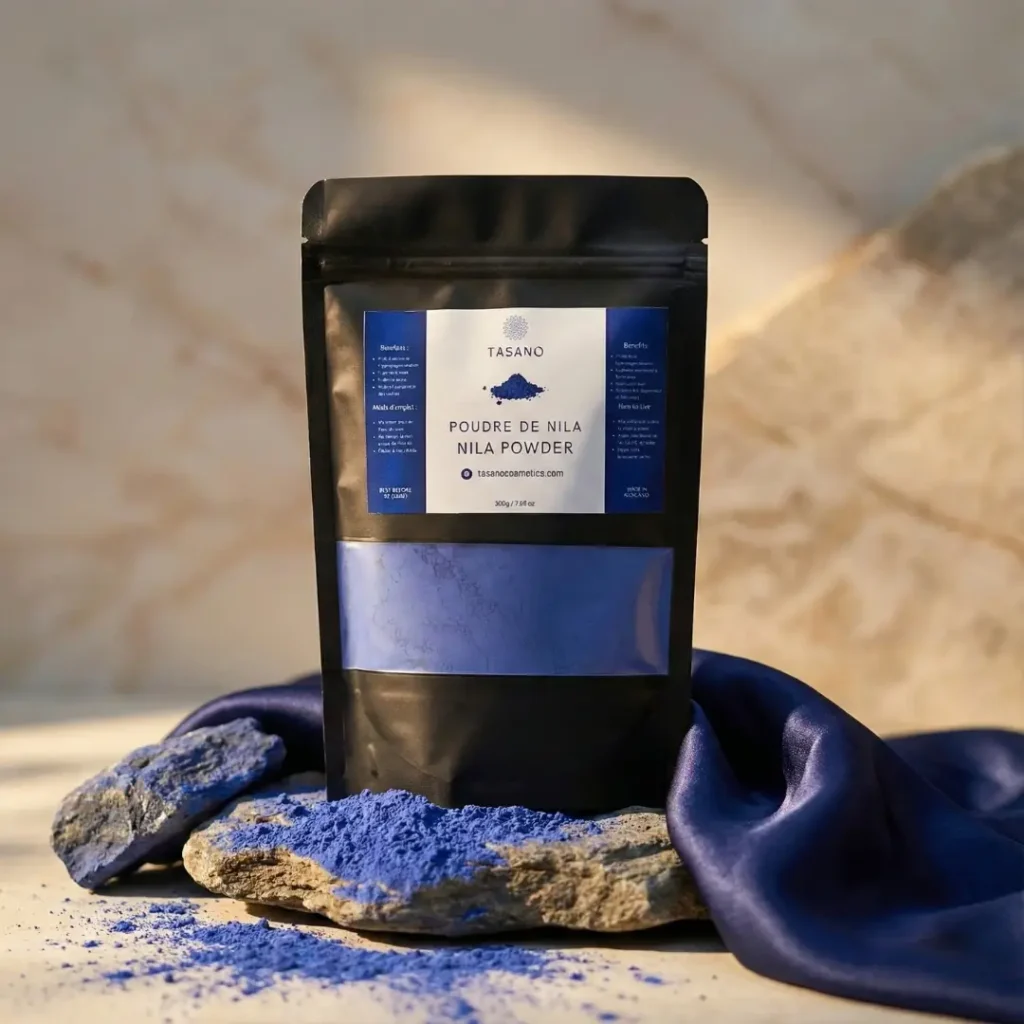
Moroccan Nila powder is usually described as a soft blue or slate-toned mineral powder associated with Saharan and southern Moroccan beauty traditions. It is valued for the way it fits into brightening rituals aimed at helping skin look fresher, more even, and more refined. Authentic Nila is also visually distinct: it should not look artificially neon or resemble dyed powder.
That authenticity matters because people searching for Nila powder for hyperpigmentation are not just looking for an ingredient name. They are looking for a product they can trust.
Is Nila Powder Good for Dark Spots?
Nila powder is widely used in Moroccan beauty for dark spots, dullness, and uneven-looking skin tone. It is best understood as a cosmetic brightening treatment that may help improve the appearance of discoloration over time when used consistently and gently. At the same time, hyperpigmentation has multiple causes, including acne, inflammation, hormones, and sun exposure, and medical guidance consistently emphasizes that sunscreen and trigger management remain essential parts of treating it.
That makes Nila powder most useful when it is positioned correctly: not as a miracle cure, but as a supportive brightening step in a more complete pigmentation routine.
For more ingredient options, see Best Moroccan Beauty Products for Dark Spots & Hyperpigmentation.
7 Nila Powder Benefits for Dark Spots and Uneven Skin Tone
1. Helps improve the appearance of dark spots
The main reason people search for Nila powder for dark spots is simple: it is traditionally used to help reduce the visible contrast of post-acne marks, pigmentation patches, and areas of uneven tone. Moroccan beauty guides consistently position it around this exact goal.
2. Supports a more even-looking skin tone
One of the most attractive Nila powder benefits is how well it aligns with “even skin tone” search intent. Rather than promising dramatic change, it is better suited to helping the complexion look more balanced, less patchy, and more uniform over time.
3. Brightens dull-looking skin
Nila powder is also used for skin that looks flat, tired, or lacking freshness. When dullness and dark spots appear together, a brightening treatment that improves the overall look of the complexion can make the skin appear clearer and more vibrant.
4. Helps soften rough texture
Nila is not only used on the face. It is also applied to rough body areas such as elbows, knees, and underarms to help skin feel smoother and look more refined. That makes it useful for readers looking for both facial and body brightening rituals.
5. Fits easily into a weekly skincare routine
Another reason Nila powder benefits appeal to so many readers is practicality. It does not require a complicated routine. Most guides position it as a once- or twice-weekly wash-off treatment, which makes it easy to maintain without overwhelming the skin.
6. Pairs naturally with other Moroccan skincare ingredients
Nila powder is commonly mixed with rose water, yogurt, or clay-based masks, which makes it easy to build into a broader Moroccan beauty routine. That versatility is part of what makes it commercially strong as a skincare ingredient.
7. Appeals to people looking for a gentler brightening option
Many readers looking into hyperpigmentation want support without relying immediately on stronger actives or intensive treatments. Medical resources note that pigmentation care often requires patience and gentle consistency, especially in darker skin tones. That makes Nila powder especially appealing as a softer cosmetic step in a brightening routine.
How to Use Nila Powder for Dark Spots (Step-by-Step)
- Start with clean, dry skin
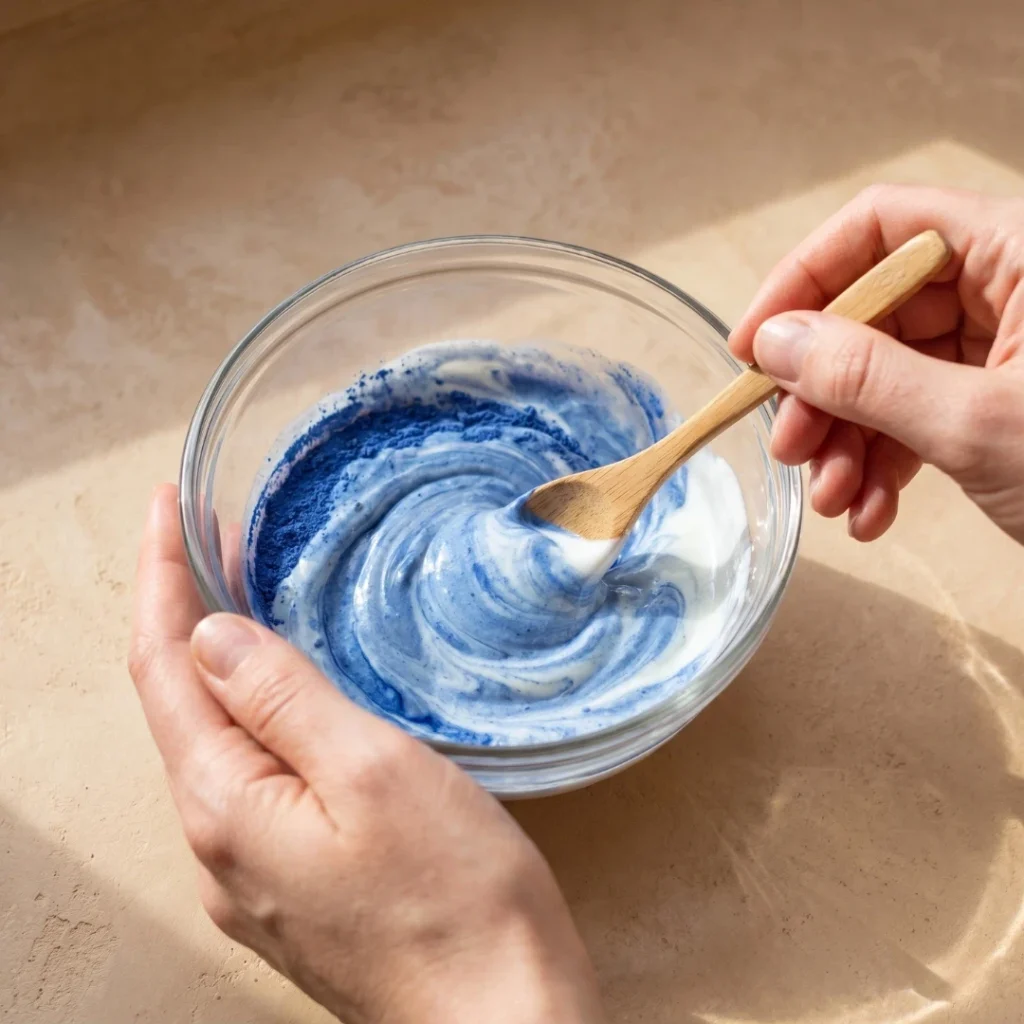
- Mix a small amount of Nila powder with rose water, yogurt, or water to create a smooth paste
- Apply a thin layer to the face or to areas affected by dark spots, avoiding the eye area
- Leave it on for about 5 to 10 minutes on the face
- Rinse gently with lukewarm water
- Follow with hydration and moisturizer or facial oil
- Use once or twice a week, not daily
Using Nila powder for hyperpigmentation correctly matters just as much as choosing a good powder. Gentle, regular use is the smarter approach. Overuse can increase the risk of irritation, and irritation can worsen the appearance of pigmentation rather than improve it. Medical guidance on hyperpigmentation consistently supports the value of gentle care and routine consistency over aggressive experimentation.
For the face:
Use a small amount mixed with a gentle base such as rose water or yogurt. Apply in a thin layer and rinse before it fully hardens or becomes uncomfortable on the skin. This keeps the treatment more comfortable and easier to tolerate.
For dark areas on the body:
Nila powder is frequently used on elbows, knees, underarms, and other areas where skin can appear darker or rougher. These areas often tolerate slightly longer application than the face, but patch testing is still the right move.
Best practice:
Always follow with hydration, and do not treat hyperpigmentation without daily sunscreen. Sun exposure can worsen dark spots and make progress much slower. Broad-spectrum sunscreen is repeatedly recommended in medical guidance as a core part of hyperpigmentation care.
If you want to prepare your skin properly before applying treatments like Nila powder, read our guide on How to Use a Kessa Glove Properly (Step-by-Step Guide) to improve skin texture and enhance results.
How Often Should You Use Nila Powder?
For most people, once or twice a week is the best starting point. That frequency is the most consistent recommendation across current Nila beauty guides and it aligns with the general principle of treating hyperpigmentation gently rather than aggressively. Using it more often is not necessarily better and may increase the chance of irritation, especially on facial skin.
To use brightening ingredients properly, follow Moroccan Skincare Routine: Daily & Weekly Routine for Glowing Skin.
Which Skin Concerns Benefit Most From Nila Powder?
1. Hyperpigmentation and post-acne marks
This is the clearest fit. If the goal is to improve the appearance of leftover marks after breakouts or irritation, Nila powder for dark spots is one of the strongest Moroccan beauty ingredients to include in a routine.
2. Uneven skin tone
Many readers searching for brightening are not looking for harsh correction. They want skin that looks more even, smoother, and more balanced. Nila powder fits that intent very well.
3. Dull skin
When the complexion looks tired or lacks radiance, brightening the overall appearance of the skin can make dark areas look less noticeable. This is one of the reasons Nila powder remains attractive even beyond strict hyperpigmentation searches.
4. Rough body areas
Rough-textured areas such as knees, elbows, and underarms are commonly mentioned in Nila routines. This broadens the ingredient’s usefulness and makes it relevant beyond facial skincare alone.
What Results to Expect
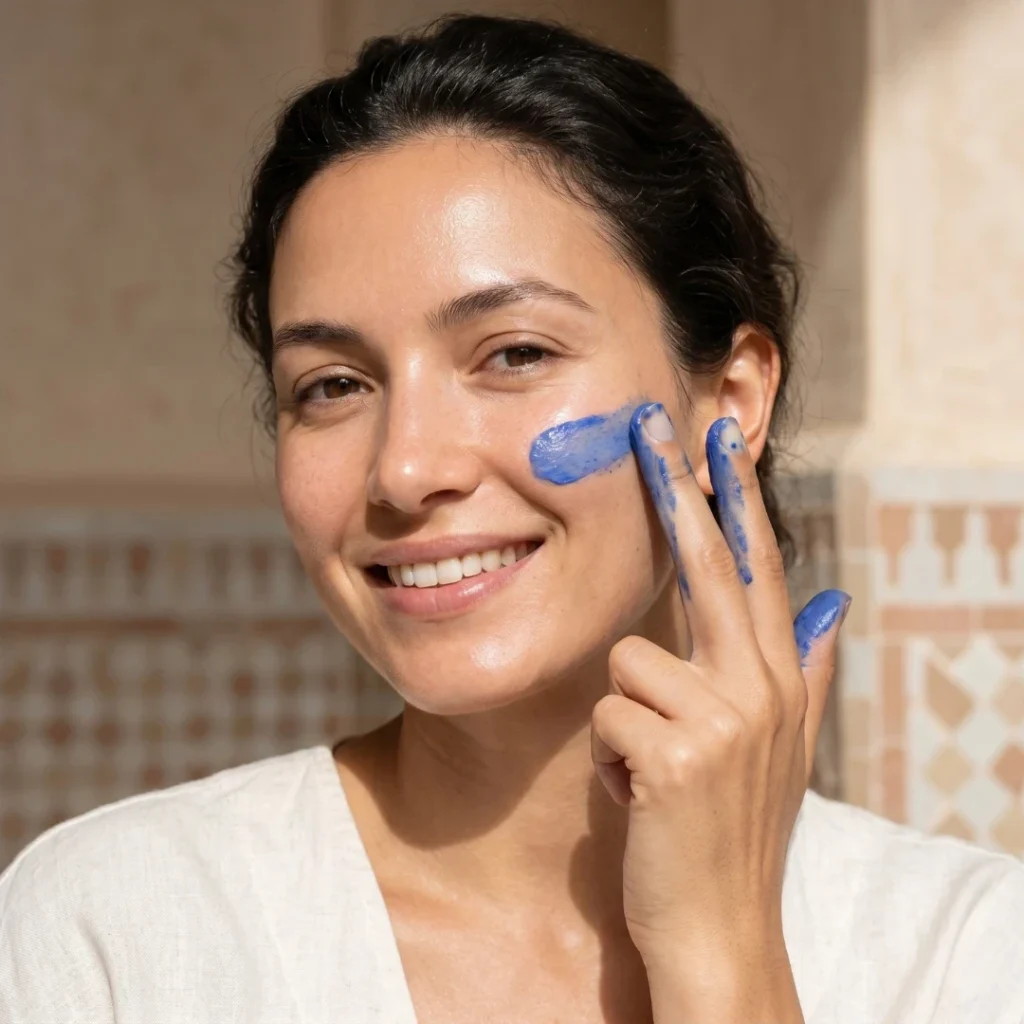
After the first few uses
The earliest visible result is usually brighter-looking skin and a smoother feel. Most people do not see dramatic fading of dark spots immediately.
After a few weeks
With consistent use, some users may notice the appearance of uneven tone becoming less obvious and dull areas looking more balanced. Medical guidance on hyperpigmentation makes it clear that improvement usually takes time, particularly in darker skin tones.
Over time
Nila powder works best as part of a broader brightening routine that includes moisturization, gentle care, and daily sun protection. If dark spots are severe, worsening, or linked to active acne or irritation, dermatologist-guided care may be more appropriate.
Traditional treatments like Nila often connect with rituals explained in The Complete Moroccan Hammam Ritual at Home.
Is Nila Powder Safe for All Skin Types?
Nila powder may suit many skin types, but patch testing is still the best practice, especially for facial use and reactive skin. Hyperpigmentation is often triggered or worsened by inflammation, so avoiding irritation is part of treating it well. That makes a cautious, skin-respecting approach far more useful than overpromising “safe for everyone” language.
How to Choose Authentic Nila Powder
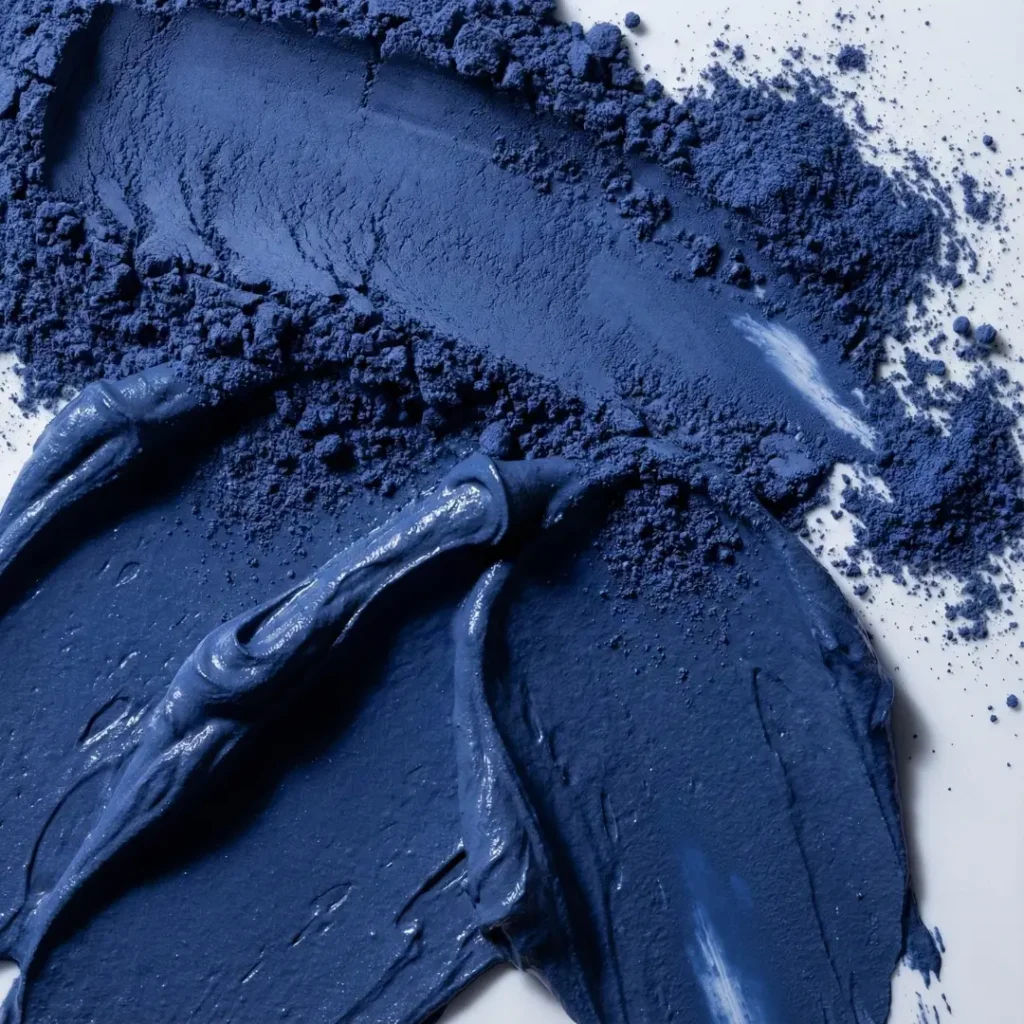
Authentic Moroccan Nila powder can vary in shade depending on its origin and processing. While it is often described as soft blue or gray-blue, high-quality Nila can also appear as a deeper, richer indigo-blue.
What matters more than the exact shade is the overall quality and feel of the powder:
- a fine, smooth texture (not coarse or grainy)
- a natural mineral appearance (not artificially shiny or dyed-looking)
- a subtle earthy scent rather than strong perfume
- consistency in color without unnatural streaks
Extremely bright or neon-like blue powders may still raise concerns, but a deeper, more saturated blue tone can also be authentic when the texture and overall quality are right.
If you want to compare tone-evening treatments with a more nourishing facial oil, read Prickly Pear Seed Oil Benefits: The Ultimate Anti-Aging Oil for Skin.
What Science and Skin Experts Say About Hyperpigmentation
Hyperpigmentation occurs when excess melanin causes certain areas of the skin to appear darker than the surrounding skin. According to Healthline, common triggers include acne, inflammation, sun exposure, hormonal changes, and skin injury, all of which can lead to uneven skin tone and persistent dark spots. It is also widely noted that hyperpigmentation can last longer and appear more pronounced in darker skin tones, which makes gentle, consistent care especially important.
Medical guidance consistently emphasizes that daily sun protection plays a critical role in preventing existing dark spots from becoming darker and in supporting any brightening routine. Dermatology-based resources such as Medical News Today highlight that without proper sun protection, even the most effective treatments can deliver limited results, as UV exposure continues to stimulate melanin production.
Research-backed information available through PubMed also confirms that hyperpigmentation is a complex skin concern that often requires a combination of approaches, including protective measures, consistency, and supportive skincare steps. In this context, Nila powder is best positioned as a complementary cosmetic treatment that helps improve the appearance of uneven tone and dullness, rather than a standalone solution for deeper or more persistent pigmentation concerns.
Discover Authentic Moroccan Nila Powder With TASANO
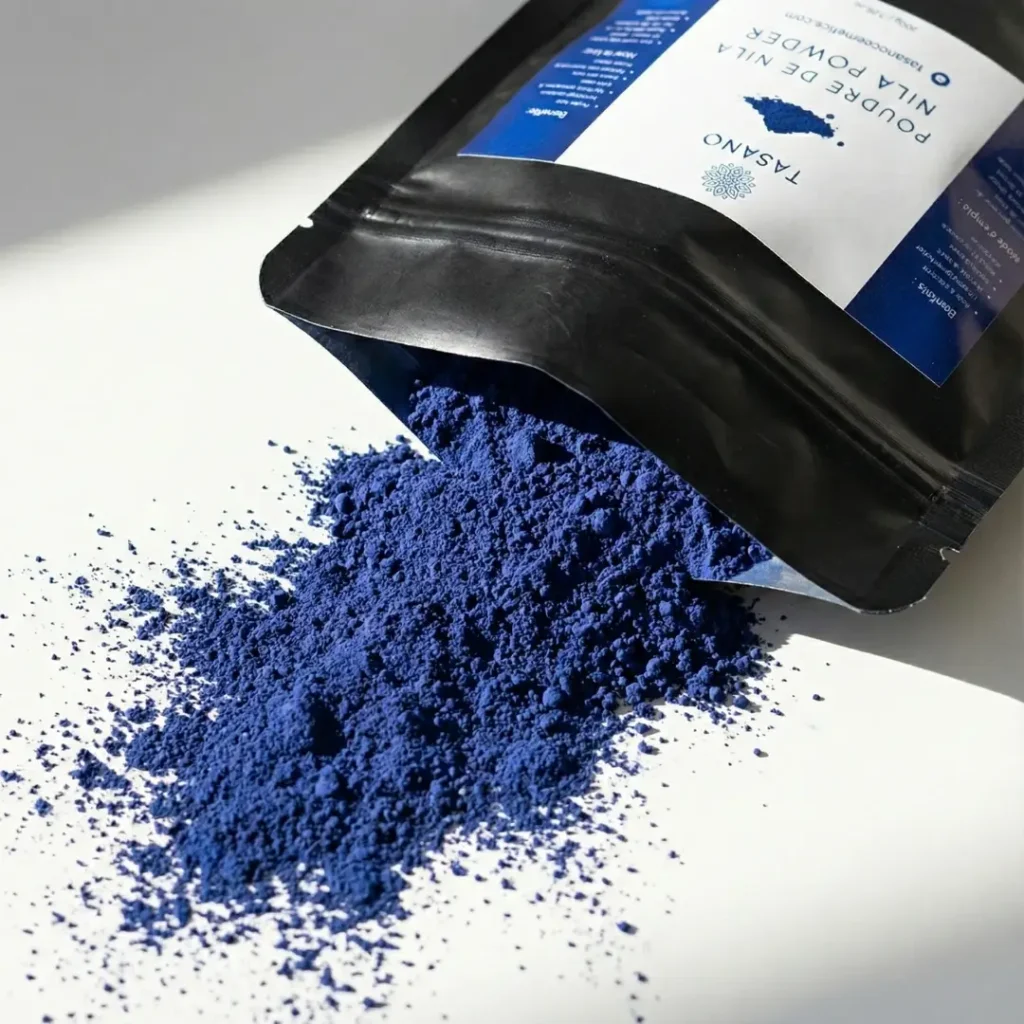
When it comes to Nila powder for dark spots, authenticity changes everything.
A low-quality powder can look artificial, feel wrong on the skin, and make the whole routine feel unreliable. A high-quality Moroccan Nila powder, on the other hand, belongs in a ritual designed to help skin look brighter, smoother, and more even over time.
TASANO’s Moroccan Nila powder is made for people who want a traditional brightening treatment with the confidence of premium sourcing and quality. If your goal is to support a more even-looking complexion while building a routine around authentic Moroccan beauty products, Nila powder is one of the most distinctive ingredients to start with.
To avoid fake or weak powders and oils, read How to Choose Authentic Moroccan Beauty Products (Avoid Fake Argan, Nila & Oils).
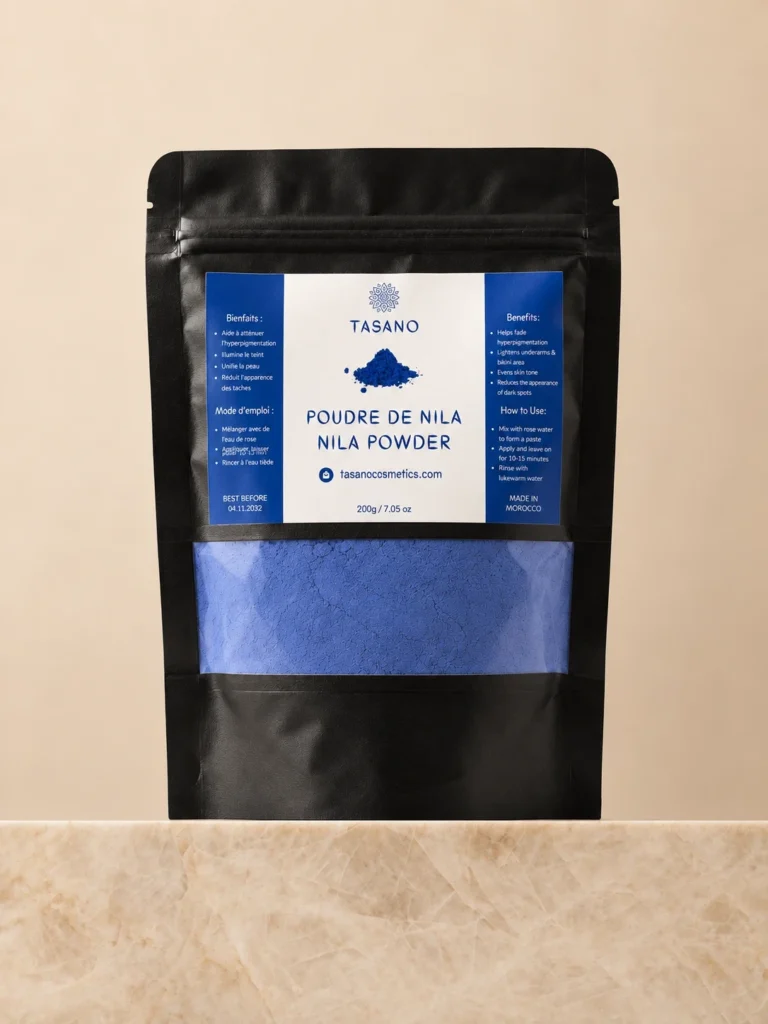
Moroccan Nila Powder – Dark Spots & Even Tone Care
Traditional Moroccan Nila Powder for dark spots, visible hyperpigmentation and uneven-looking skin tone.
- Helps dark spots look less noticeable
- Supports a more even-looking complexion
- Revives dull, tired-looking skin
- Mixes fresh into a concentrated Nila face mask
FAQ
What is Nila powder used for?
Nila powder is commonly used to help brighten the appearance of the skin, improve uneven tone, soften rough areas, and support the look of reduced dark spots and hyperpigmentation.
Does Nila powder help with dark spots?
It is widely used in Moroccan beauty for dark spots and uneven tone. It is best seen as a supportive brightening treatment that may help improve the appearance of discoloration over time.
How do you use Nila powder for hyperpigmentation?
Mix a small amount with rose water, yogurt, or water to create a paste, apply briefly to clean skin, rinse gently, and follow with hydration. Most guides recommend using it once or twice a week.
Can I use Nila powder on my face?
Yes, many current Nila guides describe facial use, but patch testing is recommended first and the mask should be kept gentle and short on the skin.
How long does Nila powder take to work?
The earliest visible effect is usually brighter-looking, smoother-feeling skin. Dark spots and hyperpigmentation generally take longer to improve in appearance and require consistent use over time.
Is Nila powder safe for sensitive skin?
It may suit many skin types, but patch testing is the safest approach, especially for facial use and reactive skin.
How can you tell if Nila powder is authentic?
Authentic Moroccan Nila powder is generally fine-textured, earthy-smelling, and softly blue or slate-toned rather than neon or artificially bright.
Should I use sunscreen when treating dark spots?
Yes. Hyperpigmentation care is much less effective without daily sunscreen because UV exposure can worsen or prolong discoloration.
Conclusion
Nila powder has earned its place in Moroccan beauty because it speaks directly to one of the biggest skincare concerns people search for every day: dark spots.
Used consistently and carefully, Nila powder for dark spots can help the skin look brighter, smoother, and more even without requiring a complicated routine. For readers looking for a distinctive Moroccan brightening treatment with ritual value and strong cosmetic appeal, it remains one of the most interesting ingredients in the category.
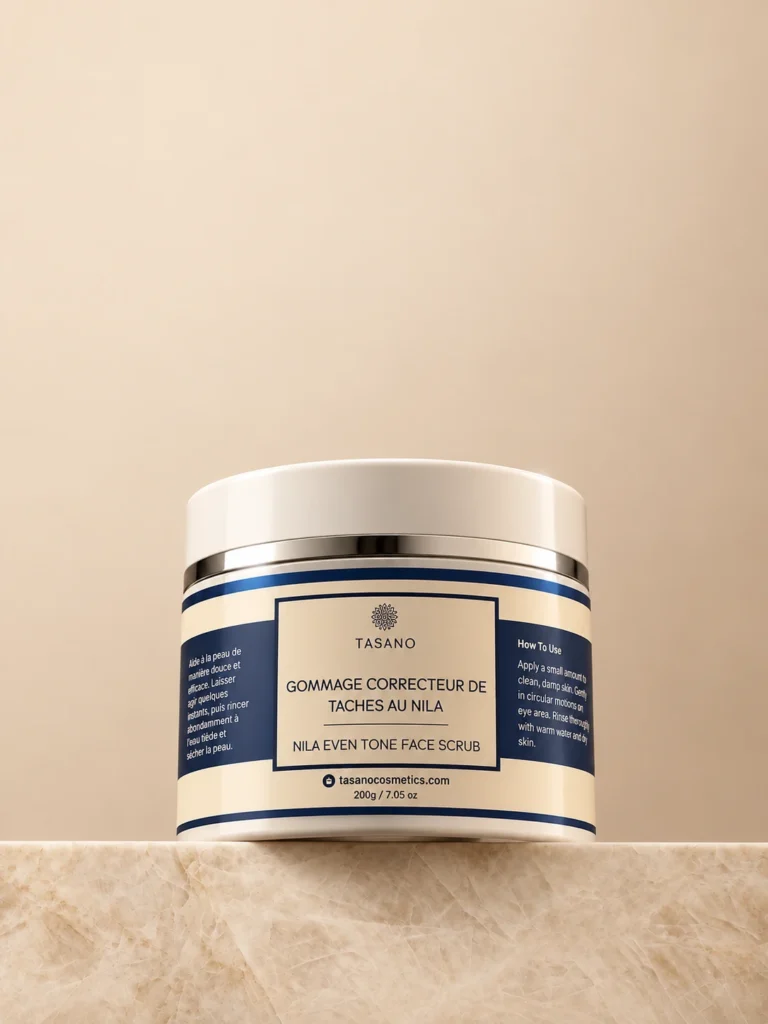
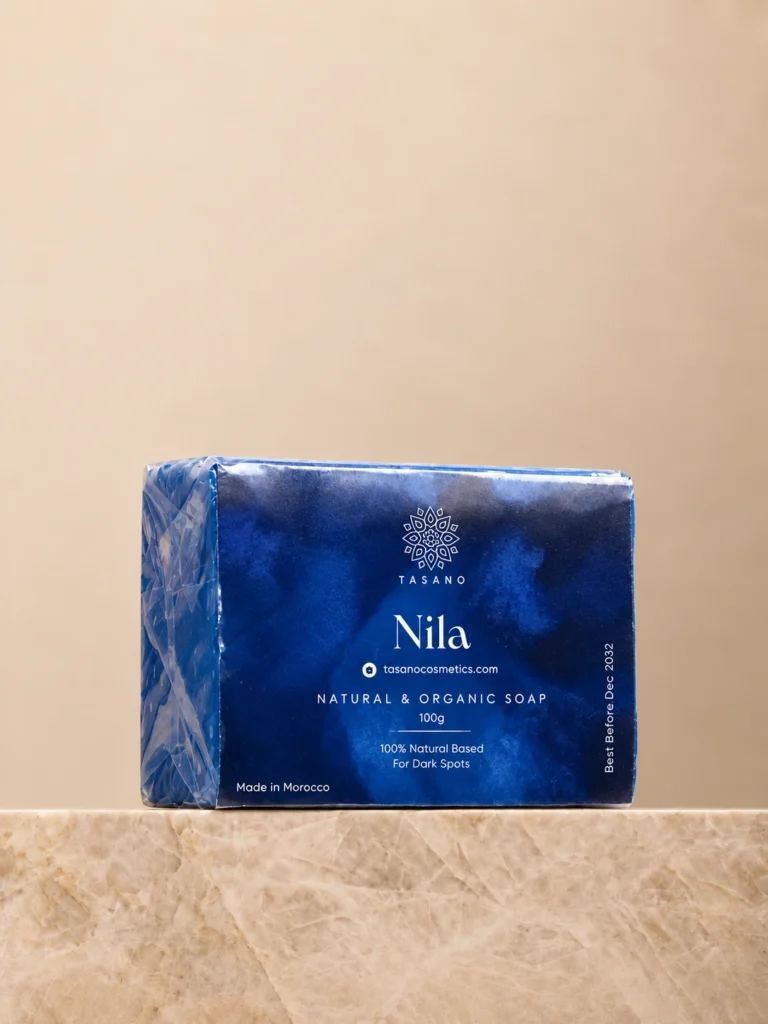
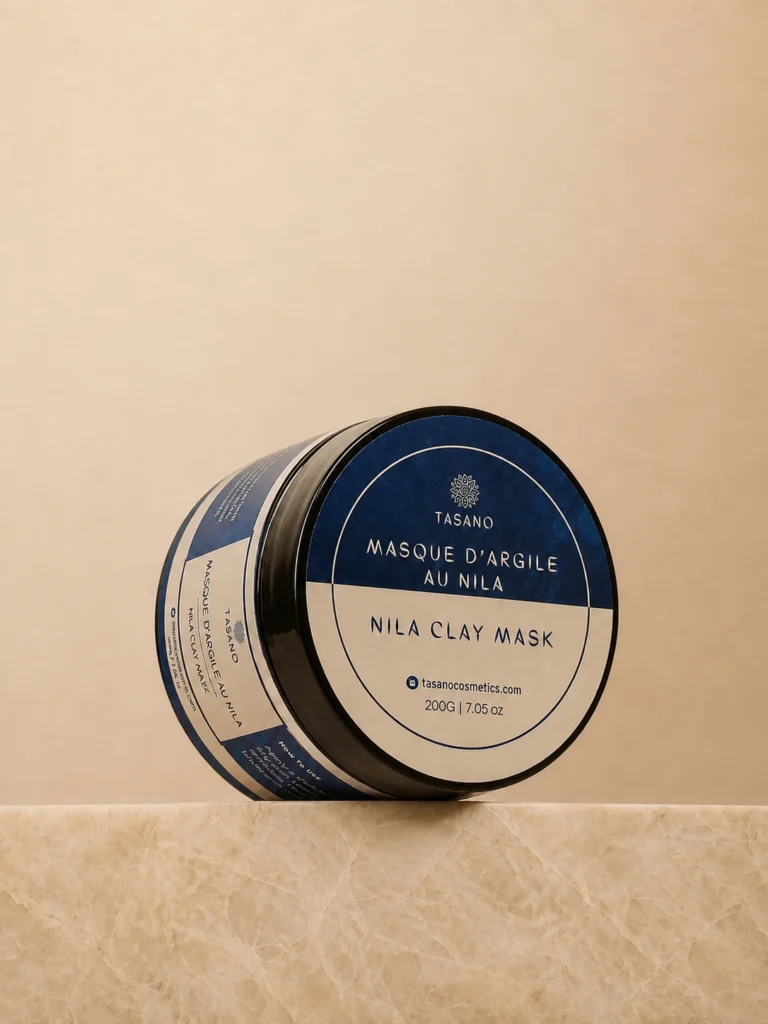
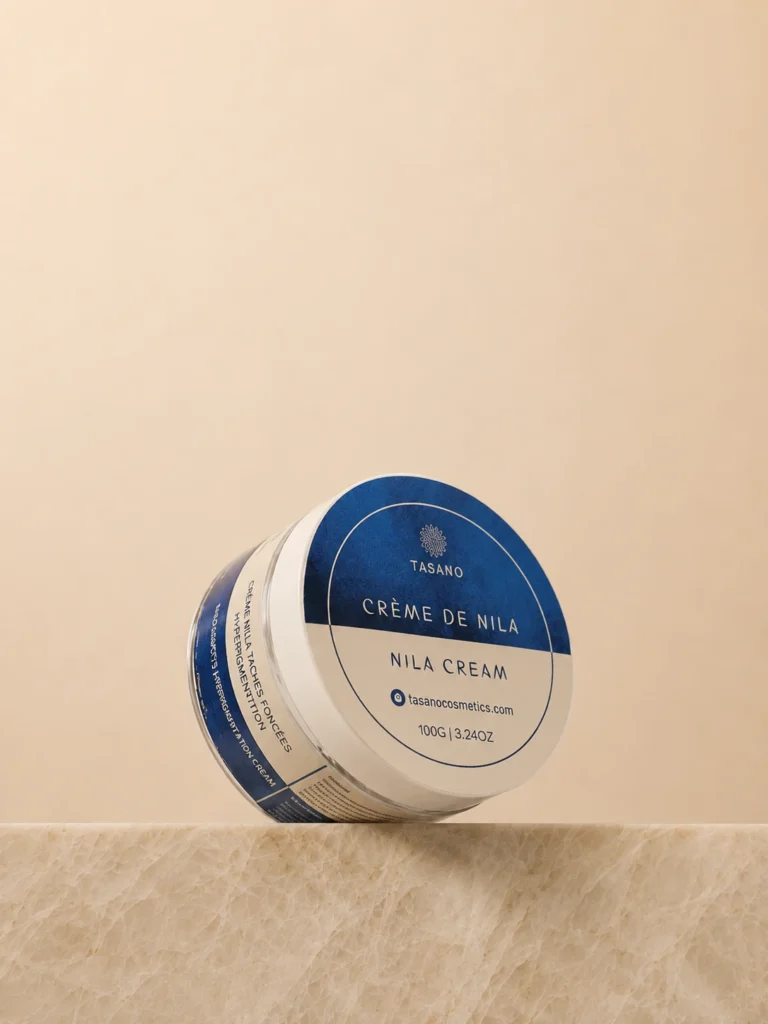
Recommended products
Enjoyed this guide? Keep TASANO easier to find when you search for Moroccan beauty advice.
