

Moroccan Skincare Routine: Daily & Weekly Routine for Glowing Skin
ByTASANO
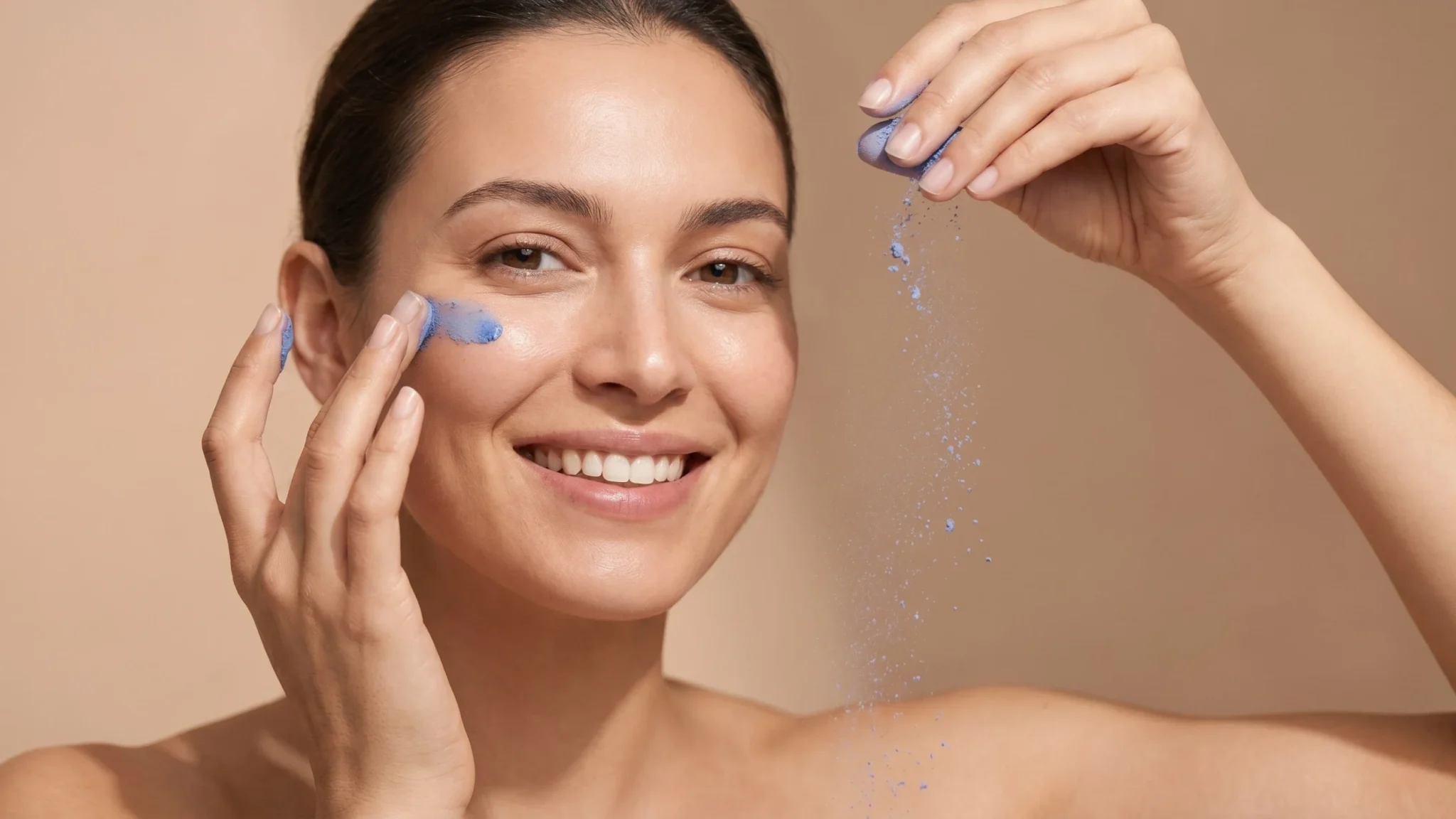
A Moroccan skincare routine is one of the simplest ways to build glowing skin without relying on an overloaded shelf of products. At its best, it combines a few effective steps: cleansing, hydration, nourishment, weekly exfoliation, and daily sun protection, into a ritual that feels both luxurious and realistic to maintain. Dermatologists consistently recommend keeping routines simple and consistent, with cleansing, moisturizing, and sunscreen as the daily foundation.
What makes Moroccan skincare especially powerful is the way traditional ingredients fit into that structure. Argan oil supports softness and skin comfort, black soap and kessa exfoliation improve body texture, rhassoul clay helps purify and rebalance, and rose water adds a refreshing hydration step. In traditional hammam-inspired care, these products are used in a sequence that prepares, refines, and nourishes the skin rather than overwhelming it.
This guide explains exactly how to build a Moroccan skincare routine for morning, evening, and weekly glow care, which products matter most, and how to adapt the routine for different skin needs.
If you want to understand the full ingredient universe behind this ritual, explore our guide to Moroccan Beauty Products: The Complete Guide to Glowing, Clear, and Youthful Skin.
Table of Contents
What Is a Moroccan Skincare Routine? (Quick Answer)
A Moroccan skincare routine is a simple daily and weekly skin ritual built around traditional ingredients such as argan oil, rose water, black soap, rhassoul clay, and hammam-style exfoliation. Daily care usually focuses on cleansing, hydration, nourishment, and sunscreen, while weekly care adds deeper cleansing, exfoliation, and masking for smoother, brighter-looking skin. Dermatology guidance also supports this general rhythm: simple daily basics with targeted extras used less often.
Why a Moroccan Skincare Routine Works
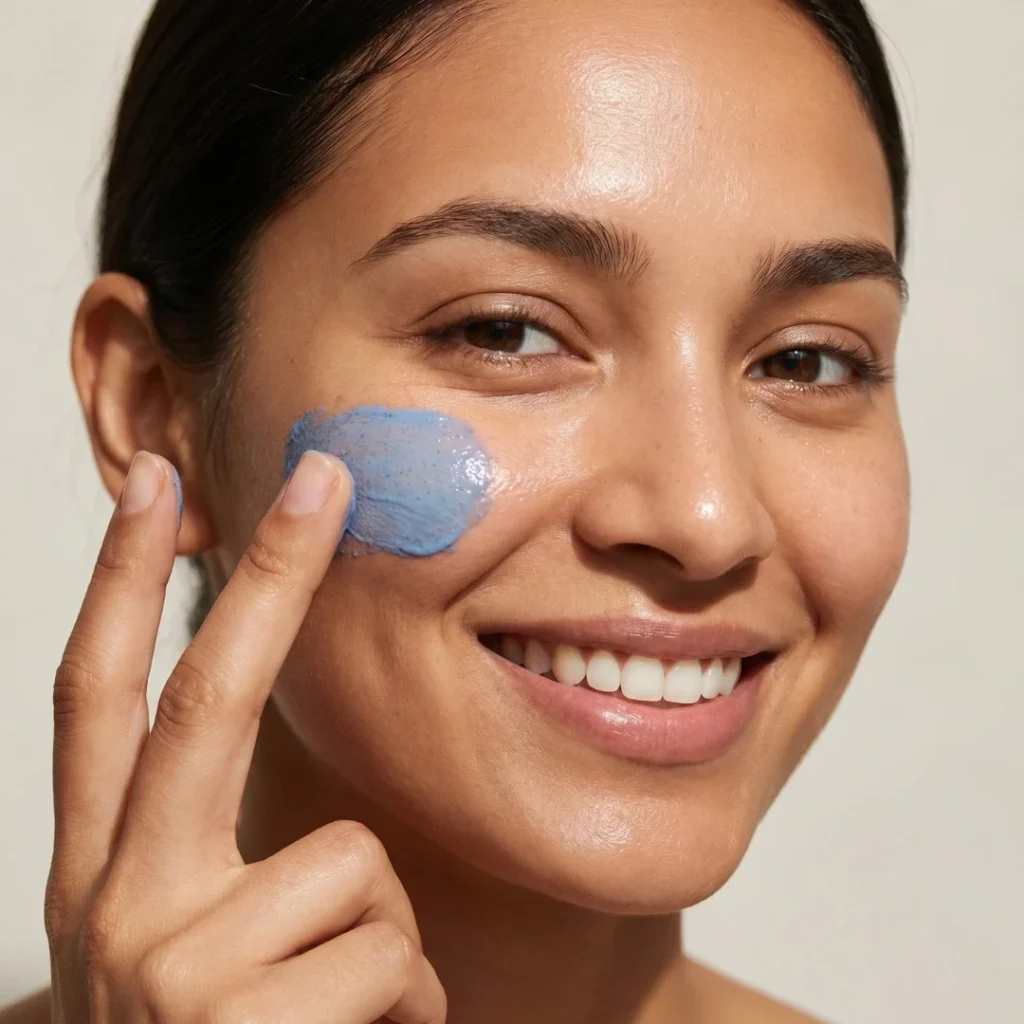
A strong skincare routine does not need to be long to be effective. Dermatologists recommend consistency over complexity, and Moroccan skincare aligns naturally with that idea by focusing on a few purposeful steps instead of endless layering. Daily cleansing, moisturizing, and broad-spectrum sunscreen remain the core foundation, while weekly treatment steps help improve texture and radiance over time.
The Moroccan approach also works because it supports the skin in different ways at different moments:
- daily steps help maintain softness, comfort, and glow
- weekly steps help refine texture and remove buildup
- ritual-based care encourages consistency because the routine feels enjoyable, not exhausting
That is exactly why a Moroccan skincare routine remains relevant in modern skincare. It gives the skin structure without making the process feel complicated.
The 7 Essential Steps in a Moroccan Skincare Routine
1. Gentle Cleansing
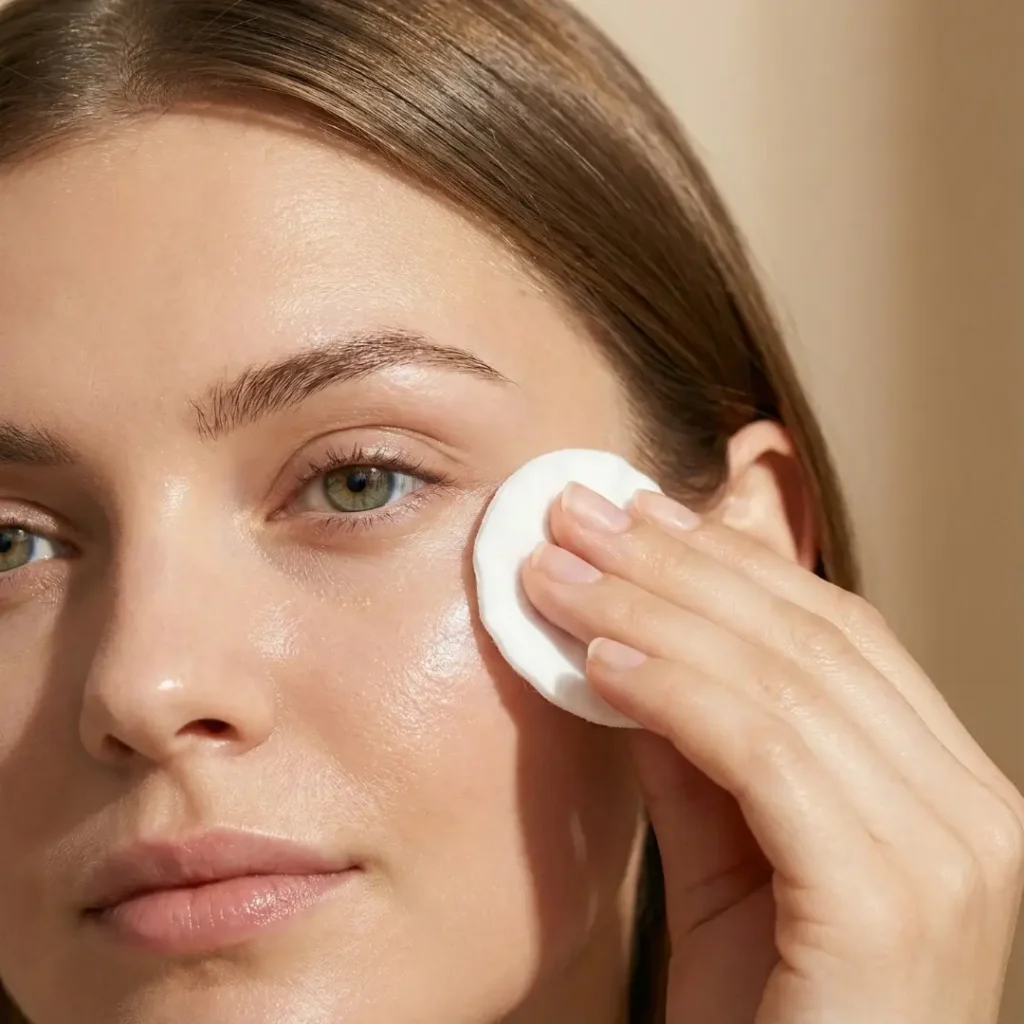
Every Moroccan skincare routine starts with cleansing. In daily care, the goal is not to strip the skin, but to remove surface buildup, sweat, sunscreen, and impurities so the next steps sit better on the skin.
For the face, use a gentle cleanser that respects the skin barrier. Dermatologists consistently emphasize that harsh cleansing can irritate the skin, especially when the routine also includes weekly exfoliation or masks.
Best for:
all skin types
Why it matters:
A clean skin surface improves the feel and performance of hydration, oils, and creams.
2. Rose Water or a Hydrating Prep Step
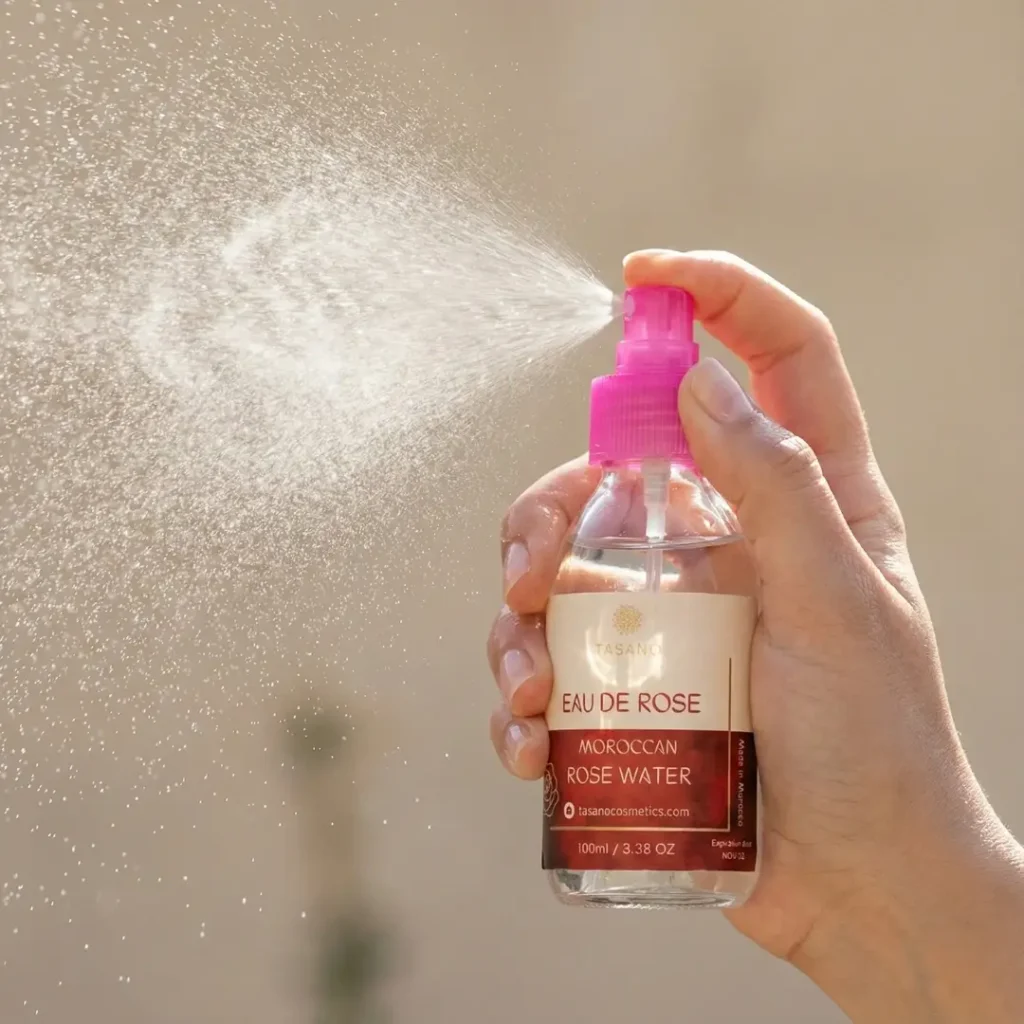
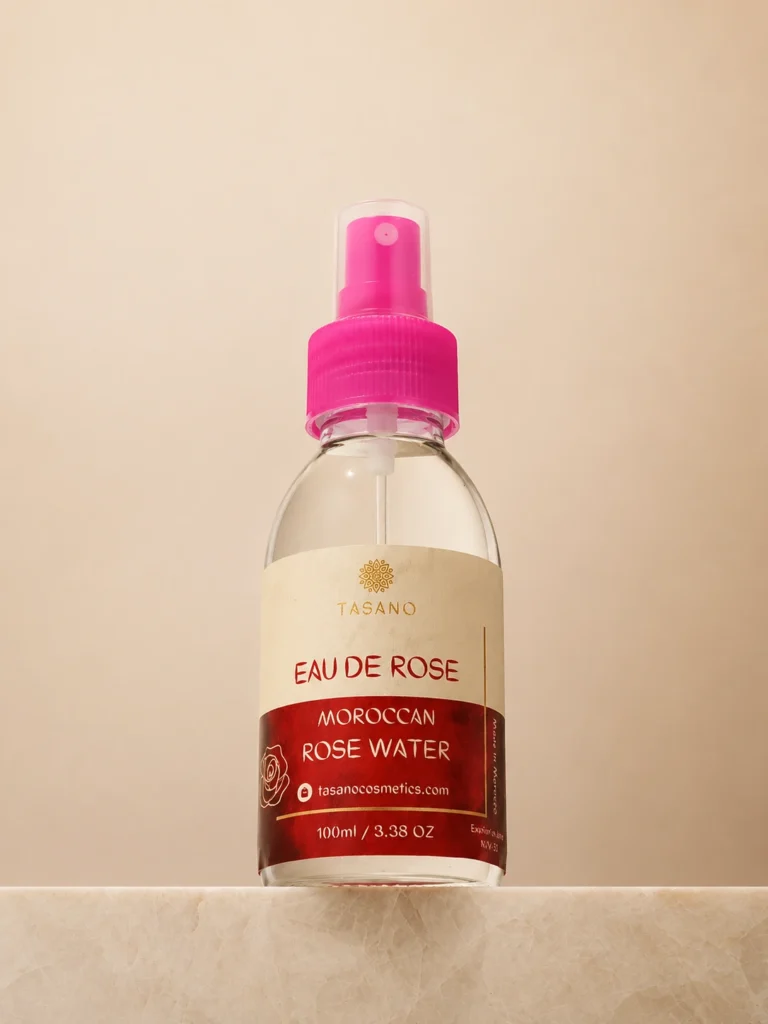
Rose water is one of the most practical additions to a Moroccan facial routine because it helps refresh the skin and prepares it for richer products such as oils or creams. In a simple routine, this step helps bridge cleansing and nourishment.
Best for:
dull skin, dehydrated skin, tired-looking skin, routine layering
Why it matters:
A hydrating prep step makes facial oils and creams feel lighter and easier to spread.
3. Nourishing Facial Oil
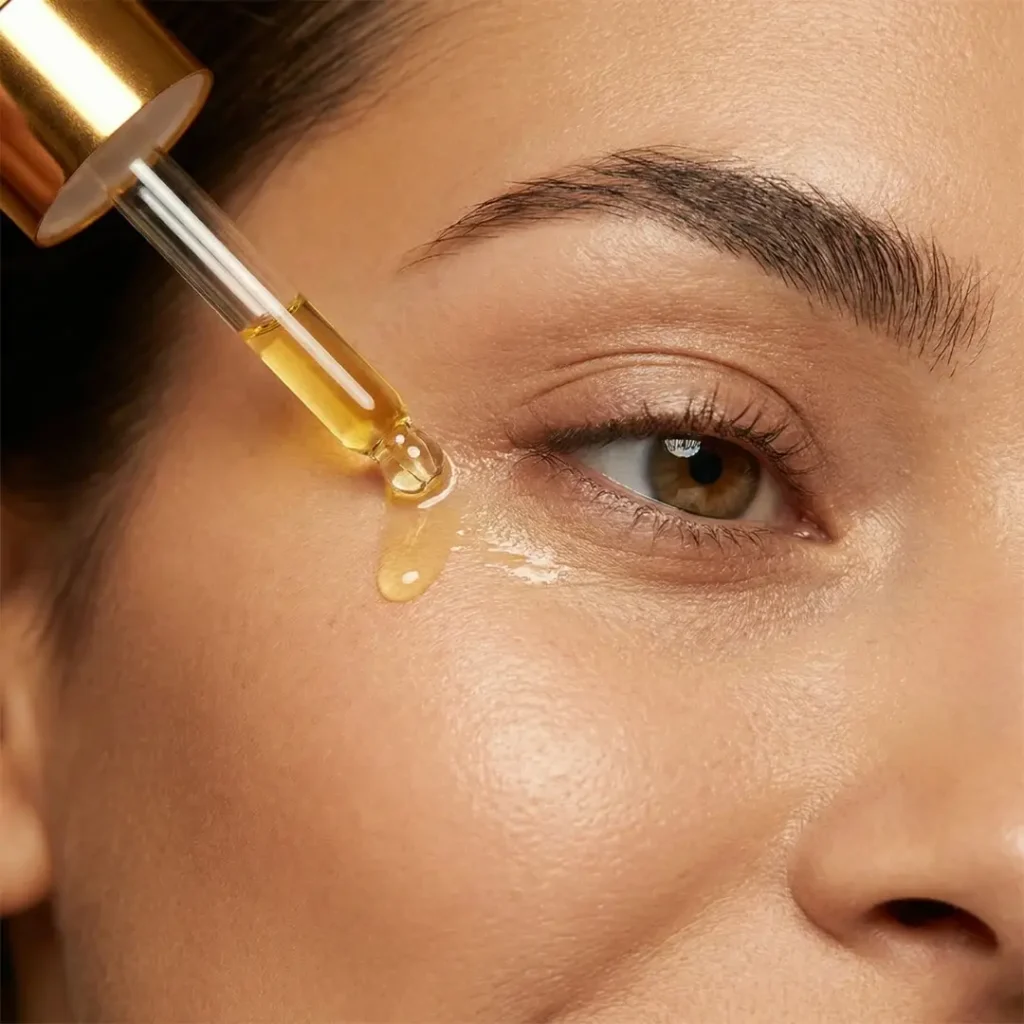
This is where Moroccan skincare becomes distinctive.
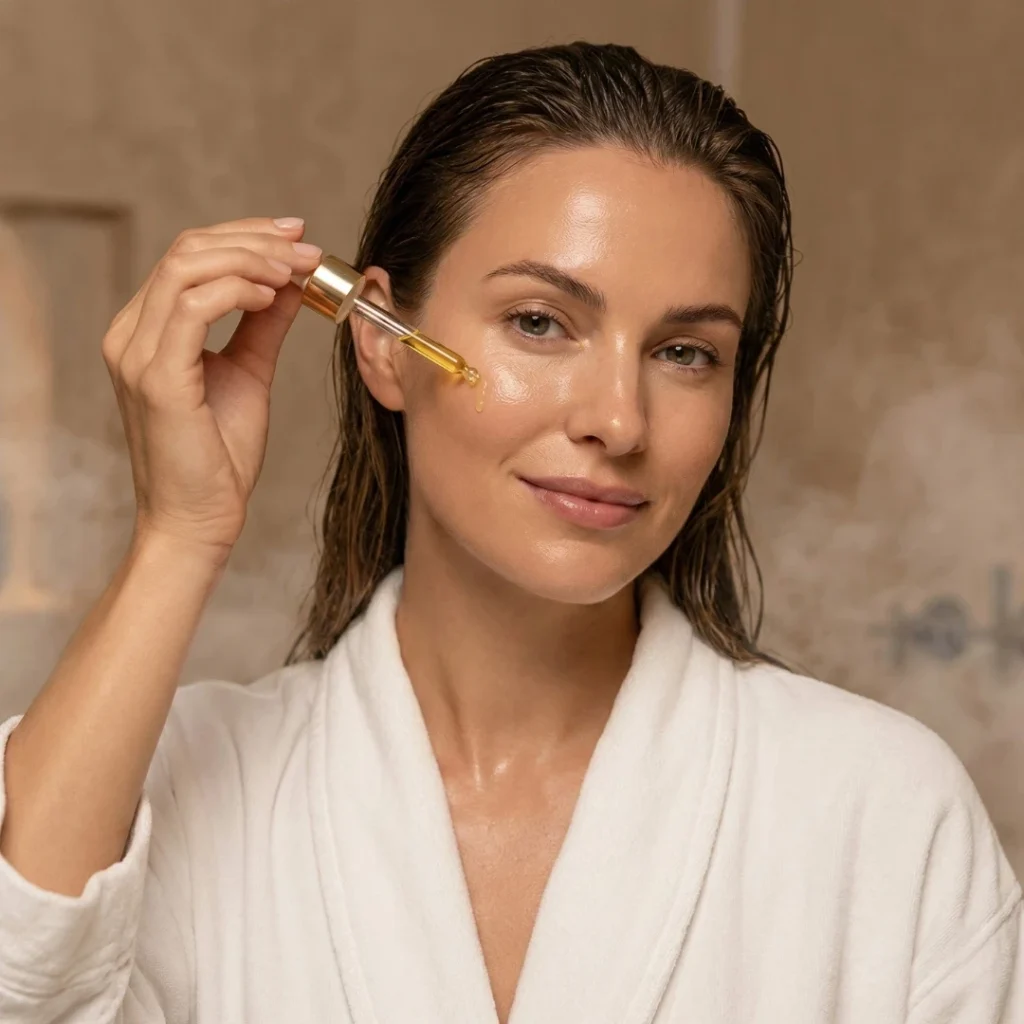
Argan oil is the classic daily support oil for softness, nourishment, and skin comfort, while prickly pear seed oil is the more premium choice for radiance, mature-looking skin, and anti-aging support. Health-oriented ingredient sources describe argan oil as rich in beneficial fatty acids and vitamin E, while prickly pear seed oil is noted for its high linoleic acid content and antioxidant-rich profile.
Best for:
dry skin, dull skin, rough texture, mature-looking skin
Why it matters:
A few drops of a good oil can help the skin look smoother, softer, and more luminous without complicating the routine.
For a full breakdown of Argan oil use, read Moroccan Argan Oil for Face: Benefits, How to Use It & Results to Expect.
For mature or dull skin, read Prickly Pear Seed Oil Benefits: The Ultimate Anti-Aging Oil for Skin.
4. Moisturizer or Cream for Skin Comfort
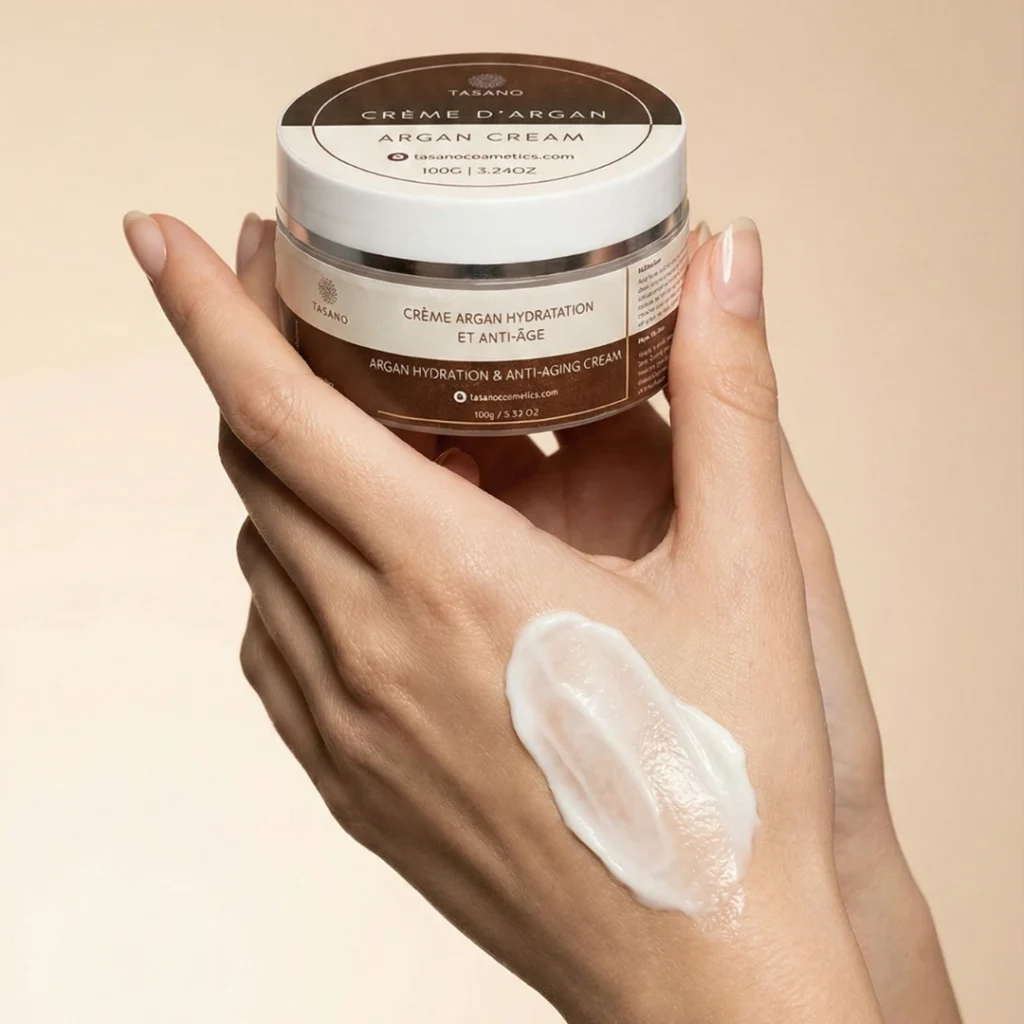
Some people can rely mainly on oils, but many routines work better with a cream or moisturizer layered after hydration or treatment steps. This is especially true for skin that feels dry, reactive, or easily dehydrated.
Dermatologists regularly recommend moisturizer as a basic daily step because it helps maintain the skin barrier and reduce dryness. In a Moroccan skincare routine, a cream can also support tone-evening or anti-aging goals depending on the formula used.
Best for:
dry skin, dehydrated skin, mature-looking skin, skin barrier support
Why it matters:
A moisturizer helps seal in comfort and makes the routine easier to sustain through changing weather, travel, or sensitivity.
5. Daily Sunscreen
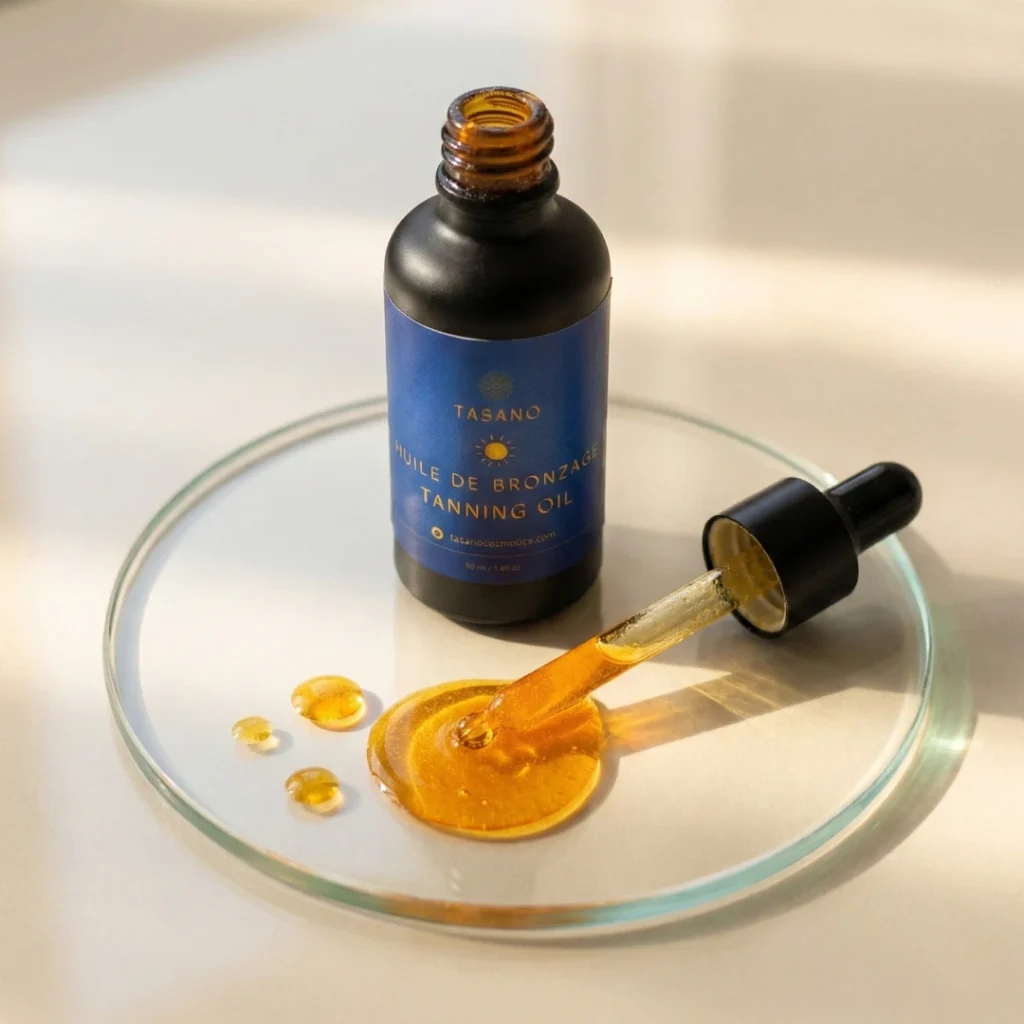
Daily sun protection is non-negotiable in any glowing skin routine. The American Academy of Dermatology recommends broad-spectrum, water-resistant sunscreen with SPF 30 or higher as the final step in a morning routine, and it specifically notes that sunscreen helps prevent premature aging, dark spots, and wrinkles caused by sun exposure.
This matters for every skin type, but especially for anyone trying to improve glow, uneven tone, or early signs of aging. Without daily sunscreen, the skin keeps accumulating sun damage and visible progress becomes much harder to maintain.
Best for:
everyone
Why it matters:
Glowing skin does not stay glowing if daily UV exposure keeps dulling it, dehydrating it, or deepening pigment issues.
6. Weekly Exfoliation With Black Soap and Kessa
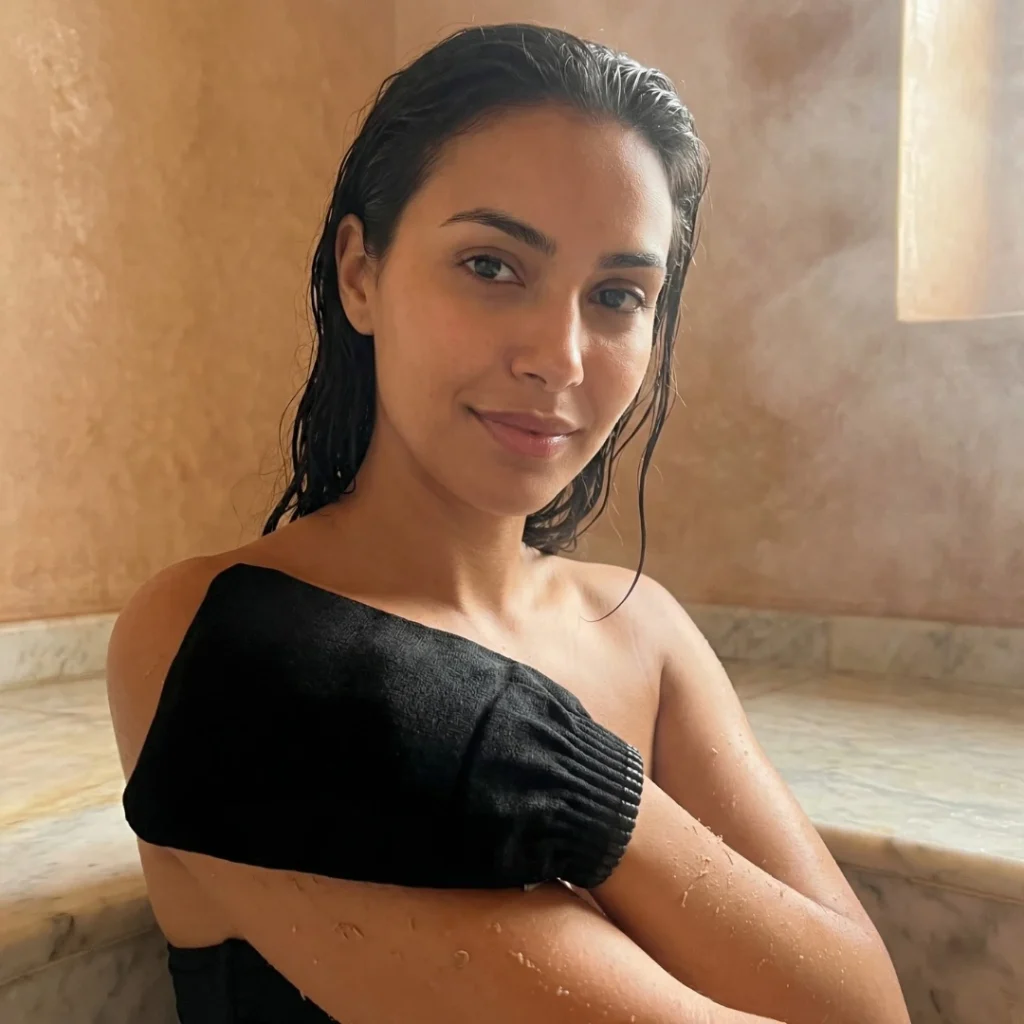
A weekly Moroccan skincare routine is where traditional ritual care really begins to show its value.
Moroccan black soap is a soft olive-based paste used on damp skin to soften buildup and prepare the body for exfoliation. It is then followed by a kessa glove, which helps remove dead skin and reveal smoother, fresher-looking skin. Multiple Moroccan hammam guides describe this sequence as the foundation of the ritual.
Best for:
rough body texture, dull skin, body glow, smoother-feeling skin
Why it matters:
This step improves skin texture dramatically and helps body oils and creams feel more effective afterward.
If you want to master this part of the routine, read How to Use a Kessa Glove Properly and Moroccan Black Soap Benefits & How to Use It.
7. Weekly Masking With Rhassoul Clay or Nila
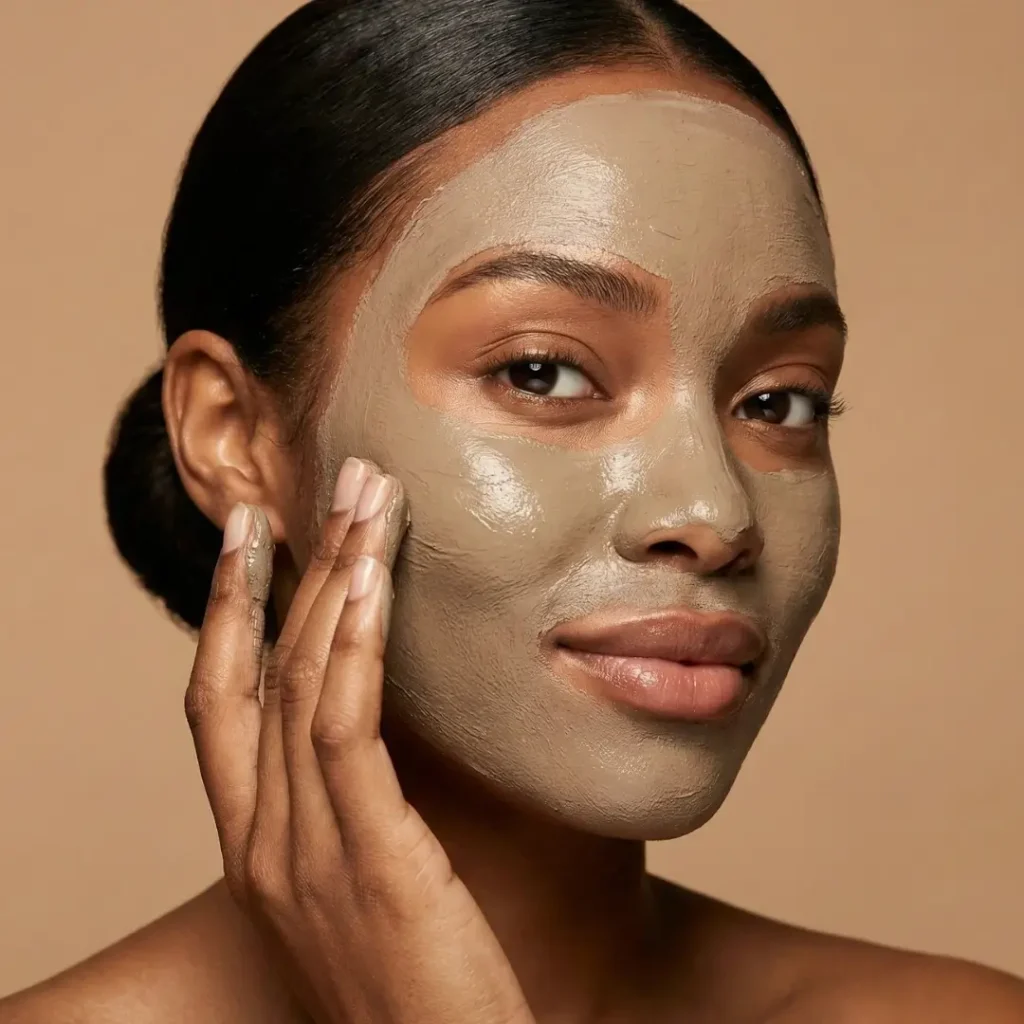
A Moroccan skincare routine for glowing skin becomes stronger when it includes a weekly mask.
Rhassoul clay is commonly used to purify, rebalance, and soften the skin, and Moroccan hammam guides frequently place it after exfoliation as a refining step for face or body. Nila powder can be used as a brightening mask in routines focused on uneven tone and dullness.
Best for rhassoul:
oil balance, purification, smoother feel, weekly reset
Best for Nila:
dull skin, uneven tone, dark spots, brighter-looking complexion
Why it matters:
Weekly masks make the routine feel complete and help improve clarity, softness, and glow beyond daily maintenance alone.
For brighter-looking skin, read Nila Powder for Dark Spots: How to Use It for Hyperpigmentation & Even Skin Tone.
Daily Moroccan Skincare Routine (Morning)
A daily Moroccan skincare routine does not need to be long. The best version is the one you will actually follow every day.
Morning routine
- Cleanse gently
- Apply rose water or another hydrating prep step
- Use a few drops of argan oil or a light cream if needed
- Finish with broad-spectrum SPF 30 or higher
This structure follows what dermatologists broadly recommend for daily care: cleanse, moisturize, and protect, while giving it a distinctly Moroccan ingredient identity.
Daily Moroccan Skincare Routine (Evening)
Evening care is where richer nourishment fits best.
Evening routine
- Cleanse thoroughly
- Apply rose water
- Use argan oil or prickly pear seed oil
- Add cream if the skin feels dry or needs extra support
This version works especially well for dry, dull, or mature-looking skin because it gives the face more time to absorb richer products overnight.
Weekly Moroccan Skincare Routine for Glowing Skin
The weekly routine is what gives Moroccan skincare its ritual depth.
Weekly glow routine
- Start with warm water or steam
- Use Moroccan black soap on damp body skin
- Exfoliate with a kessa glove
- Apply rhassoul clay to face or body, or use a Nila treatment if your goal is brightening
- Rinse gently
- Finish with argan oil or a rich cream
This sequence closely matches how Moroccan hammam care is commonly described: steam, black soap, exfoliation, clay, then nourishment.
For the full body ritual of Moroccan skincare, read The Complete Moroccan Hammam Ritual at Home.
Moroccan Skincare Routine by Skin Need
For dry skin
Use a gentle cleanser, rose water, argan oil, and a moisturizer daily. Keep exfoliation weekly rather than frequent.
For dull skin
Use rose water, prickly pear seed oil, and a weekly rhassoul or Nila mask to support a fresher-looking complexion.
For mature-looking skin
Focus on daily sunscreen, prickly pear seed oil, argan oil, and a routine that supports glow and comfort rather than harsh stripping.
For uneven tone
Build the routine around sunscreen, Nila treatments, rose water, and supportive oils that keep the skin balanced.
For a matching weekly hair system, explore Moroccan Hair Care Routine: Daily & Weekly Routine for Stronger, Healthier, Frizz-Free Hair.
How Long Does a Moroccan Skincare Routine Take to Show Results?
One of the most searched questions about a Moroccan skincare routine is how quickly you can expect visible improvement. The answer depends on your skin condition, the products you use, and how consistent your routine is.
Results You May Notice Quickly
Many people notice softer, smoother-feeling skin after the first weekly ritual, especially when using Moroccan black soap, kessa exfoliation, or a clay mask. Removing surface buildup and dead skin can immediately improve texture and help the complexion look fresher and more radiant.
Results That Usually Take a Few Weeks
Concerns such as dryness, dullness, uneven tone, and rough texture often improve gradually over several weeks of steady care. Daily cleansing, hydration, nourishing oils such as argan oil, and regular sunscreen use all help support healthier-looking skin over time.
Results That Require More Patience
Dark spots, visible dehydration lines, and long-standing texture issues usually take longer. These concerns often improve through consistency rather than aggressive treatment. A Moroccan skincare routine works best when it is followed regularly and adjusted gently to your skin’s needs.
The Real Secret: Consistency Over Intensity
The biggest mistake people make is expecting instant transformation while using the routine inconsistently. Moroccan skincare is powerful because it combines simple daily habits with deeper weekly rituals. When repeated consistently, those small steps often create the most visible long-term results.
What Science and Skin Experts Say About Routine Simplicity
Dermatology guidance consistently supports a simple skincare foundation. The American Academy of Dermatology recommends a daily routine built around gentle cleansing, moisturizing, and broad-spectrum SPF 30 or higher, and it also notes that consistency matters more than piling on products. It specifically advises fragrance-free, non-abrasive care for skin that is dry or sensitive.
That logic fits Moroccan skincare especially well. A Moroccan skincare routine works best not because it is long, but because each step has a clear purpose: cleanse, prep, nourish, protect, and treat more deeply once or twice a week.
Discover a Moroccan Skincare Routine With TASANO
A great skincare routine should feel easy to repeat and satisfying to use. That is exactly where Moroccan beauty makes sense.
With TASANO, a Moroccan skincare routine can be built around a few high-value essentials: nourishing oils such as argan oil and prickly pear seed oil, weekly brightening support with Nila, ritual texture care through black soap and hammam steps, and supportive layers that help the skin look softer, smoother, and more luminous over time.
If your goal is glowing skin without routine overload, Moroccan skincare offers one of the clearest and most enjoyable ways to get there.
Recommended products
-
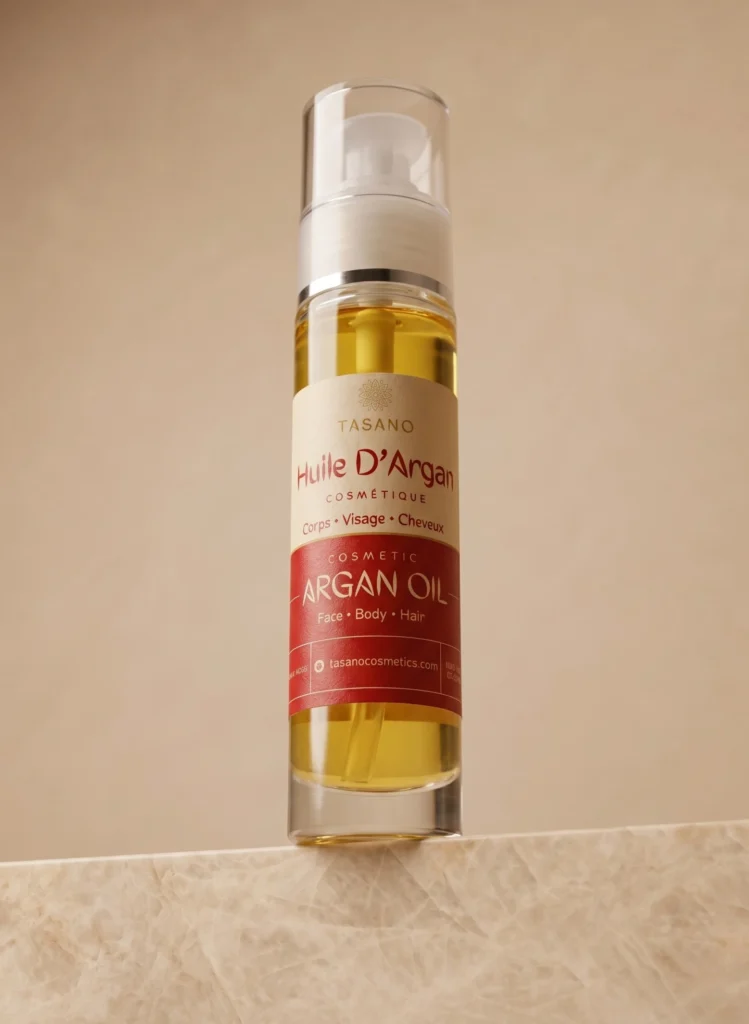
100% Pure Moroccan Argan Oil
Price range: $ 17.00 through $ 26.00 -
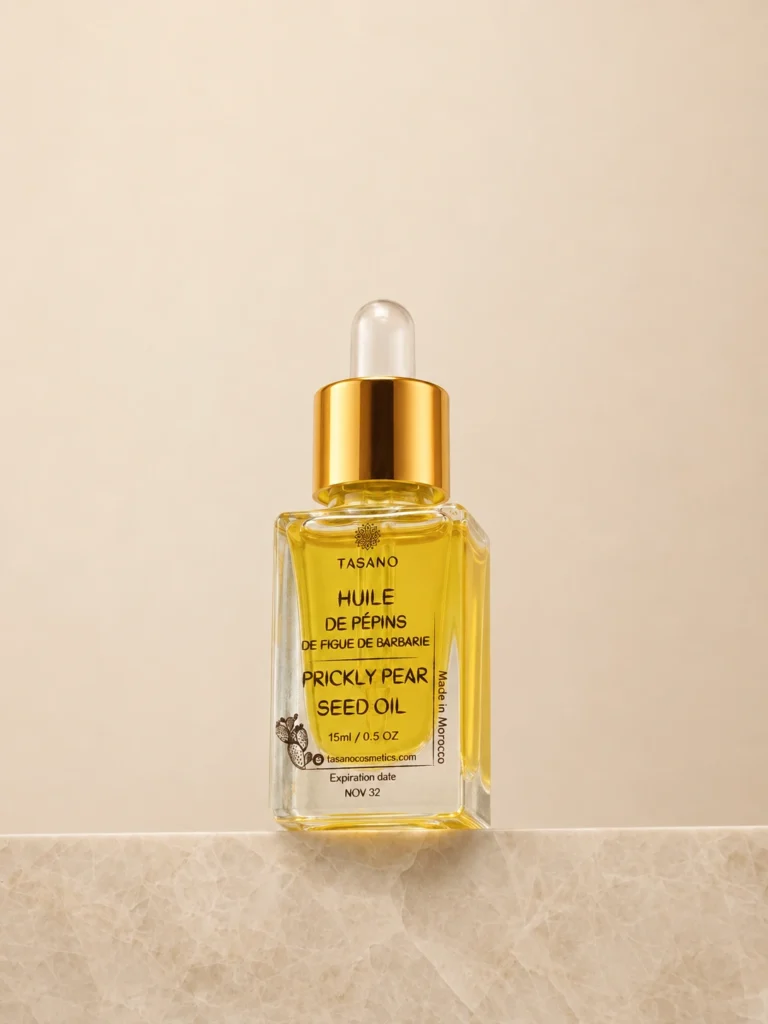
100% Pure Cold-Pressed Prickly Pear Seed Oil
Price range: $ 30.00 through $ 41.00 -
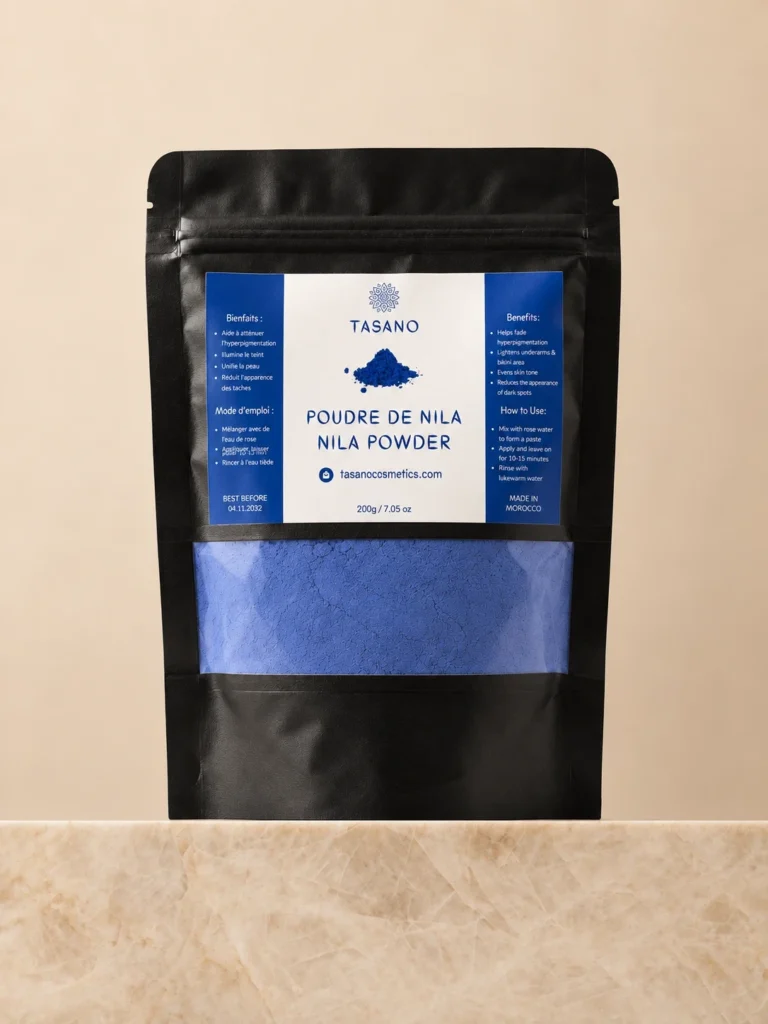
Moroccan Nila Powder – Dark Spots & Even Tone Care
Price range: $ 8.00 through $ 29.00 -
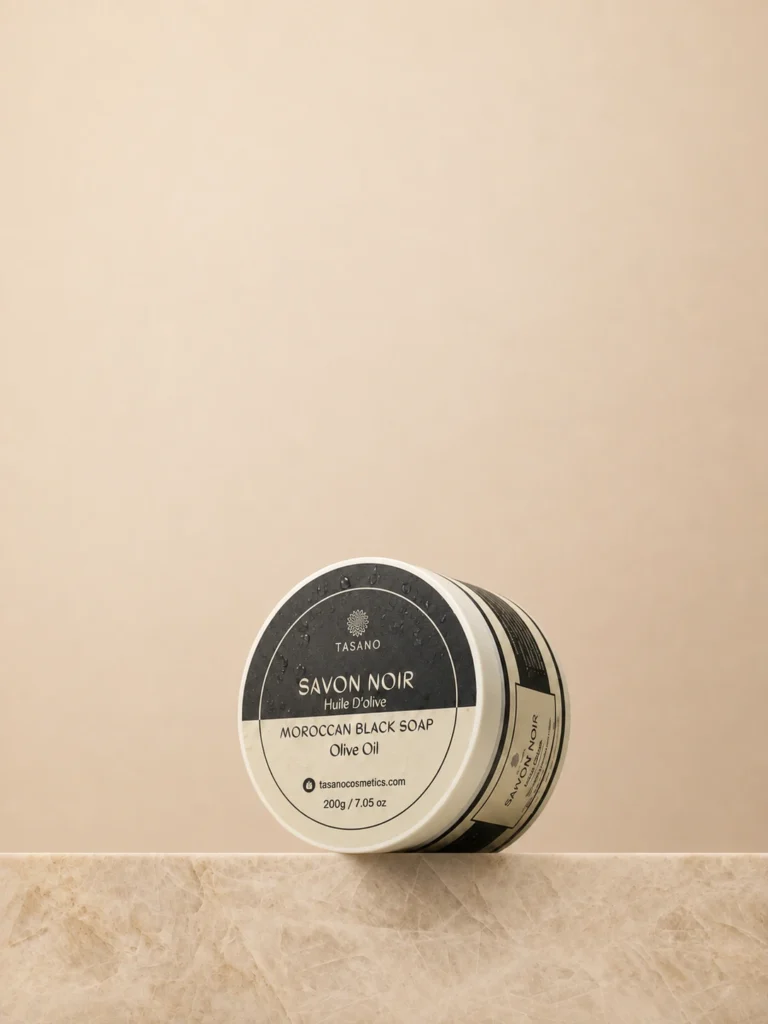
Moroccan Black Soap – Original Deep Exfoliating (Traditional Beldi Soap)
$ 6.00
FAQ
What is a Moroccan skincare routine?
A Moroccan skincare routine is a daily and weekly beauty ritual built around ingredients such as argan oil, rose water, black soap, rhassoul clay, and hammam-inspired exfoliation. It focuses on cleansing, nourishment, weekly texture care, and glowing skin support.
What are the main steps in a Moroccan skincare routine?
The main steps are gentle cleansing, a hydrating prep step such as rose water, nourishing oil or cream, daily sunscreen, and weekly treatment steps such as black soap, kessa exfoliation, and rhassoul or Nila masks.
Can I do a Moroccan skincare routine every day?
Yes, the daily part of the routine can be done every day. The deeper treatment steps such as black soap, kessa exfoliation, and clay masking are usually done weekly rather than daily.
What gives Moroccan skin care its glow?
Glow usually comes from a combination of gentle cleansing, hydration, nourishing oils, weekly exfoliation, and masks that improve smoothness and clarity. The ritual works by improving both skin texture and skin comfort over time.
Do I need sunscreen in a Moroccan skincare routine?
Yes. Dermatology guidance recommends broad-spectrum SPF 30 or higher daily because sunscreen helps prevent premature aging, dark spots, and cumulative sun damage.
Which Moroccan oil is best for glowing skin?
Argan oil is the stronger everyday choice for softness and comfort, while prickly pear seed oil is the more premium option for radiance and mature-looking skin. Both can support glow when used consistently.
How often should I do a Moroccan hammam routine?
Most at-home Moroccan hammam routines are done weekly or occasionally rather than daily, especially when they include black soap and kessa exfoliation.
Is Moroccan skincare good for all skin types?
Yes, but the exact products and frequency should match your skin type. Dry or sensitive skin may need gentler cleansing and less frequent exfoliation, while dull or rough skin may benefit more from weekly ritual steps.
Conclusion
A Moroccan skincare routine works so well because it does not try to do everything at once.
It builds glowing skin through a small number of effective daily habits and a weekly ritual that improves texture, softness, and radiance. Cleanse gently, hydrate consistently, nourish with the right oils, protect with sunscreen, and use weekly rituals to refine and brighten.
That is what makes Moroccan skincare feel timeless: it is simple enough to follow, but rich enough to transform the way the skin looks and feels.
Recommended products
Enjoyed this guide? Keep TASANO easier to find when you search for Moroccan beauty advice.
