

Moroccan Hair Care: The Complete Guide to Stronger, Healthier, Shinier Hair
ByTASANO
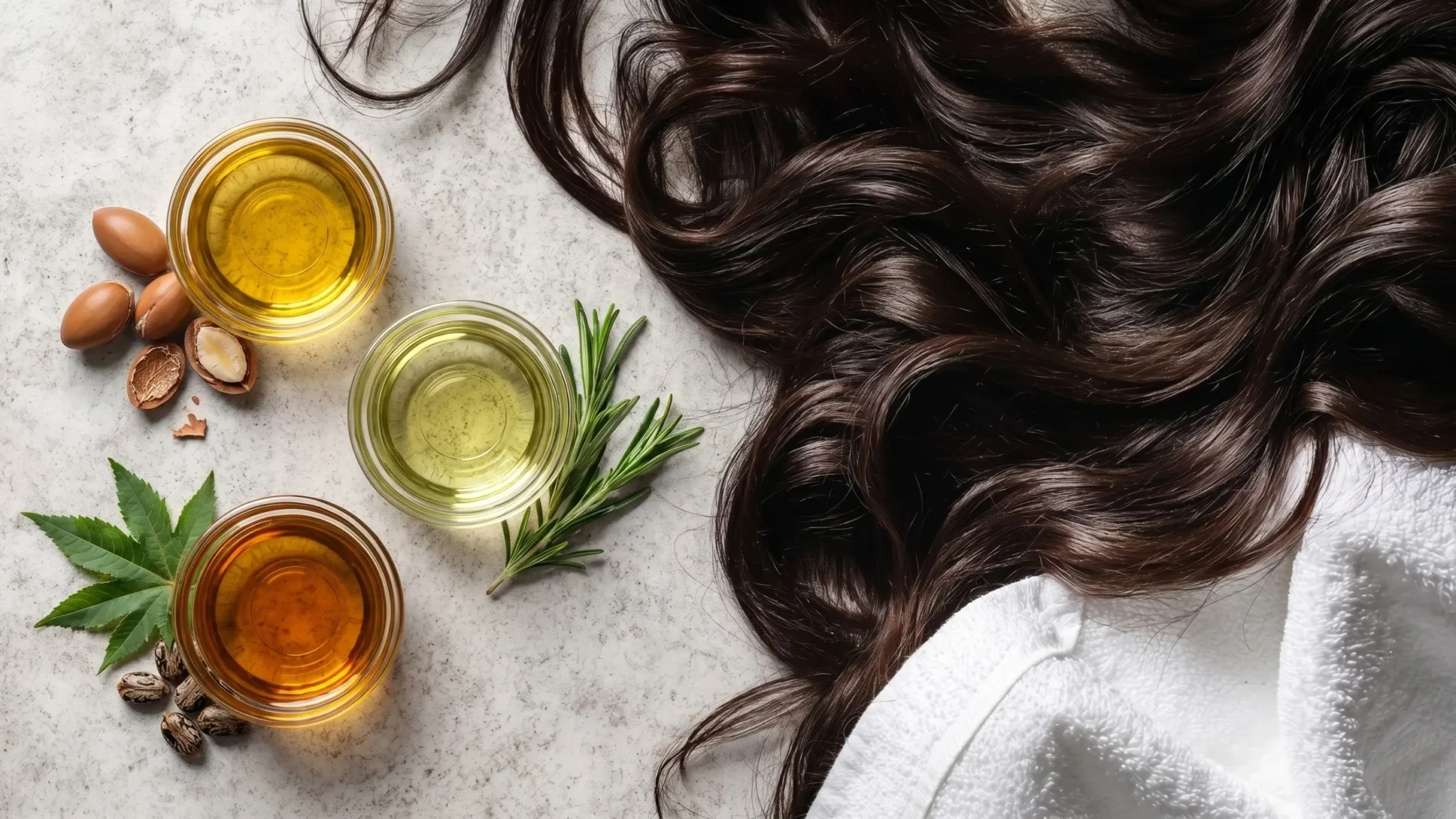
Stronger, shinier hair often starts with simpler habits, not more products. Moroccan hair care is trusted worldwide for helping reduce dryness, frizz, and dullness using argan oil, scalp rituals, and time-tested routines that actually work.
Moroccan hair care has earned global attention because it focuses on what hair actually needs: nourishment, softness, scalp balance, shine, and protection from daily damage. Instead of chasing trends, it leans on time-tested rituals centered around one of Morocco’s most famous beauty ingredients: pure argan oil.
Many Moroccan hair rituals connect back to body and cleansing traditions explained in The Complete Moroccan Hammam Ritual at Home.
If your hair feels dry, frizzy, dull, rough, weak, or hard to manage, this guide will show you how Moroccan hair care works, why it works, and how to build a routine that leaves hair stronger, healthier, and visibly shinier over time.
Table of Contents
What Is Moroccan Hair Care?
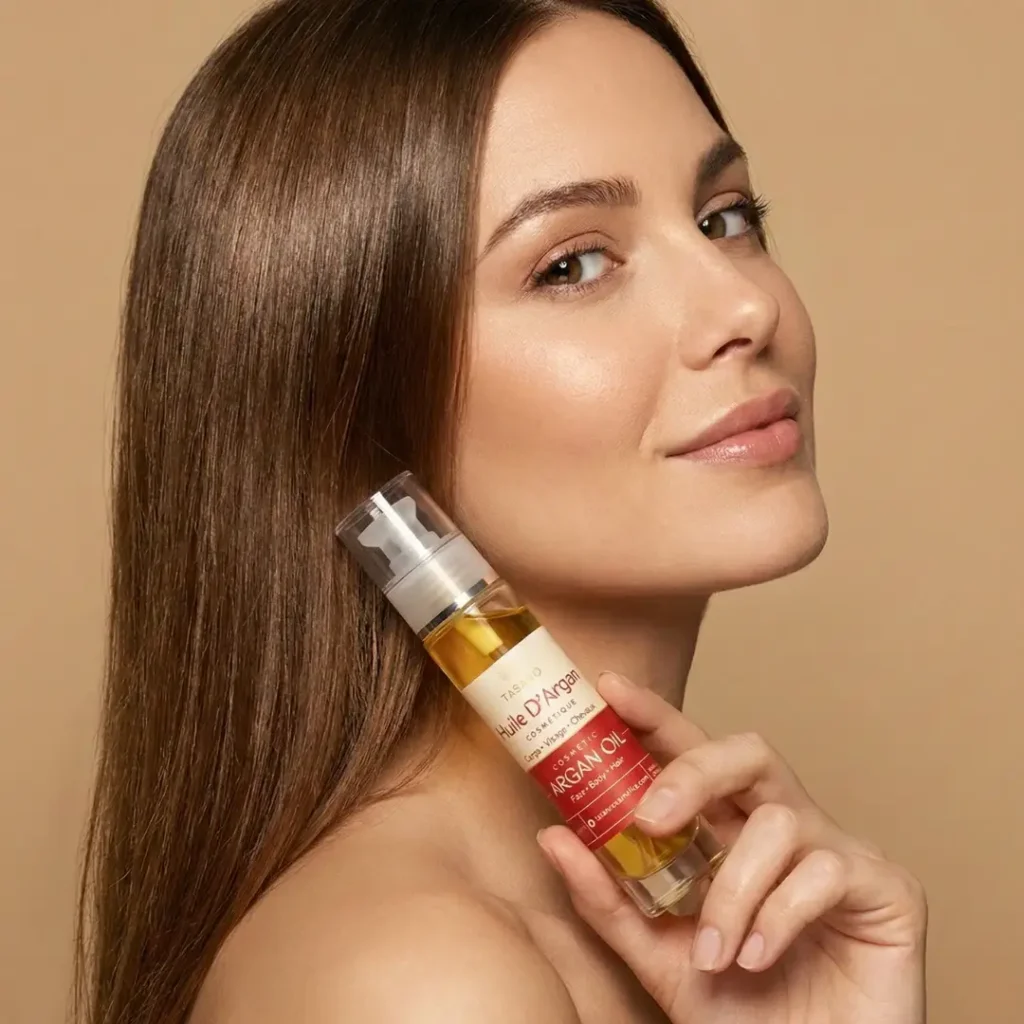
Moroccan hair care is a hair and scalp care approach inspired by Moroccan beauty rituals and ingredient traditions. It is best known for using argan oil, but real Moroccan hair care goes beyond a single oil.
At its core, it focuses on four things:
- nourishing the hair fiber without making it heavy
- keeping the scalp comfortable and balanced
- protecting hair from dryness, breakage, and dullness
- improving softness, shine, and manageability over time
This is why Moroccan hair care continues to stand out. It is not built around temporary cosmetic tricks. It is built around long-term hair condition.
Why Moroccan Hair Care Works So Well
Many hair problems are not separate problems. Dryness, frizz, rough texture, tangling, breakage, lack of shine, and poor manageability are often connected.
When hair loses moisture and the cuticle becomes rough, it starts to look tired and feel harder to control. Moroccan hair care helps by bringing back softness and slip while supporting a healthier-looking surface.
That is where argan oil became famous. Known as Morocco’s liquid gold, argan oil is rich, lightweight, and naturally suited to hair that needs softness and shine without feeling greasy. It helps smooth the look of dry strands, tame frizz, and make hair feel more supple and polished.
But the bigger reason Moroccan hair care works is the routine itself. The goal is not just to coat the hair once. The goal is to care for the scalp, protect the lengths, and use oils and treatments in a way that supports better-looking hair week after week.
The Core Benefits of Moroccan Hair Care
1. Helps Dry Hair Feel Softer and More Flexible
Dry hair tends to feel rough, rigid, and harder to style. Moroccan hair care focuses on replenishing softness so hair feels smoother, more touchable, and easier to handle.
2. Improves Shine Without a Heavy Finish
Shiny hair usually reflects a smoother hair surface. Moroccan hair rituals help reduce the dull, straw-like appearance that makes hair look tired.
3. Helps Control Frizz and Flyaways
When hair is dry or porous, humidity and friction make frizz worse. A Moroccan hair care routine helps create a more polished, controlled finish.
4. Supports Better Hair Manageability
Hair that tangles less, feels softer, and responds better to styling usually looks healthier too. This is one of the most noticeable benefits of a Moroccan routine.
5. Encourages a Healthier Scalp Environment
Beautiful hair does not start at the ends. It starts at the scalp. Moroccan scalp care habits help support comfort when dealing with dryness, flaking, and imbalance.
The Hero Ingredient: Why Argan Oil Is Central to Moroccan Hair Care
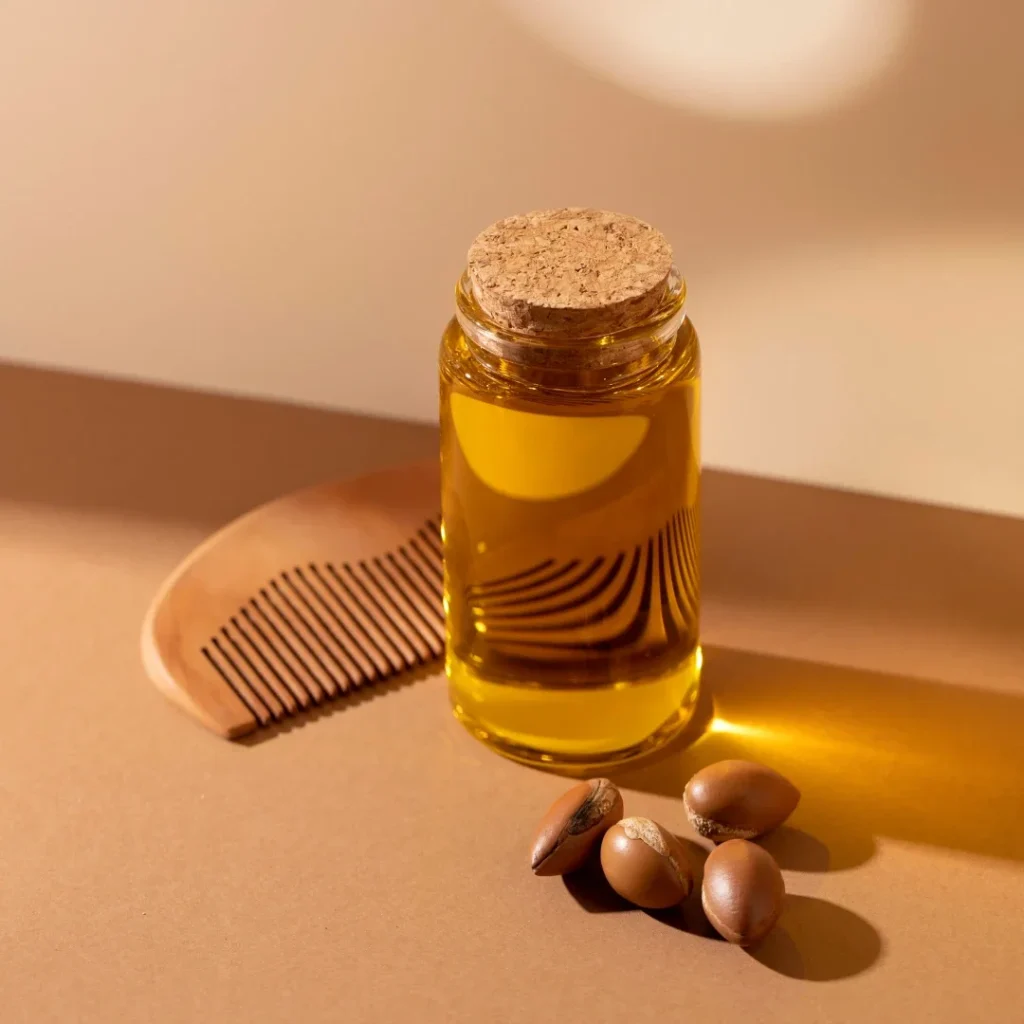
No discussion of Moroccan hair care is complete without argan oil.
Pure Moroccan argan oil is pressed from the kernels of the argan tree, which is native to Morocco. In hair care, it is prized because it gives hair a smoother, softer, shinier appearance while helping reduce the look of dryness and frizz.
Want a deeper look at what makes this ingredient so popular? Read our full guide to Argan Oil for Hair: Benefits, How to Use It & Results to Expect.
What makes it so versatile is that it can be used in different ways depending on your hair goals:
- as a pre-wash oil treatment
- as a leave-in finishing oil on damp or dry hair
- as a targeted treatment for dry ends
- as part of a scalp care routine
- as a smoothing step before styling
For many people, the biggest appeal is simple: it makes hair look better fast, while also fitting into a more consistent long-term routine.
If your main goal is stronger-looking growth and length retention, see Does Argan Oil Help Hair Growth? Benefits, Limits & How to Use It.
Upgrade Your Moroccan Hair Routine
Upgrade your Moroccan hair care routine with TASANO’s pure Moroccan argan oil made for softness, shine, and everyday hair nourishment.
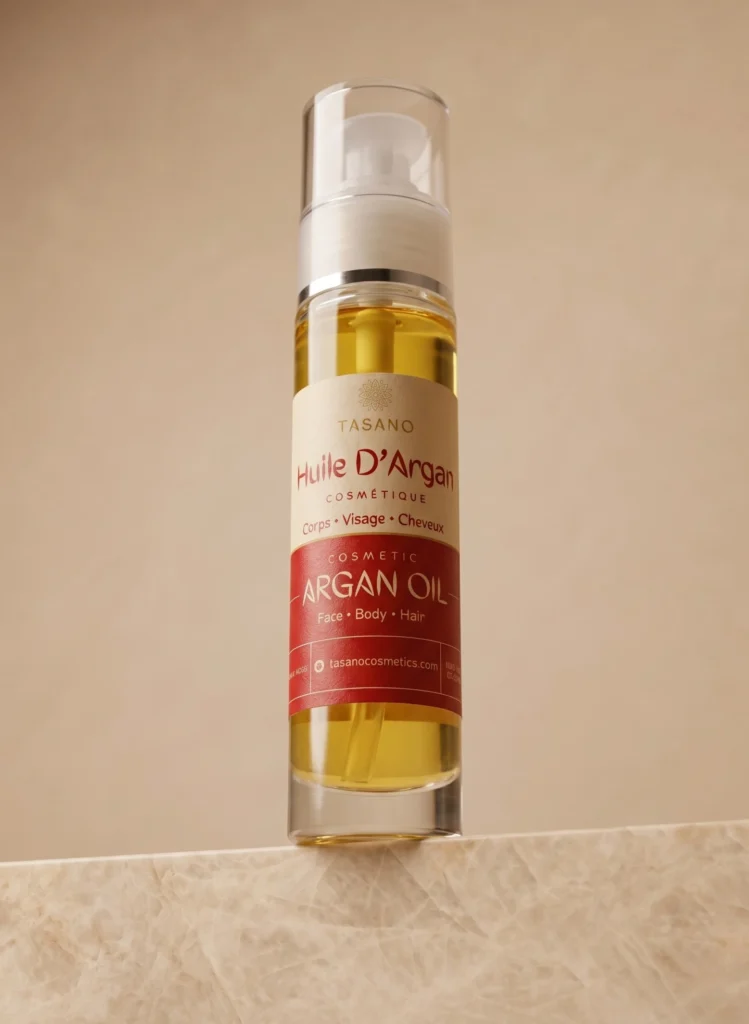
100% Pure Moroccan Argan Oil
A lightweight, cold-pressed Moroccan argan oil for face, hair, body, nails, and beard care. Designed to soften dry-feeling skin, smooth the look of frizz, nourish dry ends, and leave a clean satin glow.
- 100% pure single-ingredient formula
- For face, hair, body, nails, and beard care
- No added fragrance, silicones, filler oils, or mineral oil
Moroccan Hair Oils: Which One Is Best for Your Hair Goal?
Argan oil may be the most famous Moroccan hair oil, but it is far from the only option. Different oils offer different benefits depending on whether your priority is hair growth, scalp comfort, frizz control, shine, dryness, or stronger-looking strands.
Choosing the right Moroccan hair oil for your goal can make your routine far more effective than using the same product for every problem.
Best Moroccan Hair Oil for Hair Growth & Density
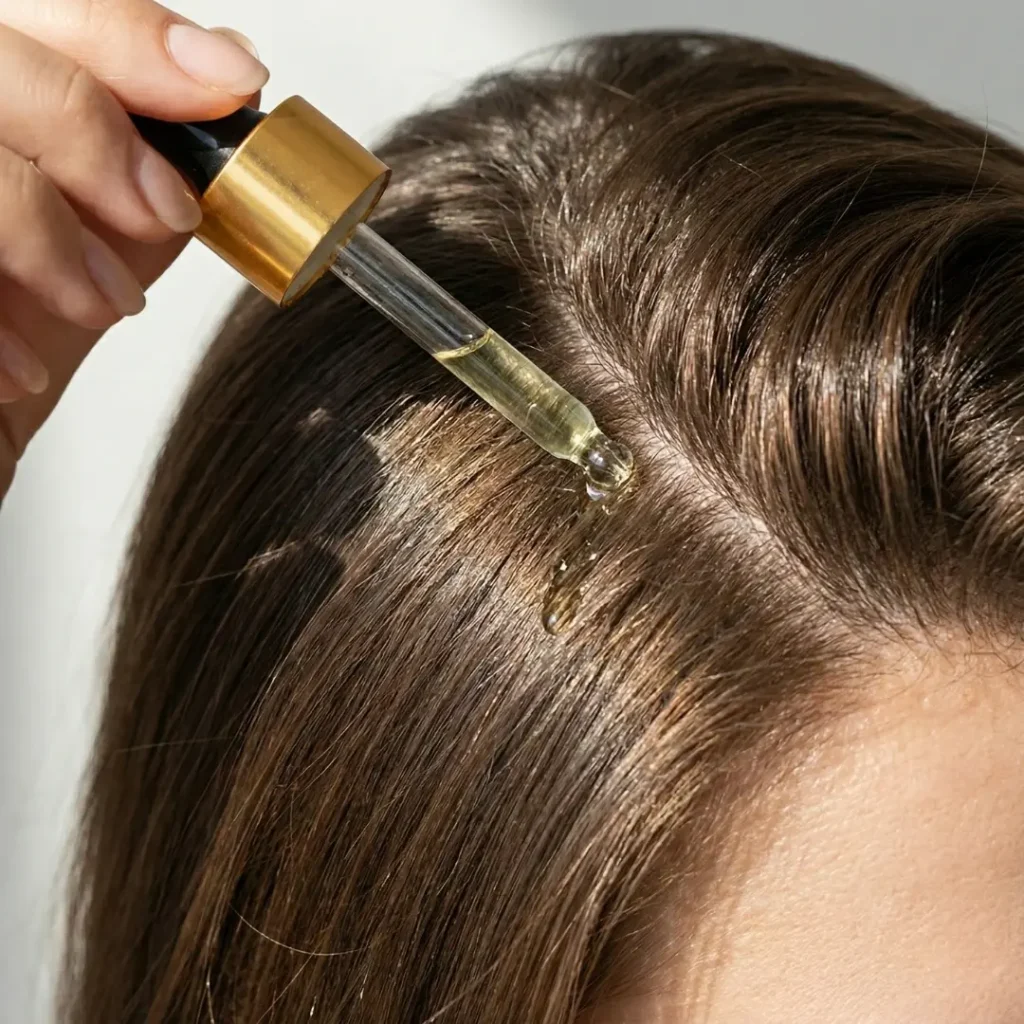
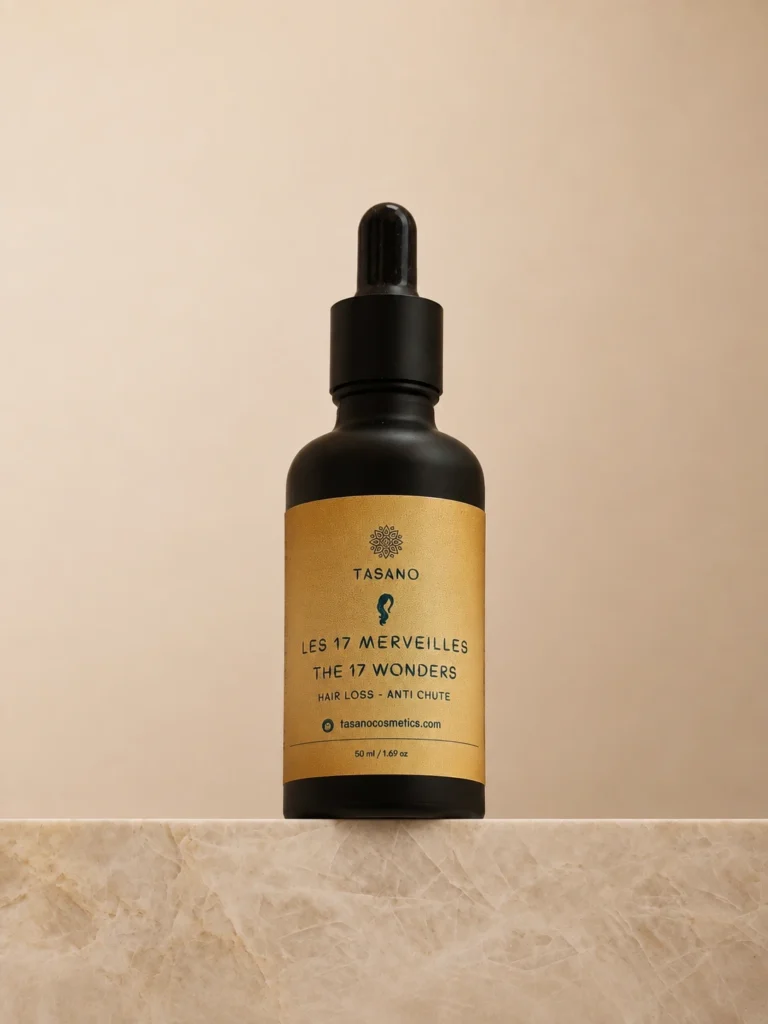
If your goal is fuller-looking hair, stronger roots, and a scalp-focused routine, rosemary hair oil is one of the most popular choices.
Rosemary oil is widely used in hair routines designed to support scalp circulation, reduce breakage, and encourage healthier-looking density over time. It is especially useful when paired with regular scalp massage.
Best for:
- thinning-looking hair
- weak roots
- density routines
- scalp massage treatments
If hair growth is your priority, read our full guide to Rosemary Oil for Hair Growth: Does It Work & How to Use It.
Best Moroccan Hair Oil for Strength & Breakage
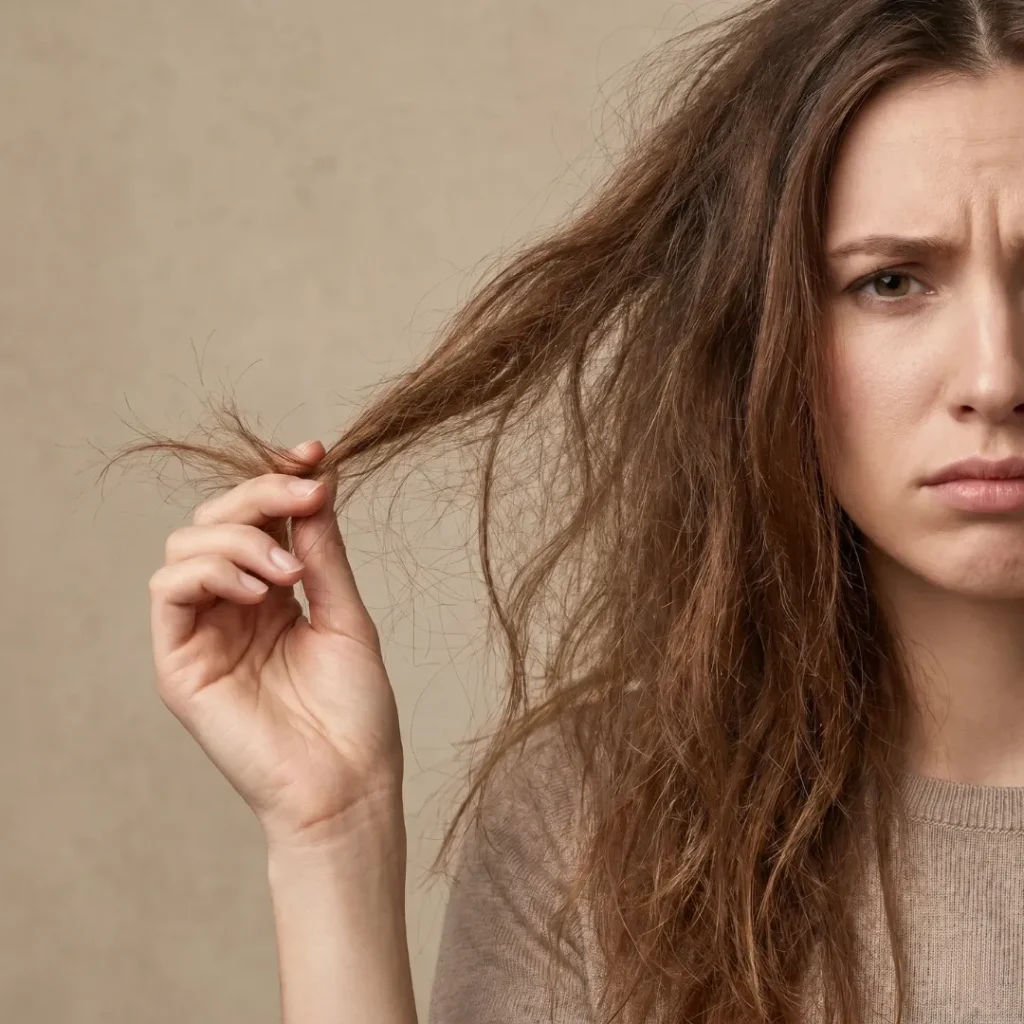
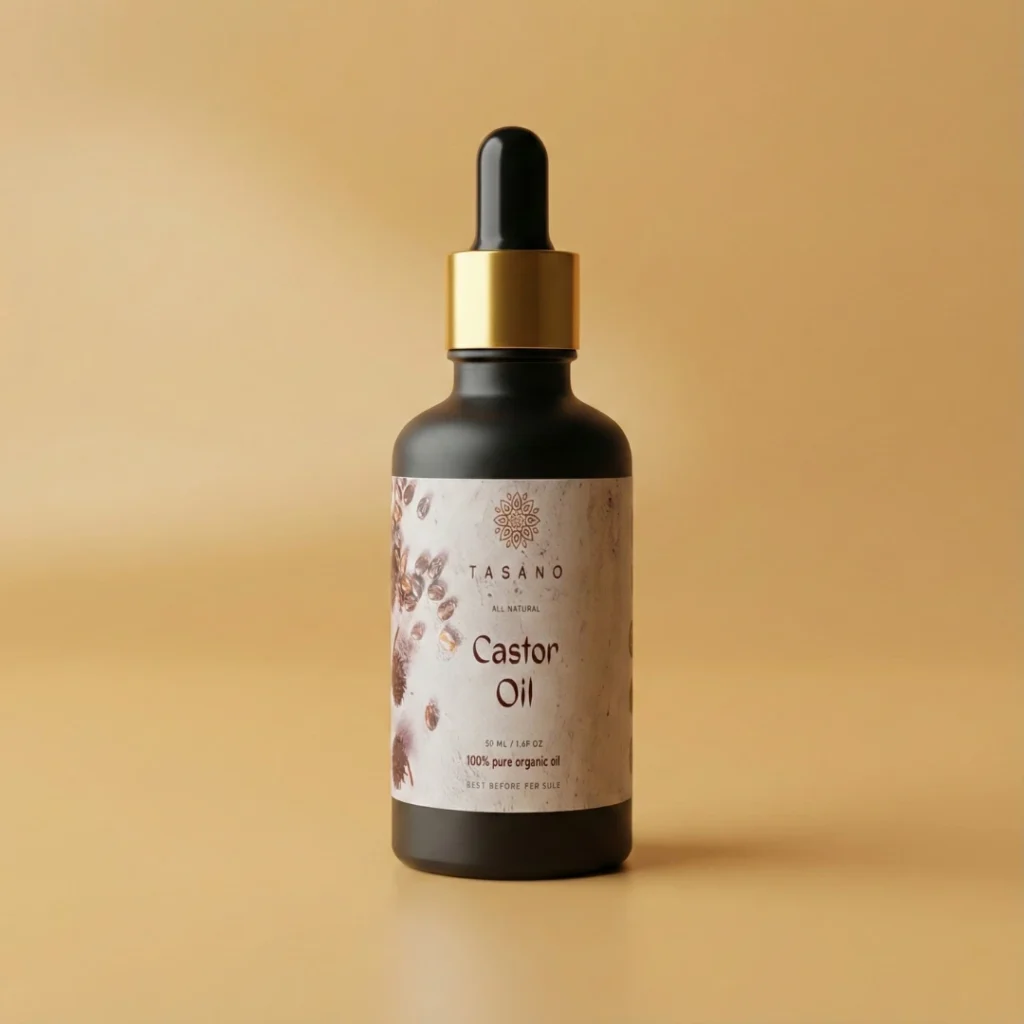
When hair feels weak, brittle, or prone to snapping, castor oil and fenugreek oil are excellent options.
Castor oil is known for its rich texture and is commonly used to support stronger-feeling hair, brows, and lashes. Fenugreek oil has long been used in traditional beauty rituals for hair that needs reinforcement, softness, and resilience.
Best for:
- fragile hair
- breakage-prone strands
- dry lengths
- strengthening routines
For thicker-feeling strands and strengthening routines, explore Castor Oil for Hair: Benefits, Growth & How to Use It Properly.
Best Moroccan Hair Oil for Frizz, Dryness & Shine
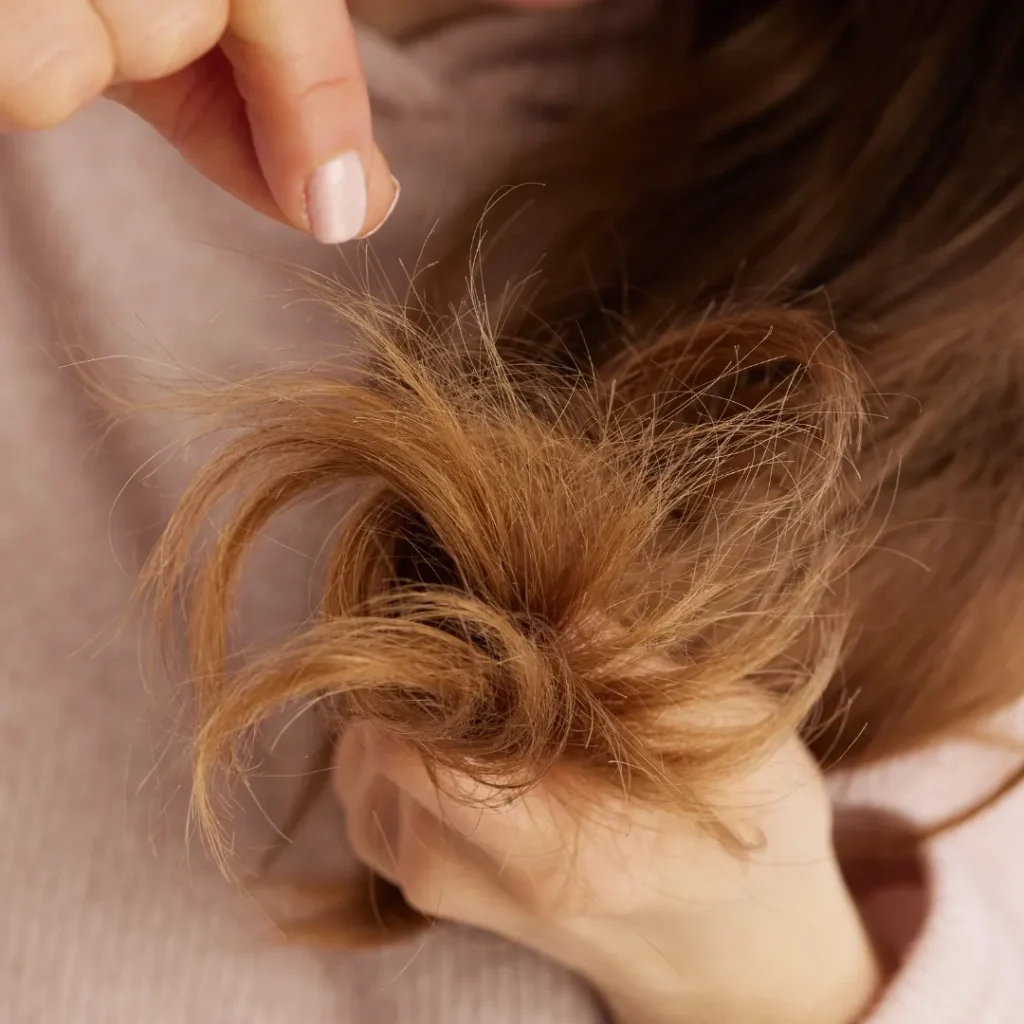
If your hair looks dull, rough, or hard to control, argan oil remains one of the best all-around solutions.
Pure Moroccan argan oil helps soften the feel of hair, improve shine, and reduce the look of frizz without weighing strands down when used correctly. It is ideal for daily use on mid-lengths and ends.
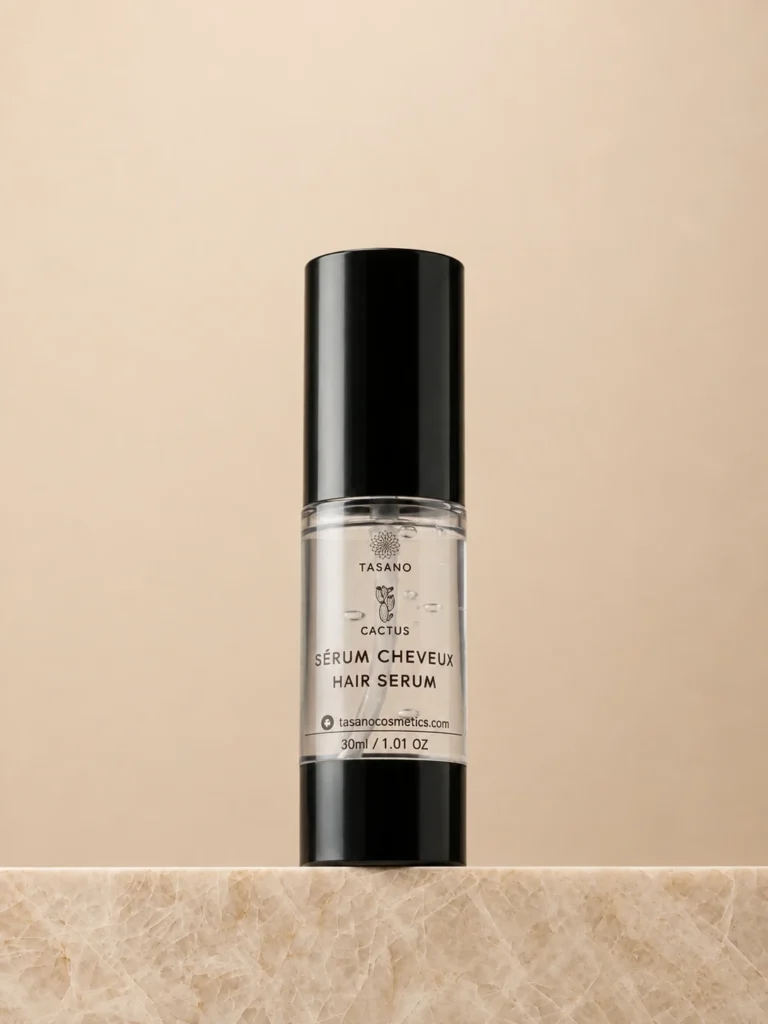
For an even more polished finish, a prickly pear hair serum can help smooth flyaways and add a sleek, glossy appearance.
Best for:
- smoother styling finish
- dry hair
- frizz control
- shine
- everyday softness
Best Moroccan Hair Oil for Scalp Care
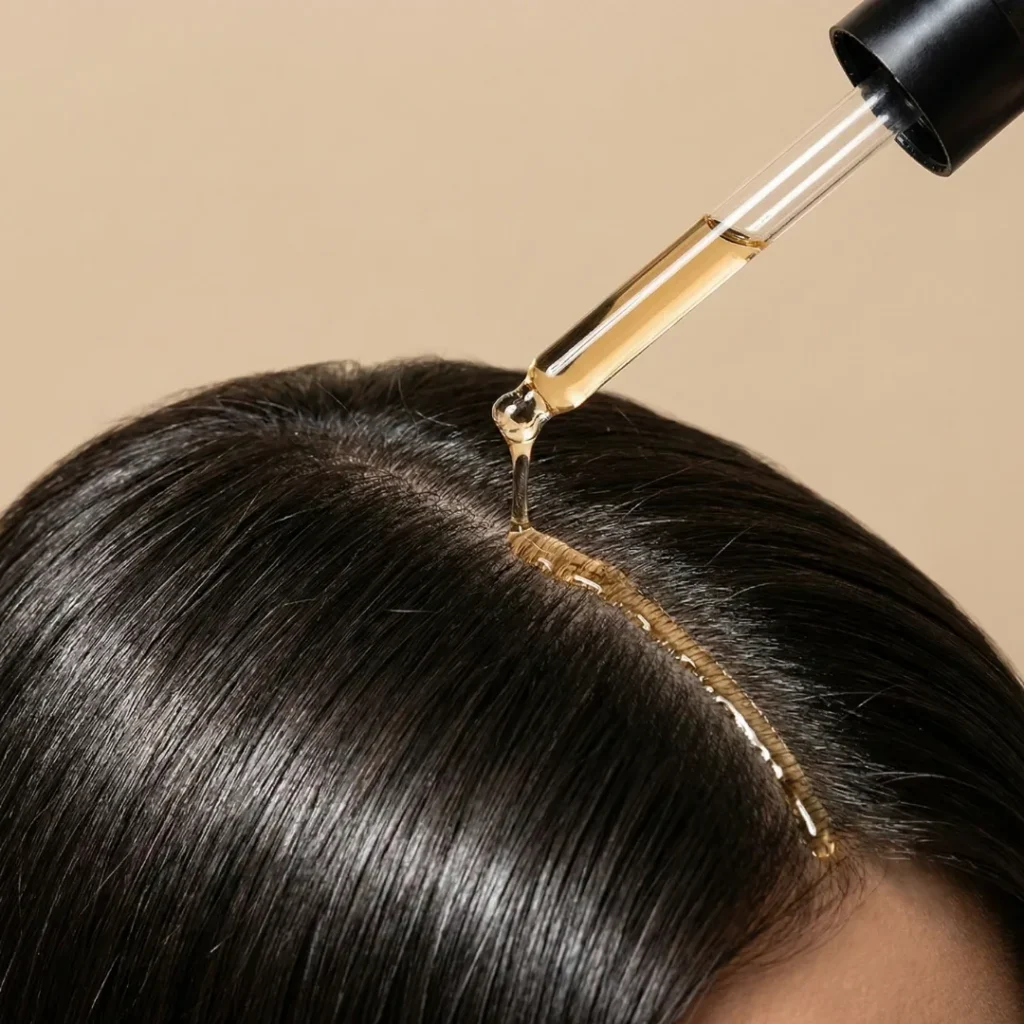
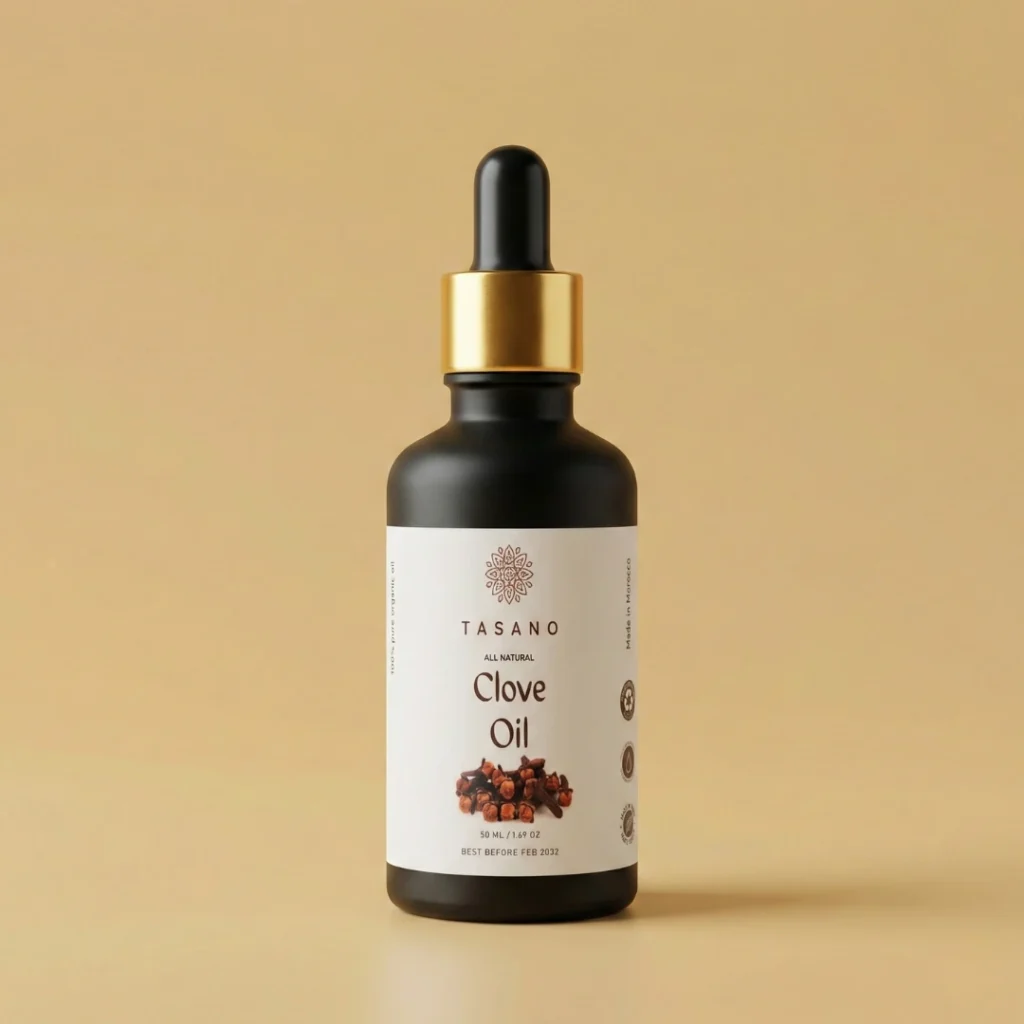
A healthy scalp is essential for healthy-looking hair. If dryness, discomfort, or visible flakes are your main concern, rosemary oil and clove oil are often used in scalp care routines.
These oils are commonly applied in diluted scalp treatments before washing. They are best used consistently and gently rather than aggressively.
Best for:
- comfort and balance routines
- dry scalp routines
- scalp massage
- buildup-focused wash day rituals
For dry scalp, dandruff, and flakes, see Argan Oil for Scalp: Dry Scalp, Dandruff and Scalp Care Benefits.
Best Moroccan Hair Oil for Curly Hair
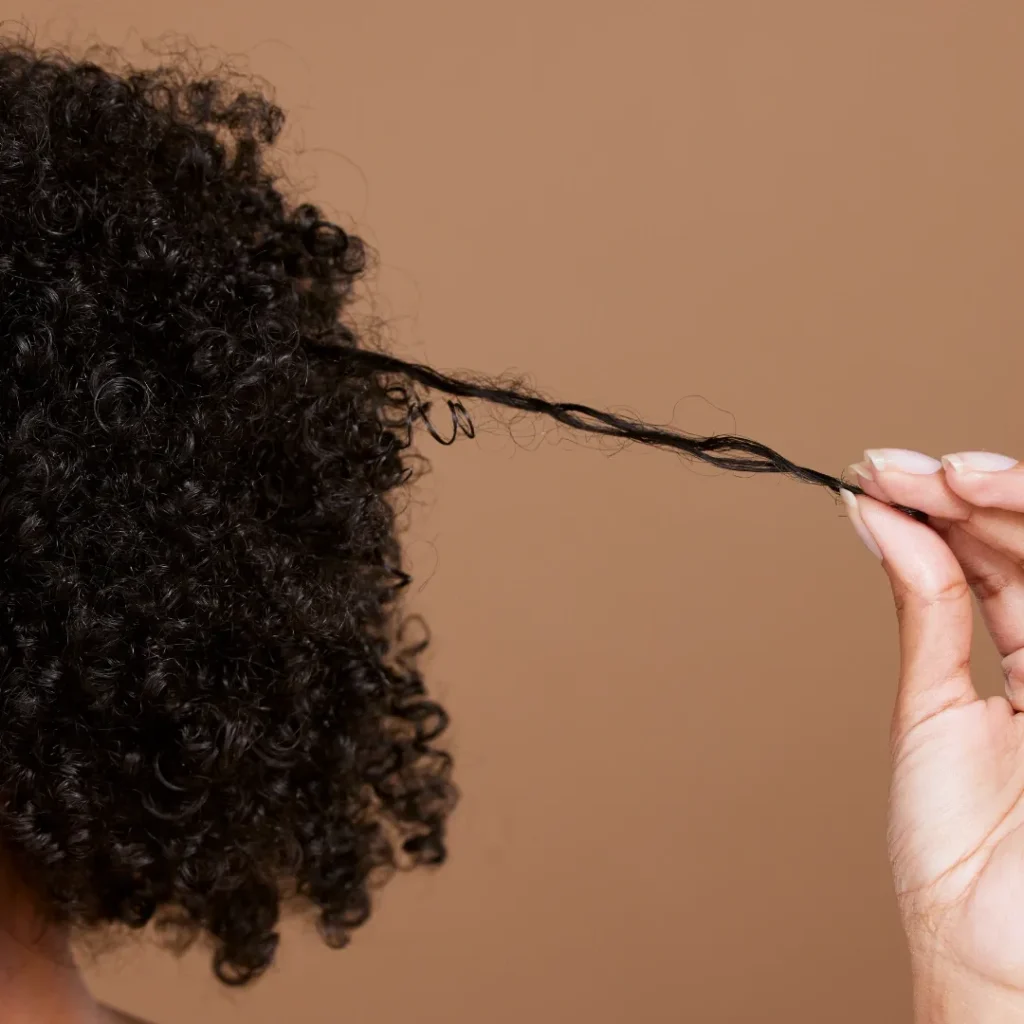
Curly and textured hair often needs moisture, softness, and frizz control without losing movement.
Argan oil is especially popular for curls because it can help soften the hair, reduce roughness, and improve definition when applied lightly to damp hair. Prickly pear serum can also be useful as a finishing step for shine.
Best for:
- easier styling
- curls needing softness
- reducing frizz
- glossy finish
Scented Moroccan Argan Oils for a Luxury Routine
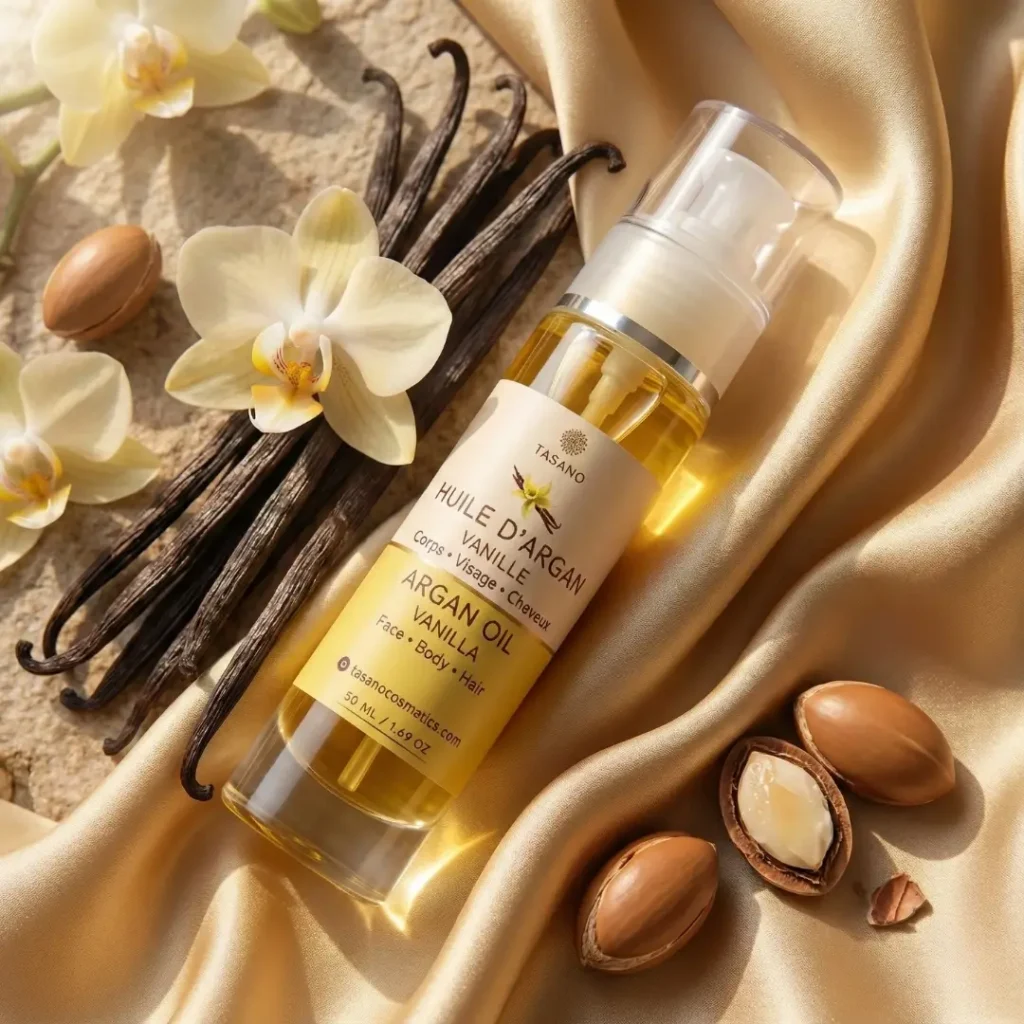
Hair care is also about experience. Scented Moroccan argan oils infused with notes such as musk, vanilla, or gardenia transform a simple routine into a more luxurious ritual while still delivering the smoothing, softening, and shine-enhancing benefits that argan oil is known for.
Beyond nourishment and frizz control, they add an often-overlooked finishing touch: beautiful hair aroma. As the hair moves throughout the day, subtle fragrance is released from the strands, creating a refined scent trail that feels elegant, clean, and memorable. It is the kind of detail that elevates your overall presence without needing heavy perfume.
They are ideal for those who want hair that not only looks glossy, healthy, and polished, but also carries a sophisticated scent that makes the routine feel more indulgent and the results even more complete.
For the skincare side of these ingredients, read Moroccan Beauty Products: The Complete Guide to Glowing, Clear, and Youthful Skin.
Which Oil Is Right For You?
Moroccan hair care is powerful because it offers more than one solution. From argan oil for shine to rosemary for scalp routines and castor oil for strength, each oil has a role.
When you match the right Moroccan hair oil to the right hair goal, better results usually follow faster and more consistently.
| Goal | Best Oil |
|---|---|
| Hair thinning or density goals | Rosemary oil |
| Weak hair or breakage | Castor oil or Fenugreek oil |
| Dryness, frizz, shine | Argan oil |
| Glossy finishing touch | Prickly Pear Serum |
| Scalp-focused care | Rosemary or Clove oil |
| Luxury Scented Hair | Scented Argan oil |
Find the Right Oil for Your Hair Goal
Dry ends, frizz, dullness, weak strands, or scalp discomfort usually need the right oil—not more random products.
Explore our Moroccan hair oils designed for shine, strength, scalp care, and smoother hair.
Recommended products
Moroccan Hair Care by Hair Concern
Moroccan Hair Care for Dry Hair
If your hair feels brittle, thirsty, or rough, Moroccan hair care can help bring back softness and suppleness. A richer weekly oil treatment paired with a few drops on damp lengths can make a visible difference in how dry hair feels and looks.
If dryness and rough texture are your biggest concerns, read Argan Oil for Dry Hair: How to Use It for Frizz, Shine & Softness.
Moroccan Hair Care for Frizzy Hair
Frizz usually needs smoothing, not overload. Moroccan hair care helps by softening the feel of the hair fiber and improving how polished the surface looks, especially when argan oil is applied lightly to the mid-lengths and ends.
Moroccan Hair Care for Dull Hair
Dull hair often lacks smoothness and light reflection. Moroccan rituals focus on restoring a healthier-looking finish so hair appears glossier and more alive.
Moroccan Hair Care for Curly Hair
Curly hair often benefits from oils that add softness and help reduce frizz without destroying the curl pattern. Moroccan argan oil can work especially well when used lightly on damp curls or as part of a weekly routine.
For curls and textured hair, read How to Use Moroccan Argan Oil for Curly Hair.
Moroccan Hair Care for Dry Scalp and Flakes
A healthy scalp matters. If the scalp feels tight, dry, or flaky, a Moroccan hair care routine can include gentle scalp oiling before wash day and a scalp-first cleansing approach that keeps buildup under control.
The Ideal Moroccan Hair Care Routine
A good Moroccan hair care routine does not need to be complicated. It needs to be consistent.
Daily Moroccan Hair Care Routine
- Protect the lengths
If your hair is dry, frizzy, or dull, warm 1 to 3 drops of pure argan oil between your palms and apply lightly to the mid-lengths and ends.
- Keep heat reasonable
Do not rely on oil alone to rescue repeated heat damage. The best Moroccan hair care routine protects the hair before damage becomes chronic.
- Avoid overloading the roots
Too much product at the scalp can make hair feel heavy or cause buildup. Focus most of your leave-in oil on the lengths and ends unless you are doing a dedicated scalp treatment.
Weekly Moroccan Hair Care Routine
- Pre-wash oil treatment
Apply argan oil to dry hair before washing, focusing on the lengths and ends. Leave it on for at least 30 minutes. For very dry hair, longer contact time can help.
- Gentle cleansing
Wash the scalp thoroughly but do not aggressively strip the hair. Clean scalp, comfortable roots, and nourished lengths are the balance you want.
- Condition properly
Apply conditioner through the mid-lengths and ends. Let it sit long enough to soften and detangle.
- Finish with a small amount of oil
Once hair is damp, apply a small amount of argan oil to help seal in softness and improve shine.
Want a full step-by-step version you can follow weekly? Read Moroccan Hair Care Routine: Daily & Weekly Routine for Stronger, Shinier Hair.
Ready to Start the Ritual?
Looking to build a complete routine? Start with a few drops of scented argan oil, use it consistently through the week, and turn your hair routine into one your hair actually benefits from.
Recommended products
-
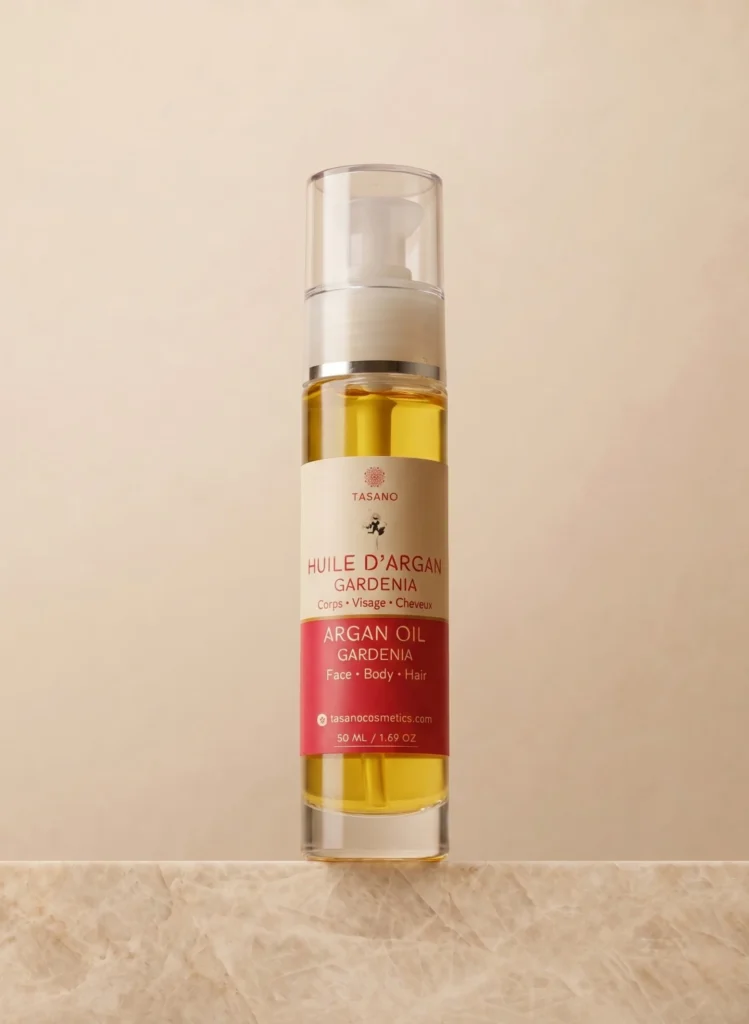
Gardenia Argan Oil for Hair & Body
$ 21.00 -
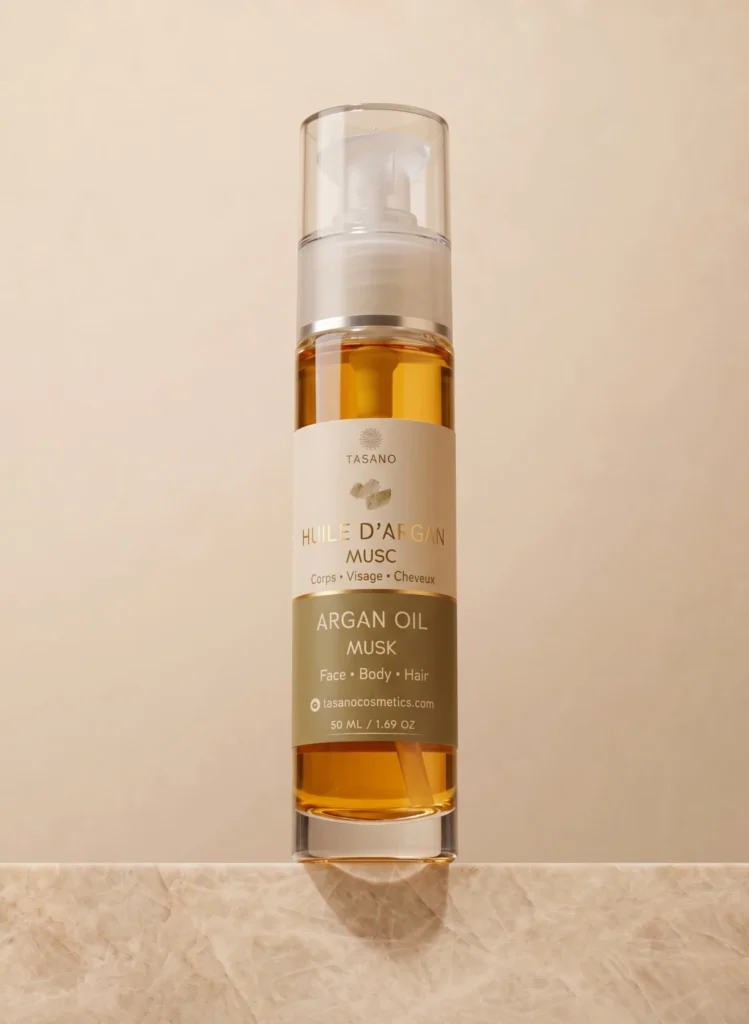
Musk Argan Oil for Hair & Body
$ 21.00 -
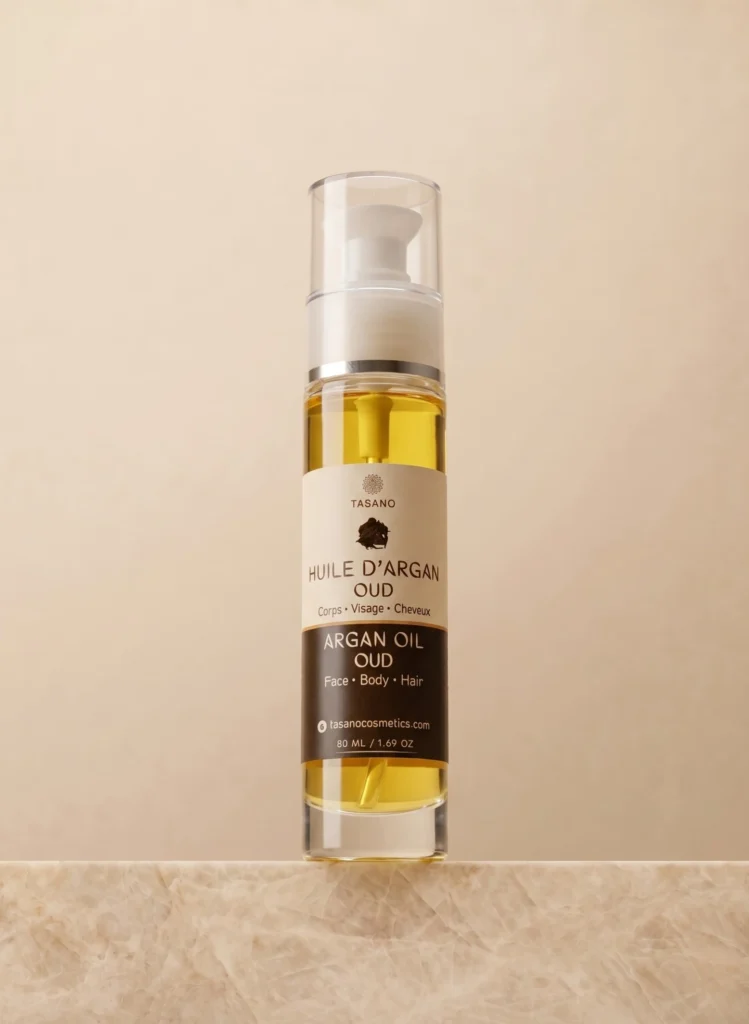
Oud Argan Oil for Hair & Body
$ 21.00 -
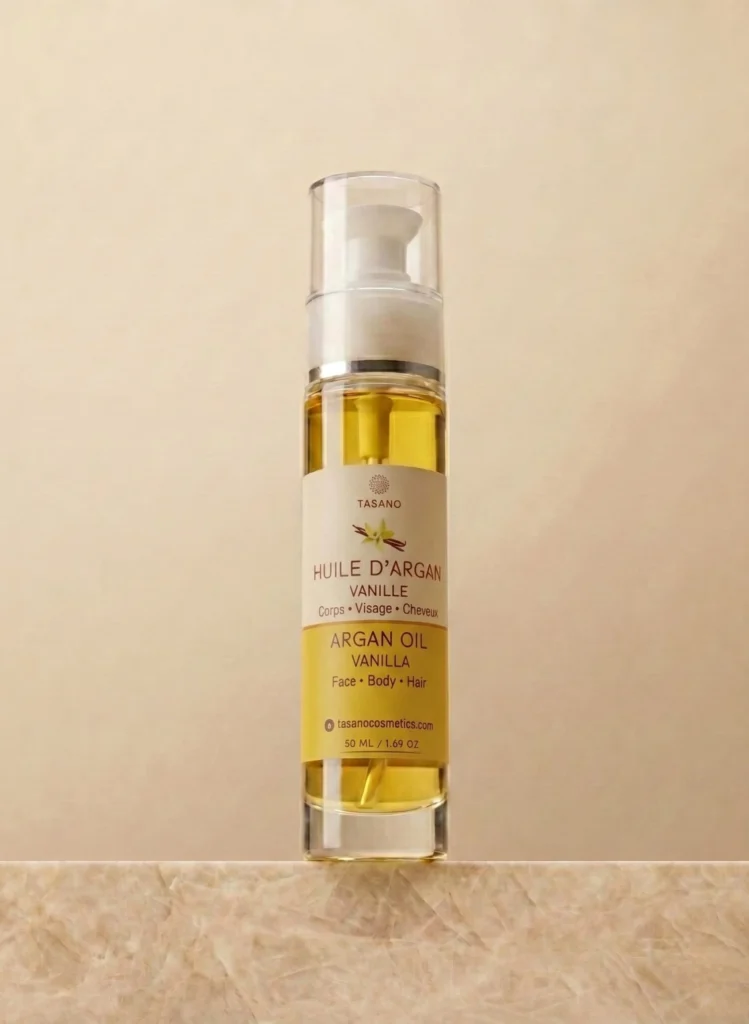
Vanilla Argan Oil for Hair & Body
$ 20.00
How to Use Argan Oil for Hair the Right Way
One of the biggest mistakes people make is using too much.
Pure argan oil is effective because a small amount goes a long way. The goal is not to saturate the hair every day. The goal is to apply enough to improve softness, shine, and smoothness without leaving buildup behind.
Best ways to use argan oil for hair
- As a finishing oil
Rub a small amount between your hands and smooth over the lengths and ends.
- As a pre-shampoo treatment
Apply before washing to dry or damaged hair that needs more comfort and softness.
- As an overnight treatment
For very dry hair, a longer treatment can help hair feel more nourished by wash day.
- As a curl-softening step
Apply lightly to damp curls to help reduce frizz and improve the feel of the hair.
Before buying, learn how to spot quality formulas in How to Choose Pure Argan Oil for Hair (Avoid Fake Moroccan Oil Blends).
What to Look for in Real Moroccan Hair Care Products
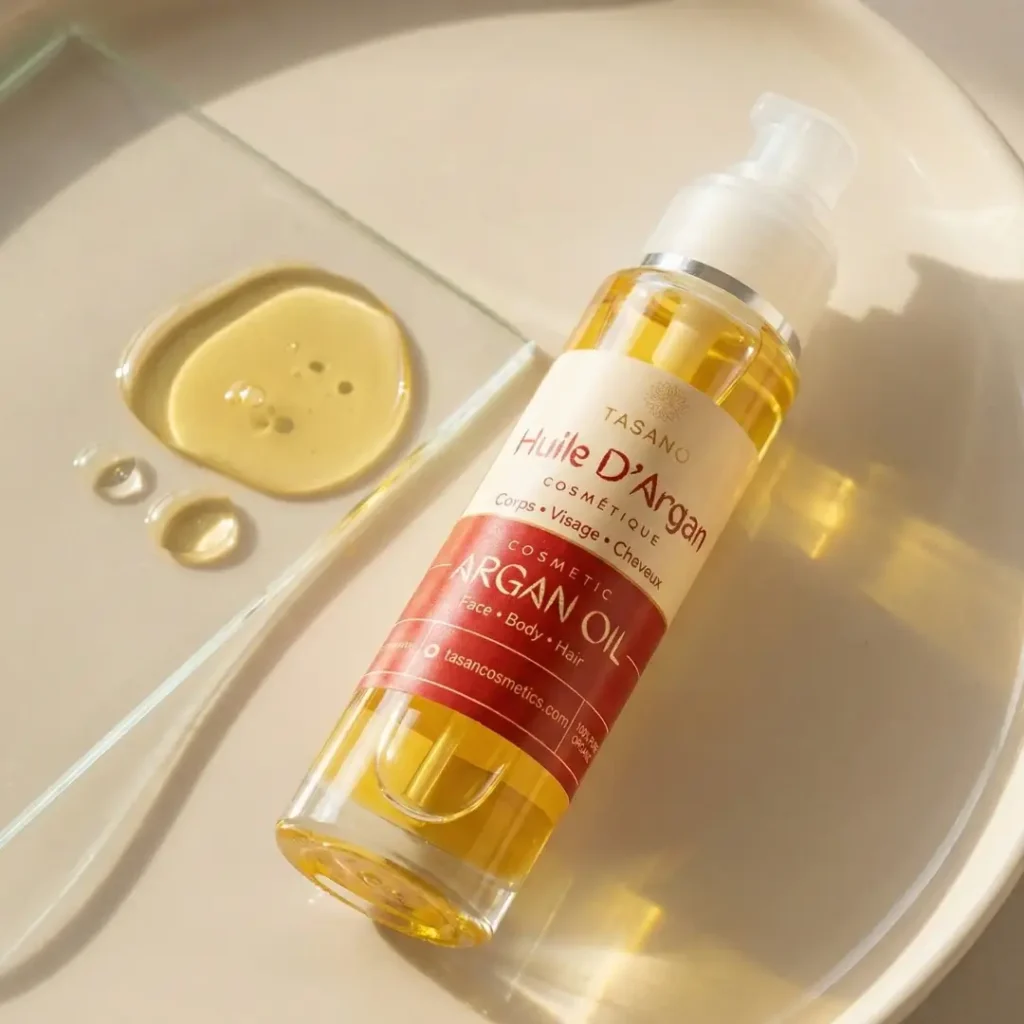
Not all “Moroccan oil” products are equal. Some are mostly silicone blends with only a token amount of argan oil.
If you want the real benefits of Moroccan hair care, product quality matters.
Look for:
- pure argan oil or clearly listed argan-rich formulas
- simple ingredient lists when buying standalone hair oil
- packaging that protects the oil from light and oxidation
- a texture that feels rich but not rancid or overly perfumed
- transparency about sourcing and origin
For complete peace of mind, choose a trusted source and get TASANO’s 100% Pure Moroccan Argan Oil, crafted for those who want authentic purity, visible results, and confidence in what they are applying to their hair.
Common Moroccan Hair Care Mistakes to Avoid
- Using too much oil
This makes hair limp, greasy, and harder to wash properly.
- Expecting oil to fix everything overnight
Hair care is not magic. Consistency beats intensity.
- Ignoring the scalp
Healthy-looking hair grows out of a scalp environment that is clean and balanced.
- Buying fake “argan” blends
A cheap formula dressed up as Moroccan hair care is still a cheap formula.
- Using heavy oils the same way on every hair type
Fine, straight, curly, thick, dry, and damaged hair do not all need the same amount.
Who Should Try Moroccan Hair Care?
Moroccan hair care can be especially useful for people dealing with:
- dry or damaged hair
- frizz and rough texture
- dullness and lack of shine
- tangling and poor manageability
- curly hair that needs softness without stiffness
- dry scalp or mild flaking concerns
- hair that feels overworked by heat or styling
It is not about having one specific hair type. It is about having hair that needs better support.
The Real Appeal of Moroccan Hair Care
The reason Moroccan hair care continues to grow globally is not hype. It is results people can feel.
Hair feels softer. It looks shinier. It becomes easier to style. Frizz looks more controlled. Ends look less rough. The routine feels simple enough to maintain, but effective enough to notice.
That is why Moroccan hair care remains one of the most searched and most trusted hair rituals in beauty. It fits real needs and gives people a realistic path to better hair without turning the routine into a burden.
Moroccan Hair Care Backed by Tradition and Modern Science
Moroccan hair care combines tradition with methods that align with modern hair and scalp science. Research published on PubMed Central has explored the cosmetic benefits of argan oil, including its role in improving softness, shine, and overall hair feel.
For scalp concerns such as flakes or irritation, expert guidance from the American Academy of Dermatology offers trusted advice on dandruff care, while the Cleveland Clinic provides helpful information on managing dry scalp and common causes of irritation.
These resources help confirm why a balanced routine focused on nourishment, scalp health, and consistency can make such a visible difference.
FAQ
Is Moroccan hair care good for all hair types?
Yes, Moroccan hair care can work for many hair types, but the amount of oil and frequency of use should be adjusted. Fine hair usually needs less, while dry, thick, curly, or damaged hair often benefits from richer treatment.
What is the best Moroccan oil for hair?
The best Moroccan oil for hair depends on your goal. Pure argan oil is one of the best all-around options for dryness, frizz, softness, and shine. Rosemary oil is popular for scalp routines, while castor oil is often used for strengthening.
Is argan oil good for hair?
Yes. Argan oil is widely used to help dry, dull, frizzy, or rough-feeling hair look smoother, shinier, and healthier. It is one of the most popular natural oils for improving softness and manageability.
Does argan oil help hair growth?
Argan oil does not directly force faster hair growth, but it can support healthier-looking hair by reducing breakage, improving softness, and helping the scalp feel balanced. Better hair condition can support length retention over time.
Is rosemary oil good for hair growth?
Rosemary oil is commonly used in scalp care routines focused on density and stronger-looking hair. Many people use it regularly with scalp massage as part of a growth-supportive routine.
Is castor oil good for hair?
Yes. Castor oil is often used for dry, weak, or breakage-prone hair because of its rich texture and conditioning feel. It is also popular for brows and lashes.
Which oil is best for dry frizzy hair?
Argan oil is one of the best choices for dry, frizzy hair because it helps improve softness, shine, and smoothness without feeling overly heavy when used correctly.
Which Moroccan oil is best for scalp care?
Rosemary oil and argan oil are popular choices for scalp care routines. Rosemary oil is often used for scalp massage, while argan oil can help support comfort when dryness is part of the issue.
Can I leave argan oil in my hair overnight?
Yes. Many people use argan oil as an overnight treatment before washing, especially on dry or damaged hair. Use a moderate amount focused on the lengths and ends.
How often should I use argan oil on my hair?
Most people can use a few drops daily on the lengths and ends, with a deeper treatment once or twice a week depending on hair type and dryness level.
How do I know if argan oil is pure?
Look for clear ingredient labeling, quality packaging, and transparency about sourcing. Pure argan oil should list argan oil clearly rather than hiding behind vague “Moroccan oil” blends filled with silicones.
Final Thoughts
If your goal is stronger, healthier, shinier hair, Moroccan hair care is one of the smartest places to start.
It combines tradition, simplicity, and performance in a way that makes sense for modern hair struggles. With the right routine and a high-quality pure argan oil, you do not need a shelf full of products. You need a ritual that consistently supports softness, shine, scalp comfort, and long-term hair quality.
Start with the basics. Use pure Moroccan argan oil well. Stay consistent. That is where better hair begins.
Enjoyed this guide? Keep TASANO easier to find when you search for Moroccan beauty advice.
