

Argan Oil for Scalp: Dry Scalp, Dandruff and Scalp Care Benefits
ByTASANO
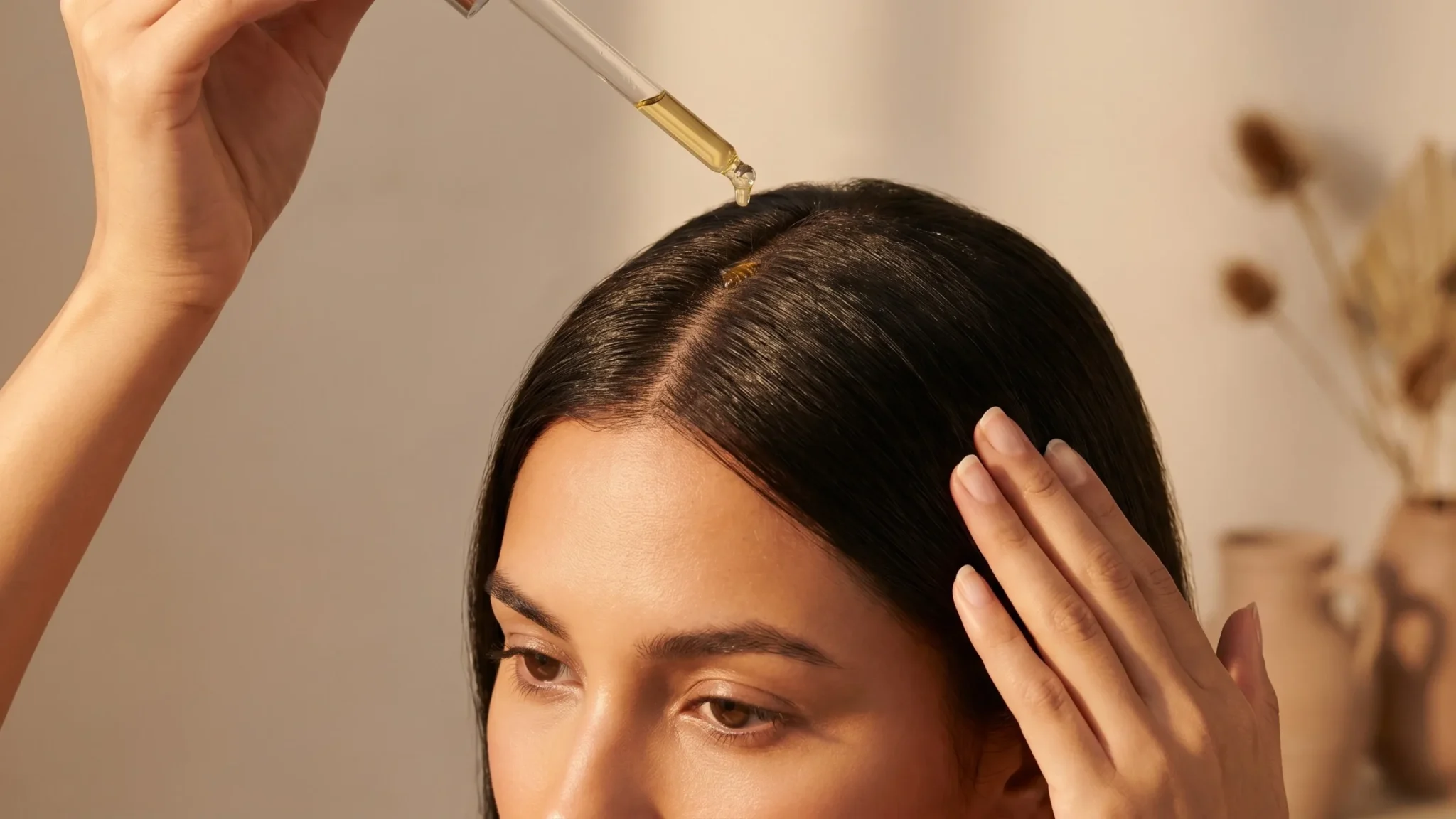
If your scalp feels tight, flaky, itchy, or uncomfortable, argan oil may help, but only in the right situation. Argan oil for scalp care can be useful for dryness and rough-feeling skin, but it is not the right fix for every type of flaking, especially dandruff linked to seborrheic dermatitis.
That distinction is where most articles fail. They throw dry scalp, dandruff, itching, and flakes into the same bucket and pretend one oil solves everything. It does not. A good scalp routine starts with understanding what problem you actually have, then using argan oil where it truly makes sense.
If your goal is calmer, more comfortable scalp care with fewer guessing games, this guide explains when argan oil for scalp care can help, when it can backfire, and how to use it properly.
For the complete hair and scalp system, read Moroccan Hair Care: The Complete Guide to Stronger, Healthier, Shinier Hair.
Table of Contents
What Is Argan Oil for Scalp Care?
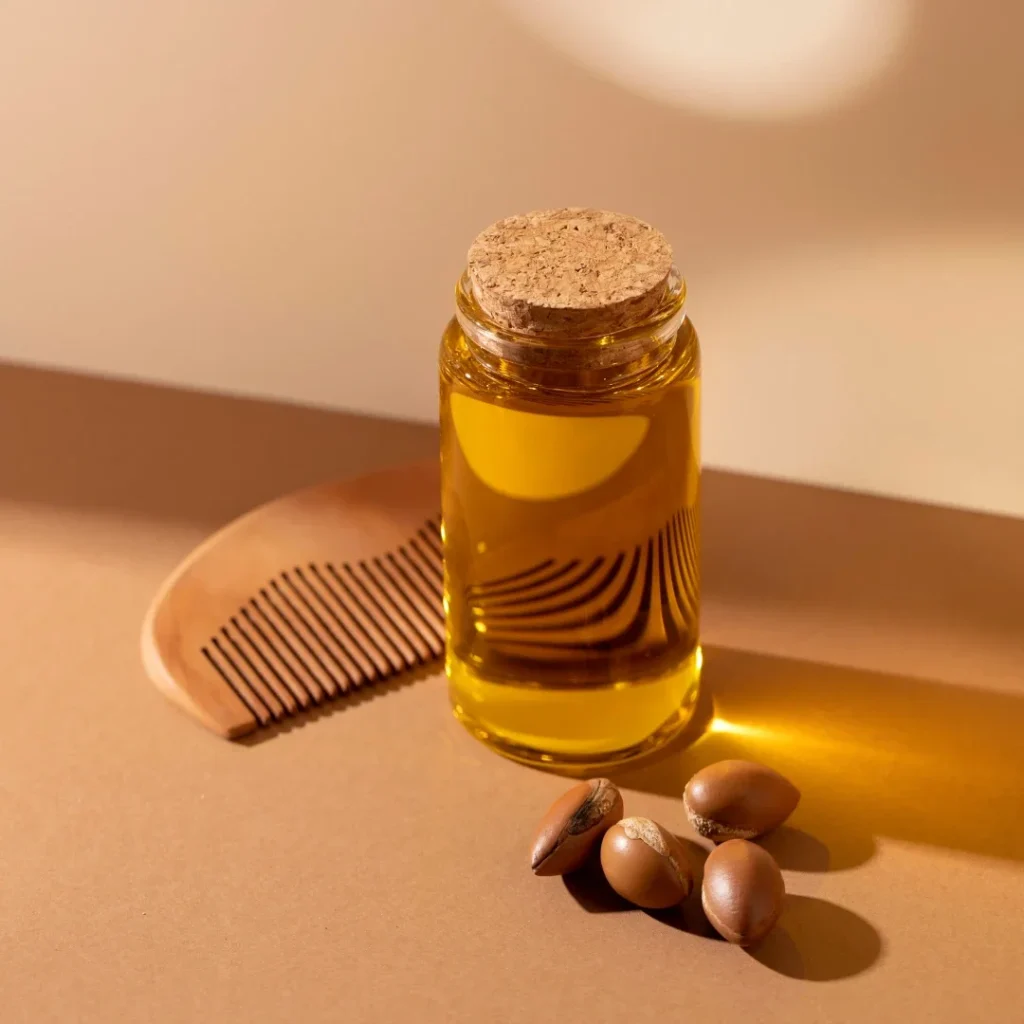
Argan oil is a plant oil from Morocco widely used in hair and skin care for its emollient, softening feel. On the scalp, its main role is not miracle treatment. Its real value is helping dry-feeling skin feel more comfortable, less tight, and less rough when dryness is the actual problem. Broader reviews of hair oils also describe argan oil as relevant to hair shaft conditioning and elasticity, which helps explain why it remains popular in scalp-and-length rituals.
That is why argan oil for scalp care sits in a very specific lane. It is better understood as a soothing, moisture-supportive step for dry scalp routines, not as a catch-all cure for every itchy or flaky scalp issue.
Dry Scalp vs Dandruff: Why This Matters First
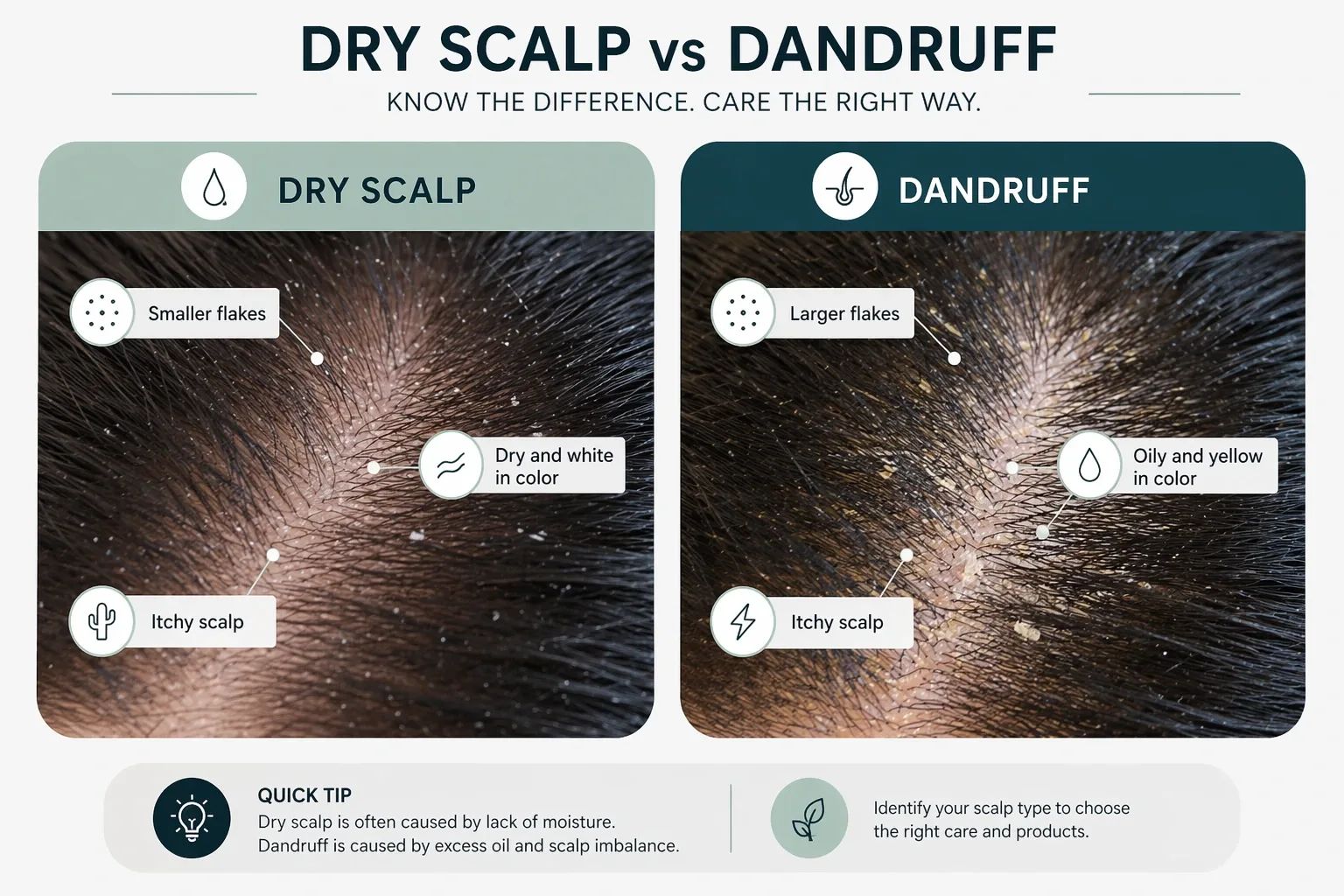
Before using argan oil on your scalp, you need to separate dry scalp from dandruff.
Dry scalp usually means the skin lacks moisture and feels tight, irritated, or slightly flaky. The American Academy of Dermatology notes that dry scalp can often improve by switching to a gentle, non-medicated shampoo. Dandruff, by contrast, is commonly linked to seborrheic dermatitis, which the AAD and Cleveland Clinic both describe as a common cause of scalp itching and flaking. In that case, medicated dandruff shampoos are usually the frontline treatment, not more oil.
This is the line people keep missing. If your flakes come from dryness, argan oil for scalp care may help. If your flakes come from dandruff or seborrheic dermatitis, putting oil on the scalp may actually make things worse. Cleveland Clinic explicitly warns that oiling the scalp can raise the risk of seborrheic dermatitis or aggravate dandruff in some people.
If the lengths are also dry, see Argan Oil for Dry Hair: How to Use It for Frizz, Shine & Softness.
Is Argan Oil Good for Scalp Care?
Yes, when dryness is the real issue.
Argan oil for scalp care can be useful when the scalp feels dry, tight, slightly flaky, or uncomfortable from lack of moisture. In that setting, a small amount can help soften the skin and improve comfort.
But the honest answer is not “yes for everyone.” If the scalp is greasy, inflamed, heavily flaky, or affected by dandruff, seborrheic dermatitis, or buildup, argan oil is not always the right move. That is why this topic needs more precision than the usual generic “best scalp oil” content.For a broader look at how scalp care fits into the full ritual, explore our guide to Moroccan Hair Care: The Complete Guide to Stronger, Healthier, Shinier Hair.
5 Clear Signs Argan Oil for Scalp Care May Help
1. Your Scalp Feels Tight After Washing
If your scalp feels stretched, dry, or uncomfortable after wash day, that is often a dryness signal rather than a dandruff one. Argan oil for scalp care may help by adding a light, softening step back into the routine.
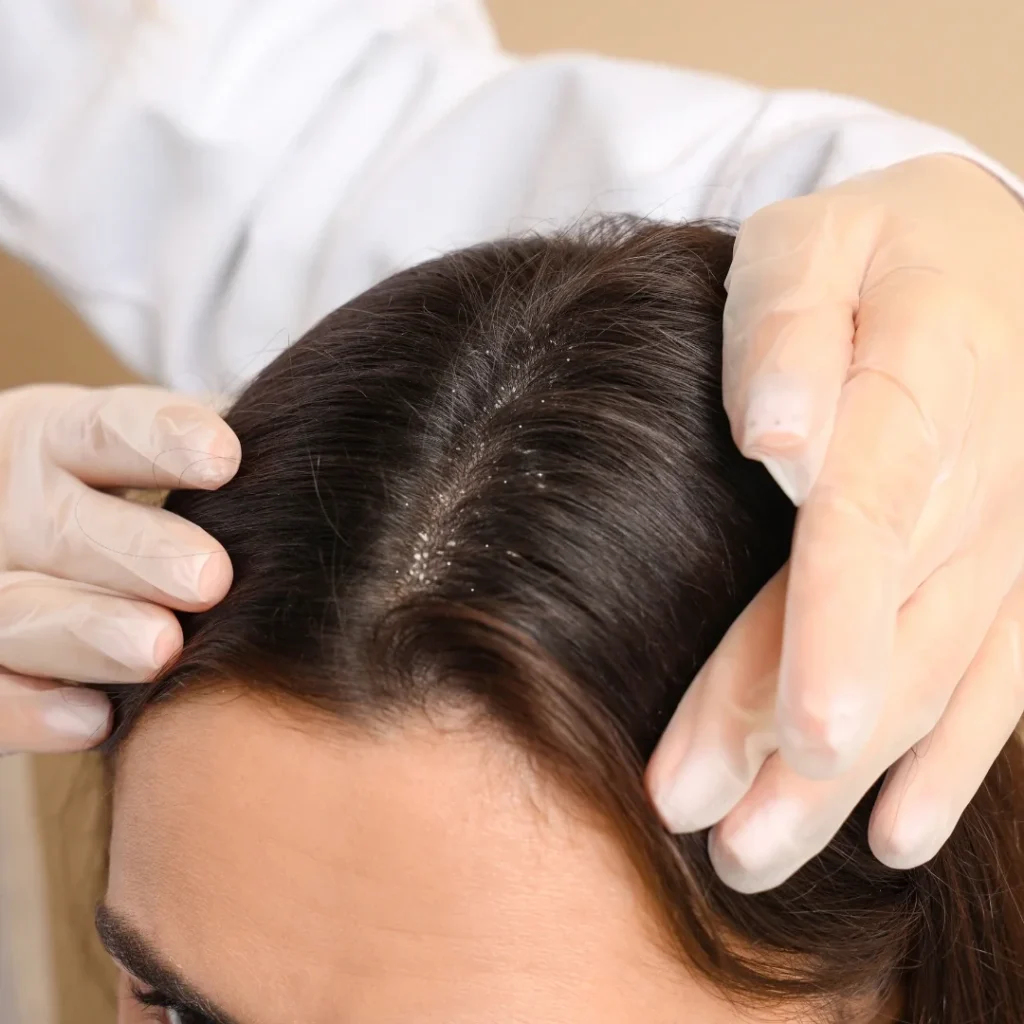
2. Your Flakes Are Small, Dry and Powdery
Dry scalp flakes are often finer and drier than dandruff flakes. If your scalp is not oily or inflamed and the flakes seem more like dryness than greasy buildup, argan oil may be useful.
3. Your Scalp Feels Dry More Than Oily
If your scalp rarely feels greasy but often feels rough or itchy from dryness, a small amount of argan oil may support comfort better than a harsh anti-dandruff approach.
4. Your Hairline and Parting Feel Rough or Dry
Sometimes the dryness is most noticeable around the hairline or parting. That is one of the more practical use cases for argan oil for scalp care because targeted application is easier there.
5. Your Current Routine Feels Too Harsh
If your shampooing habits or scalp products leave the scalp stripped and uncomfortable, argan oil may help rebalance the routine, as long as dandruff is not the underlying issue.
7 Benefits of Argan Oil for Scalp Care
1. Helps Relieve Dry, Tight Scalp Comfortably
When the scalp lacks moisture, it often feels tight, uncomfortable, or slightly irritated, especially after washing. Argan oil helps restore a softer, more flexible feel to the skin, making the scalp feel less stressed and more balanced. This is one of the most immediate and noticeable benefits for people dealing with dryness.
2. Softens Dry, Flaky Skin Without Harsh Treatments
Dry scalp flakes tend to feel brittle and powdery. Instead of aggressively scrubbing or over-treating, argan oil helps soften that dry skin so it feels less rough and easier to manage. This creates a gentler approach to scalp care, especially for sensitive scalps.
3. Helps Reduce the Feeling of Itch Caused by Dryness
Itchiness often comes from dryness, not always from dandruff. When the scalp lacks moisture, it becomes more reactive and uncomfortable. Argan oil helps calm that dryness-related itch by improving the skin’s comfort level, making the scalp feel less irritated throughout the day.
4. Improves Overall Scalp Comfort Between Wash Days
Some routines leave the scalp feeling fine on wash day but uncomfortable shortly after. Argan oil helps extend that “clean and comfortable” feeling by preventing the scalp from drying out too quickly, especially in dry climates or after frequent washing.
5. Supports a More Balanced, Gentle Scalp Routine
Many scalp issues are made worse by overly harsh routines—strong shampoos, frequent washing, or aggressive treatments. Argan oil adds a softer, more controlled step that helps rebalance the routine instead of pushing the scalp further into irritation.
6. Conditions the Scalp Without Heavy Buildup (When Used Correctly)
Compared to heavier oils, argan oil is easier to apply in small amounts and less likely to feel suffocating on the scalp. When used properly, it provides comfort without leaving the scalp overly greasy or weighed down, which makes it more practical for regular use.
7. Complements Hair Care by Supporting Healthier Roots
While argan oil is not a direct growth treatment, a comfortable, well-maintained scalp creates a better foundation for overall hair quality. When dryness and discomfort are reduced, the entire routine, from roots to ends, feels more balanced and easier to maintain.
If the lengths are also dry, see Argan Oil for Dry Hair: How to Use It for Frizz, Shine & Softness.
Can Argan Oil Help With Dandruff?
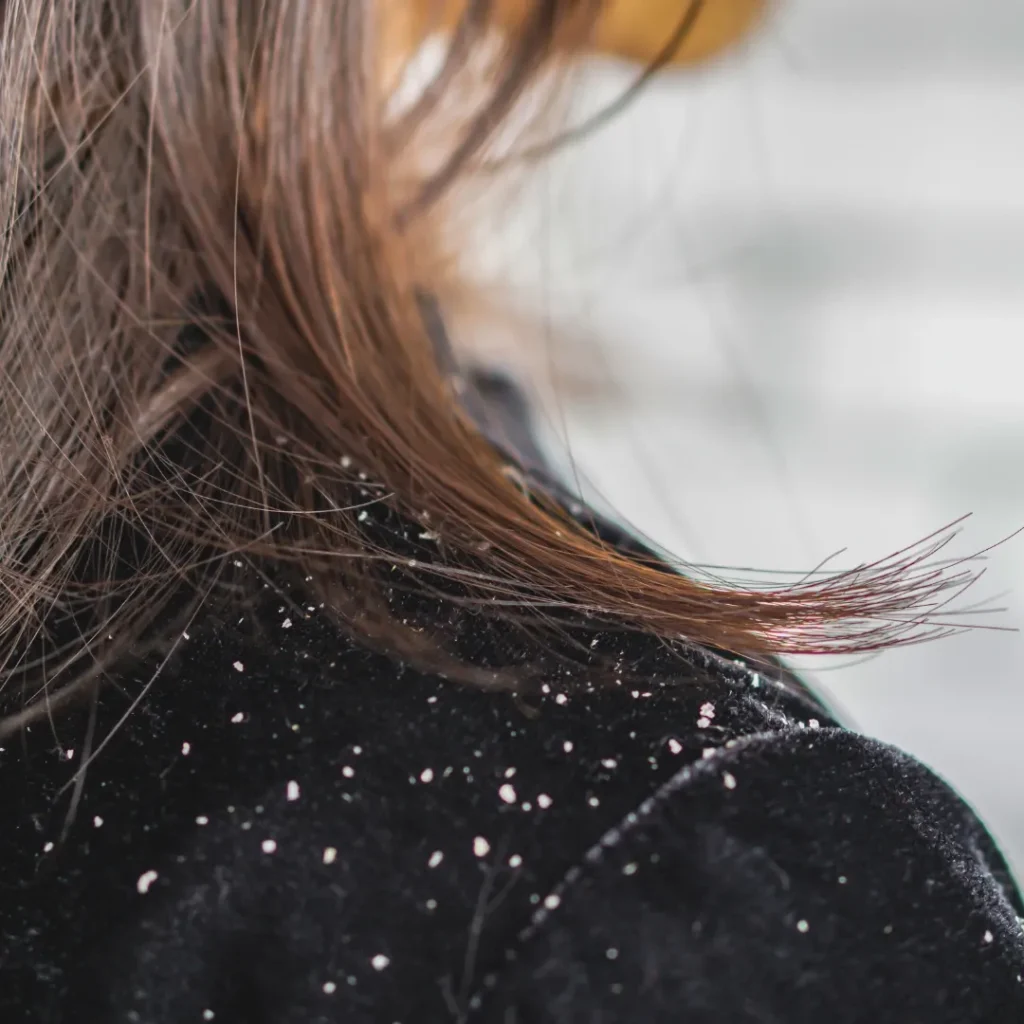
Sometimes, but this is where people get sloppy.
If by “dandruff” you actually mean a dry, flaky scalp, argan oil may help because the issue is dryness. But if the dandruff is really seborrheic dermatitis, the better path is usually a dandruff shampoo or medically guided treatment. The AAD recommends choosing a dandruff shampoo and trying different active ingredients if one does not work. It also notes that seborrheic dermatitis on the scalp often responds to dandruff shampoos. Cleveland Clinic makes the warning even clearer: putting oil directly on the scalp can increase the risk of seborrheic dermatitis or worsen dandruff in some cases.
That is why the honest answer is nuanced. Argan oil for scalp care can help dry scalp flakes, but it is not the smart first-line solution for true dandruff.
For a direct answer focused only on this question, read Can Argan Oil Help with Dandruff?
Can Argan Oil Help an Itchy Scalp?
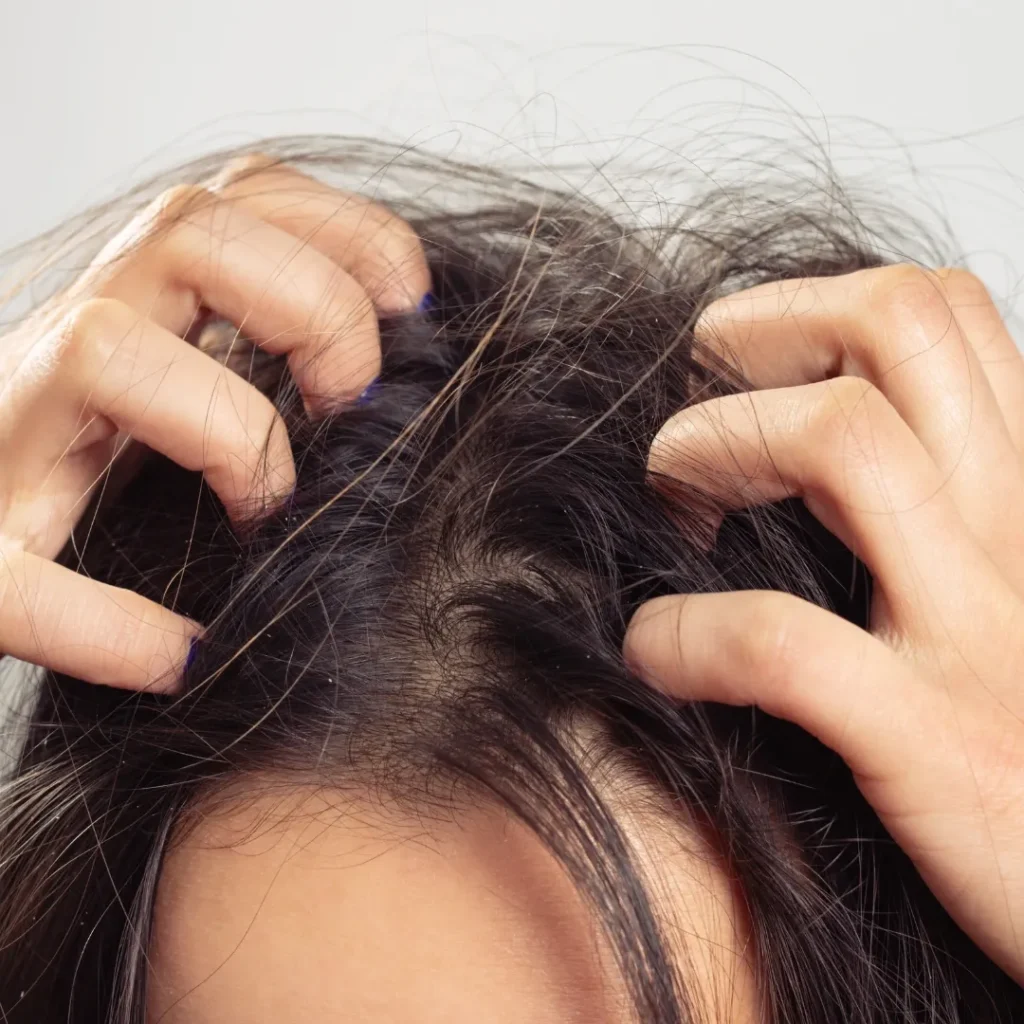
Sometimes, since the cause of the itch matters.
If the scalp feels itchy because it is dry, tight, or slightly rough, argan oil may help by softening the skin and improving comfort. In that situation, the itch is often linked to dryness, and a small amount of argan oil can fit naturally into a gentler scalp routine.
But if the itching comes with greasy flakes, visible buildup, redness, or stubborn dandruff, argan oil is not always the smartest answer. In those cases, the problem may be dandruff or seborrheic dermatitis rather than dryness, and the American Academy of Dermatology recommends dandruff shampoos and targeted treatment instead of guessing. The Cleveland Clinic also warns that oiling the scalp can worsen seborrheic dermatitis in some people.
The useful rule is simple:
If the scalp feels dry and itchy, argan oil may help.
If the scalp feels itchy and greasy, or itchy with persistent dandruff, the better answer is usually not more oil.
How to Use Argan Oil for Scalp Properly
Using argan oil for scalp care properly matters. Too much oil, too often, in the wrong situation, turns a soothing step into a bad idea.
- For dry scalp treatment
Part the hair in sections and apply a very small amount of argan oil directly to the dry-feeling areas of the scalp. Massage gently with fingertips for a minute or two. Leave it on for 20 to 30 minutes before washing, or longer if your scalp tolerates it well.
- For targeted dry patches
If the dryness is mostly around the hairline or parting, apply it only there. You do not need to oil the entire scalp to treat a specific dry area.
- As a pre-wash scalp step
This is the safest general method. Using argan oil before washing helps you get the comfort benefit without leaving long-term residue on the scalp.
Scalp comfort also depends on clean routines, which connect with The Complete Moroccan Hammam Ritual at Home.
What not to do
Do not flood the scalp with oil. Do not keep adding more because flakes are still there. And do not assume every itchy scalp needs oil.
How Often Should You Use Argan Oil on the Scalp?
For most people with true dry scalp, once or twice a week is enough. More than that can be excessive, especially if the scalp is prone to buildup.
If the scalp gets itchier, greasier, or more flaky after starting argan oil, stop and reassess whether the issue is actually dandruff or seborrheic dermatitis instead of dryness. That distinction is the whole game here.
Who Should Avoid Argan Oil on the Scalp?
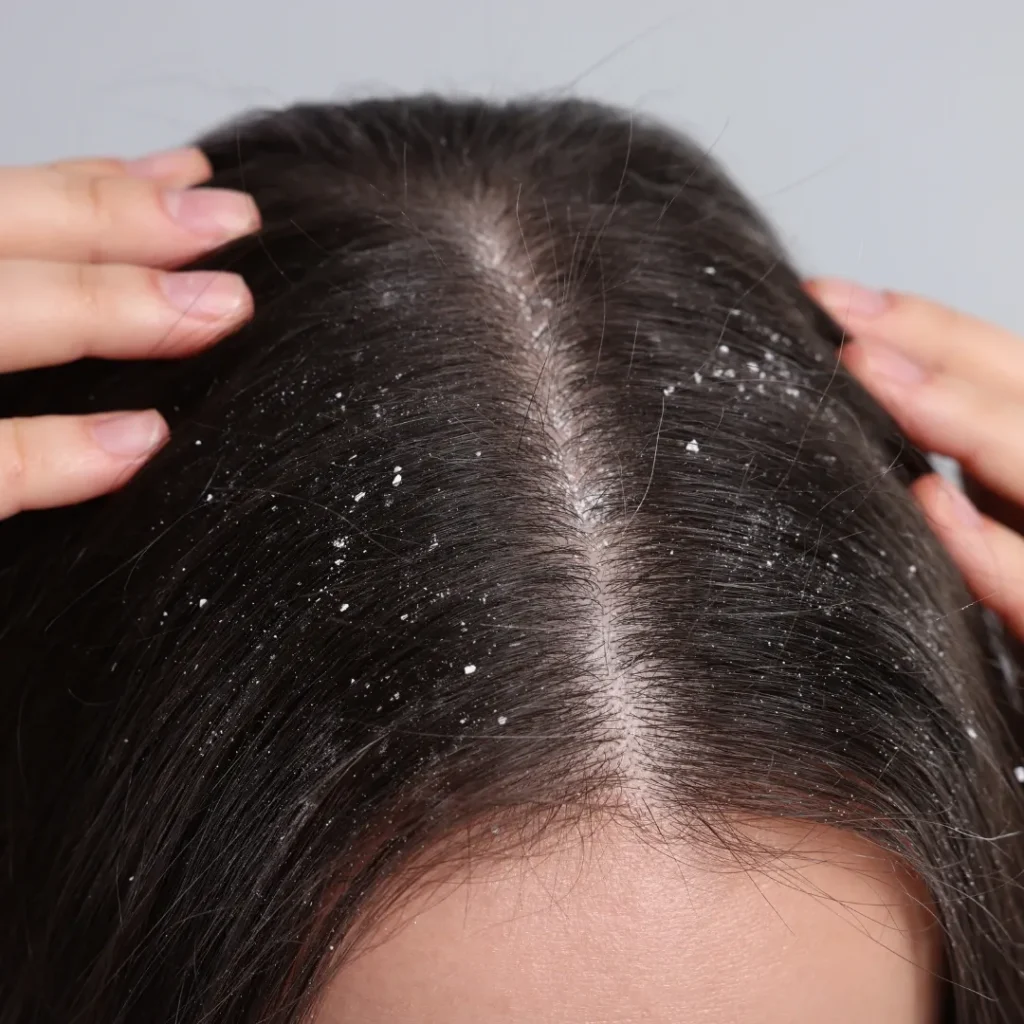
Argan oil for scalp care is not ideal for everyone.
It may be a poor fit for:
- people with oily, greasy flakes
- active seborrheic dermatitis or stubborn dandruff
- buildup-prone scalps
- inflamed, scabby, or worsening scalp conditions
- anyone whose symptoms get worse when oils are applied
If symptoms persist or worsen, the AAD advises seeing a board-certified dermatologist for proper diagnosis and treatment.
Common Mistakes to Avoid
- Treating all flakes the same
Dry scalp and dandruff are not interchangeable. Using argan oil for the wrong one can waste time or make things worse.
- Using too much oil
A few drops is scalp care. Pouring oil everywhere is buildup.
- Leaving oil on an irritated scalp without checking the cause
If the scalp is inflamed, greasy, or worsening, stop guessing.
- Ignoring medicated options when dandruff is the real issue
The AAD’s dandruff guidance is clear: dandruff shampoos with active ingredients are often the right tool. Oil is not always the answer.
Argan Oil for Scalp vs Rosemary Oil for Scalp
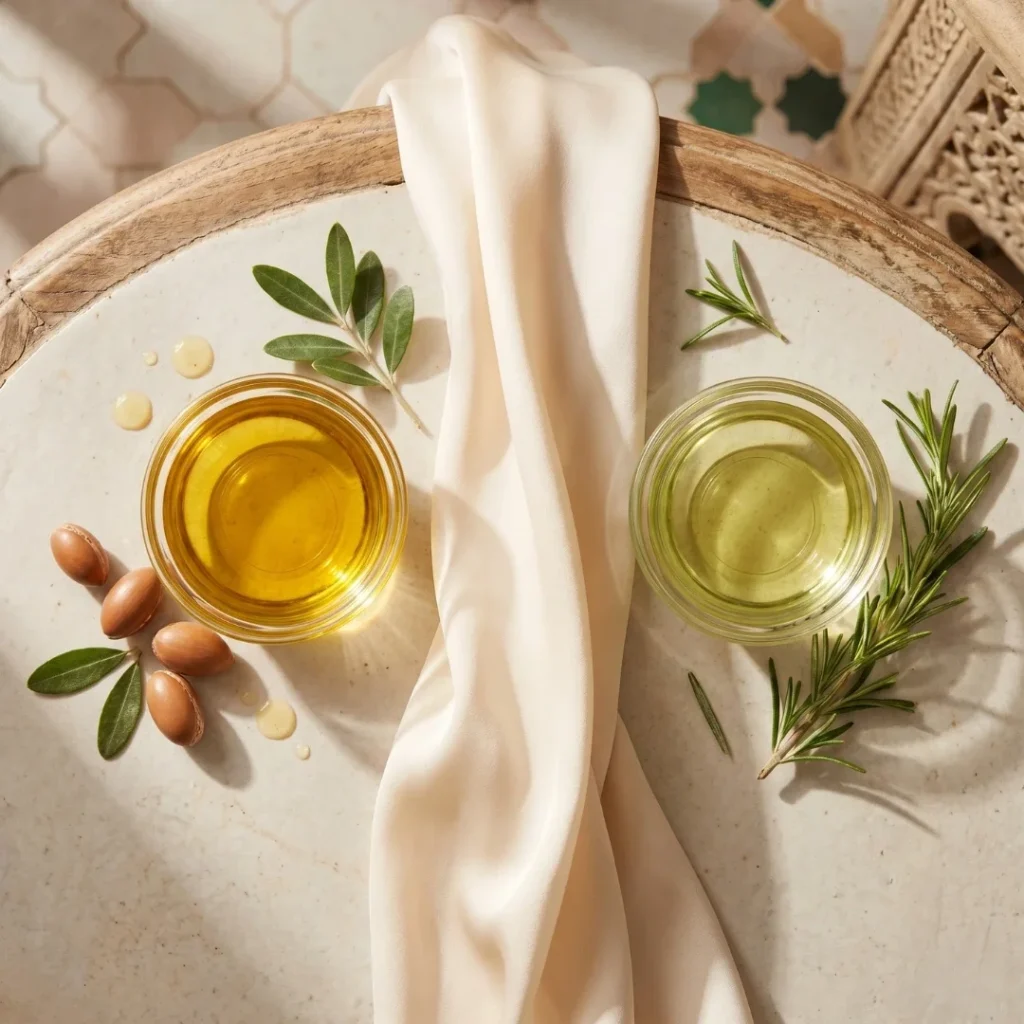
These two oils do different jobs.
Argan oil for scalp care is better when the main concern is dryness, tightness, and comfort. Rosemary oil is more often used in scalp massage and growth-focused routines.
If your goal is calmer dry scalp, argan oil makes more sense. If your goal is a more targeted density-supportive ritual, rosemary oil is the stronger fit.
For the growth side of scalp care, read Rosemary Oil for Hair Growth: Does It Work and How to Use It.
Argan Oil for Scalp Backed by Better Scalp Guidance
Argan oil for scalp care makes sense when the problem is dryness, but that benefit depends on using it in the right context. The American Academy of Dermatology distinguishes dry scalp from dandruff and notes that dandruff often improves with dandruff shampoo, while dry scalp may improve with a gentle, non-medicated shampoo. The Cleveland Clinic also warns that oiling the scalp can increase the risk of seborrheic dermatitis or worsen dandruff in some people. At the same time, broader reviews on PubMed Central show why argan oil remains attractive in hair care: it is associated with conditioning, elasticity, and softer-feeling hair fibers.
Put together, the evidence supports a more intelligent conclusion than most articles offer, argan oil can be useful for dry scalp comfort, but it is not a universal treatment for every flaky scalp.
Choosing Authentic Argan Oil for Peace of Mind
When using argan oil on the scalp, quality matters even more. Low-quality blends loaded with perfume or vague filler ingredients are exactly what a sensitive scalp does not need.
Look for:
- clear ingredient transparency
- pure argan oil or clearly argan-rich formulas
- clean sourcing information
- a texture that feels fresh, not rancid
- no unnecessary confusion around what is actually inside the bottle
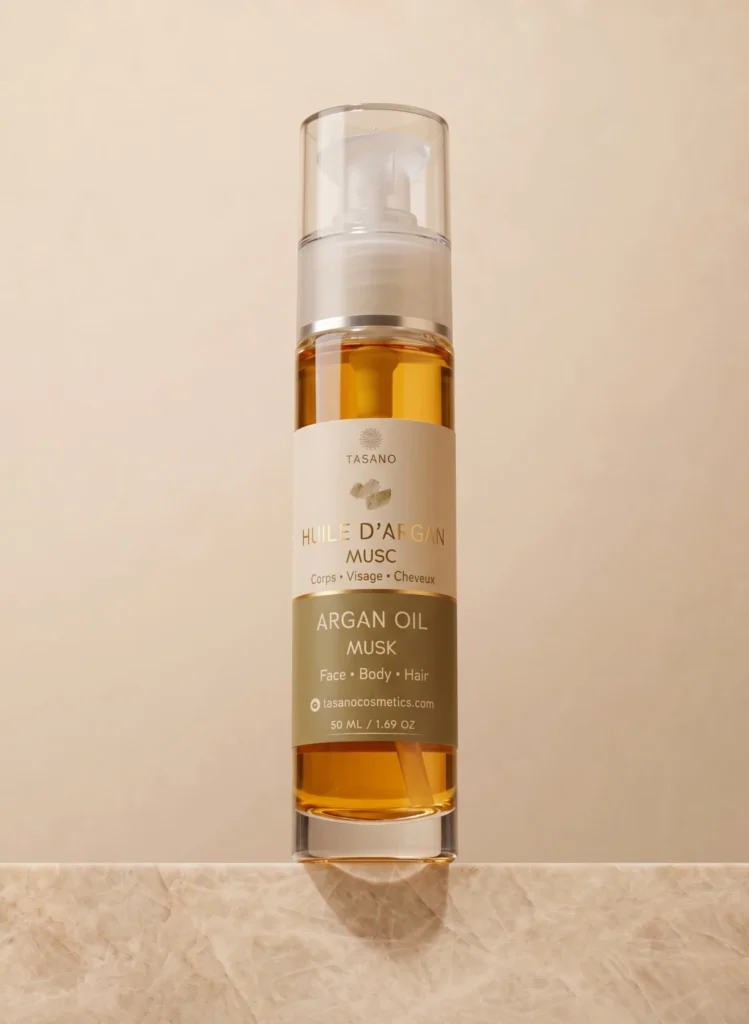
For readers who want a reliable option with real peace of mind, TASANO’s 100% Pure Moroccan Argan Oil offers an authentic choice crafted for softness, scalp comfort, and everyday Moroccan beauty rituals.
You can also read How to Choose Pure Argan Oil for Hair and Avoid Fake Moroccan Oil Blends.
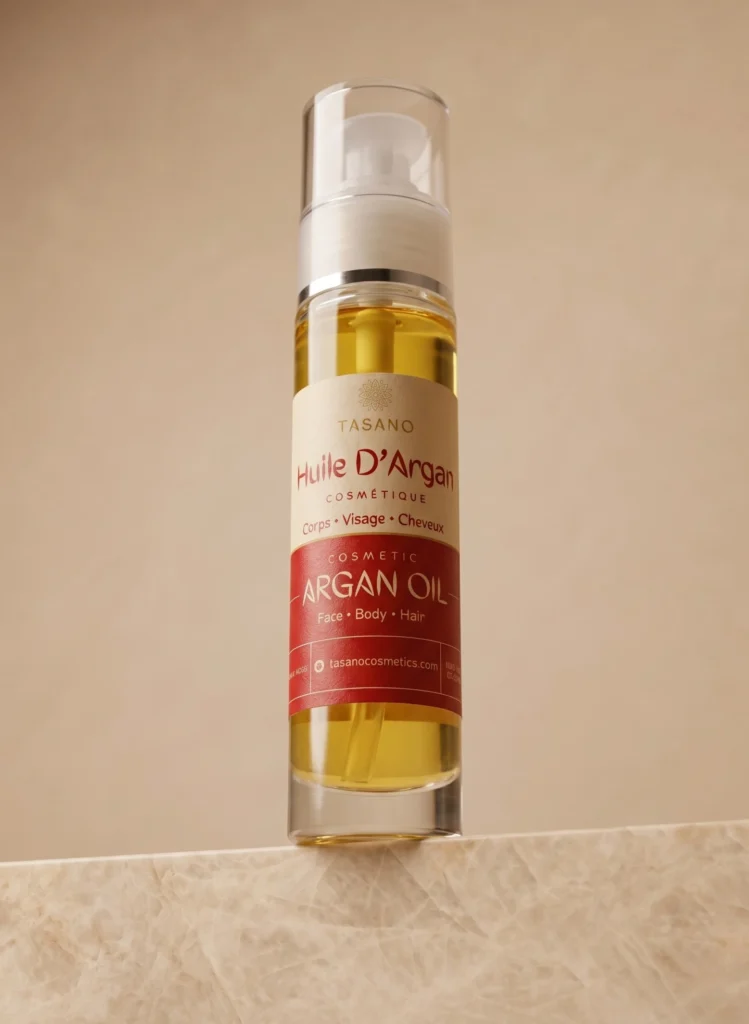
100% Pure Moroccan Argan Oil
A lightweight, cold-pressed Moroccan argan oil for face, hair, body, nails, and beard care. Designed to soften dry-feeling skin, smooth the look of frizz, nourish dry ends, and leave a clean satin glow.
- 100% pure single-ingredient formula
- For face, hair, body, nails, and beard care
- No added fragrance, silicones, filler oils, or mineral oil
FAQ
Is argan oil good for dry scalp?
Yes, argan oil can help dry scalp when dryness is the actual issue. It may soften dry-feeling skin and improve comfort.
Can argan oil help dandruff?
It may help if the flakes come from dryness, but true dandruff is often linked to seborrheic dermatitis and is usually better treated with dandruff shampoos.
Can I leave argan oil on my scalp overnight?
You can, but a pre-wash treatment is usually safer and cleaner for most scalps. If your scalp is buildup-prone, overnight use may not be the best choice.
How often should I use argan oil on my scalp?
Once or twice a week is enough for most dry-scalp routines.
Is argan oil good for itchy scalp?
It can help if the itch is coming from dryness. If the itching is caused by dandruff, seborrheic dermatitis, or another scalp condition, oil may not be the right answer.
What is better for scalp growth, argan oil or rosemary oil?
Rosemary oil is the more targeted option for growth-focused scalp routines, while argan oil is better for dry scalp comfort.
What if my scalp gets worse after using argan oil?
Stop using it and reassess the cause. If the scalp becomes greasier, itchier, or more inflamed, dandruff or seborrheic dermatitis may be the real issue.
Final Thoughts
Argan oil for scalp care can be a smart step, but only when the scalp actually needs moisture, not guesswork.
If your scalp feels dry, tight, rough, or mildly flaky from dryness, argan oil may help soften the skin and make the routine feel more comfortable. But if you are dealing with greasy flakes, persistent dandruff, or seborrheic dermatitis, the smarter move is not more oil. It is better diagnosis and better treatment.
The difference comes down to using argan oil with precision. It works when the scalp needs moisture and comfort, not when the issue is dandruff or buildup.
Recommended products
Enjoyed this guide? Keep TASANO easier to find when you search for Moroccan beauty advice.
